Caring for Lacquered Surfaces in a Tropical Climate: Singapore Homeowner's Guide
Living in Singapore means living with humidity that hovers between 70% and 90% almost year-round, temperatures that rarely drop below 24°C, and sudden monsoon downpours that push moisture deep into every corner of a HDB flat or condo. I visited my colleague Priya's new 4-room Build-to-Order unit in Punggol last month, and the first thing she said was, "My mother warned me not to buy anything lacquered." Three months in, her MIDHILL coffee table, her oak dining table, and the accent chair in the reading nook still look like the day they arrived from the lift-up service. The trick is not avoiding lacquered pieces; the trick is understanding how lacquer behaves in our weather and giving it the right routine.
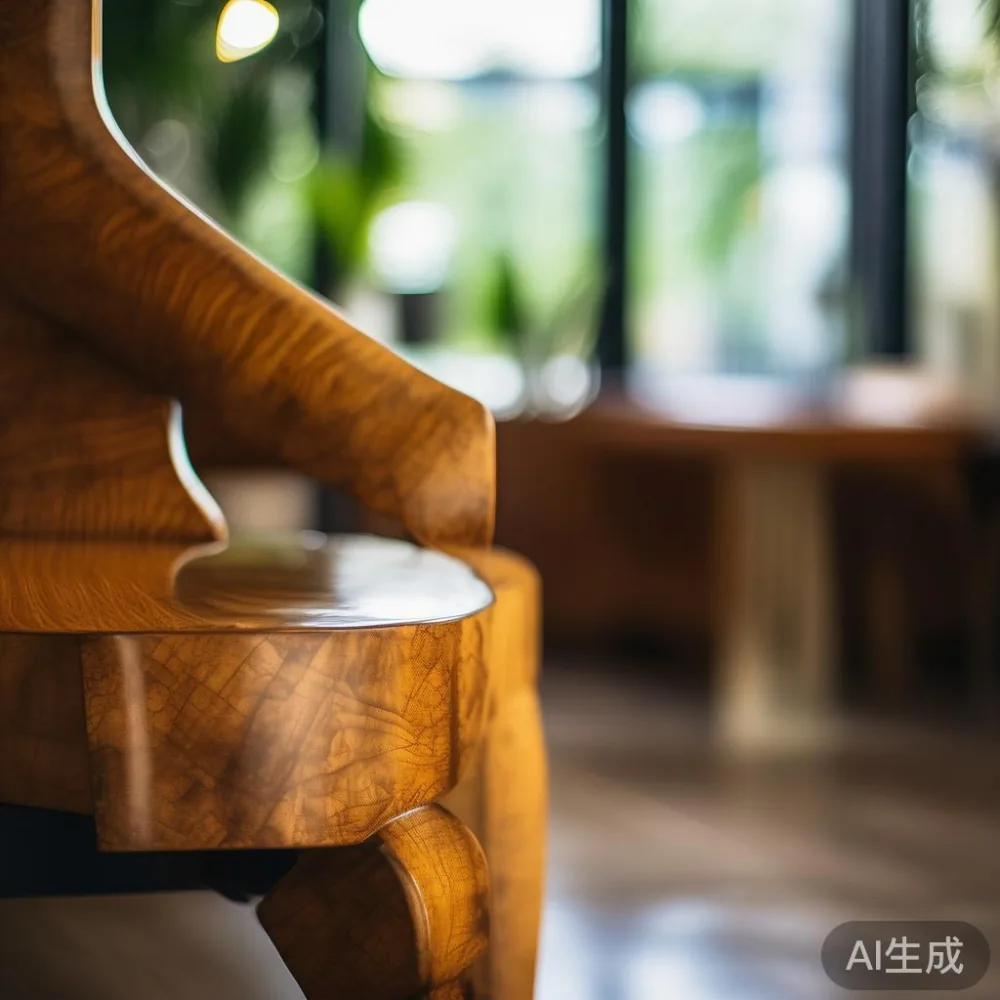
This guide is written for Singapore homeowners who own or plan to own lacquered pieces. Whether you have a French light luxury accent chair, a solid wood sofa frame, a bed frame, a dining table, a wardrobe, a nightstand, or a marble table with a lacquered base, the same physics apply. I will walk you through the climate problem, the weekly routine, the monthly routine, the deep-care routine, and the questions I get asked most often at client homes across Tampines, Bedok, and Punggol.
Why Singapore Humidity Is Harder on Lacquered Surfaces Than You Think
Lacquer is a film finish. It seals the wood under a hard, glossy, or matte shell that protects against spills, scuffs, and UV. In a temperate climate such as London or Frankfurt, lacquered pieces age gracefully for 10 to 15 years before needing refinishing. In Singapore, the same finish is under constant attack from moisture that wants to migrate in and out of the wood core.
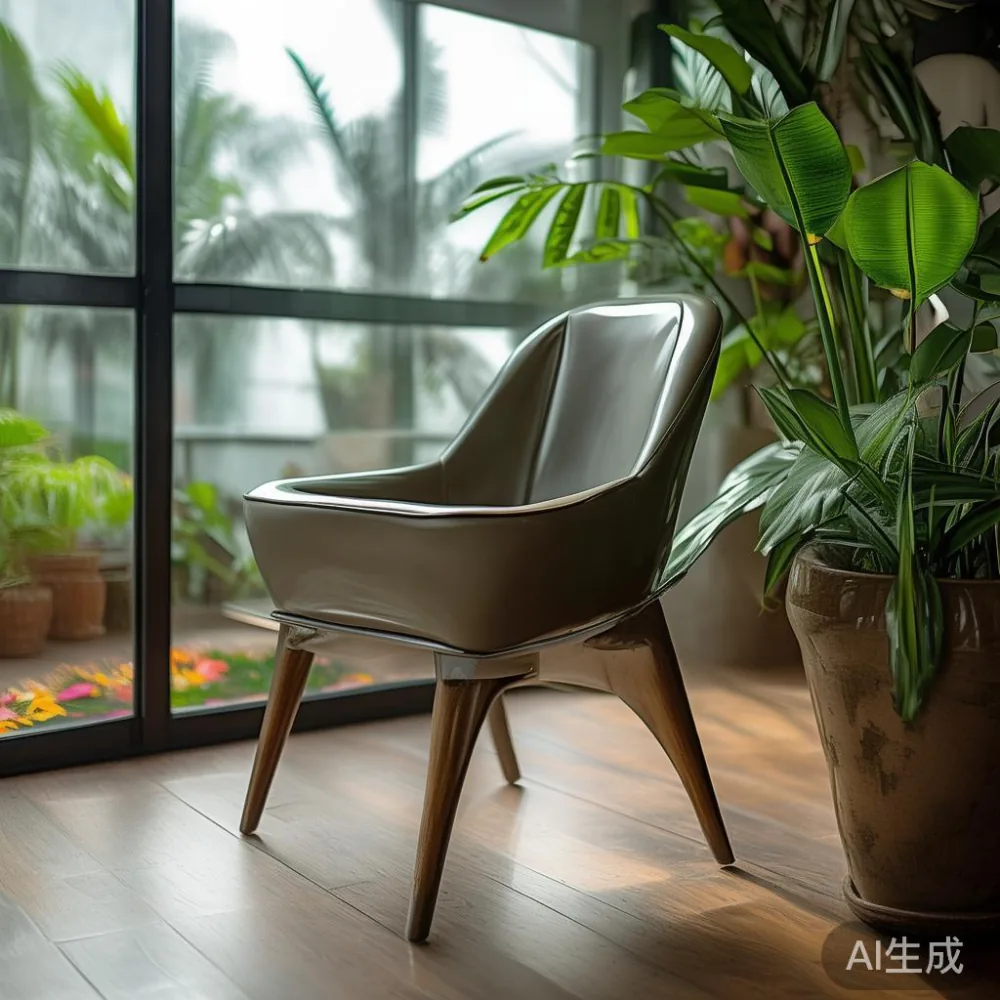
Three forces are working on your lacquered furniture every single day. First, water absorption. Solid wood absorbs and releases moisture depending on the surrounding humidity. When humidity rises from 60% to 85% on a rainy afternoon, the wood under your lacquer swells by roughly 1% to 3% across the grain. The film on top cannot stretch that much, so micro-cracks appear along joints and curved edges. Second, condensation. Air-conditioning in a HDB flat typically runs at 23°C to 25°C with a set point of 24°C. When the unit cycles off and the door opens, warm corridor air at 30°C and 80% RH hits the cold surface. Droplets form on a lacquered dining table exactly the way they form on a glass of ice water. Third, UV. Singapore gets an average of 2,000 to 2,200 sunshine hours a year. UV breaks down the resins in nitrocellulose and conversion varnish over time, causing yellowing on light pieces and chalking on dark pieces.
The combination of these three forces is why I see HDB homeowners in Tampines with three-year-old dining tables showing edge wear that an equivalent piece in a Frankfurt apartment would not show for ten years. The fix is not a different finish. The fix is a routine.
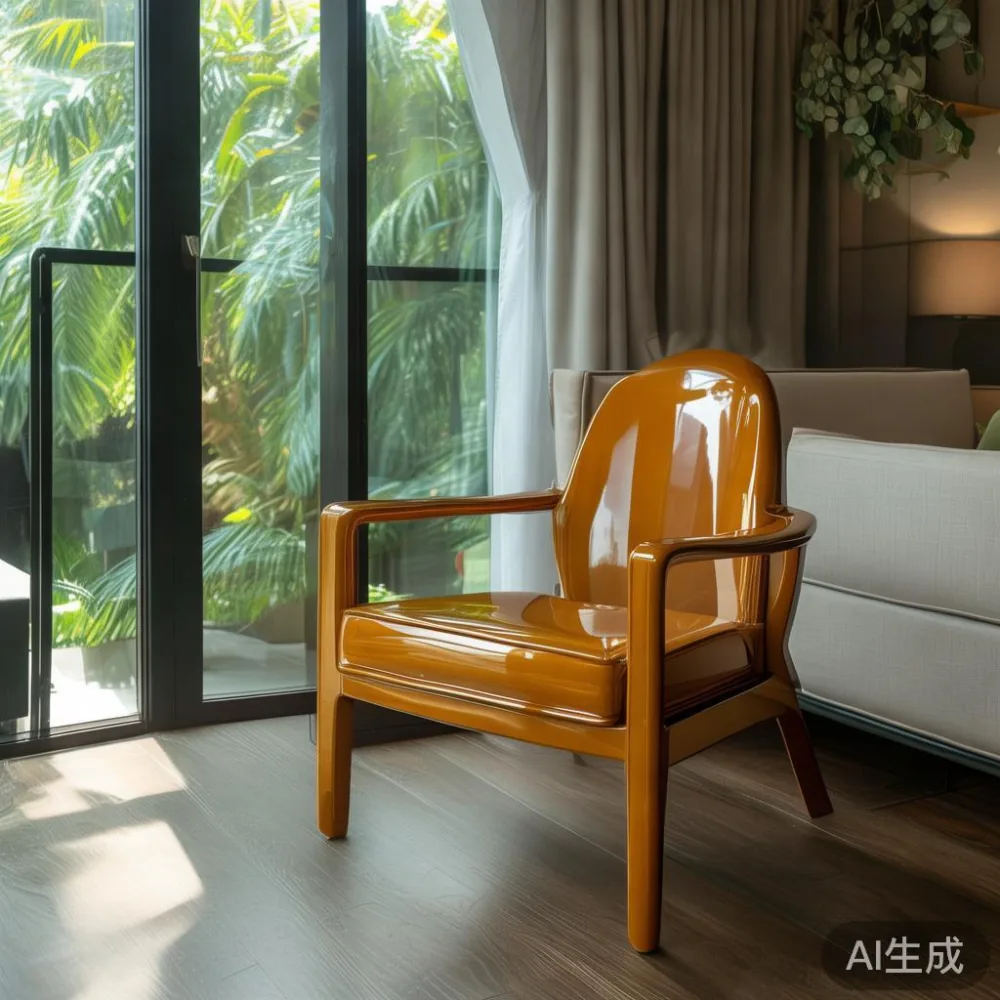
The 5-Minute Weekly Routine That Prevents 90% of Damage
I keep this checklist taped inside the wardrobe door of my own flat in Bedok, and I have shared it with at least 30 clients since 2022. It takes 5 minutes per piece and prevents nine out of ten problems before they start.
Step one, dry dust with a microfibre cloth. Use a 40cm x 40cm microfibre cloth, folded into quarters, and wipe in straight lines following the grain. Do not use feather dusters because they flick dust into the air and let it resettle on horizontal surfaces such as your accent chair arms and your marble table top.
Step two, check the legs and underside. Lift the corner of a runner under your dining table or a floor mat under your bed frame once a week. Moisture gets trapped under these textiles and creates a white haze or a dark ring on the underside that eventually creeps up the leg.
Step three, manage the room. Run a dehumidifier set to 55% RH in rooms with lacquered pieces. A standard 12-litre Meaco or similar unit costs around SGD 280 to SGD 380 new and pulls roughly 1.5 to 2 litres per day in a typical 15 m² HDB bedroom. The electricity cost is about SGD 8 to SGD 12 per month at current rates of around SGD 0.32 per kWh. If a dehumidifier feels excessive, at minimum keep air-conditioning running for two hours after dinner during the wet season from November to February.
How Do You Clean Spills and Sticky Fingerprints Without Ruining the Lacquer?
This is the question I get asked most often during home consultations, and the answer matters because acetone, alcohol, and rough scrubbing are the three fastest ways to strip a lacquer film down to bare wood. Lacquer on a French light luxury dining table or an American light luxury accent chair is usually a conversion varnish cured at 60°C in a factory spray line. That cure is hard, but the top layer is still only 0.05 mm to 0.08 mm thick on most production pieces. A single fingernail scratch can reach the wood beneath.
For water rings from a cold mug, use a dry microfibre cloth pressed flat against the ring for 60 seconds. Most fresh water rings disappear on their own within 30 minutes as the moisture re-evaporates evenly. If a ring persists, mix 1 part white vinegar to 4 parts distilled water, dampen a cloth, wring it until it is almost dry, and rub along the grain with very light pressure. Wipe dry, then apply a thin coat of paste wax. In Singapore, HDF paste wax or Liberon Black Bison retail around SGD 18 to SGD 28 per 200 ml tin at hardware chains such as Home-Fix.
For sticky fingerprints, use a cloth barely dampened with water and a drop of neutral pH dish soap. Wipe once with the damp cloth, then immediately wipe with a dry cloth. Never leave moisture sitting on lacquer for more than 30 seconds.
For oil stains such as curry or rendang spills, sprinkle cornstarch or baby powder on the spot, leave for 15 minutes to absorb the oil, then brush off gently with a soft brush. Do not scrub. If the stain has already penetrated, do not use nail polish remover. Take the piece to a professional restorer or use MIDHILL's lifetime refinishing service, which covers collection and return within mainland Singapore for pieces under 80 kg.
What Is the Best Way to Position Lacquered Furniture in an HDB Flat?
Position matters more than people realise. I helped a couple in a 990 sq ft Punggol condo lay out their living room last quarter, and moving a single accent chair 90 cm away from the bay window stopped a yellowing problem they had been blaming on the finish itself.
The first rule is distance from glass. Keep lacquered pieces at least 60 cm to 90 cm away from floor-to-ceiling windows that face west or north-west. West sun in Singapore between 2pm and 5pm is intense, and the heat load on a lacquered surface can push the film temperature to 45°C to 55°C, which softens conversion varnish and accelerates yellowing.
The second rule is height off the floor. HDB floors are concrete with a thin screed. Moisture wicks up through concrete at roughly 0.5 to 1.5 litres per square metre per year in ground-floor units. Place felt pads or rubber feet under every leg of your bed frame, wardrobe, nightstand, and dining table. A pack of 16 self-adhesive felt pads costs around SGD 6 to SGD 12 at any neighbourhood store.
The third rule is air circulation. Leave 5 cm to 10 cm behind every wardrobe and sideboard so air can move. If you have a post-modern light luxury sideboard or a Modern light luxury sideboard against a wall, do not push it flush. This small gap reduces the risk of black mould forming at the lacquer-to-wall interface.
The fourth rule is corridor and lift planning for delivery. Most HDB corridors are 1.2 m to 1.5 m wide, and standard passenger lifts are 1.2 m wide by 1.5 m deep with a 630 kg to 1,000 kg limit. A king-size bed frame, a six-seater solid wood sofa, or a 2.4 m wardrobe may require a special goods lift or hoisting through a window. Always measure the lift door, the corridor turn radius, and the final doorway before delivery day. Reputable Singapore furniture suppliers such as MIDHILL offer pre-delivery site surveys and can send a team of three to four movers with hoisting equipment for an extra SGD 180 to SGD 350 depending on access complexity.
Long-Term Care: Refinishing, Warranty, and When to Call for Help
Lacquer is a serviceable finish. Unlike oil or wax, it can be sanded back and resprayed. A well-cared-for lacquered dining table can last 25 to 35 years before needing full refinishing, and a lacquered wardrobe can last 40+ years. The catch is that refinishing requires a spray booth, proper ventilation, and humidity-controlled drying. Do not attempt this in a HDB car park or balcony. The dust and the isocyanate fumes are a real health hazard, and your neighbours have every right to complain.
Instead, use a refinishing service. MIDHILL, for example, has been making solid wood pieces since 2008 and exports to more than 15 countries, and their lifetime refinishing service handles collection, stripping, sanding, re-spraying with the same finish code, and return delivery. For a dining table top, the cost in Singapore typically runs around SGD 280 to SGD 520 per piece depending on size. For a wardrobe, SGD 680 to SGD 1,200. For an accent chair frame, SGD 120 to SGD 220. That is far less than replacing a SGD 2,400 dining set, and the finish will match the factory original.
Warranty matters here. A 10-year structural warranty on frames, joints, and drawers is a sign that the manufacturer is willing to stand behind the kiln-drying of the wood. Solid wood that is dried to 8% to 12% moisture content before assembly moves very little in service; solid wood dried to 18% will cup and crack within six months in a Singapore HDB flat. Ask any furniture supplier you are considering for the kiln-drying certificate and the moisture-content reading at the time of packing.
Common Mistakes Singapore Homeowners Make With Lacquered Furniture
I keep a mental list from client visits, and five mistakes come up again and again.
Mistake one, using Pledge or silicone-based polishes. These products leave a film that looks great for two weeks, then attracts dust, then yellows, then becomes impossible to remove without sanding. Use paste wax or nothing.
Mistake two, placing hot cookware directly on a lacquered dining table. A 100°C pot from the stove will blister most conversion varnishes instantly. Use trivets. Trivets cost SGD 12 to SGD 28 each.
Mistake three, leaving wet umbrellas, school bags, or wet mop buckets on lacquered surfaces. The trapped humidity creates white rings within 30 minutes.
Mistake four, ignoring the air-con condensate drip. If your wall-mounted air-con unit drains onto a lacquered accent chair or nightstand placed directly below it, the drip will pit the finish within weeks. Move the piece 30 cm sideways.
Mistake five, assuming teak or Chengal is maintenance-free. Dense hardwoods resist moisture, but the lacquer on top is still the same lacquer. The wood underneath moves less, the lacquer still ages the same way.
How Should You Style a Light Luxury Living Room With Lacquered Pieces in a Small HDB?
This is where the question of how to style light luxury sofa in apartment really matters. A small HDB living room of 18 m² to 22 m² can feel elegant with three lacquered items: a solid wood sofa with a matte lacquered frame, an accent chair in a contrasting fabric, and a marble table or a lacquered coffee table as the centrepiece. Keep the wall colours warm white at around 9% reflectance such as Dulux Timeless, and use one piece of art at eye level rather than scattering small frames.
For shoppers looking at under 2000 Mid-century modern furniture options for a starter flat, lacquered pieces in walnut, ash, or oak with tapered legs work well because the slim profile suits corridor widths of 1.2 m and keeps the room visually open. Two accent chairs in bouclé or linen at SGD 380 to SGD 680 each, paired with a three-seater at SGD 1,100 to SGD 1,600, sit comfortably within a SGD 2,000 budget before GST.
What About Wardrobes, Sideboards, and Other Large Lacquered Storage?
Wardrobes are the most expensive lacquered piece in most homes, and the best European light luxury wardrobe for 2026 in the Singapore market will combine solid wood framing with a multi-layer lacquer finish on the door fronts. Pricing for a 2.4 m three-door wardrobe from European light luxury lines runs around SGD 4,800 to SGD 9,200 before GST, with delivery in 8 to 14 weeks.
If your budget is closer to SGD 2,200 to SGD 3,800, look at European for small living room collections that use the same finishes on narrower 1.8 m two-door units. These suit the typical HDB master bedroom of 11 m² to 14 m² and still leave 60 cm of walking space on the hinge side.
For dining and storage pieces in a coastal theme, browse top 10 Coastal furniture roundups for ideas on lime-washed oak, soft sage, and chalky white finishes that pair well with Singapore's tropical palette. Just remember that coastal finishes are usually matte and slightly textured, which means they need paste wax every four months rather than every twelve.
Final Notes on Cost, GST, and Service in Singapore
All prices in this guide exclude 9% GST unless noted. Delivery within mainland Singapore for orders over SGD 350 is usually free, with a 7 to 14 working day window for in-stock pieces. Returns are accepted within 14 days for pieces in original condition, with the buyer covering return courier fees of around SGD 60 to SGD 120 per item for a single accent chair and SGD 220 to SGD 380 for a six-seater solid wood sofa.
If you are furnishing a Tampines, Bedok, or Punggol flat and want a single supplier that handles everything from the accent chair and the dining table to the wardrobe, the bed frame, and the nightstand, MIDHILL is one of the few Foshan exporters with a Singapore service arm. Their 10-year structural warranty covers frame and joint integrity, and lifetime refinishing covers one full respray per piece within the product lifetime. That kind of aftercare commitment is what separates a SGD 2,400 lacquered dining set that lasts 15 years from one that lasts 30 years in our climate.
Lacquered furniture in Singapore is not hard to care for. It just asks for 5 minutes a week, a dehumidifier set to 55% RH, and the discipline to use coasters and trivets. Get those three habits in place, and your pieces will outlive three lease renewals and probably one resale of the flat.