How to Match Furniture to a Warm Minimal Interior
A warm minimal interior is not an empty room. It is a carefully edited composition of pale walls, natural textures, controlled lighting, and furniture that gives the eye somewhere to rest. In Singapore, this approach works especially well in HDB flats and condos across Tampines, Bedok, and Punggol because it creates a sense of space without making compact rooms feel cold or anonymous.
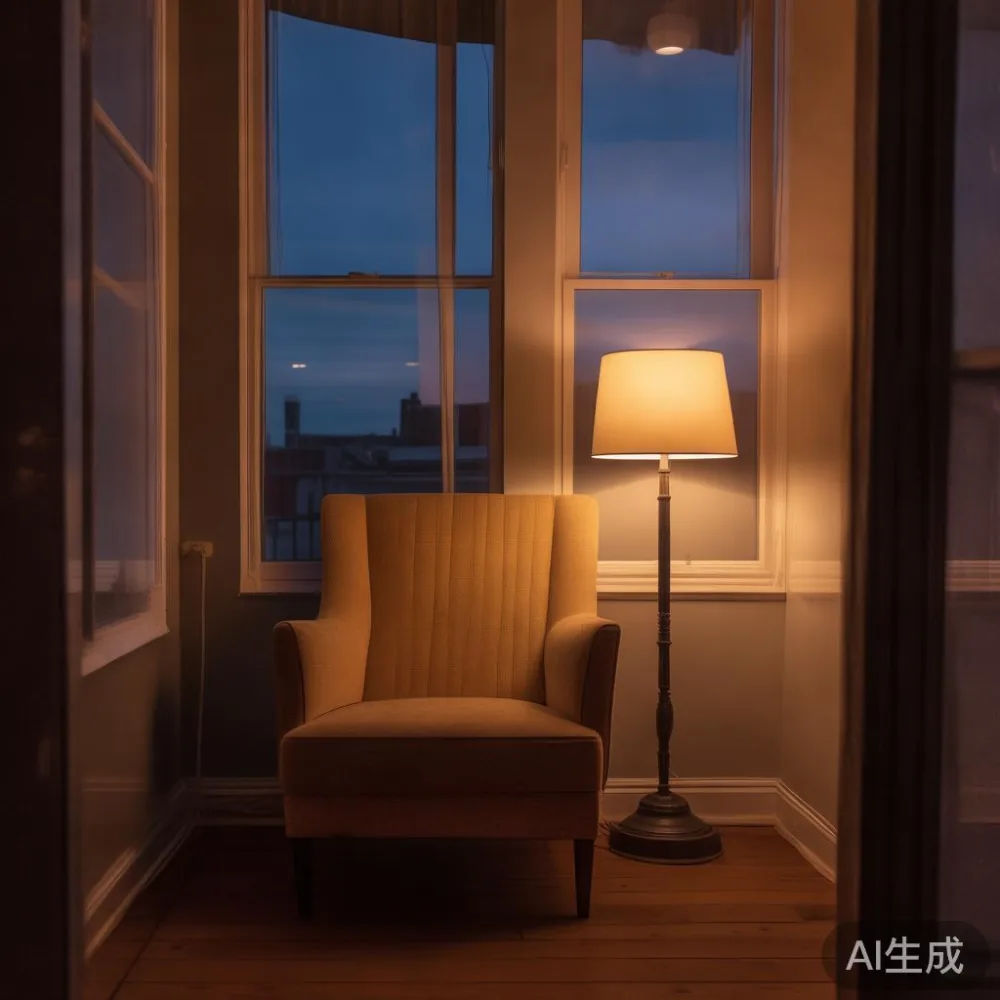
The central piece is usually the accent chair. One well-proportioned accent chair can complete a living corner, soften the geometry of a solid wood sofa, provide useful seating in a bedroom, or introduce colour beside a dining table. The goal is not to fill every gap. It is to create enough contrast that the room feels intentional.
MIDHILL designs solid wood furniture for warm, light-luxury homes, including accent chairs that work with both restrained Scandinavian forms and more sculptural post-modern silhouettes. Their practical details matter in local homes: solid timber construction, a 10-year structural warranty, lifetime refinishing, and 14-day returns. Delivery is free above US$350, while Singapore orders are quoted in SGD and shown with GST where applicable.
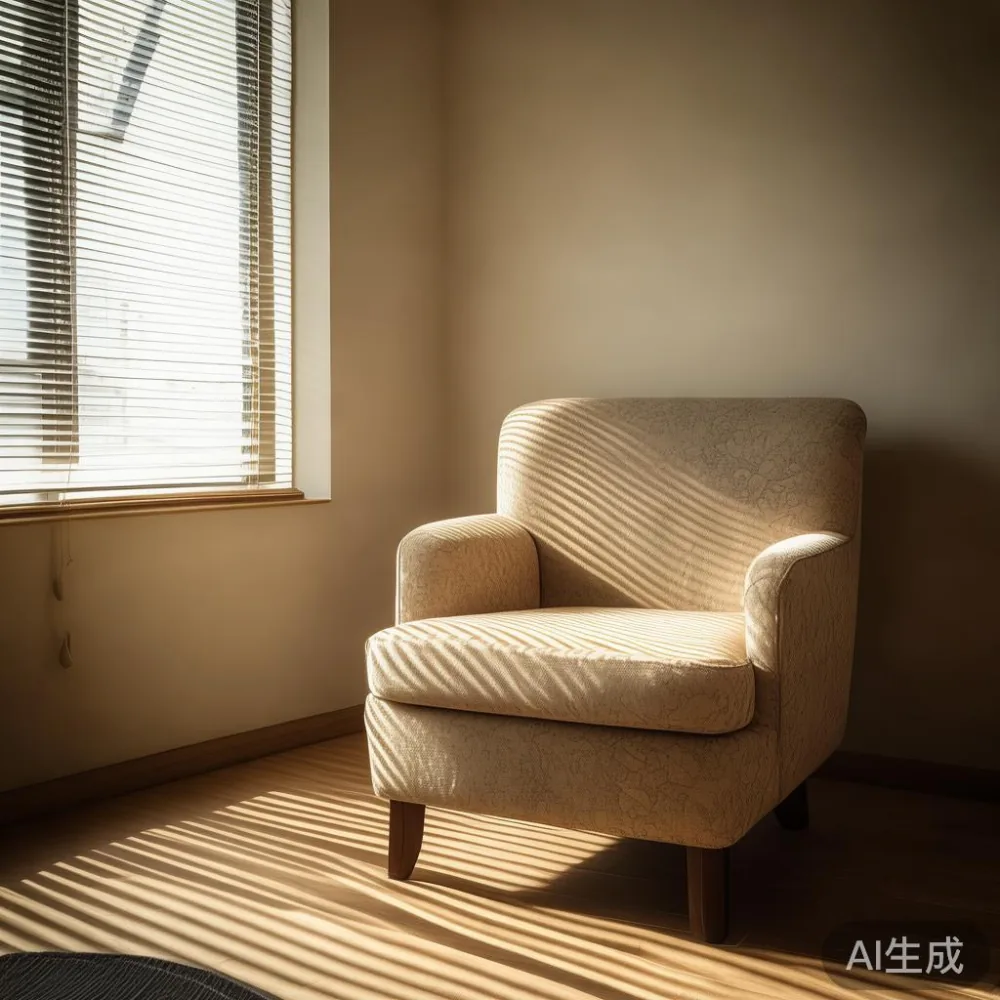
What makes a warm minimal interior feel inviting?
Minimalism depends more on proportion, texture, and spacing than on a short list of colours. A practical warm palette begins with off-white, oatmeal, sand, light greige, or pale beige walls. Add one timber tone rather than several competing wood colours. The floor may already be warm brown tile or engineered timber, so consider that before bringing furniture into the room.
Limit large patterns and reserve texture for close viewing. A wool or cotton seat, a woven throw, a matte ceramic lamp, and lightly grained timber provide variation without visual noise. Metal should be used sparingly: a slim brass lamp may warm a cool-grey room better than black hardware on every piece.
Concrete numbers help prevent an overfilled layout. In a typical 3-room HDB living room with a usable 330 cm-wide seating zone, leave about 85–95 cm between the front of a solid wood sofa and the edge of a coffee table. A 70–80 cm coffee table leaves roughly 40–45 cm of comfortable circulation. In a Punggol condo living room with a 4.2 m wall, a 220–240 cm sofa can sit centrally without crowding a 90–105 cm accent chair placed at an angle.
Keep the primary visual masses low. A 42–46 cm-high side table beside a 78–84 cm-high dining table can provide continuity, while a floor lamp of approximately 150–165 cm adds vertical rhythm. Curtains should reach close to the floor, ideally within 1–2 cm, and their largest folds should remain narrow and relaxed.
How do you choose an accent chair for a warm minimal room?
An accent chair should answer the room’s practical needs before you decide on a statement shape. Is it for reading beside the window, occasional dining-table seating, a bedroom corner, or simply balancing the room’s visual weight? Measure the clear floor area and the route from the lift to the living space. Standard HDB lift doors are commonly around 80–90 cm wide, with corridor sections that can be narrow at turns, so the chair’s carton dimensions deserve checking before delivery.
A useful starting point is a chair around 75–85 cm wide and 78–86 cm high. The seat is often 42–48 cm above the floor, allowing an adult to sit and rise comfortably. Its depth may range from 72–88 cm, but a lighter frame can be easier to move through a corridor. Check that the assembled width is no greater than the intended turning space and confirm the packed dimensions for lift access.
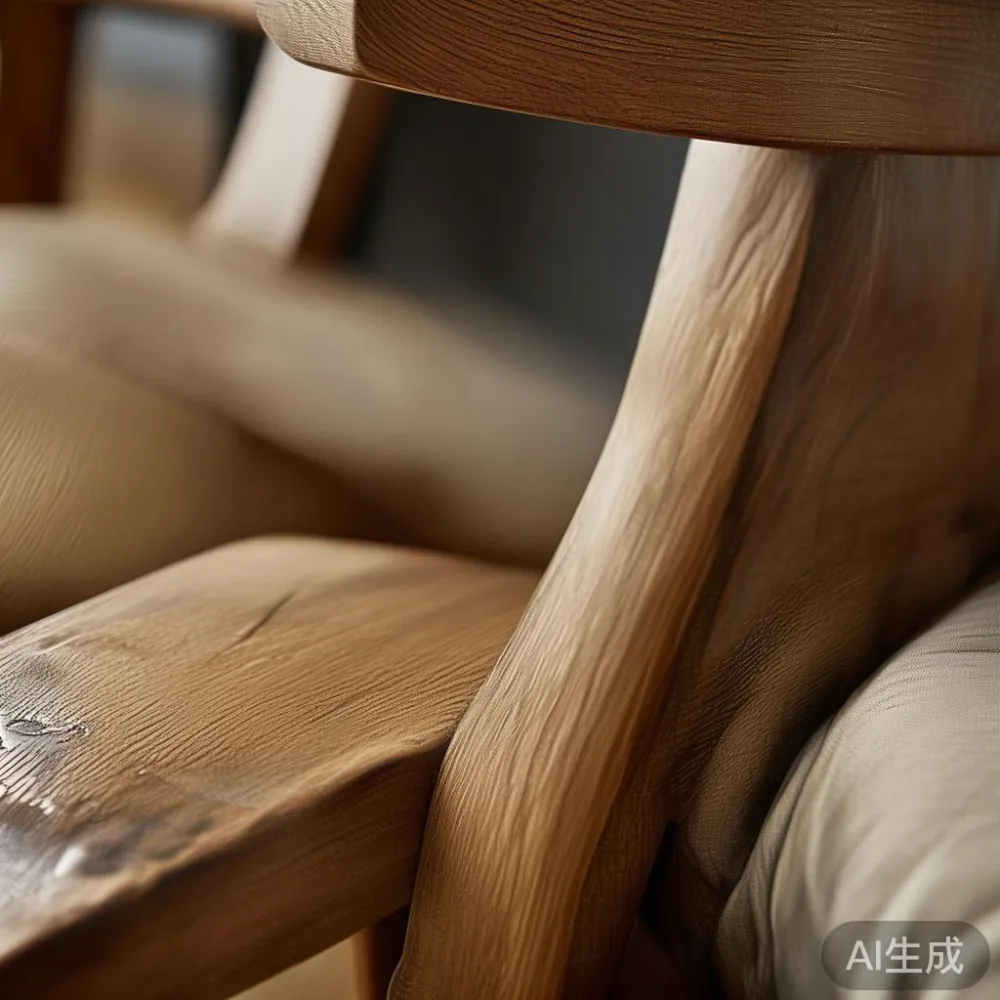
Warm minimalism benefits from one clear material story. A solid oak or ash accent chair with a cream upholstered seat bridges pale walls and darker floors. Walnut or teak adds contrast, particularly beside a beige sofa, but it should not be repeated in many unrelated pieces. If the room already contains a dining table and bed frame in the same wood, a neutral upholstered accent chair may create better balance.
Silhouette matters too. A low, rounded chair introduces softness; a straight-backed chair creates order; a lightly curved post-modern design adds character. French light luxury often favours curved arms, tailored upholstery, and a refined but relaxed stance. American light luxury leans toward clean lines and generous proportions. For a compact Singapore interior, the restrained option usually has the advantage, while a sculptural chair can work as the room’s single focal point.
Which accent chair works beside a solid wood sofa?
Start by comparing visual weight. A broad solid wood sofa with a 210–240 cm width needs either a chair with a distinctive profile or a more delicate frame. If both are visually heavy, the corner can feel crowded. The accent chair can instead be 10–20 cm narrower than the sofa’s depth and use its angle to create a conversational grouping.
Colour matching should happen at the level of undertone. An oatmeal seat against a warm beige sofa produces calm continuity; forest green, muted rust, warm charcoal, or dusty blue introduces a controlled focal accent. Avoid matching every textile exactly, because that can flatten the composition. One repeated tone in the rug or cushions is usually enough to connect the chair to the larger scheme.
For material contrast, pair timber with fabric, woven fibres, or matte leather rather than high-gloss finishes. If the sofa has visible grain, choose an accent chair with smooth upholstery and a simple frame. If the sofa is upholstered in plain boucle, a solid oak chair can provide structure. A marble table beside the sofa may also need a less reflective chair nearby so the room does not compete with too many shiny surfaces.
Leave enough space for movement. Around an open armchair position, maintain approximately 60–75 cm of clear circulation on the occupied side. A chair placed at a 30–45 degree angle often looks more natural than one squared to the sofa. In a narrow living room, rotate it only as far as the room permits and pull it slightly forward to reduce the visual gap.
What should I consider when matching furniture across a bedroom?
A bedroom benefits from an accent chair only when there is a genuine function for it: dressing, reading, placing a tray, or creating a short pause point near a window. Avoid using the chair as decorative overflow. In many HDB flats, the living room already carries enough visual work, and an unnecessary bedroom chair can make a 3-room flat feel busier than it is.
For a master bedroom with a 160 cm bed frame, a chair positioned at the foot should leave at least 60 cm between the bed edge and the chair’s nearest point. A 45–55 cm-wide nightstand usually fits better than a bulky cabinet. Keep the chair within the same warm tonal family as the bed frame and curtains, then introduce contrast through its seat colour or shape.
If you are researching how to choose Japanese bed, focus on the room’s dimensions, storage, and daily routine rather than on a label alone. A low Japanese-style platform can suit a compact bedroom, but a 20–25 cm mattress still needs space to sit and to be changed. Clearances of at least 60 cm on one long side are a sensible starting point. The bed frame should coordinate with the accent chair through timber tone or silhouette, not identical detailing.
Wardrobe planning is equally important. If you are searching for guidance on how to style light luxury wardrobe in room, treat the wardrobe as a calm architectural plane and let smaller pieces provide texture. An accent chair in oatmeal, camel, or warm taupe can soften a large flat surface. A marble table in the bedroom may introduce polish, but it should be modest—around 40–55 cm wide—and placed where it does not obstruct the bed or wardrobe opening.
How can dining furniture and an accent chair share the same room?
In an open-plan HDB or condo layout, dining and living zones can feel connected without merging into one crowded arrangement. Repeat one or two colours across the zones, and use the accent chair as a bridge. For example, a solid wood dining table in medium oak could face a solid wood sofa in a light oatmeal finish, while the accent chair uses the same oak frame with a darker taupe cushion.
Scale the dining table to the room rather than the number of guests alone. A rectangular table of 160–180 cm by 80–90 cm generally seats 4–6 people with about 55–60 cm per place setting. A round table of 105–120 cm can make a tighter zone more fluid, but check whether a fully pulled-out chair will still leave a practical route to the balcony or kitchen.
When a dining chair is already visually detailed, choose a simpler accent chair for the living area. Conversely, a sculptural accent chair can balance a very plain dining set. Avoid placing both directly opposite one another if their backs are ornate, because repeated curves can make the centre of the room look unsettled.
Post-modern light luxury can be useful here because it mixes familiar forms with unexpected details: a clean timber structure paired with a gently shaped back, a conventional footprint finished with a tapered leg, or a low profile lifted on slender supports. For anyone considering Post-modern for guest room, use one such piece in a spare room rather than turning the entire space into a themed showcase.
For broader planning, top 10 Minimalist furniture lists can provide useful categories to compare, but measurements and sightlines matter more than a fixed ranking. A piece that looks right online may be wrong if its width reduces a corridor by 20 cm or its colour clashes with existing stone flooring.
How do you keep a warm minimal home practical?
Minimal rooms need storage to remain comfortable. The beauty of a solid wood sofa, bed frame, dining table, wardrobe, nightstand, or marble table is stronger when each piece has a clear purpose. Use closed storage for visual clutter, but leave one surface intentionally accessible. In an open wardrobe, folded clothing and boxes can create uneven shapes; a low tray and a small lamp are enough to make the arrangement feel composed.
Light the room in layers. A ceiling fixture provides general light, while a 145–160 cm floor lamp beside the accent chair supports reading. A 35–45 cm table lamp on a nightstand creates a warmer pool of light. Aim for warm-white lamps around 2700–3000 kelvin, and keep cords out of circulation paths with clips or low-profile cable channels.
Acoustic comfort deserves attention in Singapore’s hard-surfaced apartments. A rug of roughly 160 × 230 cm can define the seating area under a 210 cm sofa, although every rug edge should sit fully on the floor. Curtains, cushions, and fabric upholstery help absorb sound. Avoid relying on very thin decorative pillows alone for comfort; choose an accent chair with a supportive back and a seat firm enough for daily use.
Material care is another practical issue. Solid wood may move slightly as humidity changes, so leave around 3–5 mm between a wardrobe side and a wall where installation allows. Wipe timber with a damp cloth and avoid standing water. A lifetime refinishing service can extend the life of a chair or table, but protective habits still matter. For upholstery, check the care code and test any cleaning product on a hidden area.
What questions should I ask before ordering an accent chair?
Ask for the assembled dimensions, the seat height, the material under the finish, the weight, and the packed dimensions. The weight should be manageable for your household: a chair around 12–18 kg is usually movable by one adult, whereas a heavier timber chair may need two people. Confirm the delivery route from the lift to the room and whether the chair can be separated from its cushions for carrying.
Local pricing should be transparent. In Singapore, the final amount should be shown in SGD and include GST where required. For a typical solid wood accent chair, a sensible planning range may be around SGD 650–1,500 depending on timber, joinery, upholstery, and finish, though individual designs will vary. Delivery timelines should also be stated clearly; allow roughly 5–12 working days for stocked or regularly produced pieces and more for made-to-order work. Custom lead times may extend to 8–12 weeks, so confirm the date in writing.
Check the warranty and after-sales terms before payment. A 10-year structural warranty can provide useful long-term reassurance, while a lifetime refinishing policy should explain what is covered and how the service operates. Returns are easier to judge when the condition is defined, so review the 14-day return terms and ask about assembly, fabric approval, and access issues.
Last month I visited a renovated 4-room condo in Bedok with a long, narrow living-dining area. The owners had already placed a large cream sofa and a medium-oak dining table, leaving one awkward corner near the corridor. We tested an accent chair with a 76 cm width, 45 cm seat height, and 14 kg weight. Its warm grey woven seat connected with the sofa, while the slim timber frame related to the dining table. After rotating it 25 degrees, it occupied the corner without blocking the 82 cm passage. That small adjustment made the room feel more balanced than adding another cabinet would have.
The best starting point is simple: measure the room and the delivery route, choose one accent chair with a clear function, and connect it to the existing materials through either colour or shape. Warm minimalism succeeds when the furniture feels calm at a distance and rewarding up close. If you are comparing styles such as best French provincial furniture with cleaner post-modern pieces, look for the option that fits the proportions and rhythm of your home—not the one that merely presents the most elaborate detail.