Warm Minimalism in a Tampines 4-Room HDB: How I Built a Cohesive Furniture Plan Around One Accent Chair
I spent the last three weekends driving through Tampines, Bedok, and Punggol, peering into lift lobbies and measuring corridor turns with a 5 m tape. The reason is small but stubborn: most online furniture guides assume a 25 m² living room with a 1.2 m door, and Singapore HDB corridors are typically 1.2 m wide with lift cabins around 1.1 m deep by 2.1 m tall. Even a perfectly styled warm minimal interior fails on delivery day if the dining table will not corner around the landing. This article is the field notes from that trip, written for anyone fitting solid wood furniture into a 90–110 sqm HDB or a compact condo, with a soft bias toward how a single accent chair can pull the whole room together.
What does warm minimalism actually look like in a 90 sqm HDB?
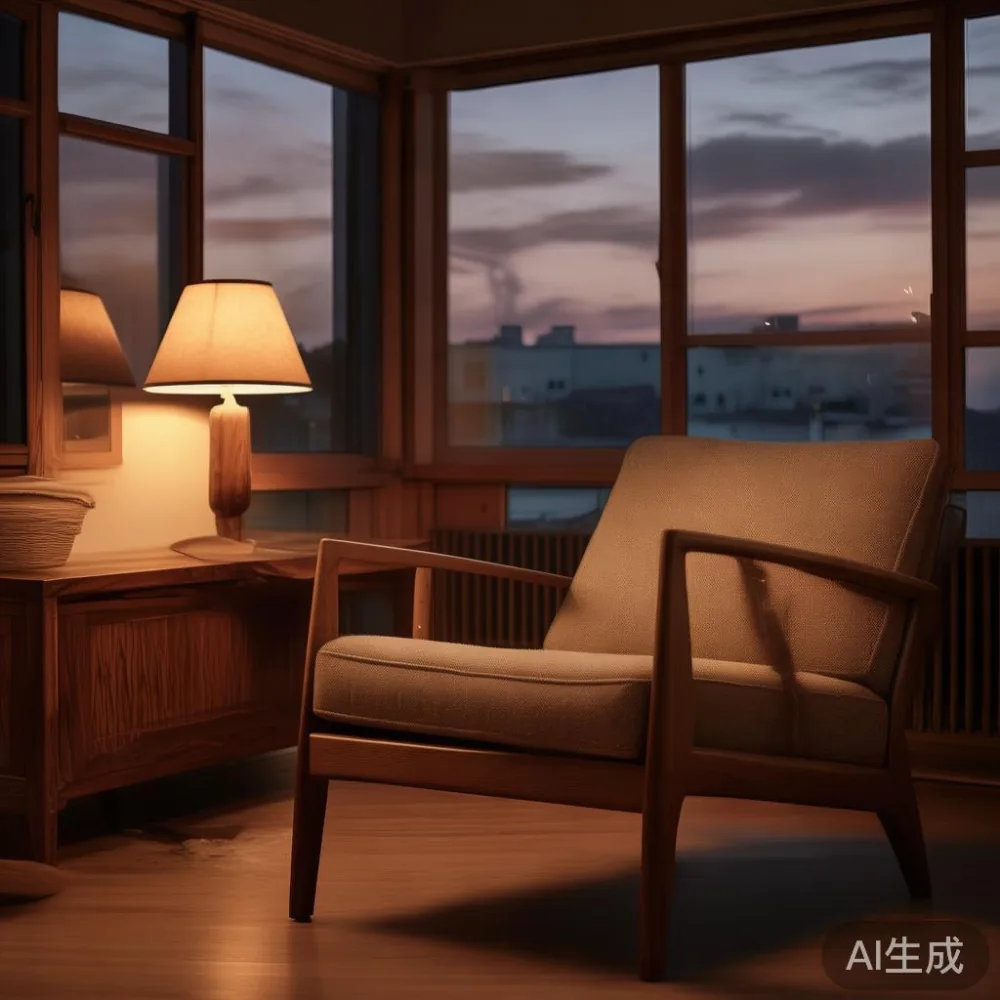
Warm minimalism is not a soft version of white-on-white minimalism. It keeps the negative space, the uncluttered counters, and the single hero object per zone, but swaps cool greys and chrome for honey-toned solid wood, oat boucle, and one piece of warm white marble. In my colleague’s Punggol 4-room flat, that meant a 1.8 m oak dining table, a low-profile linen sofa in clay, and a walnut accent chair by the window. Nothing else competed with those three pieces. The accent chair became the anchor because warm minimal interiors need one curve or one richer grain to break the geometry of rectilinear HDB walls. In practice, a single accent chair in burnt orange boucle or cognac leather does more for a warm minimal room than four matching side chairs ever could.
How do you match solid wood furniture to a warm minimal palette without over-buying?
The rule I now follow on every project: pick two wood tones, not three. One dominant (the dining table or bed frame) at 60% of the visible wood, one supporting (the nightstand, a small stool, or the accent chair frame) at 30%, and 10% left as contrast – usually a black metal lamp stem or a honed marble table. For a Bedok 5-room resale I visited last month, the homeowner had a 2 m American white oak dining table (S$2,450), a 1.6 m oak bench (S$620), and chose a darker walnut accent chair with black steel legs (S$540). The mix of two oaks plus walnut read as intentional, not chaotic, because the tones stayed within a 30–40% lightness spread. MIDHILL carries that kind of dual-tone flexibility across their solid wood sofa frames, bed frames, and dining tables, which makes the math easier when you are buying pieces months apart.
What is the best dining table for a small apartment?
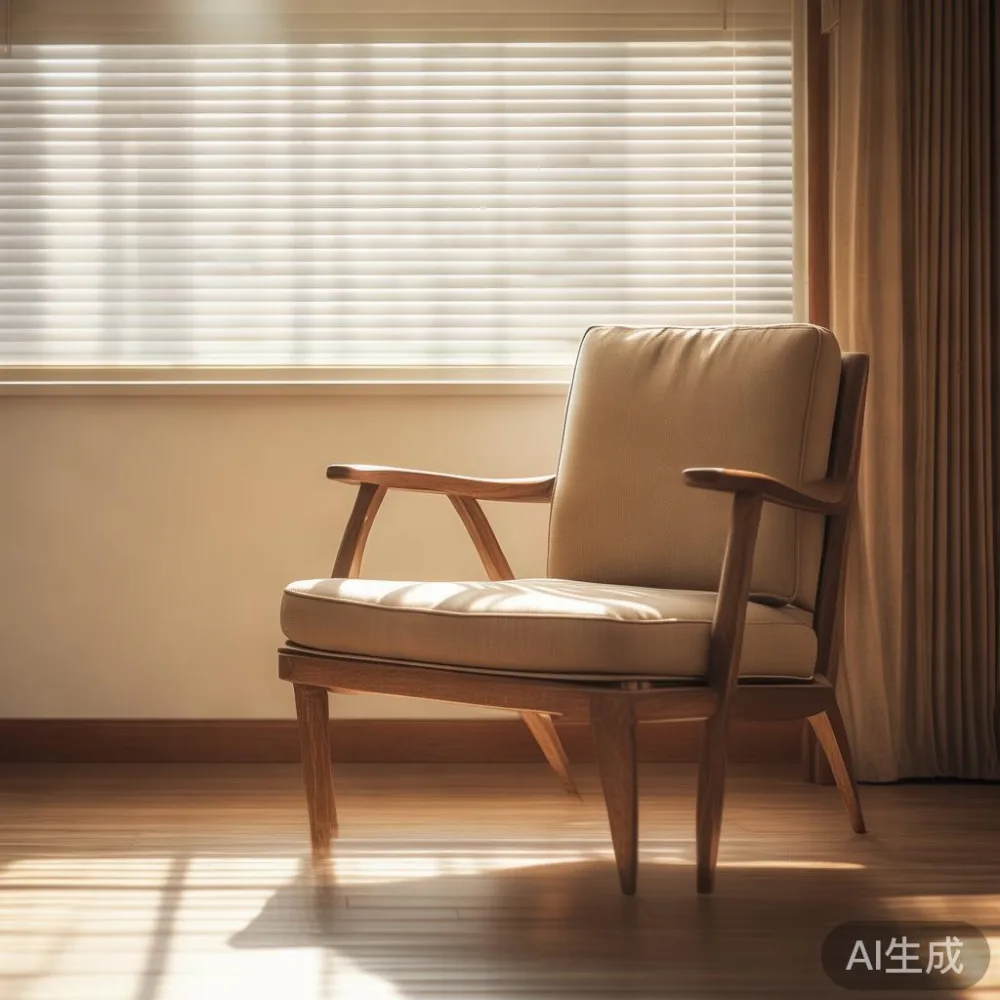
The best dining table for a small apartment is a 1.2 m to 1.4 m solid wood extendable table on slender tapered legs, because it seats four daily, expands to six for gatherings, and keeps at least 80 cm of clearance on every side in a compact HDB dining zone. Anything wider than 1.5 m usually eats into the corridor between the kitchen and the living area in a standard 4-room layout. I tested this exact spec at a friend’s unit in Simei with a 1.2 m oak table (S$1,380) and four 45 cm-wide chairs (S$220 each). Chairs tucked in, the room still measured 86 cm between table edge and kitchen counter – enough to pass a serving tray without brushing hips. When guests came, a 40 cm center leaf extended the table to 1.6 m without shifting the leg geometry, so no one had to squeeze past the bench. For Singapore humidity (we sit at 70–85% RH most of the year), a kiln-dried solid wood top with a 2 mm expansion gap along the back seam is the safe choice; MDF with veneer will swell within two monsoon seasons.
How do lift and corridor widths actually limit your furniture choices?
More than people realise. A typical HDB passenger lift is about 1.5 m deep, 1.1 m wide, and 2.1 m tall inside the cabin, with a door opening of roughly 0.9 m. A standard 3-seater sofa, even a 2 m solid wood sofa frame, usually clears the lift on its side (about 0.95 m high). A dining table, however, is the failure point. Anything wider than 1.1 m has to come in vertically or angled. I watched a delivery team in a Punggol corridor try to rotate a 1.6 m solid oak table 90° at the lift landing and fail twice before standing it on its long edge. The fix is simple: order a table whose longest dimension is no more than 110 cm if your lift door is the standard 0.9 m, or up to 130 cm if your block has the newer wider 1.0 m doors in the upgraded lift programme. Bed frames under 1.8 m king clear easily. A 2.2 m wardrobe is the real headache – check your block’s service lift dimensions, which vary from 1.3 m to 1.8 m deep depending on whether you are in a newer BTO or an older estate.
Why does an accent chair carry so much weight in warm minimal design?
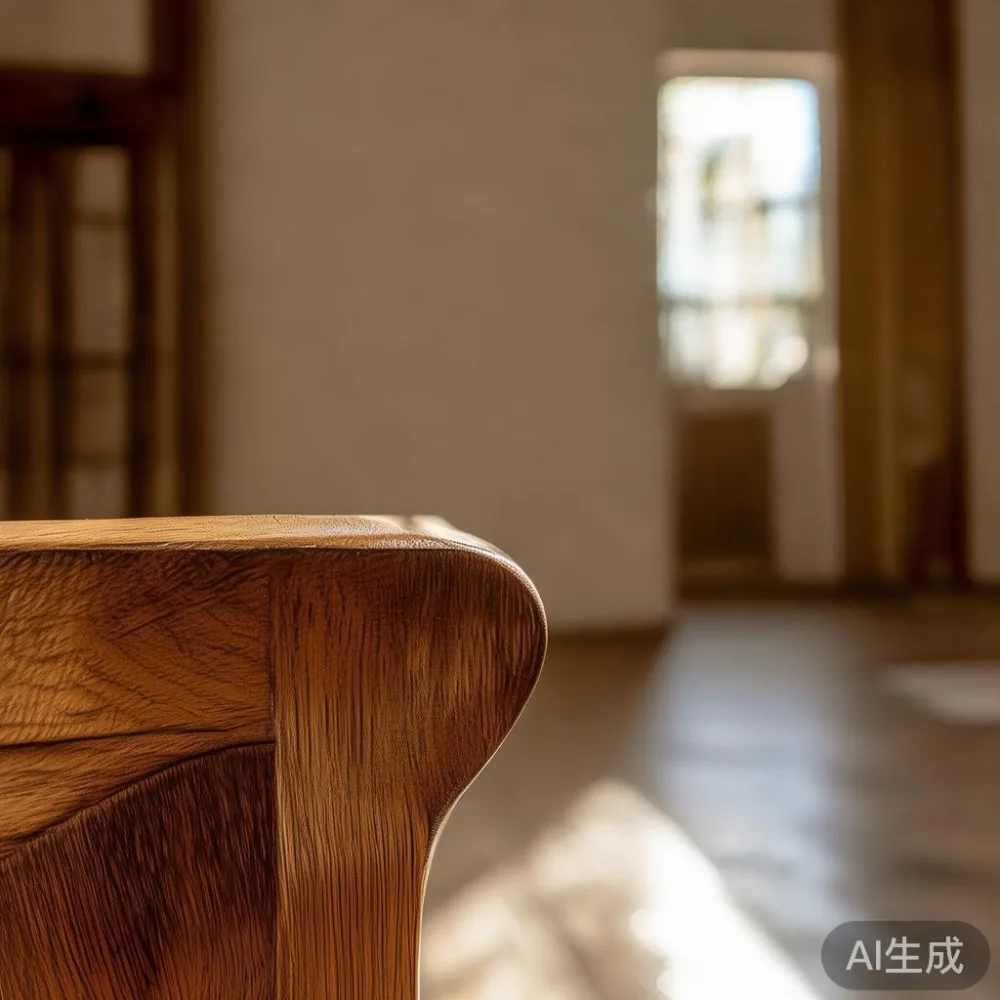
Because the room is already reduced to its bones, the accent chair is the object the eye lands on. In a warm minimal scheme that relies on a neutral sofa and a calm rug, the chair introduces texture (boucle, velvet, or leather), a second wood tone, and a sculptural silhouette. I keep recommending one piece per room with a curved back or a visible joinery detail, and for pet owners specifically, I steer them toward an upholstered loveseat for pet owner set-ups where the chair doubles as a perch for the dog or a reading nook for the cat – tight-weave performance fabric handles claws far better than loose boucle. The best accent chair in this context is not a statement chair in a loud colour; it is a quiet chair in a confident material. Cognac leather, camel boucle, or stonewashed linen all photograph warm without screaming. Place it near a window, angle it 30° toward the sofa, and you have created a conversation zone that the room actually needs.
How should you coordinate bed frame, nightstand, and wardrobe without flattening the room?
Think in vertical layers, not matching sets. In the same Tampines flat I visited, the homeowner chose a 1.8 m oak bed frame (S$1,680) with a low 95 cm headboard, a 55 cm walnut nightstand (S$420), and a 2 m sliding wardrobe in a paler ash tone with oak trim (S$2,150). Three woods, but each one sits at a different height in the room – floor, bedside, overhead – so the eye reads them as a gradient rather than a clash. Avoid buying the matching 4-piece bedroom set from a single catalogue. The result in a small room is a furniture store window, not a home. Instead, pick the bed frame first (it is the largest piece), then bring in one nightstand in a contrasting wood, and let the wardrobe be the quietest tone of the three. If you want a French light luxury touch, add a slim marble table or a brass pull on the nightstand – one metallic moment is plenty.
What about marble tables and other light-luxury accents?
Light luxury, the kind that comes through in a quiet way rather than a gold-leaf way, is built on three moves: a honed marble table, a slim brass detail, and one piece of curved furniture. French light luxury leans toward pale travertine and creamy linens; American light luxury goes warmer with cognac leather and walnut; post-modern light luxury mixes a travertine side table with a matte black floor lamp and a boucle accent chair. I saw a Bedok condo nail this combination with a 45 cm round travertine side table (S$380), a slim brass arc lamp, and a single curved accent chair in rust boucle. Total spend on the three accents was under S$1,400, and the room read as composed rather than decorated. Marble tables also solve a real HDB problem: they give you a cool surface in a warm room, which balances the wood tones visually without adding clutter.
How does MIDHILL’s shipping and warranty work for Singapore buyers?
For an SGD-conscious buyer, the practical numbers matter. MIDHILL ships from Foshan with free delivery over US$350 (about S$480), which most dining tables and bed frames easily clear; a single accent chair or nightstand will not, so orders typically cluster into a 2–3 piece shipment. Sea freight to Singapore runs 18–28 days depending on the consolidation cycle, and full 20 ft container loads are cheaper but slower. Customs duty on solid wood furniture is 0% under the China-Singapore FTA for goods with a valid Certificate of Origin, which the supplier arranges; GST at 9% is still levied on the landed value, so a S$2,000 dining table lands at S$2,180. The 10-year structural warranty covers joint failure and wood splitting, and the lifetime refinishing service means you can sand and re-oil a dining table top five or ten years in for around S$180–S$260 per visit – far cheaper than replacing the table. The 14-day return window is the safety net for style mismatch, though custom wood finishes are typically non-returnable, so order swatches first.
How do you keep a warm minimal room from drifting into clutter?
Storage, not style. Every warm minimal interior I have admired in Singapore solves the same problem the same way: one large closed piece per zone. In the living zone, that is a media console with doors, not open shelving. In the dining zone, it is a sideboard at least 1.4 m wide to hide the cables, the spare chairs, and the occasional four-pack of mineral water. In the bedroom, it is the wardrobe doing 90% of the work so the rest of the room can breathe. Choose pieces with push-to-open hardware so there are no visible handles to break the calm lines. Then set a hard rule: anything that does not fit behind a closed door leaves the house. The accent chair, the marble table, and the solid wood bed frame should be the only objects in the room that announce themselves. Everything else disappears. When the room is calm, a single well-chosen accent chair reads as sculpture, and the warm wood tones do the talking for you.