What to Check Before Buying a Sofa You Cannot Sit On
I learned this lesson in a Tampines HDB flat last month. My colleague had ordered a beautiful three-seater from an Instagram-only reseller, and the day the two delivery men rolled the box out of the cardboard, it would not fit through her 90 cm corridor door. They tried for forty minutes, scratched the lift's stainless-steel panel, and eventually left the sofa in the corridor of the 12th floor. She ended up paying another S$180 to a third-party courier with a hoisting cradle just to bring it through a side window. The sofa was gorgeous, but the buying experience turned into a small financial wound.

That is the problem with buying a sofa you cannot sit on first. In Foshan, where MIDHILL has been building solid wood furniture since 2008, every showroom floor lets you sink into a sample. But when you order online from Singapore — sometimes shipped directly from the factory, sometimes from a regional warehouse — the cushion density, the frame rigidity, and the fabric hand-feel are all things you must judge from a spec sheet and a swatch the size of your palm. Get any one of them wrong and you are stuck with 80 kg of regret blocking your lift lobby.
So I built a checklist. It is the same one I now run through before I click pay on any upholstered piece, whether it is a solid wood sofa, a dining table, an accent chair, or even a wardrobe destined for a spare bedroom. If a brand cannot answer at least eight of these nine questions with numbers, I walk away.

1. Will the box actually pass through your lift and corridor?
This is where my colleague's story started, so it is where this list starts too. Most Singapore HDB blocks run lift cabins of about 1.1 m wide by 1.4 m deep, with door openings around 0.9 m. Premium condos in Punggol or Bedok sometimes have wider lifts (1.5 m by 1.8 m), but you should never assume. Measure the diagonal of your lift floor and your corridor turning circle before you fall in love with any sofa over 2 m long. A 2.4 m three-seater packed flat in a long box can easily measure 240 cm by 95 cm by 60 cm — already too long for some HDB lift doors.
Ask the seller for the packed carton dimensions, not just the assembled sofa dimensions. Ask whether the sofa ships KD (knocked-down) in one carton or two. Ask if the feet come off to reduce height. A good export-grade brand like MIDHILL will list every box on the invoice. If a seller can only give you assembled dimensions and mumbles about "standard packaging," assume the worst and add 15 cm to every figure in your head.
2. What is the frame made of, and how is it joined?
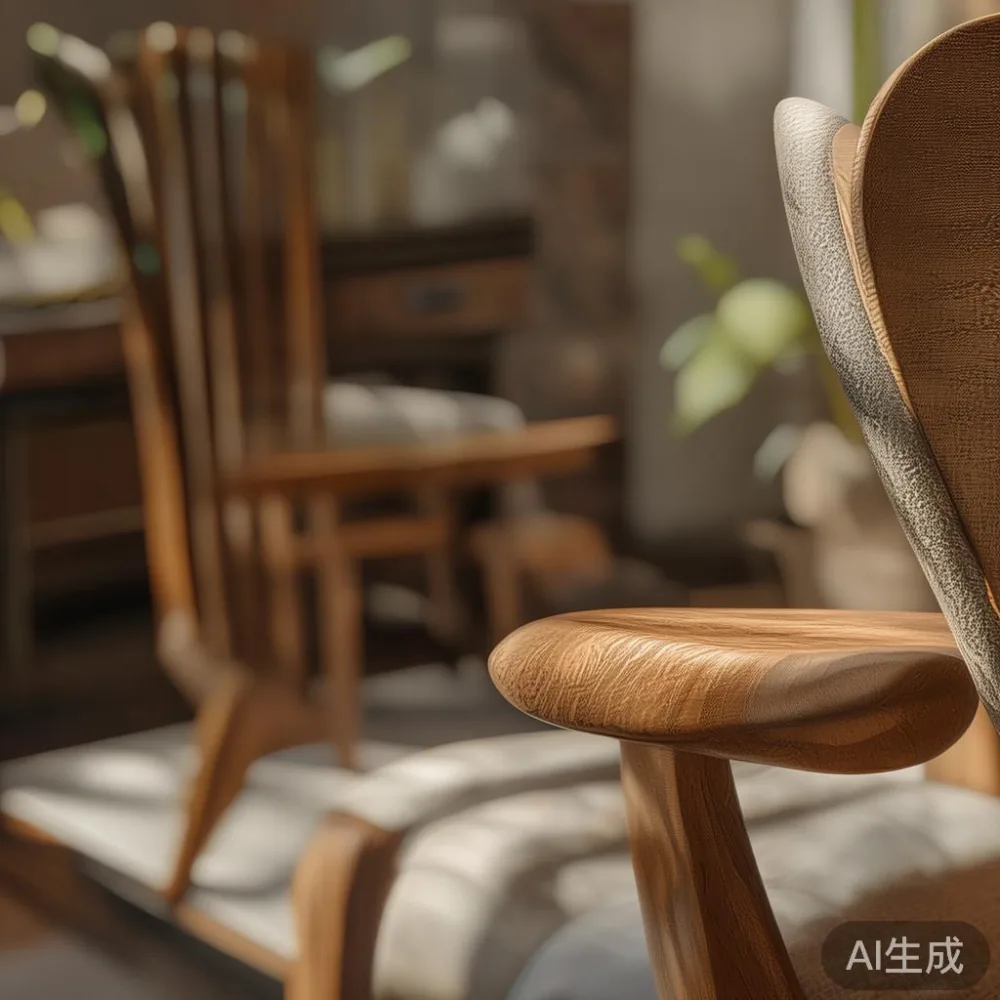
A sofa you cannot sit on is really a frame you cannot knock on. The two commercial-grade answers are solid hardwood (often rubberwood, beech, or ash from managed European or North American forests) and engineered plywood with a hardwood veneer. Inside an HDB living room where the humidity swings between 22 °C air-con and 32 °C afternoon thunderstorms, solid wood sofa frames breathe less than plywood but weigh more — typically 45 kg to 65 kg for a two-seater, compared with 30 kg to 40 kg for an equivalent plywood frame.
Look for mortise-and-tenon joints or corner blocks glued and screwed, not just staples and brackets. Ask if the frame carries a warranty in writing. MIDHILL, for example, backs its structural frame for ten years against breakage — a number you can write down and compare. A brand offering only one or two years is telling you something honest about how long they expect the joints to last under daily use by a family of four.
3. What sits under the cushions?
There are three honest answers: high-resilience foam, down-wrapped foam, or a sinuous spring + foam combo. Anything described as "luxury foam" with no density number attached is a red flag. You want foam density between 28 kg/m³ and 35 kg/m³ for daily seating. Anything below 25 kg/m³ will bottom out within 18 months.
Spring systems matter too. Eight-way hand-tied coils are the gold standard in American light luxury upholstery, but they add weight (sometimes 15 kg extra) and cost. Sinuous "S-spring" or no-sag springs are the practical Singapore choice — they keep the seat firm, ship flatter, and survive the humidity. For a post-modern light luxury look with low, deep seats, expect foam-only construction; just make sure the core foam is at least 32 kg/m³ and wrapped in a softer topper if you want that "sink-in" feel.
4. What is the fabric or leather, and can you see a swatch?
Any reputable Singapore seller will post a free 10 cm by 10 cm swatch. If they do not, the fabric is probably a generic grey polyester photographed under three different lighting setups. Ask for the rub count (Martindale test) — anything above 30,000 rubs is suitable for daily family use, and 50,000+ is contract-grade.
For genuine leather, ask whether it is full-grain, top-grain, or split. Full-grain on a solid wood sofa frame will outlast the warranty by a decade, but it costs roughly S$1,800 to S$3,500 more than its corrected-grain cousin. If the price looks too clean, it is probably bonded leather — which is in effect polyurethane sprayed onto leather scraps and will peel inside three to four years in our tropical climate.
5. Can you actually try the cushion fill in Singapore?
Even if the sofa ships from overseas, most light luxury brands keep one or two floor-stock pieces in a Singapore showroom or a co-working display space. MIDHILL, for instance, partners with several local interior studios where you can sit on the actual frame before committing. A 20-minute test drive tells you more than any spec sheet — you will feel whether the seat depth suits your height, whether the backrest hits your shoulders, and whether the arm height lets you rest your elbow naturally.
If no local floor model exists, ask for a 14-day return window in writing. Singapore's Consumer Protection (Fair Trading) Act gives you some cover for misrepresentation, but it does not cover "I didn't like the colour." A seller offering 14-day returns — the same policy MIDHILL lists on its Singapore site — is signalling that they expect the product to match the photo.
6. What is the real landed price including GST and delivery?
The sticker price is the lie. The real price is the sticker plus 9% GST plus delivery up the stairs (or into the lift) plus any disposal fees for your old sofa. A S$2,400 sofa becomes roughly S$2,856 with GST. Add a S$60 to S$120 lift-up fee for anything above the third floor without a direct lift access, and you are touching S$3,000 before the first cushion is fluffed.
Check whether the brand offers free shipping above a certain threshold. MIDHILL, for one, ships free above US$350 (roughly S$470), which absorbs most of the GST bump for a single order. Ask whether the delivery team will unpack, position, and remove packaging. A "free" delivery that drops a 60 kg box in your lobby and drives off is not really free — it just transfers the heavy lifting to you and your neighbour.
7. How long will the wait actually be?
Custom upholstery from a Foshan factory typically takes 35 to 50 days from deposit to Singapore door, plus 7 to 10 days for sea customs clearance. In-stock pieces from a regional warehouse can arrive in 7 to 14 days. Always ask for the production window and the shipping window as two separate numbers. A seller who quotes 14 days for an item that is "made to order" is either lying or planning to ship air freight and quietly add a S$400 surcharge to your invoice.
Peak season matters too. Orders placed between September and December compete for container space and often slip by two to three weeks. If you need the sofa for Chinese New Year, place the order by mid-November — or expect to be sitting on your dining table chairs for the reunion dinner.
8. Does the design actually suit an HDB or condo layout?
Open-plan condos in Punggol can carry a 2.8 m American light luxury sectional, but a compact HDB in Bedok is a different game. Measure your living room wall, then subtract 80 cm for walking space and another 60 cm for the coffee table zone. A sofa that fills the remaining wall exactly will look oversized on day one and unbearable by month three.
For tighter rooms, consider a two-seater solid wood sofa at 160 cm to 180 cm wide, paired with a single accent chair on the perpendicular wall. This gives you four seats, two traffic paths, and a clear sightline to the TV. The same brand will usually offer matching bed frames, nightstands, wardrobes, dining tables, and even marble tables — which means you can plan the whole room in one consistent timber tone instead of mixing three different wood grains.
9. Is there an after-sale path for the next decade?
A sofa is a ten-year purchase, not a ten-week purchase. Ask who honours the warranty if the original seller disappears. Reputable Foshan exporters like MIDHILL ship with a 10-year structural warranty and offer lifetime refinishing on their solid wood frames — meaning you can send the wooden arms back to the factory in five years and have them re-stained, re-oiled, or re-lacquered for the cost of shipping alone. This kind of after-sale is invisible on day one and invaluable on day 3,650.
Ask whether replacement cushions, covers, and feet are stocked for at least five years. Ask for a written quote on a single replacement cushion so you know the worst-case number. If the seller cannot give you one, assume cushions are non-replaceable and the sofa has a five-year life, not a fifteen-year one.
What is the difference between Post-modern sofa and modern furniture?
A Post-modern sofa is a modern furniture piece that rejects the strict rules of mid-century modernism — it mixes eras, curves, unexpected colours, and often sculptural silhouettes, while still using modern construction (solid wood frames, high-density foam, performance fabrics) underneath. Modern furniture, by contrast, follows the original modernist creed of "form follows function": clean lines, restrained palettes, exposed structure, and nothing decorative for its own sake.
Do I really need to buy the matching ottoman or footstool?
No, but it solves one specific HDB problem — the lack of a spare seat when relatives visit for Lunar New Year. A matching ottoman stores flat, slides under the sofa when not in use, and converts the chaise end into a guest bed for the night. If your living room is under 18 m², skip the ottoman and spend the budget on a second accent chair instead; you get more flexible seating for the same floor footprint.
What about an oversized chest of drawers for study — should that share the same timber?
If you want the study to feel visually connected to the living room, yes — buy the oversized chest of drawers for study in the same timber species and stain as your sofa frame, dining table, and bed frame. MIDHILL ships most of its storage pieces in matching American oak, ash, or walnut finishes precisely so a Singapore buyer can order a sofa, a wardrobe, a nightstand, and a chest of drawers in one container and have them all arrive in the same colour batch. Mismatched timber is the single fastest way to make a small HDB room look like a clearance aisle.
Final sanity check before you pay
Print this list, tape it next to your laptop, and run every question past the seller in writing — WhatsApp is fine, but a screenshot is better than a phone call. If the brand is solid, they will answer in under 24 hours with numbers, certificates, and a PDF spec sheet. If they answer in emojis and "trust me bro," close the tab and keep looking. A sofa you cannot sit on is only a gamble when you buy it blind; with nine numbers in your hand, it is just a well-measured piece of furniture on a slow boat from Foshan.