The Silent Enemy: How Humidity Shapes Your Solid Wood Accent Chair in Singapore
Living in Singapore means embracing a lifestyle defined by vibrant energy and lush greenery. But this tropical paradise comes with a constant companion: high humidity. For homeowners, especially those in modern HDB flats in Tampines or sleek condos in Punggol, this moisture-laden air presents a quiet, persistent challenge for everything in the home, particularly furniture crafted from natural materials. A beautiful solid wood accent chair, for instance, is not just a seat; it's a piece of living wood that breathes, expands, and contracts with the environment. Understanding this relationship is key to preserving the beauty and integrity of your furnishings.
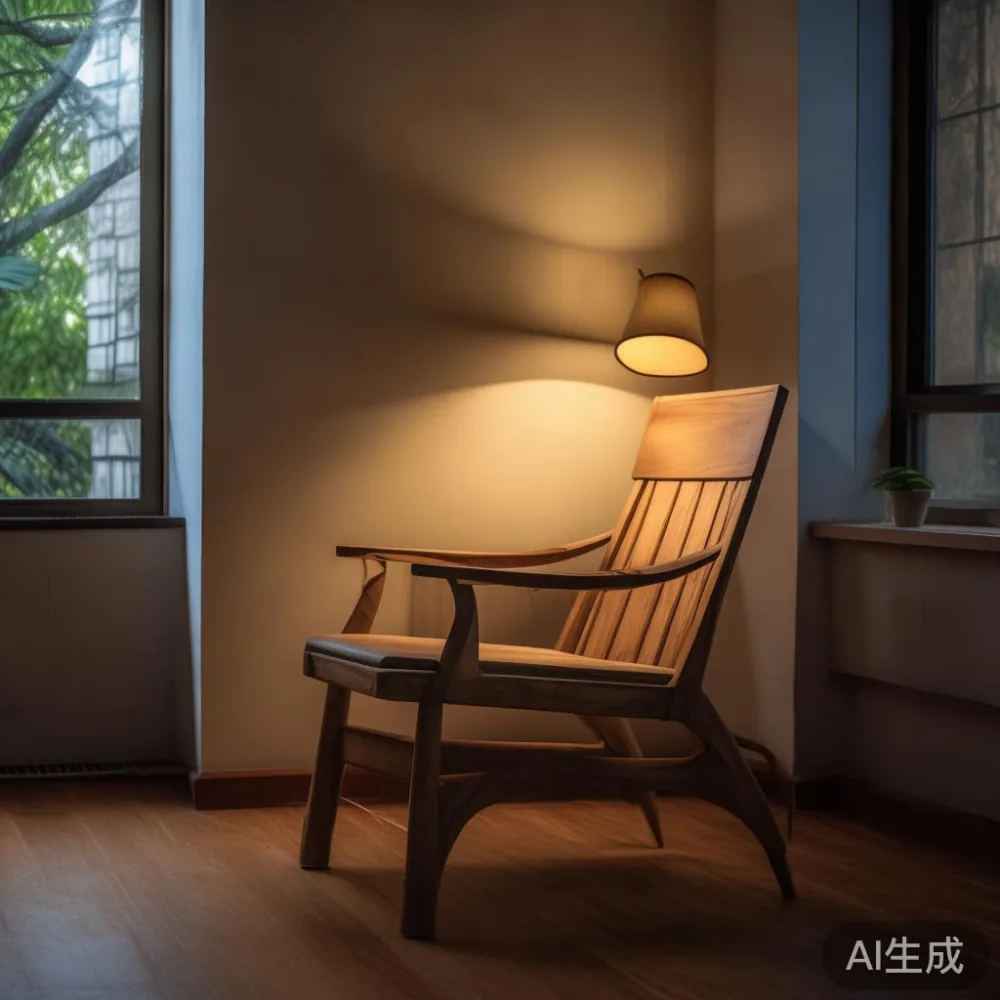
Why Wood Reacts: The Science of Moisture and Matter
At its core, wood is a hygroscopic material. This scientific term simply means it naturally absorbs and releases moisture from the surrounding air. Think of it like a sponge, but one that reacts much more slowly and subtly. In Singapore, the relative humidity rarely dips below 60% and often hovers around 80%, especially during the Northeast Monsoon season from November to January. This constant exposure to moisture causes the wood fibers to absorb water, leading them to swell. Conversely, on drier days or in air-conditioned rooms, the wood releases moisture and contracts. This continuous cycle of expansion and contraction is entirely natural, but when left unmanaged, it can lead to visible and structural issues over time. A well-made accent chair is built to accommodate this movement, but its longevity depends heavily on how you care for it in our specific climate.
How Singapore's Climate Affects Different Wood Types
Not all woods react to humidity in the same way. The density and cellular structure of a wood species determine its stability. Hardwoods like teak, oak, and walnut are generally more stable than softwoods like pine or rubberwood. For example, a solid oak dining table might expand by as little as 1-2mm across a 30cm width with significant humidity changes, whereas a pine table could expand by 3-4mm or more. This difference is why many reputable manufacturers, including those with a focus on light luxury aesthetics, favour stable hardwoods for their collections. A French light luxury-inspired accent chair, often featuring elegant lines and rich, dark finishes like walnut or mahogany, is typically constructed from these more stable species to better withstand the Singaporean climate. The dense grain of these woods is less porous, making them less prone to rapid moisture absorption and the resulting warping or cracking that can affect more delicate pieces.
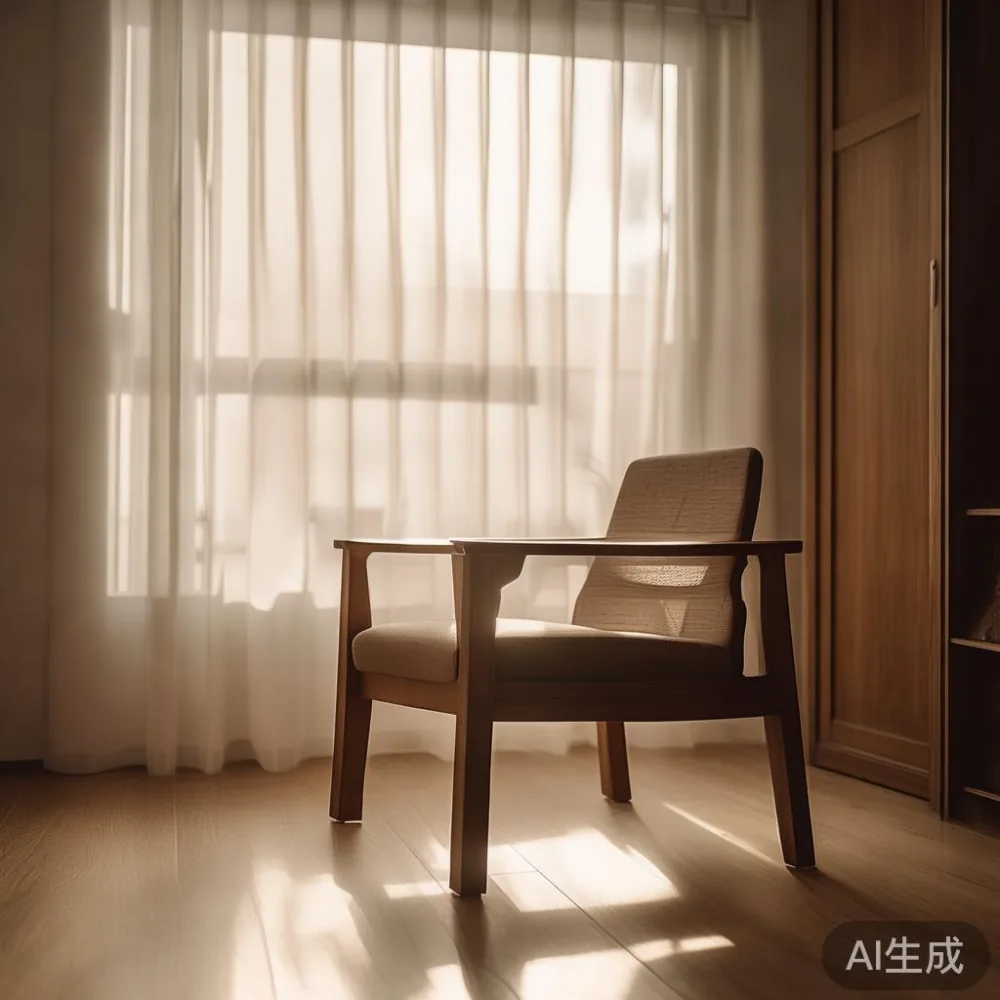
Visible Signs of Humidity Stress on Your Furniture
Ignoring the effects of humidity is a surefire way to see your prized furniture deteriorate. The signs can be subtle at first but become more pronounced over time. One of the most common issues is gapping, where you might notice small lines appearing between the slats of a chair seat or the panels of a wardrobe door. As the wood dries and contracts, these gaps form. Conversely, in very humid conditions, doors and drawers might begin to stick because the swollen wood no longer fits smoothly within its frame. You might also notice a change in the colour of the wood; excessive moisture can cause dark spots or a dull, washed-out appearance as the finish is affected. In extreme cases, untreated or poorly finished wood can develop a whitish, powdery film on its surface, known as 'blushing,' or even begin to show signs of mould, which thrives in damp, stagnant air. These are all clear signals that your furniture is struggling to adapt to the moisture levels in your home.
How do I choose a rattan wicker for a entryway?
The direct answer is to select a synthetic resin wicker over natural rattan for Singaporean entryways. Natural rattan is beautiful but highly susceptible to moisture damage, leading to mould, sagging, and a shortened lifespan. Synthetic resin wicker, on the other hand, is designed to be waterproof, UV-resistant, and incredibly durable, making it the practical choice for our humid climate. When choosing, look for a sturdy frame, preferably made of powder-coated aluminium or solid wood, and ensure the weave is tight and even. This material will maintain its shape and appearance through the constant humidity without the need for special protective treatments.
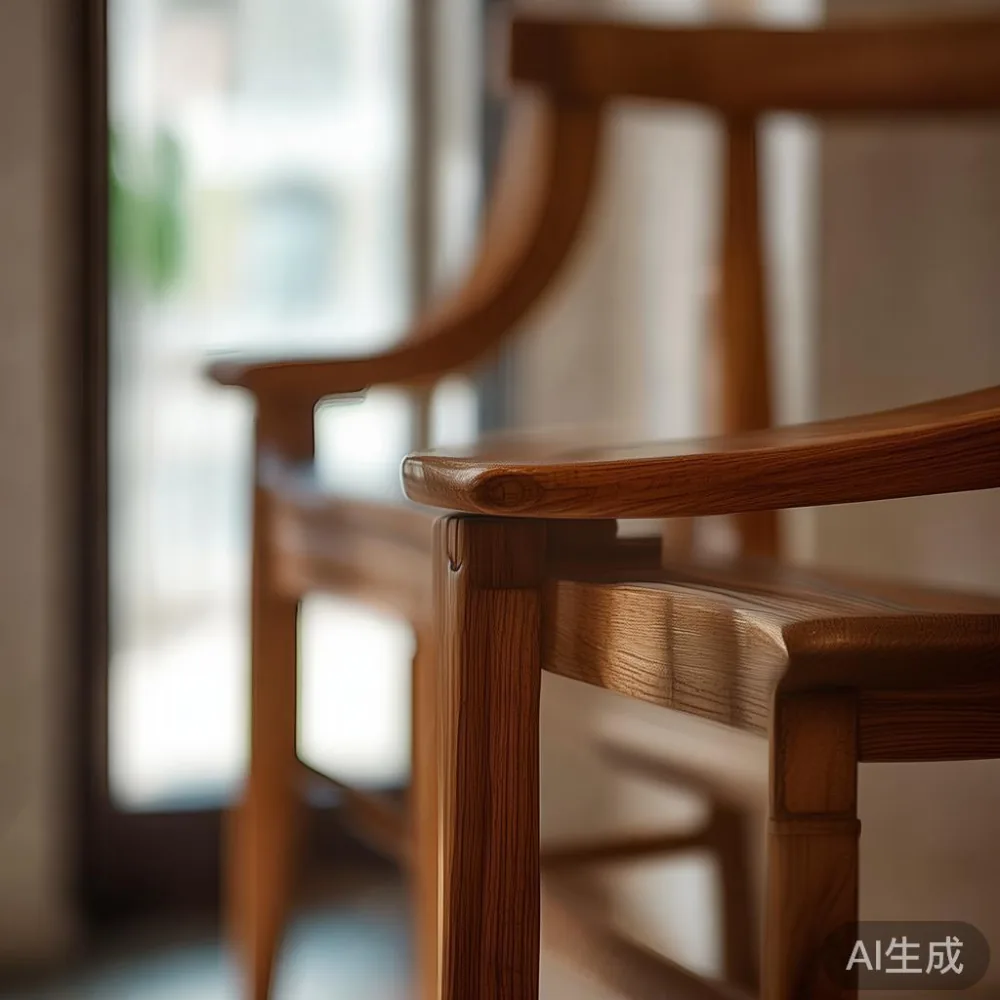
Practical Care for Your Solid Wood Furniture in Singapore
Thankfully, protecting your furniture doesn't require drastic changes to your lifestyle. A few simple habits can make a world of difference. The first and most important rule is to avoid placing furniture directly in front of or on top of air-conditioning units. The constant, direct blast of cold, dry air can cause one side of a piece to contract rapidly while the other side remains stable, creating significant stress on the wood and leading to cracking. Similarly, keep pieces away from direct sunlight, which can dry out the wood and cause fading. Consistency is key. Try to maintain a stable room temperature and humidity level. Using a dehumidifier in particularly damp areas like bathrooms or enclosed balconies can help. For your accent chair, a simple wipe-down with a soft, dry cloth every week to remove surface dust and moisture can prevent buildup. If you must clean a spill, do so immediately with a slightly damp cloth, followed immediately by a dry one to prevent moisture from seeping into the wood.
Finishing and Construction: The Invisible Shield
The quality of a furniture piece's finish and construction is its primary defence against humidity. A high-quality finish, such as a multi-layered lacquer or a penetrating oil finish, acts as a barrier, slowing down the rate at which moisture can enter and exit the wood. This is why a post-modern light luxury accent chair, with its often minimalist form and emphasis on material purity, relies so heavily on a flawless finish to protect the wood's natural beauty. Beyond the finish, the construction method is critical. A well-built chair will use techniques like mortise and tenon joints or dowels with room for the wood to move, rather than relying entirely on glue in a rigid joint. This allows the wood to expand and contract without putting stress on the connections. For larger pieces like a solid wood bed frame or wardrobe, this is even more important. Look for furniture makers who understand these principles, as their pieces are designed to last in a challenging environment.
A Real-World Test: My Colleague's Experience
Last month, I visited a colleague's new apartment in Bedok. He had recently purchased a beautiful American light luxury-inspired solid wood sofa and a matching marble coffee table for his living room. The apartment was lovely, but I noticed a problem. His sofa was positioned directly under a window that he kept open for most of the day to get a breeze. A week later, he called me in a panic. He had discovered a significant crack, about 15cm long, had developed on the armrest of the sofa. The culprit was obvious: the direct sun and humid sea breeze had caused that specific area of the wood to heat up and expand unevenly, while the shaded side remained stable, creating immense internal stress. He moved the sofa away from the window, and while the crack remained, it has not worsened. It was a valuable lesson for him, and for me, in seeing firsthand how quickly environmental factors can impact even high-quality furniture when it's not positioned with care.
Investing in Quality: A Long-Term Perspective
When purchasing furniture in Singapore, it's wise to see it as a long-term investment. While a cheaper, poorly constructed chair might seem appealing initially, it is far more likely to suffer from humidity-related issues, leading to costly repairs or replacement. A reputable brand, one that offers a 10-year structural warranty and a lifetime refinishing service, is implicitly telling you they stand behind the quality of their materials and craftsmanship. This peace of mind is invaluable. It means the wood has been properly selected and kiln-dried to a moisture content suitable for our region, and the construction is designed to withstand the climatic stresses. For example, a well-made solid wood dining table might cost SGD 3,500, but with proper care, it could easily last for decades, becoming a cherished family heirloom. In contrast, a lower-quality table might cost SGD 1,200 but could warp or crack within a few years, making the initial saving a false economy.
Delivery and Peace of Mind in the Lion City
The final piece of the puzzle is ensuring your new furniture arrives safely and is supported after the sale. Reputable companies understand the logistical realities of Singapore. For instance, they will specify the exact dimensions of their products to ensure they fit through standard HDB lift widths and corridor spaces. A large wardrobe, for instance, might have a maximum width of 85cm to work through the common areas of a Tampines flat. They also offer transparent delivery schedules, promising a 7-day turnaround for in-stock items to your doorstep. Also, policies like free shipping for orders over SGD 350 and a 14-day return period provide a safety net, allowing you to inspect your new accent chair in your home environment before committing to the purchase. This level of service ensures that the entire experience, from choosing the piece to its arrival in your home, is as smooth and worry-free as possible, complementing the durability of the furniture itself.