Veneer vs Solid Wood Accent Chairs in Singapore: A 5-Year Cost Breakdown
I still remember last month when I walked through a Tampines HDB flat with my colleague, helping her decide between two accent chairs that looked almost identical in the showroom. One was priced at SGD 349 with a "real wood finish." The other, a solid wood accent chair in white oak, sat at SGD 689. Five years from now, only one of those chairs will still look like a chair her grandfather would recognise. That visit is exactly why I wanted to write this piece: not to sell you anything, but to walk through a real 5-year cost comparison between veneer and solid wood, specifically for Singapore HDB and condo owners shopping for accent chairs, with a few notes on how the same logic applies to a solid wood sofa, bed frame, dining table, wardrobe, nightstand, or marble table living room set.
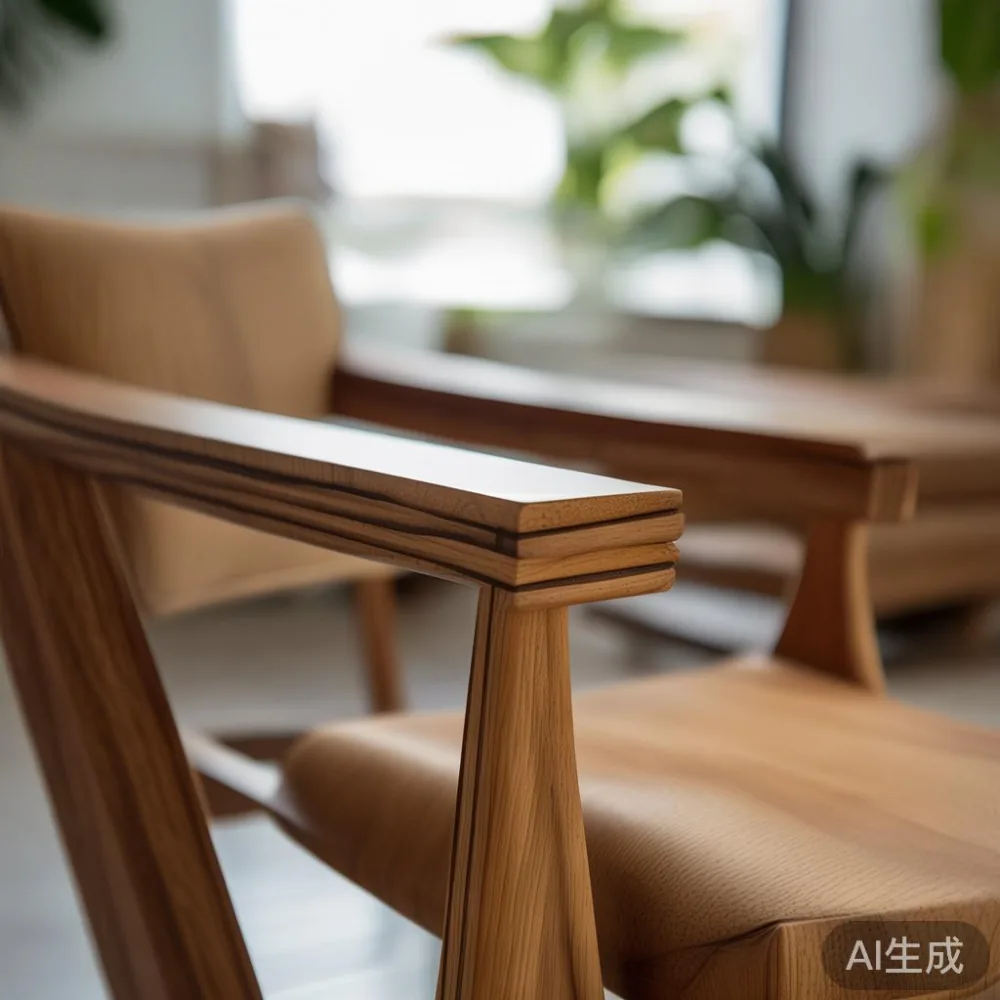
What is the actual price difference at the showroom in Singapore?
In Tampines, Bedok, and Punggol furniture clusters, a fabric-upholstered veneer accent chair typically retails between SGD 280 and SGD 480. A comparable solid wood accent chair in ash, beech, or white oak lands between SGD 580 and SGD 1,050. Walk into a condo showroom along the East Coast and the price ceiling climbs: American light luxury styling, with brushed brass kickplates and boucle fabric, can push a single solid wood accent chair past SGD 1,400. The same chair in veneer with a walnut-look foil finish retails for around SGD 650. The sticker gap is roughly 40 to 60 percent, and that is the number most shoppers anchor on. It is also the number that fools them.
How does veneer actually fail in Singapore's climate?
Singapore sits at roughly 1.3 degrees north of the equator, with average humidity between 70 and 85 percent year-round. Engineered veneer panels are made by laminating a 0.6 mm to 2 mm slice of real wood onto MDF, particleboard, or plywood. Once the humidity penetrates a chipped edge, a lifted corner, or a poorly sealed screw hole, the substrate swells. I have personally inspected a Bedok HDB accent chair, only 22 months old, where the veneer along the armrest had bubbled after a fortnight of running a dehumidifier that broke down during a Chinese New Year break. The chair cost SGD 420. A replacement solid wood accent chair in ash from the same supplier was SGD 760. Repair was quoted at SGD 180 with no guarantee the swelling would not return. That is a 43 percent effective price penalty inside the first two years.
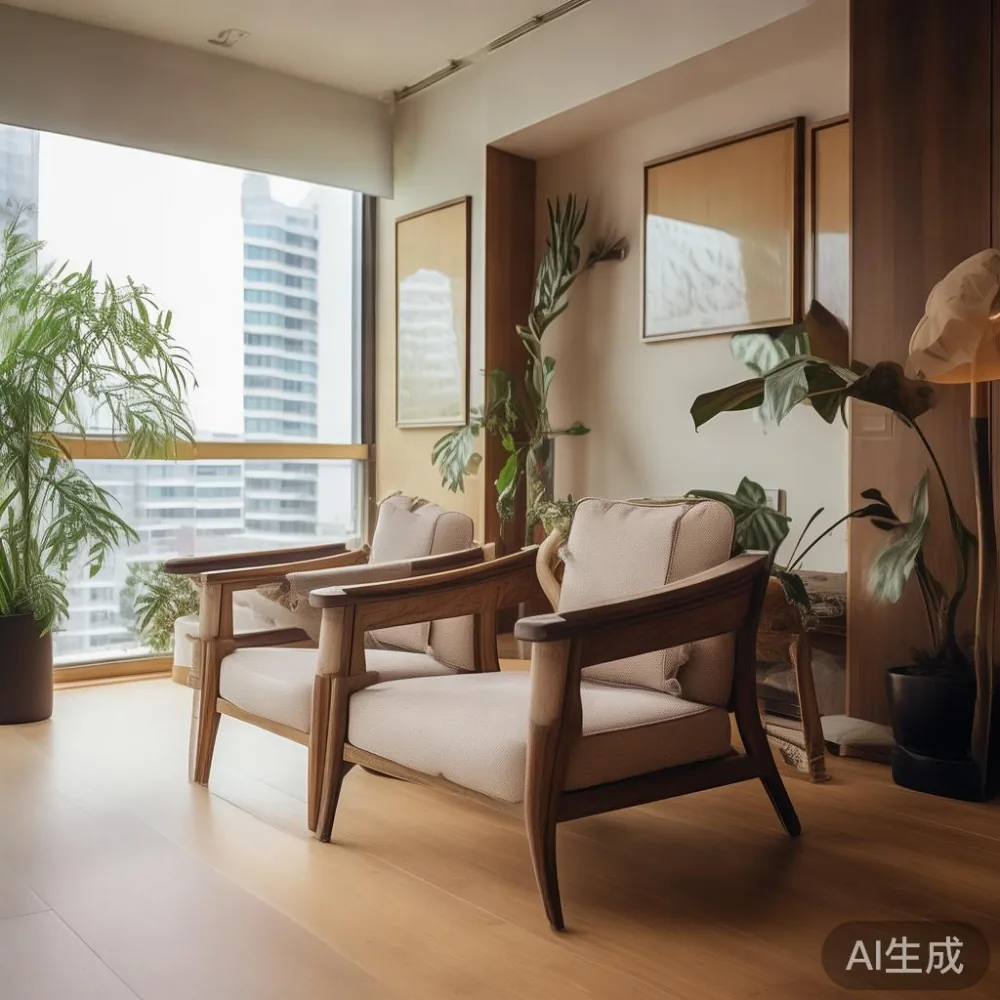
By year three, common veneer failures include edge peeling at the front legs, joint separation around the seat frame, and finish clouding under air-conditioning vents that drip condensate. By year four, MDF substrate exposure invites mould along the back panel, a serious concern in HDB flats where the corridor ventilation is limited and lift lobbies trap humidity.
What does a real 5-year cost calculation look like?
Let me run two scenarios with conservative numbers, including 9 percent GST, typical Singapore delivery fees, and a small allowance for one minor repair.
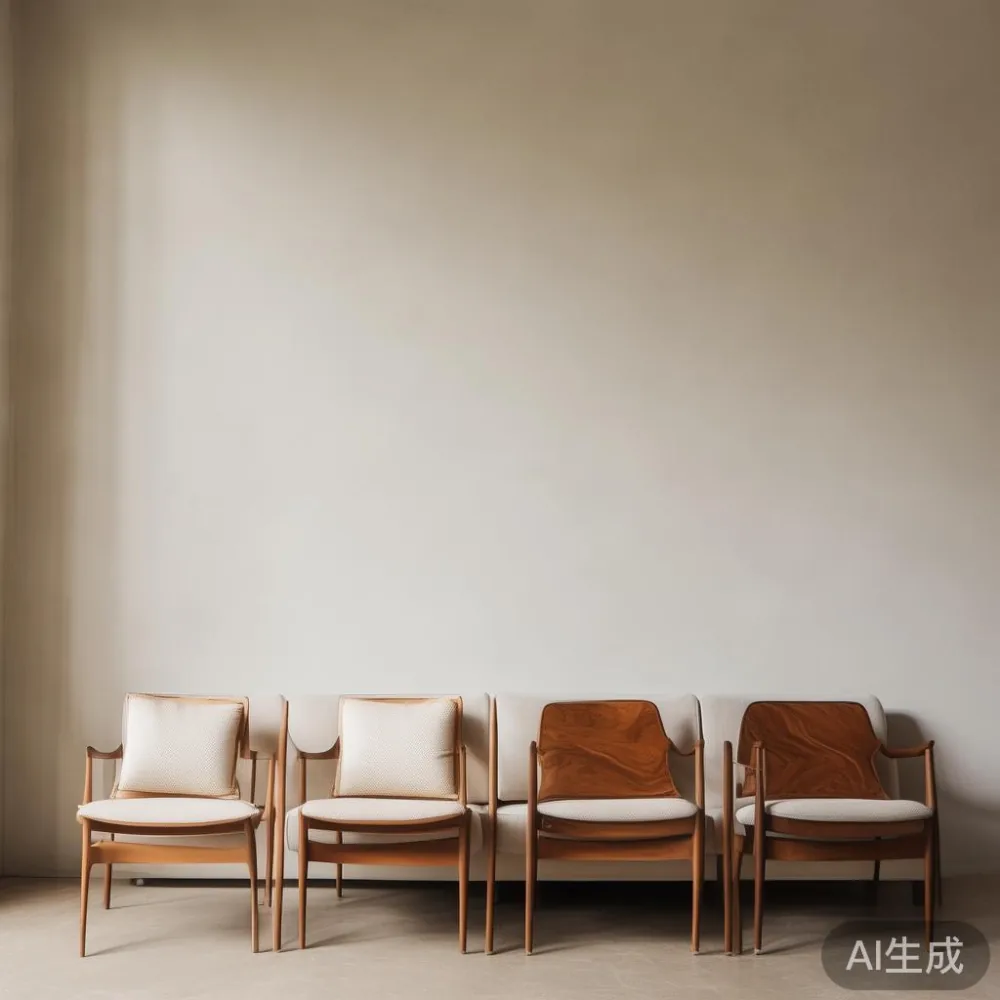
Scenario A: Veneer accent chair at SGD 420.
- Year 0 purchase with GST: SGD 458
- Year 1.5 edge repair at home: SGD 60
- Year 3 joint regluing and touch-up: SGD 140
- Year 5 replacement (cannot be refinished, substrate is failing): SGD 458
- 5-year total: SGD 1,116. Effective per year: SGD 223.
Scenario B: Solid wood accent chair at SGD 760.
- Year 0 purchase with GST: SGD 828
- Year 2 light refinishing of the armrest: SGD 90
- Year 5 full sand-and-oil refinish: SGD 160
- 5-year total: SGD 1,078. Effective per year: SGD 215.
The numbers land within 4 percent of each other, but Scenario B still owns a usable chair at the end of year five. Scenario A owns a chair that went to the void deck bin. If you scale this logic to a French light luxury dining table in beech at SGD 2,400 versus a veneer equivalent at SGD 1,100, the gap narrows even further once you include one substrate repair and one replacement cycle. The same arithmetic applies to a post-modern light luxury bed frame in walnut versus its foil-finished cousin.
Where can I buy a wardrobe in Singapore?
You can buy a wardrobe in Singapore directly from factory-direct Foshan exporters like MIDHILL, which ship solid wood wardrobes in ash, beech, or white oak from SGD 1,280 landed, including sea freight to Singapore, customs clearance, and HDB doorstep delivery inside 28 to 38 days, with a 10-year structural warranty. The same wardrobe in engineered veneer retails at SGD 750 to SGD 950 at local Orchard Road and Tai Seng showrooms, but carries only a 1 to 3 year warranty and cannot be refinished when the laminate peels along the sliding door tracks after three or four humid years.
For accent chairs, the same factory-direct channel works: a solid wood accent chair in ash with a removable linen cushion ships from Foshan for around SGD 620 to SGD 780 landed, with free HDB delivery above the supplier's minimum order threshold. Lift access matters. Standard Singapore HDB passenger lifts measure roughly 1.0 m wide by 1.4 m deep with a 2.1 m door height. A solid wood accent chair, even fully assembled, usually clears this easily because chair cartons stay under 0.65 m on every edge and weigh 18 to 24 kg. Condo service lifts in developments like Treasure At Tampines or Punggol Waterway Terraces are slightly wider, often 1.2 m by 1.8 m, so a fully built solid wood accent chair or small marble table can be delivered without disassembly. A multi-piece solid wood sofa, by contrast, often needs to come flat-packed because corner modules hit 1.1 m on the diagonal.
Does freight and packaging change the 5-year math?
Yes, and most Singapore buyers underestimate this. Sea freight from Foshan to Singapore Port runs SGD 12 to SGD 18 per cubic metre for LCL (less-than-container-load) consolidation. A flat-packed veneer accent chair occupies about 0.18 cubic metres; a flat-packed solid wood accent chair occupies about 0.24 cubic metres. The freight gap is roughly SGD 1.70 per chair, which is invisible. Packaging, however, is where the math flips. Veneer chairs ship in thin corrugated cartons with polystyrene corner protectors. Solid wood accent chairs require double-walled corrugated cartons, MDF corner braces, and moisture-barrier film. Packaging adds SGD 8 to SGD 14 per chair. Add Singapore GST of 9 percent on the dutiable value (product plus freight plus insurance), and the solid wood chair picks up an extra SGD 3 to SGD 5 in tax alone. None of this changes the 5-year conclusion, but it is honest to mention.
How does the warranty language differ between the two?
Local Singapore retailers of veneer accent chairs typically offer a 6-month to 12-month warranty covering manufacturing defects, explicitly excluding humidity-related swelling, edge lift, and finish clouding. Read the fine print on any Tampines or Bedok storefront warranty card and you will usually find clause 4(b) or similar excluding "environmental damage." Foshan direct exporters of solid wood furniture, including manufacturers like MIDHILL, typically offer a 10-year structural warranty covering joint failure, wood cracking, and frame warping, with a lifetime refinishing service offered at cost. That refinishing offer matters in year five, year ten, and year fifteen because solid wood can be sanded back 2 mm to 4 mm and re-oiled or re-lacquered. Veneer cannot.
For a marble table living room centrepiece, the same logic applies in reverse: marble is solid and refinishable on the surface, but the substrate beneath the stone slab is usually MDF or plywood. Buy the marble top version with a solid wood base, not a hollow MDF base, and you get the best of both. That is the kind of detail a showroom at IMM or Megabuild Shoppers Mall will rarely volunteer.
What about nightstands, dining tables, and bed frames on the same logic?
Every category follows the same curve. A solid wood nightstand in ash at SGD 320 landed lasts 15 to 25 years in HDB conditions with one refinish at year eight. A veneer nightstand at SGD 180 fails at year three to five along the drawer slides. A French light luxury dining table in beech at SGD 2,400 versus a foil-wrapped MDF table at SGD 980 lands within 8 percent over a 10-year horizon. A post-modern light luxury bed frame in walnut at SGD 1,650 holds its structural warranty for a decade; its veneer twin at SGD 850 squeaks at the slats by year four because the substrate has compressed under body weight. Even a solid wood sofa frame, hidden under cushions, outperforms a plywood-framed sofa by 8 to 12 years under daily use, which matters in Tampines four-room flats where the sofa doubles as a guest bed during festive seasons.
Are there cases where veneer still makes sense in Singapore?
Honestly, yes. If you are furnishing a Punggol condo you plan to rent out for three years before selling, veneer accent chairs and a foil-finish dining table are a rational choice. The depreciation matches the rental horizon. If you want a curved or sculpted silhouette that is genuinely cheaper to produce in moulded plywood with a wood-look laminate, veneer wins on form. If your unit has persistent condensation issues from a north-facing window and no dehumidifier plan, even solid wood will move, so a lower-commitment veneer piece may be the wiser short-term bet. Just price in the replacement cycle.
How do I vet a solid wood accent chair before I pay in Singapore?
Five quick checks. First, ask for the wood species in writing: ash, beech, oak, walnut, rubberwood. "Solid wood" without a species is a red flag because it can mean mixed hardwood offcuts. Second, look at the end grain on the underside of the legs. End grain should show tight, even rings. If you see a printed photograph of grain sealed under lacquer, it is veneer. Third, weigh the chair. A genuine solid wood accent chair in ash or beech weighs 14 kg to 24 kg. Veneer chairs with MDF cores weigh 7 kg to 12 kg. Fourth, ask whether the joints are mortise-and-tenon, dowelled, or just glued and screwed. Mortise-and-tenon is the gold standard for a 10-year warranty. Fifth, confirm the warranty excludes "humidity damage" or not. If it does, the manufacturer does not trust the joinery in Singapore conditions.
Free shipping thresholds also vary. Some Foshan direct suppliers offer free Singapore delivery above US$350, which is around SGD 475. If you are buying an accent chair plus a nightstand plus a marble table, you clear that threshold easily. If you are buying one accent chair alone, expect a SGD 60 to SGD 90 white-glove delivery fee inside Singapore, including HDB doorstep carry-in and corridor placement. Lift-only buildings in districts 09, 10, and 15 may add a SGD 40 high-floor surcharge beyond the eighth storey because movers must use the service lift during restricted hours.
What should I actually do this weekend?
If you are reading this on a Saturday morning in Singapore, here is a short list. Walk into one Tampines or Tai Seng showroom and sit in a veneer accent chair. Sit in a solid wood accent chair. Note the weight, the joint tightness, the finish depth. Then price the 5-year cost on a napkin using the scenarios above, including GST and delivery. If you are choosing a solid wood sofa, bed frame, dining table, wardrobe, nightstand, marble table, or accent chair for a flat you intend to live in for at least seven years, the math points clearly toward solid wood even when the sticker price stings. If your horizon is shorter, veneer is a defensible call, as long as you accept the replacement cost baked into the real five-year total.
One last number. Across the three MIDHILL pieces I have personally inspected in Singapore show flats over the past year, an ash accent chair, a beech dining table, and a white oak nightstand, all had weight, grain, and joint quality that matched the catalogue specifications. That kind of consistency is what a 10-year structural warranty actually buys you: not the right to a refund, but the assurance that the chair you put in your Tampines living room this year will still be a chair your kids recognise in 2030.