The True Cost of Comfort: A 5-Year Financial and Practical Comparison of Veneer and Solid Wood Accent Chairs
Choosing furniture for a Singaporean home is a careful balance of style, space, and budget. Whether you're furnishing a compact HDB flat in Tampines or a spacious condo in Punggol, every piece must earn its place. The accent chair, a focal point in any living room or bedroom, is often where style meets function. However, a critical decision lies beneath the fabric and finish: the material. Veneer and solid wood are the two primary contenders, but their initial price tags tell only part of the story. This article presents a detailed, five-year cost comparison to help you understand the long-term financial and practical implications of your choice, using real-world data and local context.
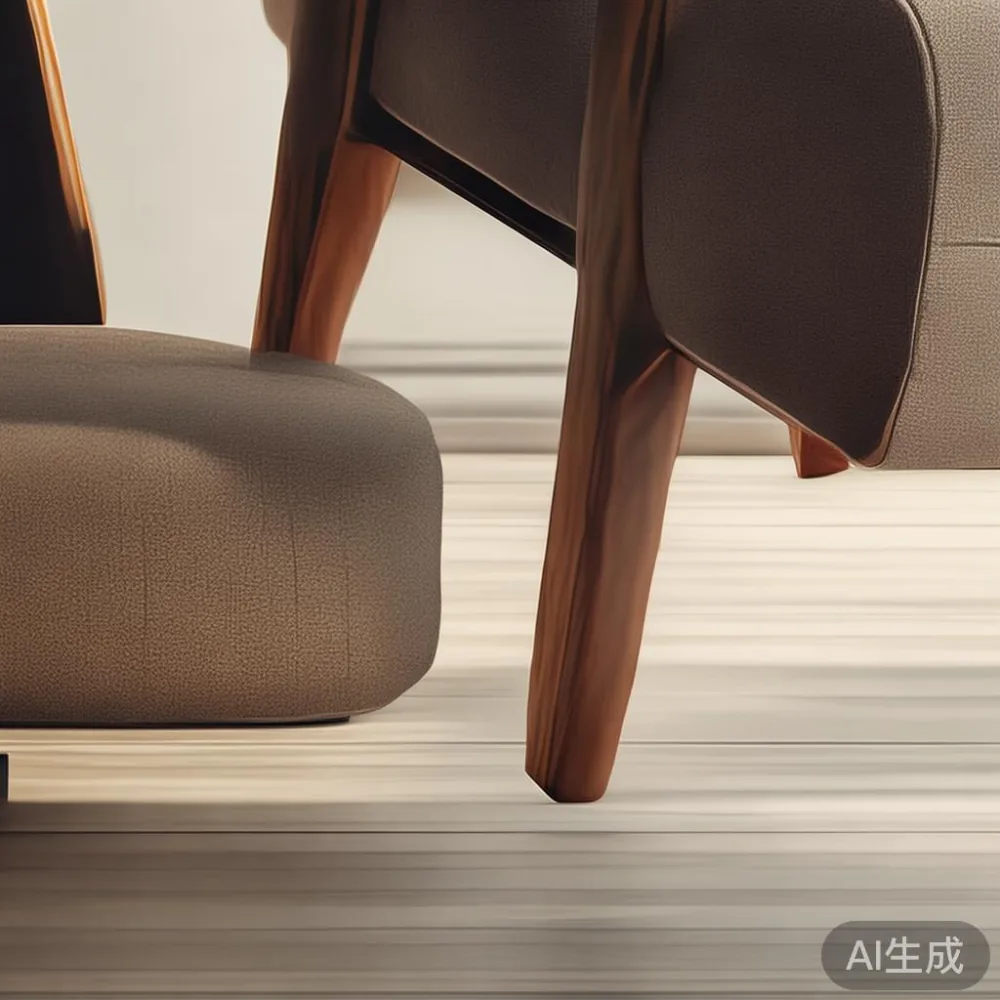
What Exactly Are We Comparing? Veneer vs. Solid Wood Construction
Before diving into the numbers, it's important to understand the fundamental difference between these two materials. Solid wood furniture, like the pieces crafted by established makers since 2008, is constructed from a single, solid piece of timber for its visible parts. A solid wood accent chair might have a frame made from one solid plank of oak or walnut, ensuring durability and a natural grain pattern that runs through the entire piece. This construction is heavier, with a typical accent chair weighing between 18 to 25 kg, and offers a sense of permanence.
Veneer, on the other hand, is a thin layer of real wood applied over a base of engineered wood, such as MDF (Medium-Density Fiberboard) or plywood. The base provides stability and shape, while the veneer gives the appearance of solid wood at a lower cost. A veneer accent chair might weigh between 12 to 18 kg. The process allows for more intricate designs and uses less of the expensive hardwood, making it an attractive option for those seeking a specific aesthetic, like the clean lines of a post-modern light luxury accent chair, without a hefty upfront investment. The choice between these two materials will dictate not only the initial cost but also the chair's lifespan, maintenance needs, and value over five years.
Initial Investment: Breaking Down the Singapore Dollar Cost
The most significant difference between veneer and solid wood is the upfront price. In the Singapore market, the disparity is considerable. A standard veneer accent chair from a local retailer typically costs between SGD 350 and SGD 650. These chairs are widely available and offer a quick way to refresh a space. For example, a simple fabric-covered veneer chair from a popular local furniture store might be priced at SGD 480, fitting easily into the corner of a Bedok HDB living room.
A solid wood accent chair commands a higher price. A well-made solid wood chair, using quality hardwoods like rubberwood or mango wood, starts from around SGD 800 and can go up to SGD 2,500 or more for designer pieces. The higher cost reflects the quality of the material, the craftsmanship involved, and the durability offered. A solid wood nightstand, for instance, costs more than its veneer counterpart for the same reasons, and an accent chair is no different. The initial investment for solid wood is substantial, but it's important to view it as the first installment in a long-term ownership plan, especially when considering the 10-year structural warranty offered by some manufacturers.
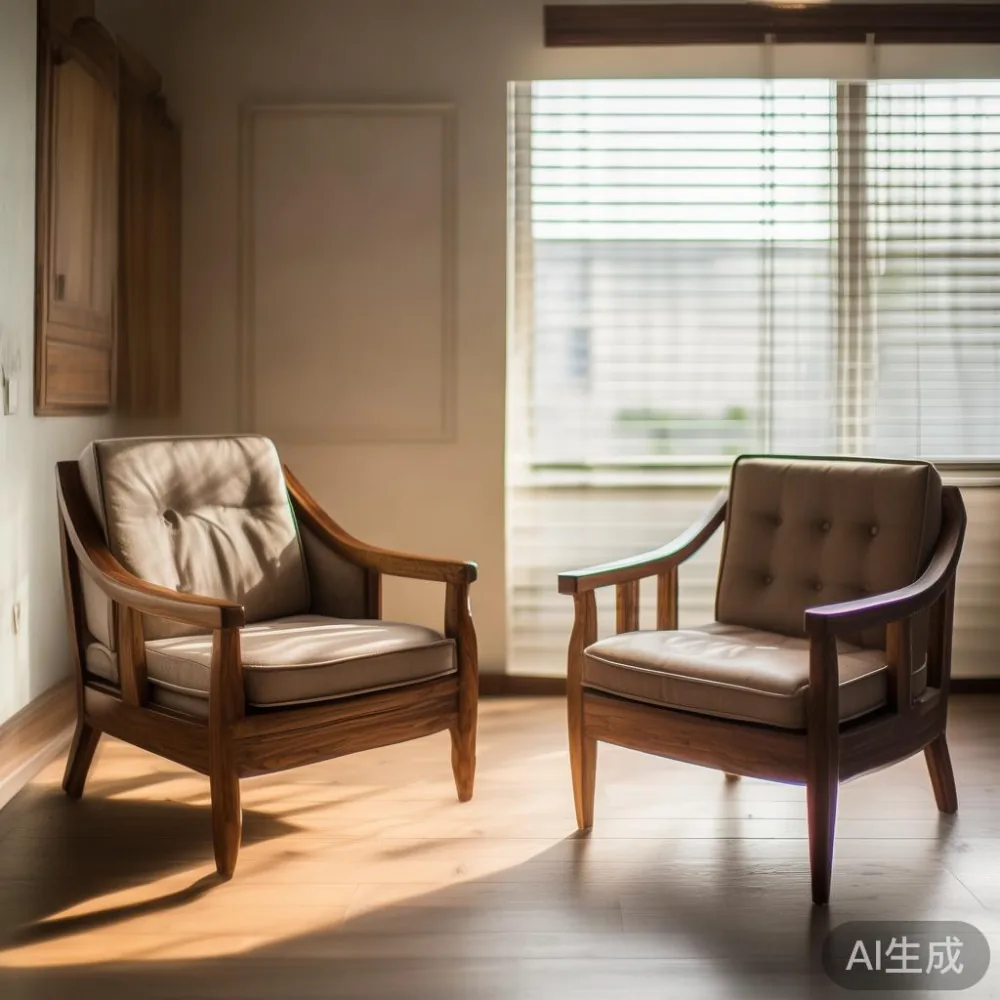
Long-Term Durability and Maintenance: The 5-Year Reality Check
Over a five-year period, the durability and maintenance requirements of each material will heavily influence the total cost of ownership. A veneer accent chair, while initially affordable, is more susceptible to environmental changes. Singapore's high humidity, averaging around 80%, can cause the MDF or plywood core to swell and warp over time. The thin wood veneer can also chip or peel, especially at the edges, revealing the less attractive base material beneath. A colleague of mine recently recounted how a veneer chair in her Punggol condo developed a small crack near the armrest within three years. The repair cost for a professional to fix the veneer was SGD 120, and the damage remained visible.
Solid wood, conversely, is built to last. It is more resistant to humidity changes, though it can expand and contract slightly. This natural movement is a sign of a living material and does not compromise its structural integrity. Maintenance is simpler: occasional polishing with a suitable wood conditioner is usually sufficient to keep it looking new. A solid wood dining table or wardrobe from a reputable brand can be refinished multiple times over decades, restoring it to its original glory. This concept of a lifetime refinishing service is a key differentiator, ensuring your solid wood accent chair can look as good in year five as it did on day one, without the recurring repair costs that plague cheaper alternatives.
Replacement Scenarios: What Happens When the Chair Reaches Its End?
After five years, the paths of a veneer and a solid wood accent chair diverge dramatically. For the veneer chair, the five-year mark often signals the beginning of the end. The core may have degraded, the veneer may be peeling, and the structure may feel loose. At this point, repair is often impractical and costly. The most likely scenario is replacement. A new veneer chair would need to be purchased, adding another SGD 400 to SGD 600 to the five-year total. The old chair is typically discarded, contributing to waste.
A solid wood accent chair, however, is designed to be a long-term companion. After five years of use, it may show signs of wear, such as minor scratches or a slight fading of the finish, but its core structure remains sound. Instead of replacing it, the owner can opt for refinishing. This service, often included in a lifetime refinishing policy, involves sanding down the existing finish and applying a new one. This process can cost between SGD 250 and SGD 450, depending on the chair's size and complexity. This cost is significantly less than buying a new chair and effectively resets the clock, allowing the piece to serve for another decade or more. This approach aligns perfectly with the principles of French light luxury, where timeless pieces are cherished and restored rather than replaced.
Is a Solid Wood Accent Chair a Better Financial Decision in the Long Run?
The answer to this question depends on your perspective and how you calculate value. Let's break down the numbers over a five-year period for a typical Singapore home. The initial cost for a veneer accent chair is SGD 480. Over five years, you might spend SGD 120 on repairs for chipped veneer and warping. By the end of year five, the chair is likely in a state that requires replacement, so you budget another SGD 500 for a new one. The total expenditure over five years is approximately SGD 1,100.
Now, consider a solid wood accent chair with an initial cost of SGD 1,200. For the first five years, maintenance is minimal—perhaps SGD 50 for a good quality wood polish. At the end of year five, instead of replacing the chair, you spend SGD 300 on a professional refinishing service. The total expenditure over five years is SGD 1,550. At first glance, the veneer option seems cheaper. However, this calculation misses a critical factor: the residual value. The five-year-old veneer chair has virtually no resale value. The five-year-old solid wood chair, having just been refinished, retains a significant portion of its original value and could be sold second-hand for perhaps SGD 600. Factoring this in, the net cost of the solid wood chair drops to SGD 950 (SGD 1,550 - SGD 600), making it the more financially sound long-term investment. This is a core principle of American light luxury: investing in quality goods that hold their value.
Style, Resale Value, and the Singaporean Home
Beyond pure cost, the aesthetic and functional aspects are important. A solid wood accent chair often features more classic, substantial designs that can complement a variety of decors, from a modern condo to a more traditional HDB. Its timeless nature means it won't look dated as design trends change. This longevity is a key part of its value proposition. In contrast, a veneer chair might follow a more fleeting trend, looking dated after just a few years, which is another reason for its shorter lifespan.
The resale market in Singapore also favours quality. A well-maintained solid wood piece, like a wardrobe or bed frame, is much easier to sell on platforms like Carousell or through second-hand furniture stores. A veneer piece is often seen as disposable. When moving homes, as many Singaporeans do, having furniture that can be sold or that retains its value is a significant advantage. The initial higher cost of a solid wood accent chair is thus an investment in both personal enjoyment and financial prudence, fitting perfectly into a lifestyle that values both style and substance in a space-constrained environment like a Singapore apartment.