How to Care for a Lacquered Accent Chair in Singapore’s Tropical Climate
A lacquered accent chair can bring French light luxury into a Tampines HDB flat, a Bedok condo, or a compact Punggol home without making the room feel crowded. The appeal is immediate: a slim profile, a warm timber frame, and a smooth, reflective finish. The challenge is equally familiar in Singapore. Air humidity, afternoon sun, balcony splashes, and the slow build-up of dust can leave a lacquered surface dull, hazy, or sticky.
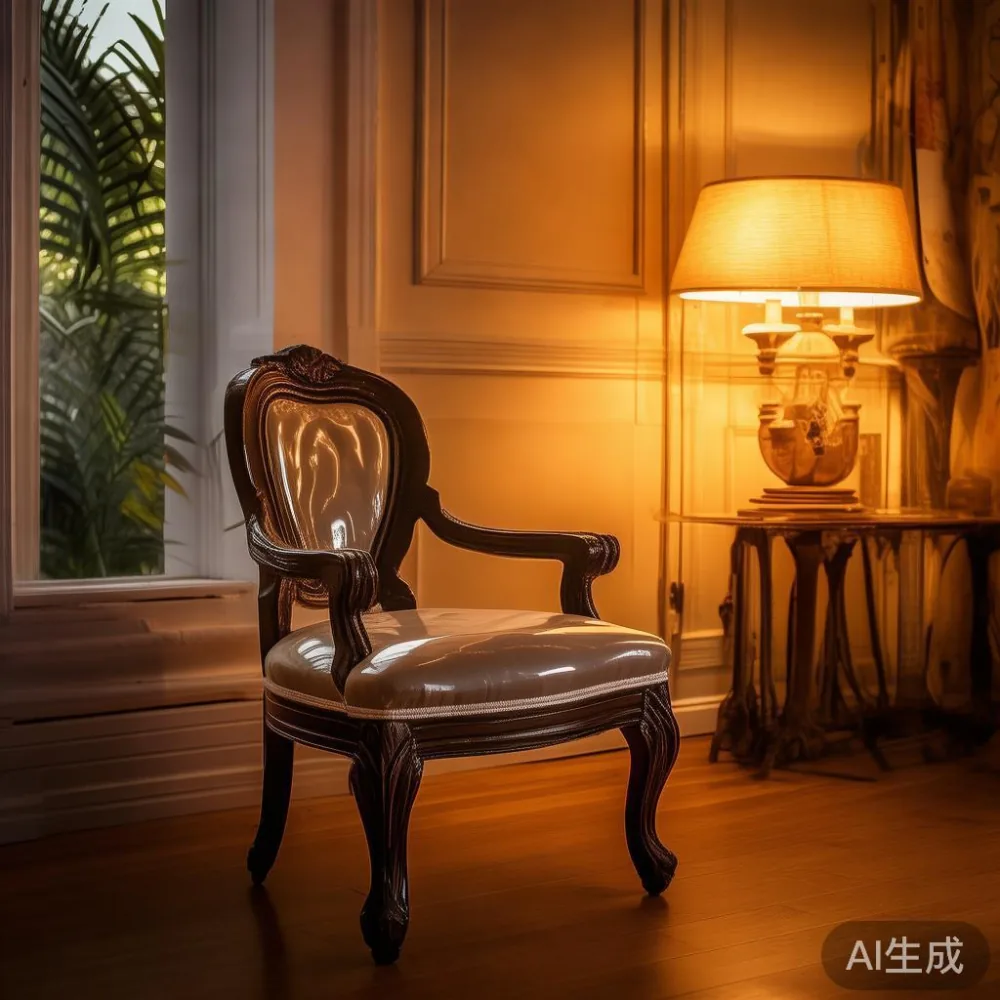
This guide explains how to protect a lacquered accent chair in a tropical climate, using practical measurements and routines suited to local homes. MIDHILL builds solid wood furniture for international customers, exports to more than 15 countries, and backs its construction with a 10-year structural warranty. That warranty supports the frame; it does not replace sensible care for the lacquer finish.
The same care discipline applies around other furniture. A solid wood sofa, bed frame, dining table, wardrobe, nightstand, or marble table may use different materials, but each benefits from stable humidity, prompt spill removal, and a surface-specific cleaning method. Consider a Modern light luxury wardrobe beside the chair only when its finish and maintenance requirements are compatible with the room’s light and moisture conditions.
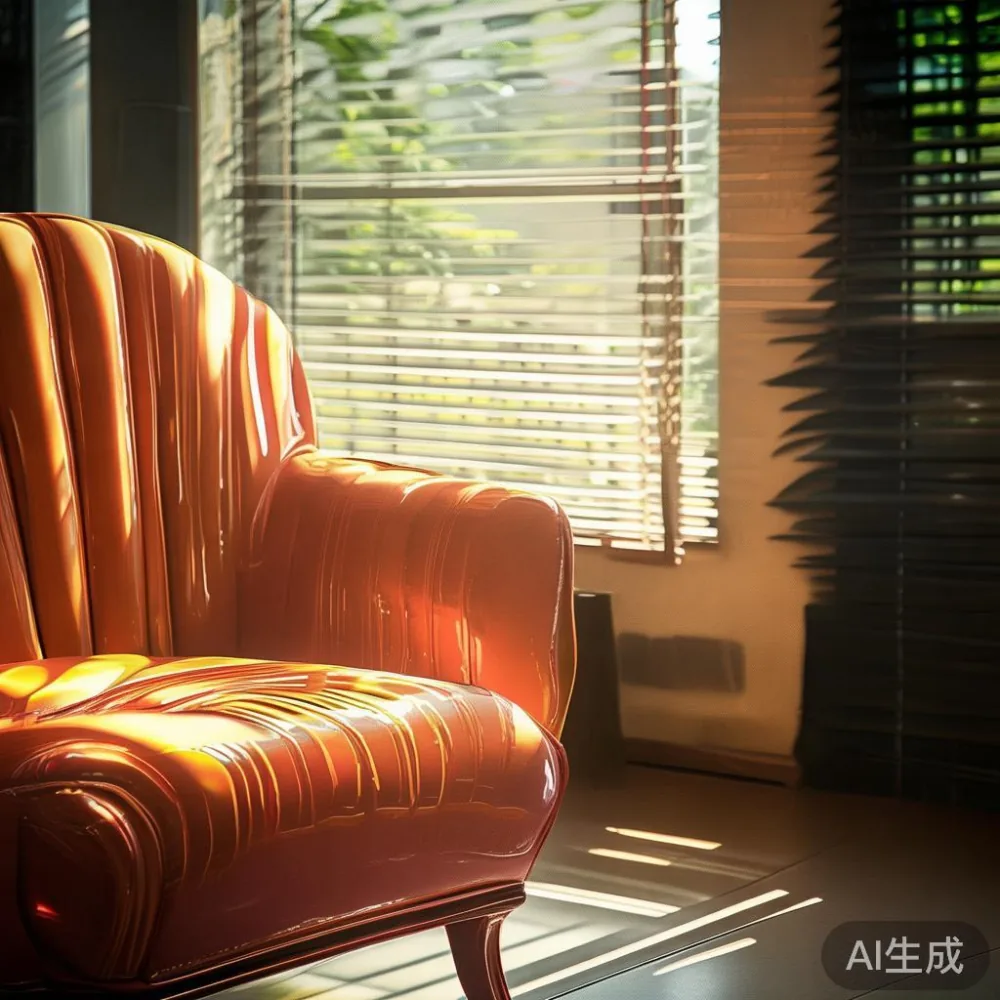
Why does lacquer need special care in Singapore?
Lacquer dries into a hard coating, but it is still sensitive to prolonged moisture, heat, abrasion, and incompatible cleaning products. Singapore’s relative humidity commonly falls around 60% to 80% for much of the year, while indoor air-conditioning may reduce nearby humidity to 50% or lower. Repeated swings between those conditions can affect wood movement and make a finish look uneven.
Keep the accent chair at least 30 cm from a frequently opened refrigerator, 60 cm from a bathroom doorway, and 90 cm from a window with direct sun. In an HDB living room, place it away from the main corridor route rather than against a narrow wall where bags, vacuum cleaners, and delivery cartons may scrape it.
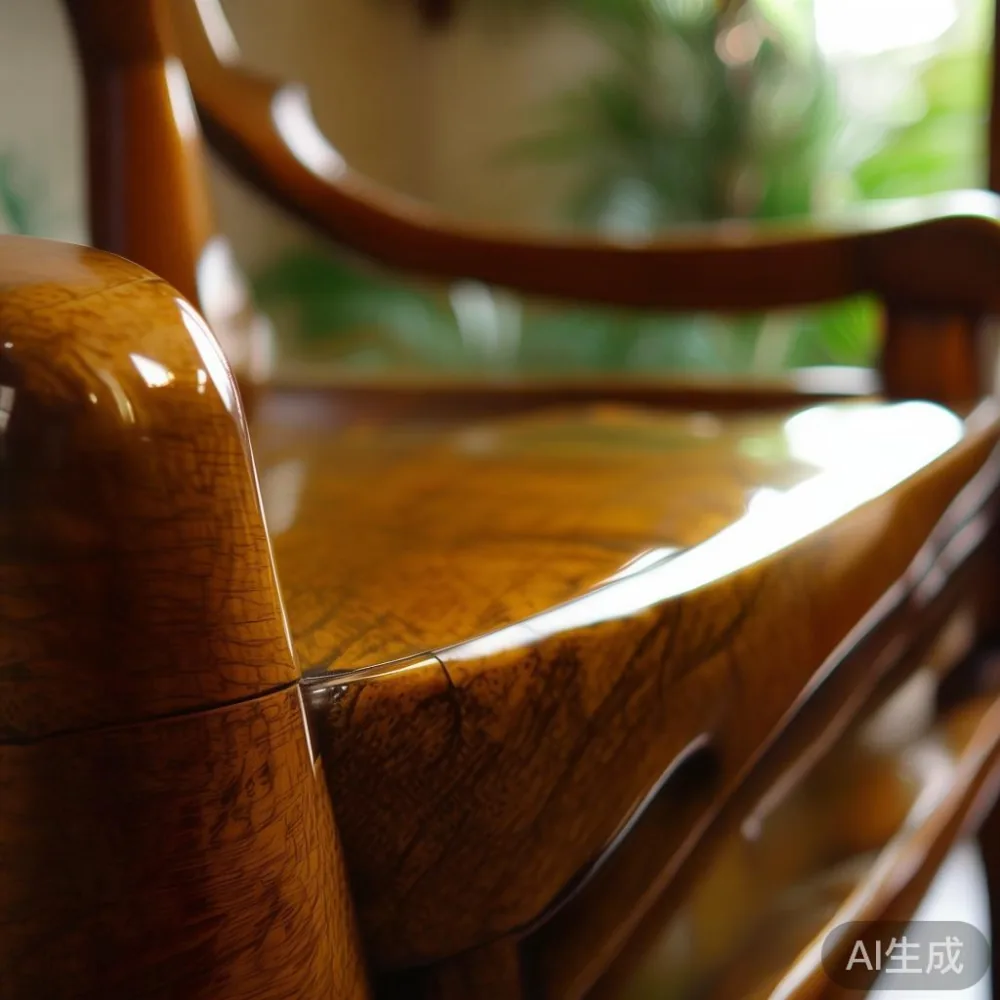
Temperature stability matters too. Aim for roughly 18°C to 29°C, with moderate airflow rather than a strong air-con vent blowing across the chair for 8 hours a day. Direct ultraviolet exposure can fade upholstery and weaken lacquer gloss, especially near east-facing windows in Tampines or west-facing glazing in Bedok.
Acidic drinks, oily fingerprints, felt-tip ink, and tape residue are more troublesome than ordinary dust. A lacquered surface should be wiped clean before residue becomes embedded. Avoid placing hot cups directly on the finish: use a coaster at least 8 cm across and allow the drink to cool before moving it.
What cleaning routine should I use for a lacquered accent chair?
Use a three-level routine: dust weekly, clean when visibly soiled, and condition the wood only as directed. Begin with a soft, dry microfibre cloth. For routine cleaning, dampen a second cloth with plain water or a pH-neutral wood cleaner, wring it until only a few drops emerge, and wipe in the direction of the grain.
Test the method on a hidden area measuring about 5 cm by 5 cm and wait 24 hours. The test should reveal no dull patches, colour change, tackiness, or loss of sheen. Keep moisture away from joints and upholstery seams. If only the lacquer is involved, a lightly damp cloth should do; the solid wood frame underneath should not be soaked.
For a deeper clean, work across a small 20 cm section at a time. Use 2 or 3 sprays of cleaner, never a saturated cloth, and buff dry immediately with a clean microfibre towel. Avoid silicone oils, ammonia, abrasive pads, alcohol-based glass cleaners, and household degreasers unless the lacquer manufacturer specifically approves them.
Clean spills within 30 seconds when possible. Blot rather than rub. For water, use 1 clean cloth and a second dry cloth. For oily residue, apply a drop of mild dish soap to a barely damp cloth, wipe once, and then dry. Keep waxes and polishes off the lacquer unless they are formulated for that exact finish.
A monthly check is worthwhile. Look under the seat, around armrests, and at the front edge where trousers and bags touch. A small mark left for 7 days can become harder to remove than one addressed immediately. Use magnification if needed and photograph any developing crack so that a warranty or finish issue can be documented.
How should I protect the accent chair from humidity and spills?
Control the environment before reaching for a stronger treatment. Position the accent chair indoors, at least 60 cm from floor-level splash zones and 45 cm from an open balcony. In a condo with floor-to-ceiling glazing, sheer curtains can reduce direct sun by roughly 30% to 50% while preserving daylight. The chair should never be placed outdoors, even under a covered balcony, because humid air and wet surfaces can affect lacquer and wood.
Use a waterproof mat beneath a nearby drink station and choose coasters with a raised rim. A 9 cm coaster fits most cups while reducing water-ring risk. Avoid placing the chair beside a vase containing water. If humidity remains consistently above 70% in the room, a dehumidifier set between 50% and 60% is more appropriate than repeatedly wiping the furniture.
For homes near MRT stations, construction work, or busy roads, add a felt barrier beneath each chair leg. Each pad should be at least 5 mm thick and large enough to spread the load across the floor. The chair’s total load depends on its design, so check the product specification rather than assuming every solid wood accent chair has the same weight.
During monsoonal periods, inspect the surrounding floor weekly for damp patches. Move the chair 1 metre away if condensation appears on nearby tiles. Avoid steam mops near the base and keep at least 20 cm of dry floor around the legs.
Accent chairs are often moved to make room for guests. Lift them by the frame rather than dragging them across tile. Two people should carry a chair heavier than 15 kg. Measure doorways and lift openings before delivery: common HDB lift doors may be about 80 cm to 90 cm wide, while corridor turns can restrict a chair whose widest point is 70 cm.
What should I do if the lacquer becomes cloudy, sticky, or scratched?
Cloudiness can follow a heavy-handed clean, moisture trapped under a mat, or residue from an incompatible product. Stop applying cleaners and place the chair in a dry, ventilated room at about 22°C to 26°C. Do not place it in direct sunlight. After 48 hours, inspect the finish under neutral daylight.
For sticky lacquer, a barely damp cloth with a single drop of mild dish soap may remove surface residue. Follow with a clean damp cloth and then a dry cloth. Never soak the area. If the sticky feeling remains after 2 careful attempts, seek advice from the finish supplier before trying another chemical.
Light scratches sometimes respond to a lacquer-safe polishing cloth. Work along the grain with light pressure for no more than 10 passes. Deep gouges, lifting lacquer, or broad patches that expose raw wood need professional assessment. A scratch measuring more than 5 cm, a bubble, or a lifting edge should not be polished at home.
Heat can soften some lacquer films. Keep the chair at least 45 cm from a tabletop halogen lamp or a hot floor lamp. Use a heat-resistant mat beneath lighting, and switch the lamp off before leaving the room for 30 minutes. Cigarette smoke and vaping residue are also difficult to remove; prevention is more effective than restoration.
Warranty language deserves attention. A 10-year structural warranty covers eligible structural failures under its terms, not accidental surface damage, unsuitable cleaning, or placement in damp outdoor areas. Keep the receipt, product photographs, and care record. MIDHILL offers lifetime refinishing on qualifying products, which can help after years of use.
Can a lacquered accent chair fit comfortably into a Singapore home?
Yes, if scale is considered before style. Measure the chair’s widest point, depth, and height, then mark the footprint with painter’s tape on the floor. Leave 45 cm behind the chair for movement and circulation, 60 cm from a table edge where people sit, and 75 cm from a doorway where a door swings into the space.
In a compact HDB living room, an accent chair with a width of 55 cm to 65 cm and a depth of 55 cm to 70 cm can provide a useful reading position without narrowing the main path. A slim design may preserve a corridor width of 90 cm, while a bulky chair with arms can reduce it to 75 cm. Compare delivery measurements with the lift door, lift car, landing, and corridor turns before ordering.
French light luxury often pairs pale upholstery, curved profiles, and warm timber. Post-modern light luxury may use cleaner lines and restrained contrast. American light luxury tends toward generous proportions, so it is less forgiving in a small flat unless the chair is scaled down. The finish should support the chosen direction rather than make the room feel visually heavier.
Local pricing should be expressed in SGD and checked against the final quotation. For example, a 7% GST charge on a SGD 1,200 item adds SGD 84 before any delivery adjustment. Free shipping applies above US$350 on MIDHILL’s stated terms, but the currency conversion, freight surcharge, and timing should still be confirmed. A Singapore order commonly needs 10 to 25 delivery days depending on production, customs clearance, and the final-mile appointment.
Returns are accepted within 14 days under the stated policy, but lacquer furniture should be inspected and protected before collection. The 14-day period is not a reason to leave a chair outdoors on a balcony. Check all corners, joints, upholstery, and the lacquer under daylight before accepting the delivery.
Is French provincial styling suitable for a bedroom or reading corner?
French provincial styling can suit a bedroom or reading corner when it is adapted to local proportions and humidity. If you are searching for guidance on how to style French provincial sofa in bedroom, begin with one statement piece and keep surrounding furniture simple. A slim accent chair may offer the curved character without adding the full visual weight of a larger sofa.
For someone comparing a light luxury bed vs French provincial bed, the distinction is less about ornament and more about visual structure. A light-luxury bed often presents straighter lines and restrained detail, while a French provincial bed introduces shaped headboards, carved cues, or curving legs. Either can work, but the lacquered accent chair should have enough contrast to remain intentional.
Use a 45 cm to 55 cm side table near a chair and allow the nearest lamp to sit 60 cm away from upholstery. Fabrics should be light-coloured but practical in humid conditions. Cotton and linen blends should be aired weekly for 15 minutes, away from direct sun and damp surfaces.
The same room can accommodate other product categories without changing the care focus. A solid wood sofa has broader cushions and more frequent contact areas; a bed frame needs clearance and stable floor placement; a dining table needs immediate spill control; a wardrobe needs airflow and dry hinges; a nightstand catches ring marks; and a marble table requires pH-neutral cleaning because acids can etch stone. A Modern light luxury wardrobe should have at least 5 cm of ventilation space on its sides and back, according to its installation guidance.
Search phrases such as best French sofa for 2026 or best Rustic sofa for 2026 can help define a style, but dimensions, seating comfort, removable covers, and local serviceability matter more than the wording alone. For light luxury with storage, consider an accent chair with a shallow compartment, but avoid storing damp clothes, magazines, or oils inside. The compartment should stay empty or hold only dry, clean items.
How can I keep a lacquered accent chair looking refined for 10 years?
Create a simple calendar with 4 maintenance checkpoints. Each week, dust with a dry cloth and check for spills. Each month, inspect the lacquer under daylight and clean only the areas that need attention. Every 3 months, check leg pads, room humidity, window exposure, and nearby heat sources. Every 12 months, review the finish, joints, upholstery, and care record.
Keep a care kit within reach: 2 clean microfibre cloths, 1 soft natural-bristle brush, 1 coaster, and a pH-neutral cleaner approved for lacquer. Avoid “magic” restoration products that promise results within 5 minutes. A careful process protects the coating more reliably.
Use the chair as intended and protect high-contact edges. Do not lean heavy objects on the backrest or use the arm as a step. Avoid standing on the seat, even briefly; the design may support a person during normal use without supporting repeated concentrated loads.
Document the purchase with dated photographs. If the lacquer dulls after several years, refinishing may be appropriate. MIDHILL’s lifetime refinishing service is one reason to select a maker with a continuing relationship to the product. For structural concerns, retain proof of purchase and contact the supplier before undertaking repairs.
A well-cared lacquered accent chair can hold its line in a tropical interior for 10 years or longer. The routine takes less than 20 minutes each week and protects a broader design language: solid wood sofa proportions, bed frame joinery, dining table warmth, wardrobe order, nightstand placement, and marble table restraint. For a Singapore home, thoughtful placement, mild cleaning, and stable humidity do more for the finish than repeated polishing with harsh products.