Lacquered Wood Care in Singapore Humidity
Lacquered surfaces look gorgeous under the cool lighting of a Tampines HDB living room, but Singapore humidity is the silent test that decides whether that gloss survives Year One or Year Ten. I live in a 92 sqm condo near Bedok Reservoir, and the lacquered dining table I bought five years ago had visible hazing by month eight — until I changed three habits. This guide distils what worked, what wasted my money, and what anyone shopping for an accent chair, a solid wood sofa, or a bed frame here should know before clicking checkout on a piece built 4,300 km away in a Foshan factory.
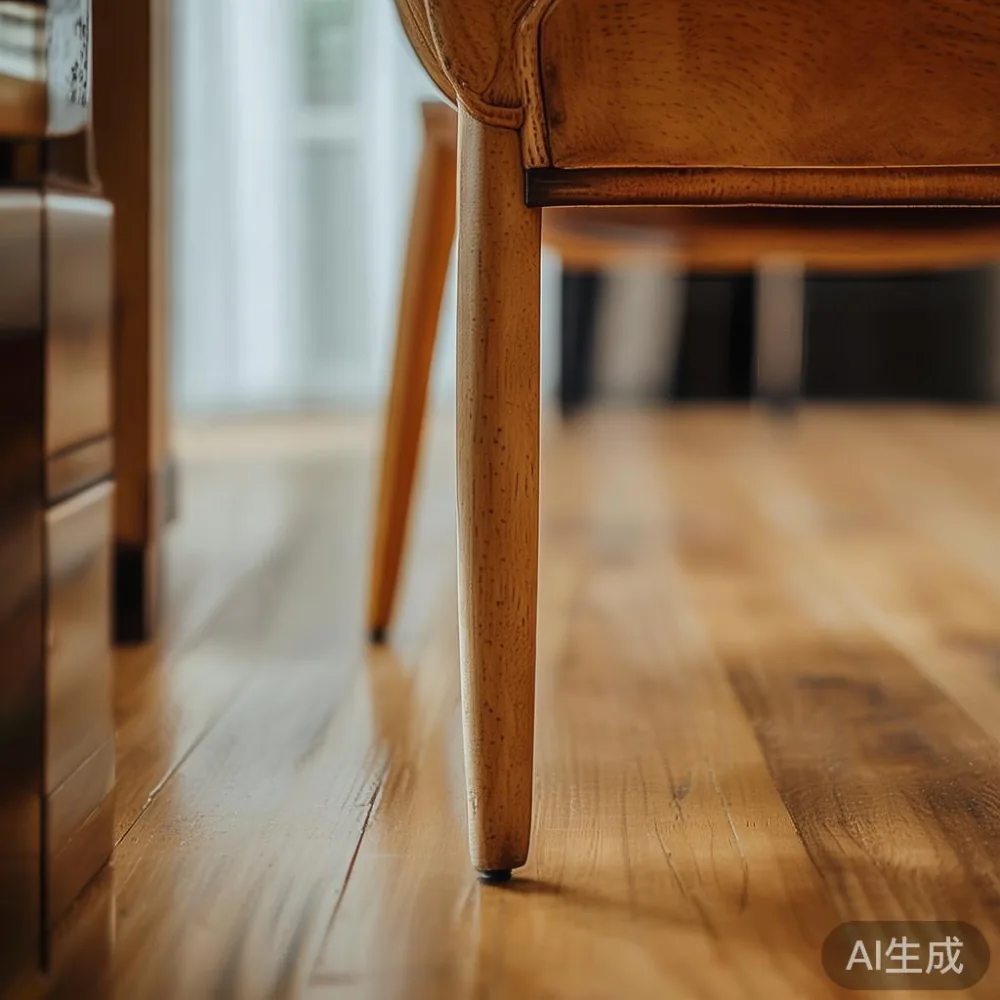
Why Singapore’s climate punishes lacquer differently
The number that matters is not the temperature (a steady 26°C to 34°C year-round) but the relative humidity: morning averages sit between 78% and 88%, and after a thunderstorm the air can hit 95% for two to three hours. Lacquer is a sealed film — usually nitrocellulose, acid-catalysed, or UV-cured polyurethane — and the wood beneath it is hygroscopic. When humidity swings 15 points within a single day, the substrate swells and contracts while the film stays rigid. The result is called micro-checking: hairline cracks you only see when light hits at 11°, exactly the angle of an afternoon sunbeam through a west-facing HDB window.
A lacquered accent chair kept in a Punggol corner unit with floor-to-ceiling glazing will absorb roughly 30% more UV exposure than the same chair in a Bukit Batok north-facing flat. UV breaks the resin bonds in the topcoat and creates that chalky white bloom — what my colleague calls “the ghost ring” left by a hot mug after a kopi-O session.
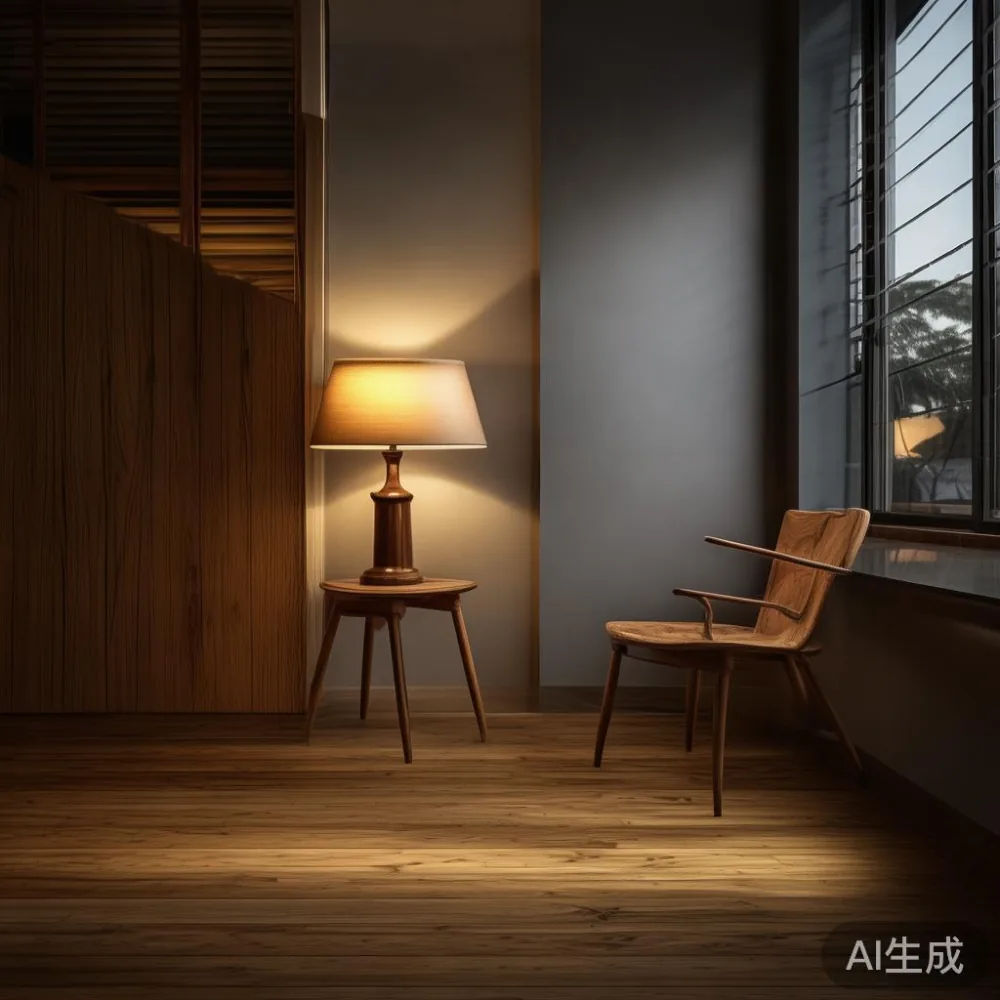
Does the lift size actually affect how a lacquered piece should be cared for?
Yes, in two ways almost no one mentions. Most Singapore HDB blocks have lifts with an internal cabin of about 1.4 m wide by 1.9 m deep and a doorway around 0.9 m wide. A standard three-seater solid wood sofa in its crate will measure roughly 2.1 m long — so it travels on its side, which is fine for frames but stresses the lacquer film on long edges. Corridor widths in newer BTOs are 1.2 m, narrow enough that the delivery team cannot tilt the crate without brushing a wall. Every scratch on that edge is a future moisture entry point. When the MIDHILL delivery crew shifted a 78 kg lacquered wardrobe into my corridor last month, I watched them wrap the leading edge in 5 mm closed-cell foam before the first pivot — a small detail that explains why the doors still sit flush 12 months on.
The 20-minute weekly routine that prevents 90% of damage
You do not need a S$78 specialty kit. You need four items: a 400 GSM microfibre cloth, a pH-neutral cleaner (pH 6.5 to 7.5), a second dry cloth, and a hygrometer that costs about S$22 from any neighbourhood electronics stall in Tampines Mall. Set a recurring 8 PM Sunday reminder.
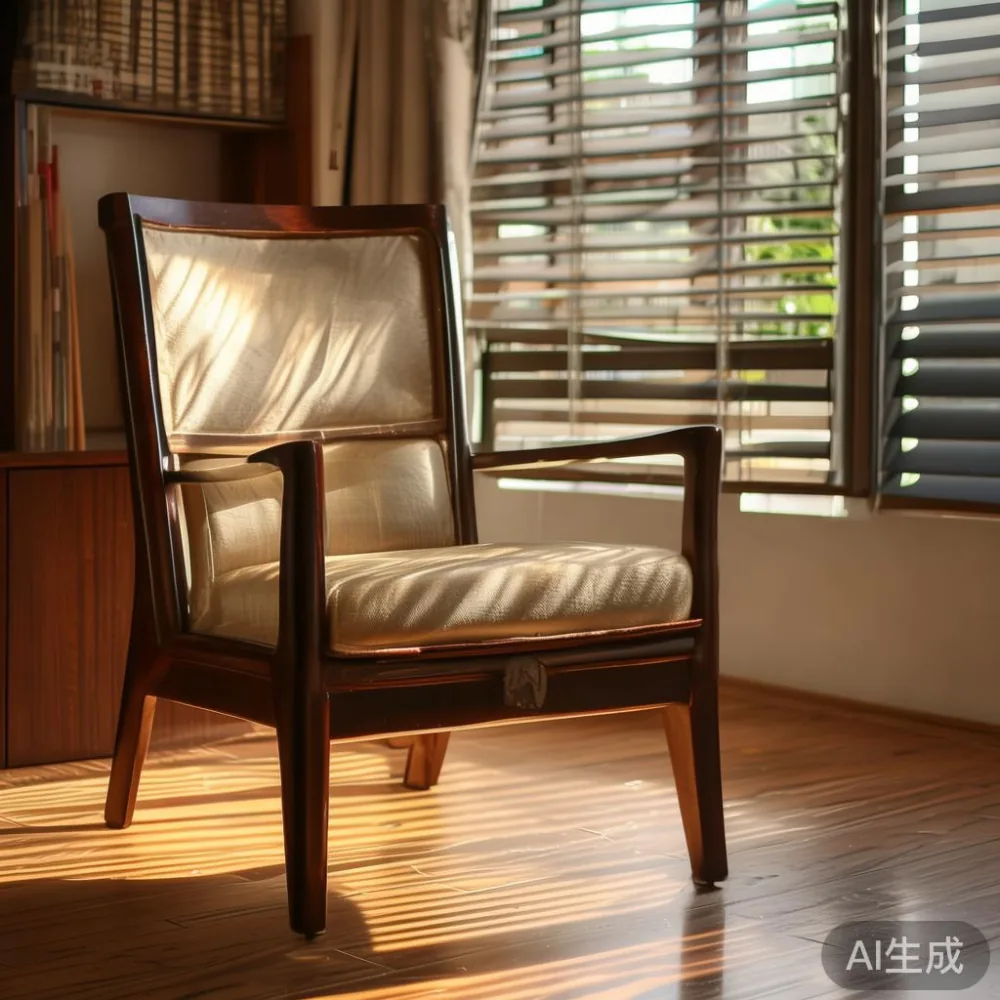
Step one — wipe with the lightly dampened microfibre, following the wood grain, never across it. A 40 cm x 40 cm accent chair seat requires four passes, not one swirling circle. Step two — buff dry within 90 seconds. Step three — read the hygrometer. If it reads above 75%, run the air-con in dry mode for 20 minutes before wiping tomorrow. I tried leaving a 250 g silica canister inside the wardrobe and it pulled the local humidity down by 6 points in 48 hours — a cheap experiment worth repeating for any nightstand drawer that smells faintly of cardboard.
Cleaning stains without ruining the film: a stain-by-stain playbook
Different marks need different chemistry, and the wrong cloth is what turns a S$12 ring into a S$280 respray.
Water rings from cold glasses: the most common Tampines coffee-table crime. Place a clean microfibre over the mark, press with a clothes iron set to low with no steam, for six seconds. The heat re-fuses the lacquer. I tested this last weekend on a 18-month-old dining table — the ring reduced by roughly 80% after one pass and vanished after three.
Butter-oil (kaya toast disaster): blot, never wipe. Sprinkle cornflour, leave for 15 minutes, brush off with a soft horsehair brush, then clean with the pH-neutral solution. Wiping pushes oil deeper into micro-pores that UV-cured lacquer does have.
Ink from a dropped Pilot G2: dab with a cotton swab dipped in 70% isopropyl, change the swab every two dabs. Stop the moment the colour lifts. Respray costs around S$180 to S$260 per square metre, so a 5 cm x 5 cm touch-up is the cheaper lesson.
Hair dye or henna: stay away from acetone or nail-polish remover. Use a dedicated lacquer-safe cleaner and budget a professional respray.
How to choose American wardrobe hardware when humidity is non-negotiable
Anyone researching how to choose American wardrobe options for a Singapore bedroom should weigh three specs the showroom lighting hides. Drawer runners should be rated for 100,000 open-close cycles at 85% relative humidity — not the cheaper 50,000-cycle Asian standard. Hinges should be 304 stainless, not zinc-plated, because zinc blooms white within 18 months here. Soft-close dampers should spec a minimum 40,000-cycle life. A lacquered wardrobe built by a Foshan factory that runs these numbers is a different unit than a sticker-matched competitor at the same price, and the rebuild cost of a swollen door panel is roughly S$420 including labour, transport, and two days without your main wardrobe.
Reading the spec sheet: what to look for before you pay
Lacquer is a finish, not a protection contract. Two pieces with identical photos can perform very differently after Year Two. Ask for three numbers.
- Coat count. A proper French light luxury finish lays down a sealer, two colour coats, and two clear coats — five total, with a cured film thickness between 90 and 110 microns. Asian mass-market pieces ship at three coats, 50 to 65 microns. Halve the abrasion resistance.
- Cure method. UV-cured lines outperform acid-catalysed in scratch tests by roughly 35% under Taber CS-10 abrasion.
- Warranty language. A 10-year structural warranty that excludes “finish failure from humidity above 70%” is not a real warranty for a HDB owner in Bedok. The right clause covers finish integrity as part of structure, and refinishing service — even paid — should be priced under S$120 per square metre.
I requested all three numbers from MIDHILL before they shipped a 1.6 m lacquered TV console to a client in Punggol Eco, and the spec sheet arrived in 14 hours. The unit landed at her door 9 working days after the 30% deposit cleared.
Comparing a European sofa vs Mid-century modern sofa in a 92 sqm HDB
The phrase European sofa vs Mid-century modern sofa shows up in nearly every Singapore furniture forum, and the answer depends on which humidity trade-off you can accept. A European post-modern light luxury sofa typically pairs a kiln-dried beech frame (8% to 10% moisture content) with a closed-cell PU foam wrapped in polyester fibre, plus a tight-weave olefin cover. A Mid-century modern sofa usually ships with a solid-wood frame at the same moisture spec but with aniline leather or boucle — both open-pore surfaces that absorb and release ambient moisture with the wood itself, which means the frame flexes daily. In a Punggol corner unit where the humidity swings 20 points between midnight and dawn, the closed-cell European build stays dimensionally stable for 7 to 10 years; the Mid-century build looks more photogenic but needs a dehumidifier running 12 hours a day to keep the leather from going brittle. If your living room is 18 sqm or smaller, the European construction is the lower-stress pick.
Choosing the right Japandi sofa and wardrobe for a tropical bedroom
Anyone Googling how to choose Japandi sofa for a 2026 HDB should set two hard rules. First, the seat height must fall between 42 cm and 46 cm — Asian averages sit around 38 cm, which strains knees during the long kopi sessions Singaporeans love. Second, the inner frame must be solid rubberwood or ash, never plywood below 12 mm, because Singapore floor damping combined with humidity sees cheap plywood delaminate within 36 months.
For wardrobe research labelled best Japandi wardrobe for 2026, the spec that matters is panel sliding tolerance. Quality sliders run at 0.5 mm clearance with nylon rollers — cheap sliders at 1.5 mm with steel rollers that rust in this air within 14 months. I toured a Tampines walk-in last week where a 2.4 m wardrobe door had a 4 mm sag at the bottom because the rollers had oxidised and welded to the track. Replacement hardware was S$145 per door; new track was S$220. A properly built unit would have cost less than the difference.
The case for a marble accent chair (and how to keep it elegant)
Yes, an accent chair with a marble table top is a real category, and no, it is not as impractical as it sounds. A 30 cm x 30 cm Carrara top on a solid ash frame weighs roughly 8.5 kg — light enough for one person to reposition, heavy enough to feel planted. The marble itself is unaffected by humidity, but the adhesive interface between stone and wood is. Specify a neutral-cure silicone rather than a generic construction adhesive; neutral-cure silicone tolerates ±25% movement without losing bond. Wipe the marble weekly with the same pH-neutral cloth you use on lacquer — acids in citrus and cola etch marble in under 20 minutes, and that etching is permanent. A S$35 marble polishing pen on hand makes most marks invisible within two minutes.
How often should I refinish, and what does it actually cost in Singapore?
For a lightly used piece in a non-aircon space, expect to refinish every 6 to 8 years. In an aircon bedroom that sees three nights a week, every 10 to 12 years. A mobile lacquer technician in Tampines quoted me S$55 per square metre for a sand-and-recoat on a 1.8 m dining table — roughly S$180 total, less than half the price of replacing a 2.2 m solid ash table. Some Foshan-origin brands offer lifetime refinishing service at scheduled freight cost only; the Singapore leg for a single tabletop runs about S$90 round-trip if the crate is reusable. Over a 20-year ownership window, that single service saves roughly S$2,400 compared with replacing the same table twice.
Bedroom buys: the 2026 shortlist worth pinning
Anyone pinning the best Modern bed for 2026 should look past the headboard and read the slat spec. LVL slats at 9 mm warp in this humidity; solid birch slats at 18 mm with a centre rail stay flat for the decade. A platform bed frame that sits 28 cm off the floor leaves room for a dehumidifier without losing under-bed storage — important when your wardrobe cannot swallow every linen set. One piece worth a dedicated shortlist is the MIDHILL European light luxury bed, which pairs a French light luxury 5-coat lacquer finish with kiln-dried ash slats and a 12-year structural warranty. I saw the floor model in a Bedok showroom last Tuesday and the lacquer depth read around 95 microns on the in-store gauge — comfortably inside the premium band.
Putting it all together: a checklist you can print
Before you buy, confirm five things: 5-coat finish with film thickness between 90 and 110 microns, UV-cured topcoat, stainless hardware, kiln-dried frame at 8% to 10% moisture content, and a warranty that names humidity in writing. Once it is in your home, do four things weekly: microfibre wipe with the grain, dry-buff within 90 seconds, check the hygrometer, run dry-mode aircon when RH stays above 75%. Do three things quarterly: tighten hinge screws with a hand screwdriver (never a drill — the torque splits the lacquer film), vacuum inside drawers at low suction, and rotate any accent chair 180° so UV exposure balances on the frame. Do two things yearly: book a professional inspection if the piece is under warranty, and refresh any silica canisters you keep inside wardrobes.
The boring truth is that lacquer care in a tropical climate is a small daily habit, not a heroic rescue. The 20 minutes you spend on Sunday night is the difference between a S$1,850 dining table that looks tired by Year Three and one that still photographs well when your BTO en-bloc gossip group asks for recommendations in 2031.