How Should You Care for a Lacquered Accent Chair in a Tropical Climate?
A lacquered accent chair can bring quiet polish to a Singapore home, but humidity, heat, salt air and frequent hand contact place a different kind of load on its finish than the dry interiors often shown in furniture catalogues. In a compact Tampines HDB flat, for example, a chair may sit beside an air-conditioned living room, then experience warm, damp air every time the door opens. In a Bedok condo near the coast, airborne moisture can settle on exposed lacquer within minutes. Good care is therefore less about repeated polishing and more about controlling moisture, heat, friction and cleaning habits.
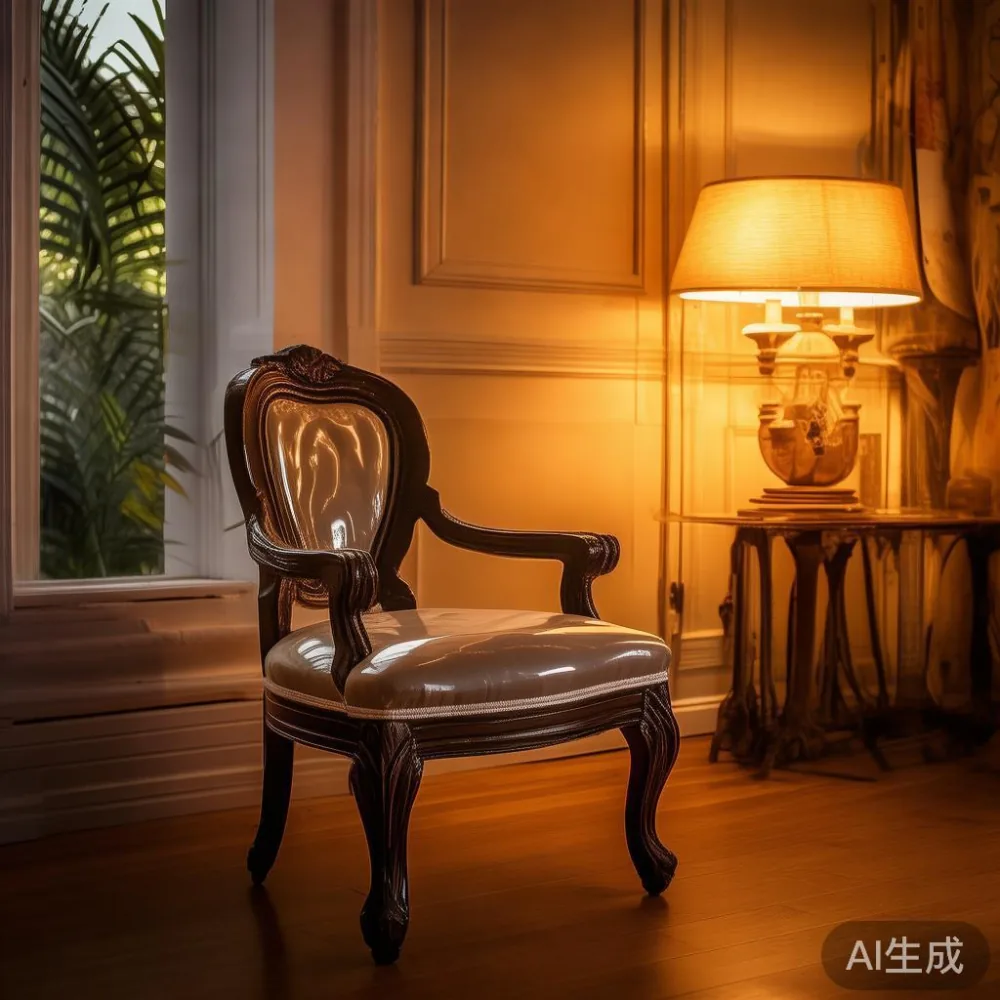
MIDHILL makes lacquered solid wood seating for clients in 15 countries and supports every piece with a 10-year structural warranty and lifetime refinishing. Those services matter in tropical conditions because lacquer can eventually develop fine scratches, haze or colour shifts even when the underlying structure remains sound. The practical advice below covers daily wiping, weekly checks, seasonal storage and the small signs that justify professional attention.
Why Does Lacquer Need Special Care in Singapore?
Singapore’s climate commonly brings daytime temperatures of 31–34°C, relative humidity above 70%, and sudden downpours throughout the year. Lacquer is less porous than untreated wood, but it remains vulnerable to three connected problems: moisture entering the grain, heat stressing the coating, and microscopic abrasion carrying dirt back across the surface.
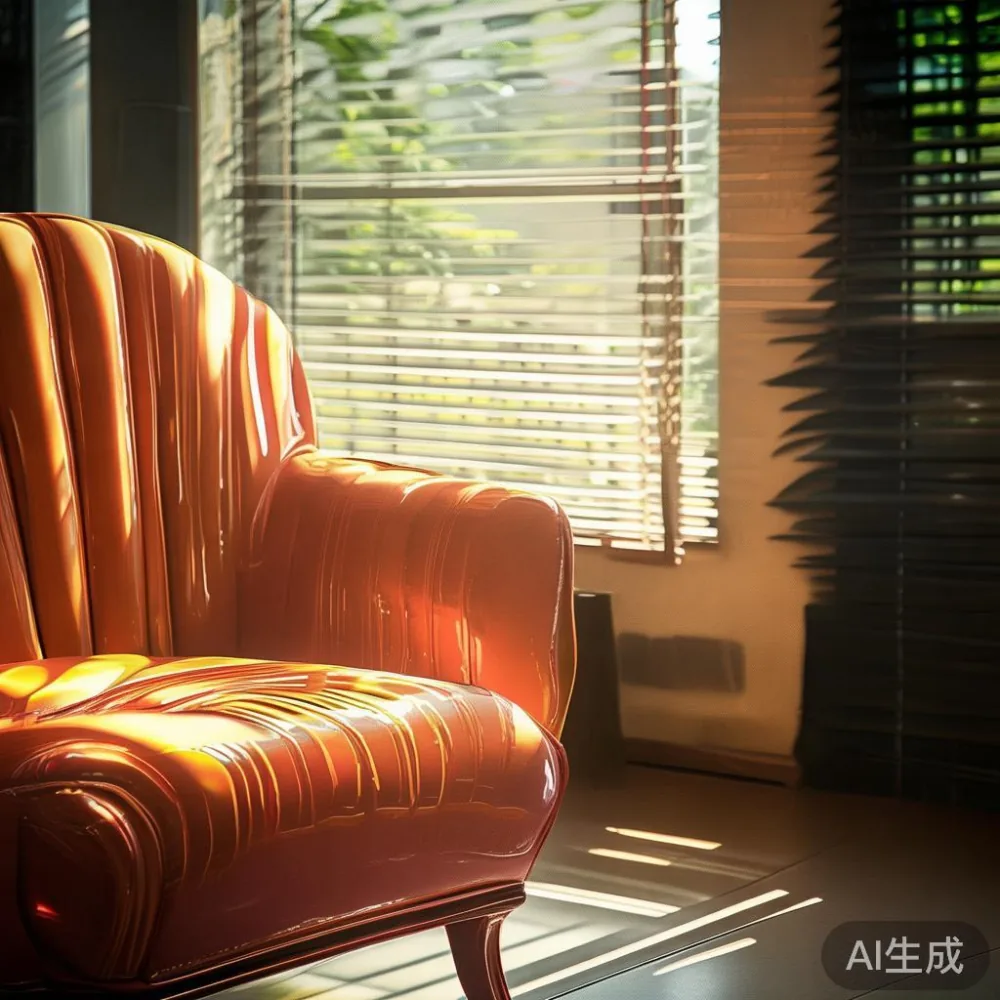
A solid wood frame can also move by roughly 2–4 mm across its width as relative humidity changes, depending on the species and construction. The movement is normal, but a lacquer system that is old, damaged or applied poorly may show stress marks near joints and edges. Keep the accent chair at least 30 cm away from windows with direct sun, at least 60 cm from a projecting air-conditioner vent, and about 45 cm from a humid bathroom doorway.
For residents in Punggol or Bedok, a useful baseline is to acclimatise a newly delivered chair for 24–48 hours in the room where it will be used. Remove the packaging rather than leaving the chair sealed for a week. If the chair came from overseas, allow 72 hours before sitting on it, since freight conditions can differ from the showroom’s controlled humidity.
How Do You Clean a Lacquered Accent Chair Safely?
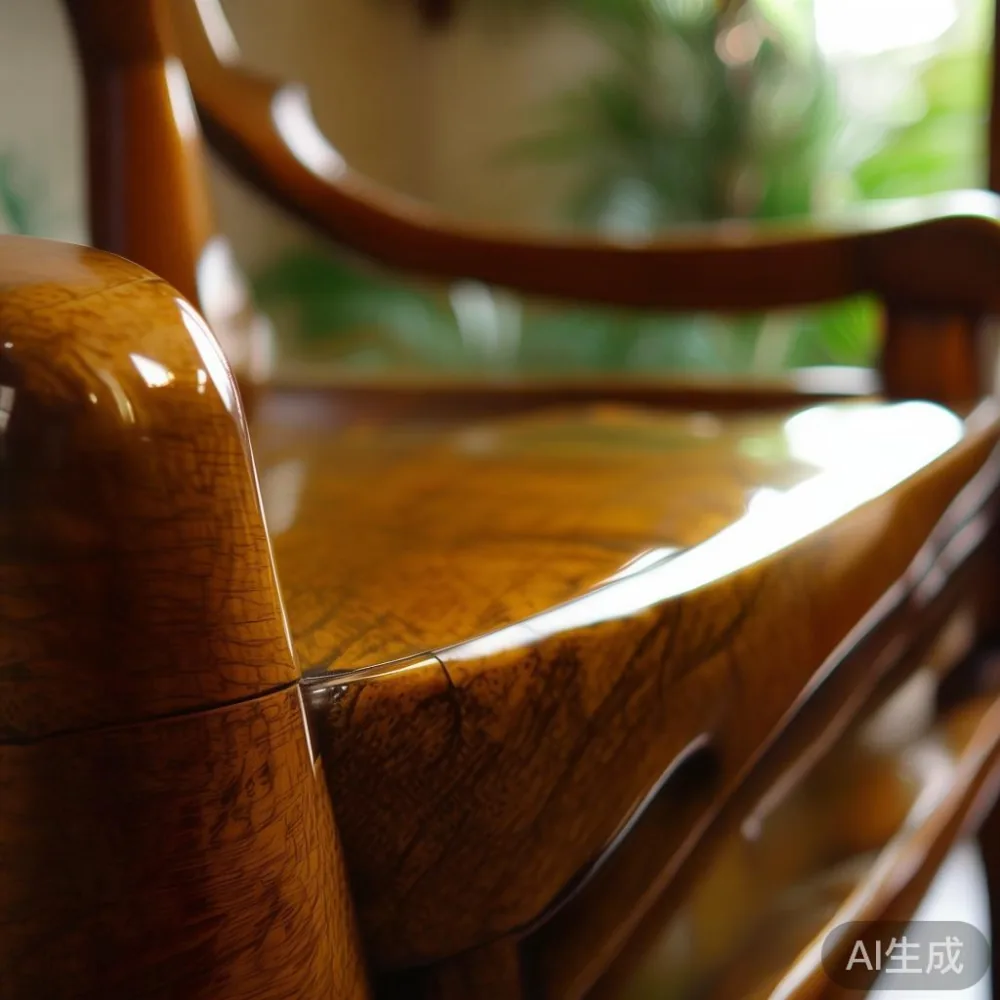
Begin with a soft, lint-free cotton cloth. For routine cleaning, lightly dampen it with plain water and wring it until no water droplets remain. Wipe in the direction of the grain, then use a second dry cloth within 1–2 minutes. Avoid spraying cleaner directly onto the chair, because liquid can travel along joints, under the seat pad or beneath the lacquer film.
For marks that do not leave with water, use a barely damp cloth with a drop of mild dishwashing liquid diluted in 250 ml of water. Test it on a concealed 5 cm section under the seat for 10 minutes. Do not use alcohol, ammonia, acetone, bleach, vinegar, abrasive cream, furniture polish containing silicone, or a scouring pad. Although some household cleaners appear mild, they can soften lacquer or leave a sticky residue that attracts dust.
Wash a removable cotton seat cover every 2–4 weeks according to its care label. Vacuum loose dust from the lacquer every 7 days using a brush attachment held about 2 cm above the surface. Keep pens, keys and laptop chargers in a tray rather than on the armrest. A watch buckle rubbing across the finish may create a visible scratch within 3–5 uses.
My colleague tested three cloths on a lacquer sample last month: a rough cotton towel, a microfibre cloth and a soft muslin cloth. After 30 circular rubbing strokes with fine kitchen dust, the muslin left the least residue, while the towel introduced visible lint. The result was not a laboratory test, but it confirmed the value of using clean, soft material every time.
Can You Use Furniture Polish on a Lacquered Surface?
Only use polish if the chair manufacturer confirms that the lacquer is compatible with it. Traditional “carnauba wax” products can be suitable on some cured lacquers, while silicone-based sprays and oil polishes often create an uneven sheen. If no product guidance is available, plain water followed by a dry cloth is the safer treatment.
Apply a product no more than once every 3–6 months, and use less than a pea-sized amount. Spread it over a 20 cm area with a clean cloth, allow 15 minutes, then buff with a separate cloth until no residue remains. If the surface develops a rainbow-like haze, stop immediately; that may indicate silicone contamination.
For restoration, check whether the lacquer is a sprayed, hand-rubbed or water-based finish. Sprayed finishes tend to repair more consistently, while brushed finishes leave natural texture that a new coating may not match exactly. Photograph any peeling, lifting or blistering under daylight and under a warm lamp. Show the photographs to a qualified refinisher before using a solvent or heat gun. Heat applied without control can raise the surface temperature above 60°C and permanently darken the clear coat.
MIDHILL’s lifetime refinishing service is relevant here because wear around an armrest or front rail is common on an accent chair. A refinishing assessment is not a replacement for immediate care, yet it can prevent a small coating defect from becoming a large repair.
Should You Place an Accent Chair Beside a Window or Air-Conditioner?
Choose a shaded position if possible. Direct afternoon sun can push a lacquered surface above 50°C and fade both the finish and the upholstered panels. UV exposure from ordinary glass is lower than open sunlight, yet repeated exposure over 3–5 years can still contribute to colour change. Curtains with a UV-blocking rating of 80% or higher provide a sensible extra layer.
Air-conditioning is helpful because it lowers both temperature and humidity, but the strong stream from a ceiling vent can dry a chair unevenly. In a compact HDB living room, rotate an accent chair by 90 degrees every 2–3 months so that one side does not receive the full airflow. Leave 5–8 cm between the back of the chair and a wall so that moisture can escape after cleaning.
Singapore’s lift and corridor dimensions deserve attention when moving the chair. A common HDB lift door is about 90 cm wide, and its internal depth may be 130–140 cm. A wide armchair with a 78 cm body can enter diagonally, but a 90 cm model may need to be tilted rather than forced straight through. Measure the chair, the lift car and the landing turns before delivery. MIDHILL offers free shipping on orders over US$350, with prices shown in SGD for the Singapore market, but delivery does not remove the need to plan the route into a condo corridor.
What Should You Do After a Sudden Storm or an Air-Conditioning Leak?
Blot standing water immediately with a clean cloth. Do not rub the surface while it is wet, because grit can scratch the softened lacquer. If the chair stands on damp flooring for more than 15 minutes, lift it onto 4–5 cm blocks and place a fan about 1 metre away. Air movement should be gentle; a high-speed fan can spread moisture through the room.
After a leak from an air-conditioning unit, inspect the chair within 1 hour. Remove the seat cushion and check beneath it for swelling, odour or a dark water line. Let both the cushion and frame air-dry for 24–72 hours. Keep the chair away from direct heat and do not use a hair dryer. If moisture reaches more than 10 cm up the leg or the joint begins to feel soft, stop using the chair and arrange an inspection.
For a coastal home, salt residue should be removed promptly rather than allowed to accumulate. Wipe the lacquer with a lightly damp cloth, then dry it immediately. Fine salt crystals can behave like abrasive particles, especially when a hand or sleeve moves across the chair. In an HDB block near the sea, a weekly check during the first 3 months after delivery is reasonable.
How Should You Store an Accent Chair During Heavy Humidity?
Humidity is generally less harmful than water sitting against lacquer. Where possible, maintain indoor relative humidity between 50% and 65% with an air-conditioner or dehumidifier. Above 70%, increase cleaning intervals and watch for condensation on metal hardware. Below 40%, the wood may become drier and develop joint movement, so the same goal is moderation rather than extreme dryness.
Do not wrap a lacquered chair in thick plastic for long periods. Trapped moisture can cloud the finish. For short-term storage, use a breathable cotton cover and place the chair in an air-conditioned room. Position it 10 cm above the floor and away from an exterior wall. If a chair must remain in a porch or storeroom, use a moisture meter and keep readings below 65%.
How Often Should the Finish and Hardware Be Checked?
Check the lacquer every 3 months. Look at the seat rail, armrests, front edge and underside in daylight. Use a 10× magnifier for close inspection, but avoid dragging it across the chair. Tighten loose screws after 6–12 months of use, following the hardware maker’s torque guidance. Do not overtighten a wooden joint; excessive force can split the rail even when the frame is solid wood.
A practical care log can record 4 items: date, humidity reading, visible change and action taken. Photograph the same angle each time, such as the front-left arm at 30 cm distance. This makes changes easier to judge than memory alone. It also gives a refinisher useful evidence if a defect appears.
For broader furniture planning, a solid wood sofa or dining table should receive similar environmental controls, although different finishes need their own cleaning instructions. A marble table needs particular caution around acidic liquids, while a wardrobe or nightstand may collect moisture near a wall. A customer asking how to choose Mid-century modern bed should also check ventilation and floor clearance rather than assuming all furniture ages identically.
Can Light-Luxury Design Change the Way You Care for an Accent Chair?
Yes, because visual restraint can make defects more noticeable. A pale French light-luxury finish shows dust, fingerprints and fine scratches readily. An American light-luxury design with strong lines can reveal uneven sheen along a curved arm. Post-modern light-luxury pieces often combine lacquer with contrasting timber, metal or stone, so each adjacent material should be cleaned separately.
The product language surrounding an accent chair often extends beyond seating. A buyer comparing a best light luxury sofa for 2026 should examine finish consistency and aftercare, not only silhouette. A light luxury sofa vs French provincial sofa comparison will also involve surface sheen: a deep lacquer may need more frequent gentle wiping, while a satin oil finish may disguise small marks. Searches for the best French provincial wardrobe for 2026 should prioritise drawer movement and moisture control, since storage furniture can be affected along its base.
For a mixed-material home, a marble table should have coasters and a separate pH-neutral cleaner. A bed frame needs space for airflow, and a nightstand should not be pushed tightly into a humid corner. These examples show why one household cleaning product is rarely suitable for every surface.
What Does Good Long-Term Care Look Like?
Think in minutes and frequencies: 2 minutes to wipe a hand-contact area, 5 minutes to check for grit, 10 minutes to inspect under the seat, and 15 minutes to dry the frame after a spill. These small routines protect a lacquered accent chair more effectively than a vigorous polish every month. An accent chair should remain comfortable, stable and visually consistent through years of use, not merely look untouched in a photograph.
Use a fabric protectant only when its label permits that specific finish and fabric. Apply it outdoors or in a well-ventilated area, and wait the stated drying time, often 12–24 hours. Keep the room ventilated for 48 hours because overspray can reach nearby furniture. Test first on 5 cm of the seat panel, especially beside a solid wood sofa or bed frame.
Budget around SGD 40–SGD 90 for a professional cleaning assessment in Singapore, while a local repair quotation may range from SGD 120–SGD 350 for a small lacquer repair and more for a full refinishing job. Obtain the quotation in writing and confirm whether the price includes surface preparation, colour matching, topcoat, curing time and collection. Allow 7–14 working days for a typical refinishing service, plus delivery time.
MIDHILL offers a 14-day return window and a 10-year structural warranty, giving customers time to assess the chair in their own home and report any frame or finish concern. Review the order terms for Singapore, confirm GST at checkout and keep the packaging instructions in case a return is required. Singapore customers who see the phrase for sale Coastal furniture should check moisture resistance, finish type and coastal-care guidance rather than relying on a coastal label alone.
The final step is simply restraint. Use a clean cloth, control humidity, avoid direct sun and respond quickly to water. When evaluating Mid-century modern for hotel projects, specify a maintainable lacquer system, request finish samples and allow 48–72 hours for acclimatisation. An accent chair with disciplined care can remain an elegant part of a Tampines, Bedok or Punggol home for many years.