How Humidity in Southeast Asia Affects Your Accent Chair and Other Solid Wood Pieces
I still remember the weekend I visited my colleague Priya's new 4-room HDB in Punggol. The renovation looked stunning on her Instagram feed — a French light luxury reading corner with a velvet accent chair, a slim solid wood bookcase, and a round marble side table catching the afternoon sun. Three months later, she messaged me a photo of the same accent chair, only now its front left leg had developed a faint bow, and the backrest cushion no longer sat flush. The culprit was not the chair. The culprit was the room: a west-facing HDB unit in Singapore, where afternoon humidity regularly pushes past 85% and air-conditioning cycles on and off every evening.
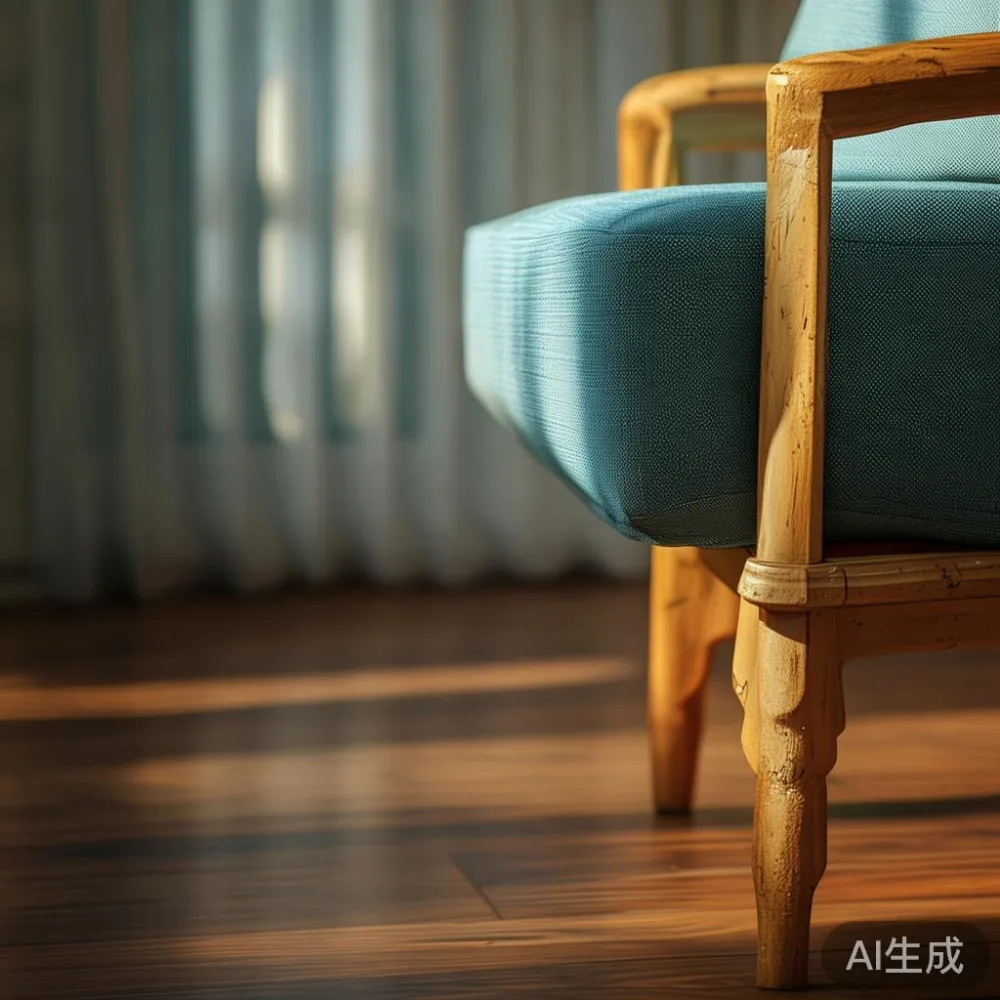
If you live between Tampines and Bukit Timah, you already know the feeling — that sticky air that settles into your curtains, your leather bag, and yes, your solid wood sofa, bed frame, dining table, wardrobe, and nightstand. Solid wood is alive in the sense that it responds to moisture. Understanding that response is the difference between furniture that ages gracefully and furniture that ends up with cracked panels, swollen drawers, and a wobbly accent chair in the corner.
Why Singapore's Humidity Is So Hard on Solid Wood Furniture
Singapore sits roughly one degree north of the equator. Average relative humidity runs between 70% and 85% year-round, and during the Northeast Monsoon (December to early March) and the Southwest Monsoon (June to September), it climbs higher. Indoor humidity in a HDB flat or condo without a dehumidifier typically sits between 65% and 80%. For comparison, most European or North American homes sit between 35% and 55% — the exact range furniture factories in those regions tune their joinery to.
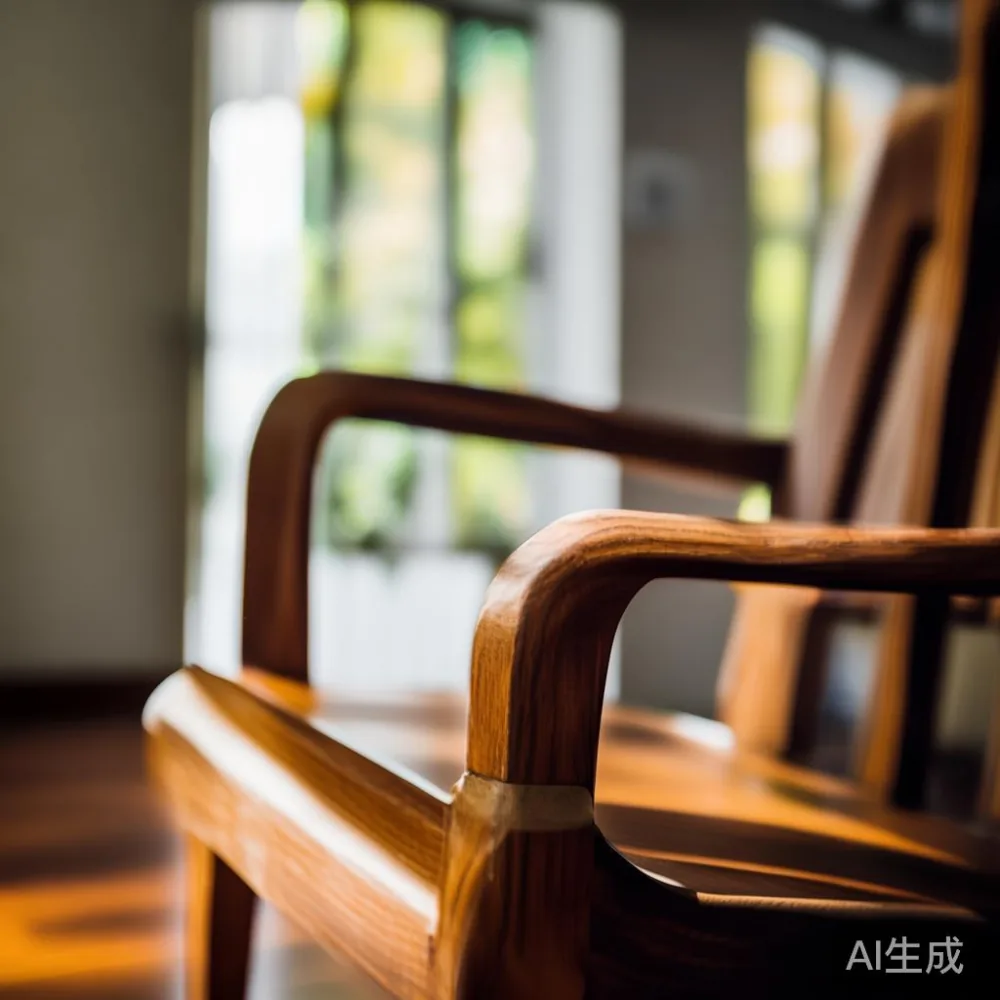
Wood moves across its grain as humidity changes. A 2.4m dining table solid oak top can swell by 3 to 5 mm in width across a humid week. That movement is small, but it stresses glue joints, splits mitres on a wardrobe, and twists the tapered legs of an accent chair. Engineered wood hides this movement better because it is laminated, but solid wood — the material you pay more for because it lasts decades — moves openly and honestly. Your job is to give it a stable environment.
Which Wardrobe Fits a 4-Room HDB Living Room?
A 3-door sliding wardrobe between 180 cm and 210 cm wide, 60 cm deep, and 220 cm tall fits most 4-room HDB living rooms without crowding the corridor, provided you keep at least 90 cm of clearance in front for walking and air circulation.
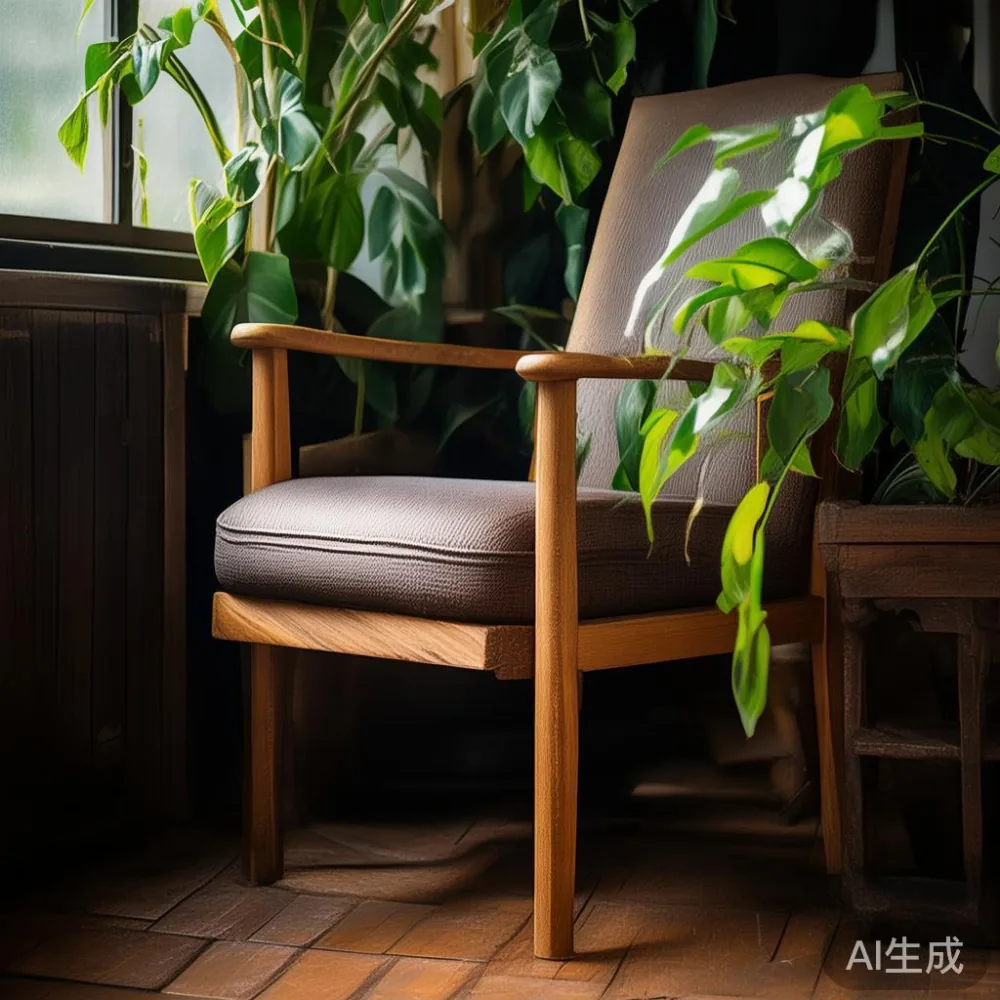
That clearance is not just for comfortable climbing into a lift — most HDB passenger lifts are around 1.1 m wide and 1.4 m deep, and the longer corridor entries between block and unit door run 1.2 m wide, so any wardrobe taller than 215 cm should be delivered unassembled or in two halves to clear the lift door and the corner turn. When you are measuring, leave 90 cm in front of the wardrobe doors for the doors themselves to swing or slide without hitting a solid wood coffee table or an accent chair placed opposite. In a 4-room HDB living room of about 18 to 22 sqm, a wardrobe that is 200 cm wide and 60 cm deep usually leaves enough room for a 90 cm sofa, a 45 cm accent chair, and a walking path of 80 cm between them.
For households that prefer open shelving, an American light luxury style often pairs a tall wardrobe against the longest wall and balances it with a low solid wood TV console and a single accent chair in the corner. The wardrobe holds the bulk of the storage, while the open side of the room stays breathable — which matters in our climate, because enclosed wood against enclosed wood traps moisture and slows drying.
What Humidity Actually Does to an Accent Chair, Dining Table, and Bed Frame
Last month I visited MIDHILL's showroom in Foshan with a small group of Singaporean buyers. The manager walked us through a simple test: he placed a moisture meter on a solid oak dining table top that had been air-conditioned overnight. The reading was 7%. He then moved the same meter to a piece sitting near the loading bay doors, where outdoor humidity was hovering around 80%. The reading jumped to 11% within ninety minutes. That 4-point swing is enough to make a 240 cm top cup very slightly at the edges — a phenomenon joiners call "breathing." It is not damage, but it is a warning sign if the piece is restrained too tightly by its frame.
On an accent chair, the symptoms show up first in the legs and the backrest joints. A typical solid wood accent chair uses mortise-and-tenon joinery at the seat frame. When humidity rises, the tenon swells inside the mortise; when it drops, the tenon shrinks and the joint loosens. Over months of cycling, the chair begins to wobble. On a bed frame, the side rails bow outward, and the slats start to sit unevenly. On a dining table, the apron (the horizontal frame just under the top) can split at its mitred corners if the top swells faster than the apron. On a wardrobe, the doors stop hanging square and the drawers start to stick in humid weeks and rattle in dry ones.
A marble table behaves differently — stone does not absorb moisture — but the solid wood base under a marble top still moves. I have seen bases where the marble stayed flat while the wood sub-frame twisted underneath, cracking the adhesive bond. Any piece that combines a marble top with a solid wood base needs the same humidity care as an all-wood piece.
Practical Numbers for Singaporean Homes
Here are the figures worth memorising, because they translate directly into how your furniture behaves day to day:
- Target indoor humidity: 45% to 60%. Above 65%, wood starts to swell noticeably. Above 75%, mould risk on unfinished surfaces rises sharply.
- Acceptable wood moisture content for indoor furniture in Singapore: 8% to 12%. Anything above 14% is risky; below 6%, the wood becomes brittle and prone to surface cracking.
- Distance from an exterior wall: keep solid wood pieces at least 10 cm away to allow air circulation behind them. Pushing an accent chair flat against a HDB wall traps moisture and invites mildew on the backrest.
- Distance from air-conditioning vents: at least 30 cm. Direct cold air dries one side of a piece faster than the other and causes uneven movement.
- Floor clearance: a modular desk for dining room setups, sideboards, and wardrobes should sit on adjustable feet so air moves under them. A 3 cm gap is enough to prevent the musty smell that builds under enclosed solid wood in 80% humidity.
For a 4-room HDB flat, a mid-sized dehumidifier with a 12-litre daily extraction rate covers about 40 sqm — enough for the living room and one bedroom running in tandem. In a 5-room HDB or a condo unit like those in Bedok Reservoir or Tampines GreenRidges, the living-dining can run 25 to 35 sqm, and a 16-litre unit handles the space without running the compressor continuously.
How MIDHILL Builds Solid Wood Pieces That Handle Humidity
MIDHILL has been making solid wood furniture in Foshan since 2008 and now ships to more than fifteen countries, with Singapore among its regular destinations. The pieces I walked through at the showroom shared three humidity-related choices worth noting.
First, the factory kiln-dries its solid wood boards down to a moisture content between 8% and 10% before assembly, which is closer to the indoor humidity most Singaporean homes maintain under air-conditioning. Second, drawer bottoms and wardrobe back panels use solid wood panels with small expansion gaps left around the perimeter — about 2 mm per side — so the wood can swell without splitting the case. Third, the joinery on the dining table and bed frame lines uses floating tenons and wooden dowels rather than heavy metal brackets, which lets the wood move naturally without stressing screws.
The warranty on the structural frame is ten years, and the company offers lifetime refinishing — a useful feature in our climate, because surfaces that are lightly scratched or dried out can be sanded and re-oiled rather than replaced. Shipping to Singapore on orders over US$350 is free, which roughly covers a single accent chair or a nightstand, and delivery by sea to Singapore typically takes 18 to 25 days from Foshan, including customs clearance and lift-up to the unit where the corridor widths cooperate. Returns within 14 days are accepted on stocked pieces, which gives a comfortable window to inspect the piece in your own home.
Day-to-Day Habits That Keep an Accent Chair and Other Pieces Stable
A piece of solid wood furniture rarely fails from a single humid week. It fails from hundreds of small swings, each one loosening a joint a fraction of a millimetre. The habits below slow that drift considerably, and they cost nothing extra:
- Run a dehumidifier in the living room for 4 to 6 hours a day during the wetter months. Target 55% rather than 40% — over-drying is just as harmful as over-humidifying, because wood that swings between 8% and 14% moisture content develops the same joint fatigue as wood that stays at 12%.
- Wipe the legs of your accent chair and dining table once a week with a slightly damp cloth, then dry them. This evens out the surface moisture rather than letting one side dry faster than the other.
- Rotate cushions on an accent chair every two weeks. The foam and fabric on one side dry out faster than the other under direct afternoon sun, and rotation evens the wear.
- Keep solid wood pieces at least 1.5 m away from fish tanks and indoor plant walls that mist. Localised humidity spikes around these features can push the moisture content of nearby wood above 14% within days.
- Refinish dining tables and nightstands with a hard wax oil once a year. The oil slows moisture exchange across the grain and reduces the visible breathing lines that show up on wider tops.
- Check the adjustable feet on wardrobes and sideboards every six months. HDB floors are not always perfectly level, and a piece that rocks slightly under load moves more than a piece that sits flat.
One last detail that often gets overlooked: corridor and lift logistics. A standard HDB passenger lift is about 1.1 m wide, 1.4 m deep, and 2.1 m tall inside, with a door opening of roughly 0.9 m wide. A fully assembled 2-door wardrobe taller than 200 cm rarely clears the corner turn from the lift lobby into the unit, and the longer corridors in newer Punggol and Sengkang blocks sometimes narrow to 1.2 m at the fire-stair cross. Delivery teams that know these measurements will deliver unassembled and assemble in the room, which also means fewer glued joints are stressed during transport.
Buying with Singapore's Climate in Mind
When you shop for a solid wood piece — whether an accent chair for the reading corner, a bed frame for the master bedroom, a dining table for six, or a wardrobe for the household storage — three numbers on the spec sheet tell you almost everything you need to know about how that piece will behave in a HDB or condo unit. The first is the stated wood moisture content at delivery: anything between 8% and 11% is well-suited to air-conditioned Singaporean homes. The second is the joinery description: mortise-and-tenon, dowel, or dovetail joints handle movement better than staples, nails, or plain screws. The third is the finish: a hard wax oil or a polyurethane seal both work in our humidity, provided the finish is maintained.
Price context: a solid wood accent chair in a post-modern light luxury style typically retails between SGD 480 and SGD 1,200 in Singapore, depending on upholstery and frame material. A 1.8 m solid oak dining table in a French light luxury silhouette lands between SGD 1,800 and SGD 3,400. A 2 m three-door sliding wardrobe in a neutral American light luxury palette ranges from SGD 2,200 to SGD 4,800. Including 9% GST on these figures is normal for retail furniture in Singapore, and the higher bracket usually reflects thicker frames, dovetail drawers, and a longer warranty — all of which translate into better humidity tolerance.
If you are furnishing a Tampines or Punggol HDB and want pieces that will still look honest ten years from now, treat the climate as part of the brief. Buy solid wood that has been kiln-dried to a moisture content close to your indoor target, choose joinery that allows movement, leave clearance around it for air to move, and run a dehumidifier during the wetter months. Do that, and the accent chair in the corner will still be the accent chair in the corner a decade later — not a wobbly reminder of what humidity can do.