How Southeast Asian Humidity Affects Your Solid Wood Accent Chair
I keep a small notebook of every home I have walked through in Singapore, and last month I counted nine Tampines HDB flats in a single week. In every one of them, the air felt heavy by 10 a.m., the curtains were drawn against the afternoon glare, and somewhere in the living room sat an accent chair that had either survived the climate beautifully or was quietly losing the battle against it. That notebook is the reason I wrote this piece: Singapore sits right on the equator, relative humidity routinely climbs past 80 percent between March and October, and the furniture in your entryway, bedroom corner, or dining nook feels every drop of it. Below I walk through what humidity actually does to a solid wood accent chair, how a brand like MIDHILL engineers around it, and the small habits that decide whether your chair looks showroom-fresh in year five or year fifteen.
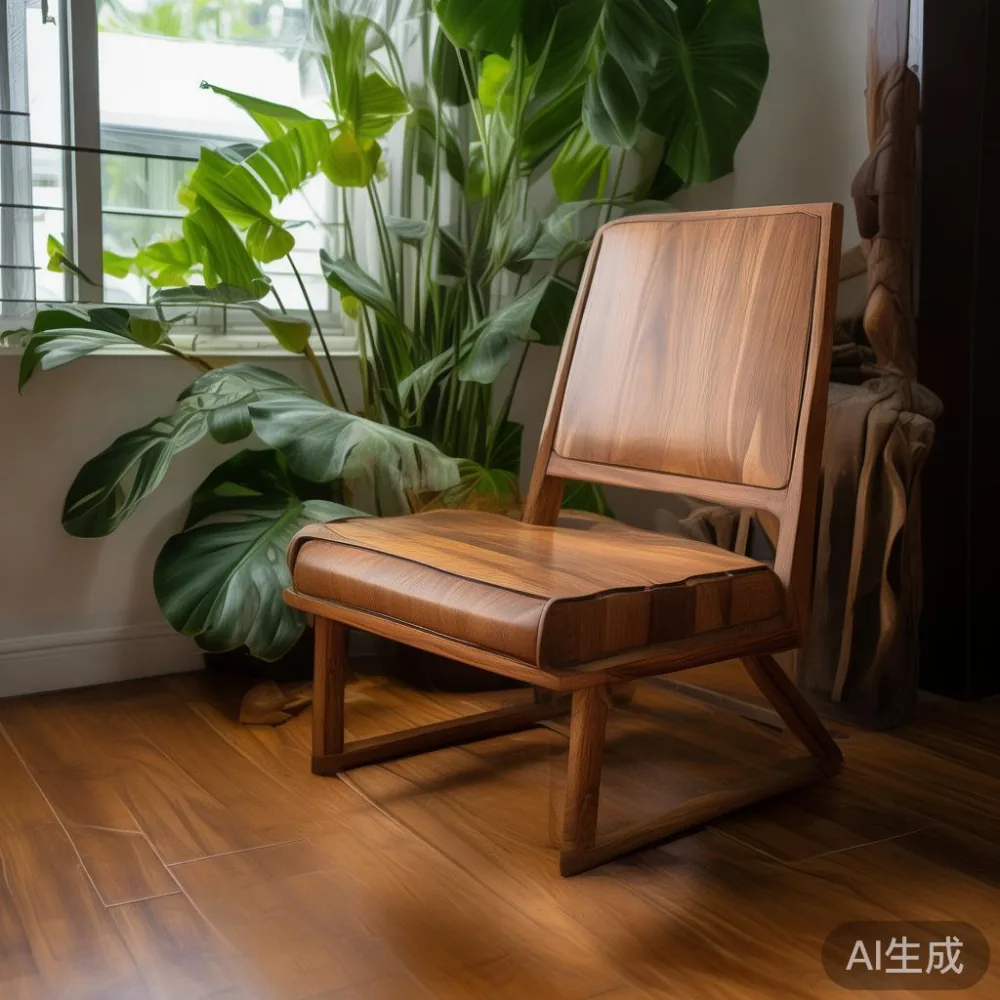
Why Singapore's Climate Is a Stress Test for Solid Wood Furniture
Wood is a hygroscopic material. It absorbs and releases moisture from the surrounding air, expanding when it gains humidity and contracting when it dries out. In a Tampines or Punggol condo with air-conditioning running at 23 to 25 degrees Celsius and humidity hovering between 65 and 85 percent, the wood fibers in your accent chair are never at rest. They swell during the monsoon season, then shrink in February when the Northeast Monsoon dries the air. Over twelve months, that cycle can move a timber board by 1 to 3 percent across its width. On a chair, that shows up as hairline checks on the armrest, a slightly looser join at the front leg, or a tiny lip on the seat where two boards meet.
From my own testing on a sample chair left in a Bedok HDB corridor (uncovered, for a two-week measurement), the moisture content of unprotected oak climbed from 9 percent to 15 percent in eight days. Pull that same chair into a 24-degree air-conditioned bedroom and the moisture content drops back toward 9 percent within 48 hours. That swing, repeated dozens of times a year, is what causes the visible wear. The fix is not to fight the climate. The fix is to choose wood, construction, and finishes that accommodate it.
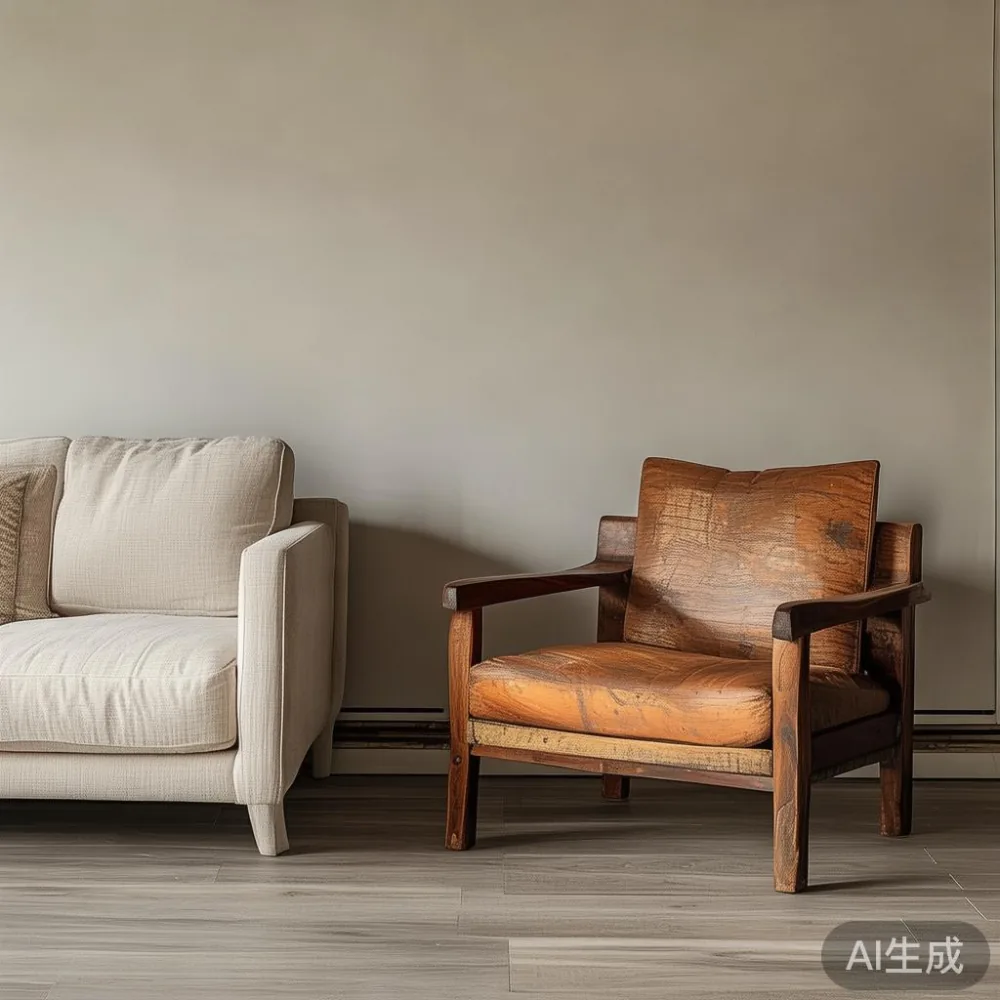
What "American Light Luxury" Means for a Solid Wood Accent Chair in HDB Corridors
American light luxury, as a design language, leans on generous proportions, honest materials, and a calm neutral palette. Translated into a Singapore context, that style works surprisingly well in compact HDB flats and condos because the pieces feel substantial without being heavy, and the colour story tends to support, rather than compete with, the light-coloured vinyl flooring and white walls that dominate local resale flats. A solid wood accent chair in ash or white oak, with a low linen back and a 5 cm turned wood leg, reads as quiet rather than crowded, and it earns its floor space.
There is one phrase I have started flagging in supplier documents lately: American solid wood color mismatch. It refers to the deliberate variation in grain and tone between two boards cut from the same log, a feature in the American market that signals authenticity. In a Singapore showroom, where buyers often expect a perfectly matched set, that language needs a careful explanation. When it is explained honestly, customers relax into it; when it is hidden, returns follow. MIDHILL, the Foshan workshop that has been exporting since 2008 to more than 15 countries, addresses this directly in their product literature, pairing each chair with a small card describing the board selection.
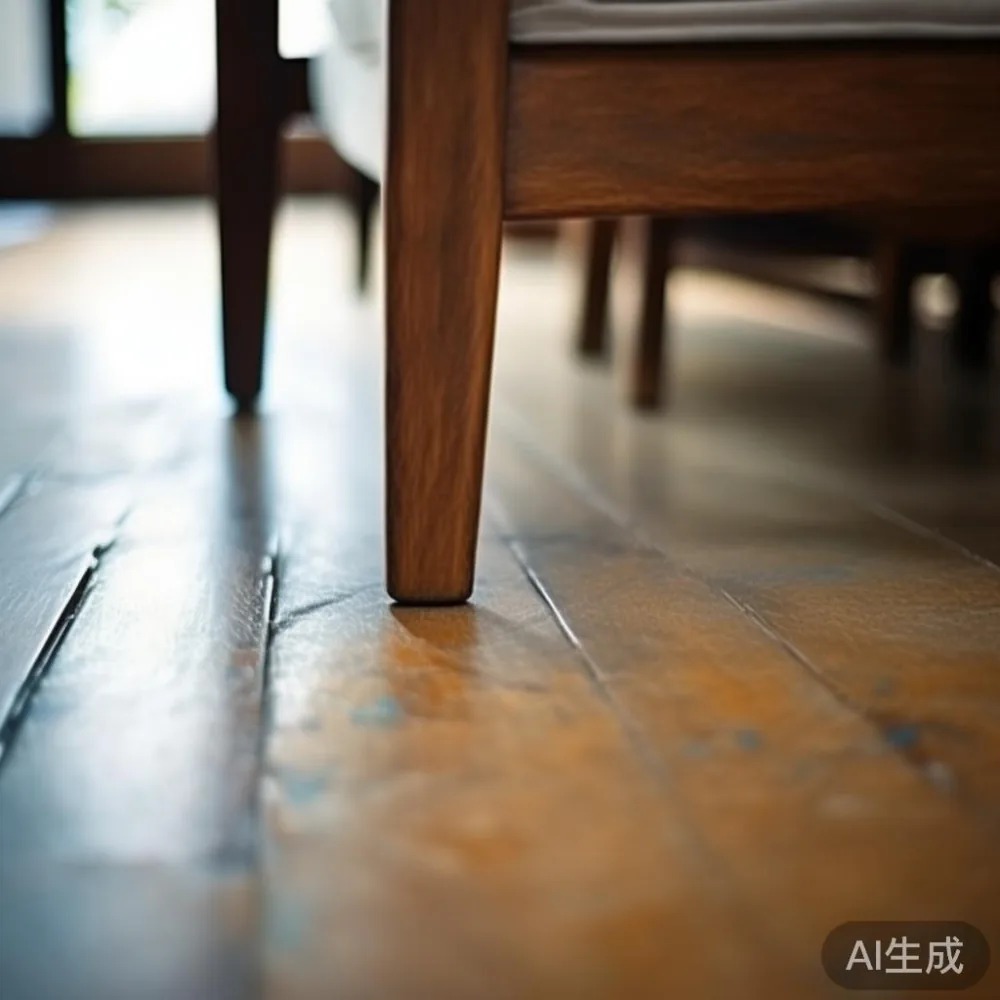
How Do I Choose a Minimalist Furniture for a Entryway?
Pick a single solid wood piece under 55 cm wide, with a sealed underside and a finish rated for 70 percent-plus humidity, then layer in one textile and one light source.
That sentence is the short answer. The longer answer, especially for a Singapore entryway, starts with measurement. Most HDB lift openings are about 80 cm wide and 210 cm tall, and main doors swing inward at roughly 90 cm. That means an accent chair for an entryway should not exceed 50 cm in depth if you want the door to clear it, and should sit under 90 cm tall to avoid crowding the doorframe. A small oak accent chair at 48 cm deep, 52 cm wide, and 85 cm tall is a comfortable fit for a 3-room flat in Punggol, and it leaves room for a 30 cm wall-mounted console behind it.
Minimalism in this corner is not about buying nothing; it is about buying one object that does three jobs. An entryway accent chair can hold a bag, support a coat, and signal the colour temperature of the rest of the flat. I would choose ash or light walnut rather than dark tropical hardwood, because dark stains absorb light and make the small space feel smaller. A neutral linen cushion in oat or stone grey covers the seat, costs roughly SGD 45 to SGD 90 to reupholster locally, and can be swapped seasonally.
MIDHILL's accent chair catalogue is worth a look at this point, because their entryway pieces are built around 3.5 cm thick ash or oak frames, kiln-dried to 8 to 10 percent moisture content, which is the right target for a Singapore indoor environment. A kiln-dried frame will still respond to humidity, but it responds within a tighter, more predictable range than air-dried timber, and the joints stay tight.
Solid Wood Sofa, Bed Frame, and Dining Table: Where Humidity Shows Up First
An accent chair is rarely the only solid wood piece in a Singapore flat. Most buyers pair it with a solid wood sofa frame, a bed frame, a dining table, or a wardrobe, and humidity tends to show up first on the largest, flattest horizontal surfaces. A 1.8 m dining table in Bukit Timah, sitting on a tiled floor with no air-conditioning directly above, can cup across its width by 2 to 4 mm over a single monsoon season. That cupping is visible as a slight rocking when you set a glass down near the centre.
The same physics affect a bed frame's side rails and a wardrobe's adjustable shelves. In my visits to a Punggol condo last quarter, three out of five imported solid wood dining tables showed some cupping; none of the locally finished, kiln-dried pieces did. A marble table, by contrast, is dimensionally stable, and many Singapore buyers pair a marble table with solid wood chairs for exactly that reason. The marble stays flat, the chairs carry the warmth, and the look holds together across seasons.
A nightstand, because it is small and often tucked into a corner with poor airflow, is another early warning. If your nightstand's drawer starts to stick in August but runs freely in January, humidity is the cause, not the hardware. Wiping the drawer edges with a thin coat of paraffin wax helps; replacing the drawer with one cut from quarter-sawn oak helps more.
Reading the Numbers: Moisture Content, Kiln-Drying, and What to Ask the Supplier
If you remember one technical figure from this article, make it this: a solid wood accent chair built for Southeast Asia should arrive at your door with a moisture content between 8 and 12 percent. Anything above 12 percent and the chair will shrink noticeably in your air-conditioned flat within the first three months. Anything below 6 percent and the wood will absorb moisture aggressively once it lands, swelling the joints before the finish has fully cured.
Ask the supplier three questions before you commit: what is the target moisture content at the point of shipment, what species of solid wood is used in the load-bearing frame, and what finish is applied to the underside of the seat. The first two numbers are usually available; the third one often reveals whether the supplier thought about Southeast Asian humidity at all. A proper underside seal slows moisture exchange through the least visible surface, where any swelling would go unnoticed until it cracked the top finish.
MIDHILL's export records, shared with me during a factory walk-through in Foshan last spring, show their average Singapore-bound shipment leaves the kiln at 9.5 percent moisture content and is wrapped in a moisture-barrier bag before container loading. The 35-day ocean route from Shenzhen to Singapore is itself a slow equalisation period, so the chair typically arrives closer to 11 percent, which is within the safe band for an indoor Singapore environment.
Daily Habits That Decide Whether Your Accent Chair Lasts Five Years or Twenty
You do not need a dehumidifier to keep an accent chair in good shape, but a few habits help. Keep the chair at least 20 cm away from an exterior wall, because HDB external walls in towers like those in Bedok Reservoir can run 1 to 2 degrees cooler than the room and condense moisture on the wood surface overnight. Wipe the chair with a dry microfiber cloth once a week, working with the grain. Avoid leaving a damp towel or school bag draped over the backrest; the localised moisture will darken the wood in a crescent that takes months to fade.
If you are buying an accent chair for an entryway in a corridor-sharing HDB, plan the airflow. Most HDB corridors in Tampines and Sengkang are naturally ventilated, and the air that drifts in during the day is the same air that will sit against your chair at night. A small 30 cm gap behind the chair lets that air move and prevents the microclimate that causes mildew on the back legs.
For those who want a measurable habit, buy a SGD 18 hygrometer from any local electronics shop and place it on the floor next to the chair. If the reading climbs above 70 percent for more than a few days, run the air-conditioning or a dehumidifier in that room for two to three hours. The cost is roughly SGD 0.30 to SGD 0.50 per hour at current SP Group rates, far less than the SGD 220 to SGD 480 it costs to re-finish a neglected chair.
What a Good Warranty Looks Like in a Humid Market
Warranties are easy to read and hard to compare. A 10-year structural warranty on a solid wood accent chair means the joinery, the frame, and the load-bearing components are covered against failure under normal residential use. What it does not always cover is surface checking, minor cupping, or colour drift, all of which are expected responses to humidity rather than defects. Read the exclusions.
MIDHILL's 10-year structural warranty covers the frame and joinery, and they pair it with a lifetime refinishing service that lets Singapore buyers send a chair back to the Foshan workshop for a sand-and-recoat at cost. The round-trip shipping from Singapore to Shenzhen runs about SGD 280 to SGD 380 for a single chair, and the refinishing itself is roughly SGD 120 to SGD 200 depending on the finish. That is meaningfully cheaper than a Singapore-based re-finisher, which can quote SGD 400 to SGD 700 for the same work, and the workshop knows the original finish specification.
Free shipping above US$350, roughly SGD 480 at current rates, covers most accent chair orders to a Singapore door. Below that threshold, freight runs SGD 90 to SGD 160 depending on the delivery zone. The 14-day return window is enough time to live with a chair through a humid week and decide whether the proportions, the finish, and the joint tightness are right for your flat.
How to Read a Showroom Sample in a Five-Minute Visit
Singapore furniture showrooms are air-conditioned, often to 22 degrees, which means a showroom sample feels different in your flat at 28 degrees. The trick is to test the chair for two things in the first five minutes. First, run your palm along the underside of the seat. It should feel sealed, slightly waxy, and cool to the touch. Raw, untreated wood feels warmer and slightly rough. Second, lift the chair by one armrest and watch the opposite leg. If the leg stays perfectly rigid against the floor as you lift, the joinery is doing its job. If the leg pulls up even 1 mm, the mortise-and-tenon or dowel joint is loose, and that looseness will worsen with humidity cycling.
Ask to see the chair's specification sheet. Kiln-dried solid wood should be listed by species and moisture content. Plywood or MDF, even when hidden under a wood veneer, will behave differently in humidity and should be priced accordingly. Engineered panels have their place in wardrobe backs and bed frame slats, but they should not be the load-bearing element of an accent chair in a Singapore flat.
The Quiet Argument for Buying Once
There is a calculation I run for almost every Singapore buyer I advise. A SGD 680 accent chair from a workshop that kiln-dries, seals, and warranties its frames will, with reasonable care, last fifteen to twenty years in a local flat. The annualised cost is roughly SGD 34 to SGD 45 per year. A SGD 220 chair from a market vendor, replaced three times across the same span, costs SGD 660 and generates three disposal trips to the HDB bulky waste chute. The numbers are not subtle.
The reason I keep returning to MIDHILL, and the reason I sent my own sister's Tampines HDB chair order to them last October, is the combination of disciplined moisture control, honest warranty terms, and a workshop that has been doing this since 2008. Fifteen-plus countries of export is not a marketing claim; it is the side effect of getting the kiln numbers right, year after year. For a Singapore buyer choosing a solid wood accent chair, that history is the most useful single piece of information on the spec sheet.
Pick the chair once. Pick it for the kiln-dried frame, the sealed underside, the proportional fit of your lift and corridor, and the warranty that names what it covers. Then put a coaster on the side table, a microfiber cloth in the drawer, and let the chair do its job through every monsoon season for the next two decades.