How to Choose the Right-Sized Accent Chair for a Singapore HDB Living Room
An accent chair is useful in a Singapore home because it can provide a place to sit, hold a tray, fill an awkward corner, or create a focal point without the footprint of a full sofa. Yet choosing one by appearance alone can lead to a chair that blocks a walkway, crowds a dining table, or looks undersized beside a window. In an HDB flat or condo, measured space matters as much as style.
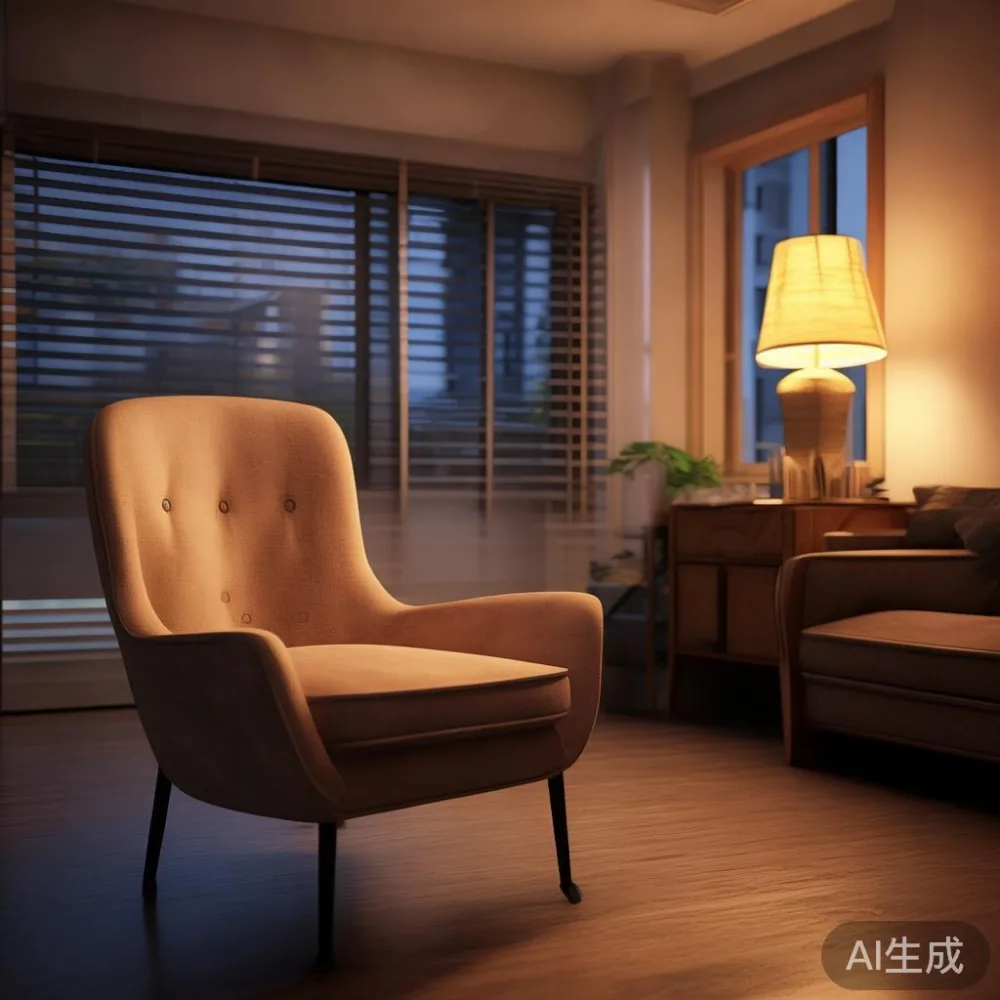
This guide uses typical living-room dimensions from Tampines, Bedok, Punggol, and newer private residences to explain how to choose an accent chair with realistic proportions. The same measurement method works for a solid wood sofa, bed frame, dining table, wardrobe, nightstand, or marble table: check the room, clearances, and route from the door before deciding.
For a wider comparison, MIDHILL designs solid-wood accent chairs in light-luxury directions, including French provincial accent chair styles, post-modern light luxury shapes, and restrained American light luxury details. A solid-wood construction can also support a 10-year structural warranty, while a lifetime refinishing service can help the chair age more gracefully in Singapore’s humid climate.
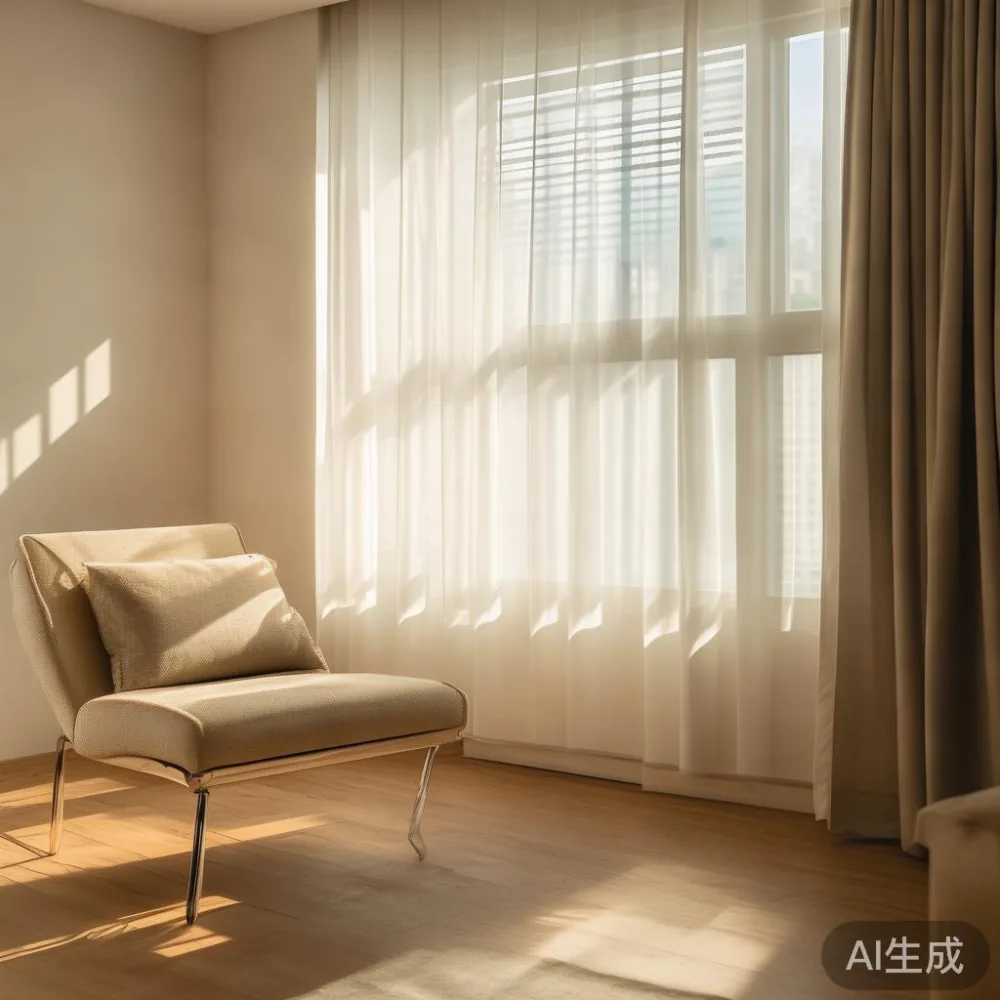
What size living room do Singapore HDB flats usually have?
There is no single living-room size, but many HDB layouts provide roughly 24-36 sqm of total flat space and a living or dining room around 9-15 sqm. Three-room BTO flats in Tampines and Bedok may have compact living rooms measuring approximately 2.7-3.3 metres wide and 3.0-4.2 metres deep. Older blocks and newer configurations differ, so these are planning ranges rather than guarantees.
The useful number is not only the floor area. Look at the distance between the main seating group and the television wall, dining zone, balcony door, or corridor entrance. A room can contain 12 sqm and still feel narrow if a 2.1 metre sofa, a 45 cm coffee table, and a 75 cm accent chair consume the main circulation path.
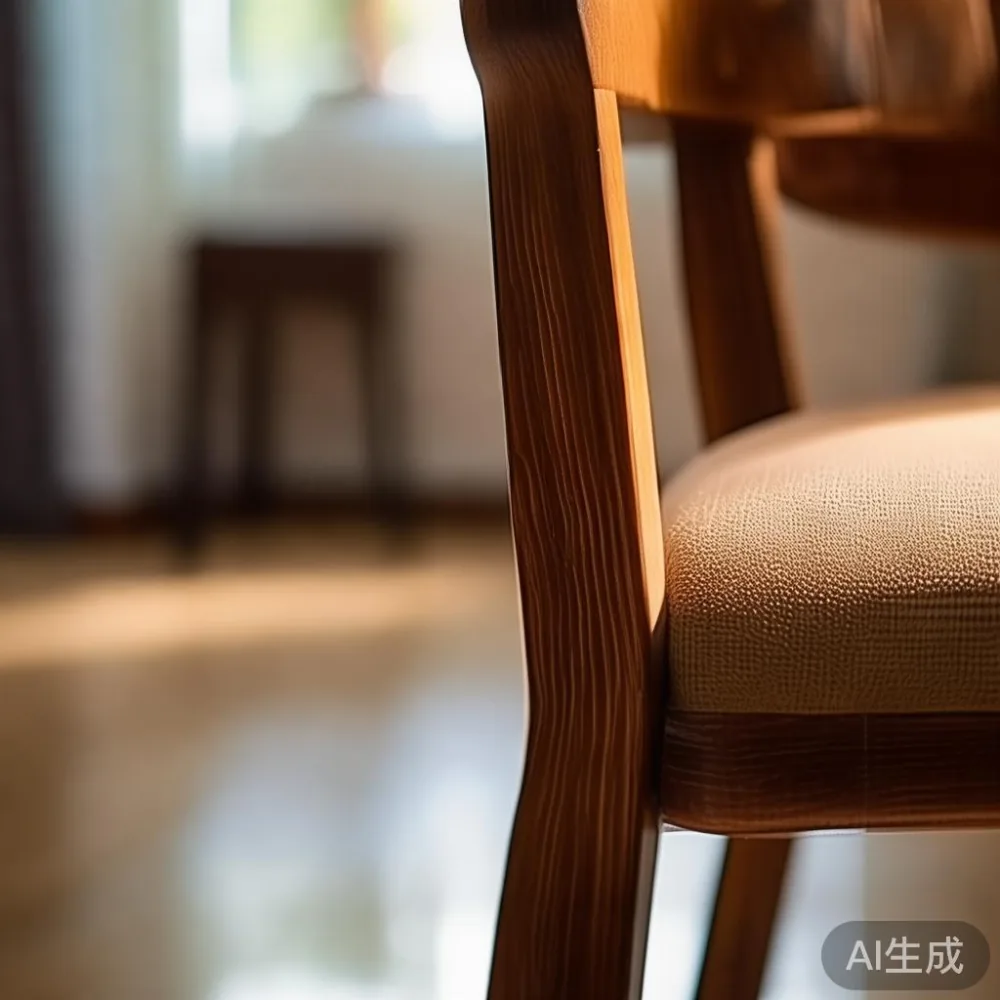
Measure the room in centimetres from wall to wall, then record the location of doors, windows, radiators, power outlets, and fixed features. Measure furniture that is already in place, including its depth and any reclined projection. For repeated choices, photograph each wall from standing height and sketch the measurements beside it; a 1 cm drawing error is less costly than a chair that cannot pass through the lift.
How much space should an accent chair leave around it?
A comfortable adult accent chair is commonly 60-75 cm wide, 60-75 cm deep, and 75-95 cm high. Upholstered swivel chairs may reach 85 cm wide, while compact wood-frame chairs can start around 48-55 cm wide. A useful small-home target is 60-65 cm wide and no more than 70 cm deep, provided the seat remains comfortable.
Allow at least 75-90 cm of clear space in front of the chair for pulling it out and standing up. If the chair faces a sofa across a coffee table, leave roughly 35-45 cm between the chair’s front edge and the table. Between the chair arm and a nearby wall, 10-20 cm is enough for cleaning, although a side table may need 25-35 cm.
The main passage should normally remain about 90 cm wide. In a tighter HDB corridor, 75-80 cm may be workable for occasional movement, but a chair should not reduce the route below that unless it is fixed outside the path. At a dining table, leave 60-75 cm from the table edge to the nearest wall or furniture face so someone can sit down and pass behind another person.
These clearances prevent a chair from becoming an obstacle in a home where residents carry groceries, manoeuvre laundry baskets, and move between bedrooms and kitchens. They also make an accent chair look intentionally placed rather than squeezed into the last available gap.
Which accent chair width works in a compact Singapore living room?
For a compact HDB living room, a 58-64 cm wide accent chair is often the most flexible range. Below 52 cm, the chair may feel narrow for an adult; above 76 cm, it can dominate a modest seating arrangement. If the chair will serve as a dining chair at least several times each week, select one with a firm seat and back support rather than a deep occasional chair.
Consider the room’s longest usable wall. A 65 cm chair placed beside a 180 cm solid wood sofa can create a balanced pair, while the same chair beside a 210-230 cm sofa may look small. Place a smaller chair near a window or console only if its visual weight is sufficient; tapered legs, a defined back, and natural timber grain can keep a 55 cm chair from appearing flimsy.
Last month I visited a renovated three-room flat in Bedok with a measured living-room width of 2.95 metres. The owners initially wanted two deep lounge chairs, each 82 cm wide, but the corridor beside the dining table narrowed to 74 cm. We tested a 63 cm wide solid-wood accent chair with a 64 cm depth. It still provided a comfortable seat, used less floor area, and left an 88 cm route to the balcony. That simple 19 cm reduction per chair made the layout calmer.
Use masking tape on the floor to mark the proposed chair footprint before ordering. Include the full depth, not merely the seat, and simulate the chair pulled out by another 30 cm. This check takes 10 minutes and can prevent an expensive delivery-day surprise.
Can an accent chair fit through HDB lifts and condo corridors?
Yes, but check the exact building. Standard HDB lift openings are often about 80-90 cm wide and 100-110 cm deep, while internal lift-car dimensions vary between blocks. Newer condo lifts may be larger, and service lifts in some developments can accommodate bulky furniture, but corridor turns can still create a problem.
Ask the management office for the lift opening and internal dimensions, then measure the chair in its packed form. A solid-wood accent chair should ideally have a maximum width of 68-72 cm and a height below 90 cm, with the back and legs designed to remain within the frame. Some tapered legs can be removed, reducing the packed depth to 45-55 cm, but confirm that removal does not affect the product’s structural warranty.
Diagonal entry is sometimes possible. A chair 62 cm wide and 68 cm deep may pass through a 79 cm lift opening if turned carefully, but hinges, rear projections, and protective packaging reduce the usable gap. Request packed dimensions in centimetres and a product photograph with the legs detached, rather than relying on the assembled size shown in a catalogue.
Measure the route from the lift lobby to the flat entrance, including the door leaf, hallway turns, thresholds, and any right-angled corners. For condo deliveries, also check parking-levy procedures and the booked service-lift window. MIDHILL’s delivery team should be able to confirm these details before dispatch, and a 14-day return policy provides recourse if an item is unsuitable after inspection.
Will a solid-wood accent chair suit Singapore’s climate?
Solid wood can work well in Singapore, but the species, finish, and maintenance routine matter. Teak and other durable hardwoods are commonly chosen for their stability, while oak and ash give a more pronounced grain. A kiln-dried frame helps reduce movement as indoor humidity changes across the day.
For solid-wood surfaces, use a damp cloth with mild soap and dry the surface promptly. Keep the chair away from direct afternoon sun through west-facing windows and away from air-conditioner vents that may cause rapid moisture changes. If the finish has a sheen, renew it according to the care schedule rather than waiting for visible wear.
A light-luxury finish should also suit the home’s visual language. French provincial details may suit a bright HDB living room with moulded surrounds, but restrained proportions are important. Search for how to style French provincial bed in apartment and how to style French provincial bed in room when you want the broader design language to feel connected rather than overdecorated.
Post-modern light luxury often works through a curved back, tapered leg, or simple upholstered panel. American light luxury can use clean lines and darker timber contrast. These styles are not limited to large homes; their key advantage in Singapore is the way a modest 60 cm chair can provide texture and shape without excessive ornament.
What is the right style for a small HDB or condo living room?
Begin with the existing furniture. If the room already contains a solid wood sofa and dining table with visible grain, a coordinating accent chair in a related timber tone will create continuity. If the main pieces are upholstered in neutral fabric, a slim wood chair can bring warmth without adding another large pattern.
French for small living room design usually favours light colours, vertical lines, compact seating, and fewer competing shapes. A pale upholstered accent chair with a 58-62 cm width can work in a 3.0 metre room, provided the palette includes cream, warm grey, and natural wood. Avoid making every surface ornate; one French provincial accent chair can act as the detail while the sofa and table remain quieter.
If a bedroom shares visual sightlines with the living area, remember that an accent chair may appear beside a bed frame. Searching for how to style American sofa in bedroom or how to style American sofa in bedroom can help clarify scale when a sofa is used as a daybed, but the chair should still leave at least 60 cm beside a bed edge where possible.
For mixed-use HDB interiors, the post-modern approach is often easier to manage. A simple shell chair with a curved back and 65 cm width works with a solid wood sofa, dining table, wardrobe, and nightstand. If you prefer a marble table nearby, keep the chair’s base visually light so it does not compete with stone veining.
How should I compare price, delivery, and warranty before ordering?
Compare the chair’s actual dimensions, timber species, finish, joinery, weight, and warranty together. Prices should be shown in SGD and include relevant local charges. Singapore’s 9% GST applies to most new furniture purchases, so a chair listed at SGD 799 before GST would be SGD 870.91 after GST. A quoted price of SGD 950 including GST can appear lower than SGD 870.91 before tax, which is why the tax basis must be clear.
A residential solid-wood accent chair may fall within an SGD 350-900 range depending on timber, upholstery, detailing, and construction. MIDHILL’s free shipping threshold of US$350 is stated in US dollars, so the company should confirm the equivalent Singapore threshold and any local delivery charge in SGD before payment. Never assume that an international threshold automatically matches a local free-delivery offer.
Check the expected delivery period in business or calendar days, as well as the installation and packaging-removal arrangement. A typical lead time might be 20-45 days for a made-to-order piece, while stocked items can take 7-14 days. For condo access, reserve the service lift for a specific 30-60 minute window and record any building restrictions.
Review the warranty with equal attention. MIDHILL provides a 10-year structural warranty on eligible solid-wood products and a lifetime refinishing service, subject to the stated terms. Confirm that the chair is covered, what “structural” means, and whether upholstery and finish are included. The 14-day returns policy is useful if colour, dimensions, or condition do not match expectations, so inspect the chair within that period.
Search results for best Modern light luxury furniture can be a useful style filter, but “best” is subjective and does not replace measurement. A better comparison is: 63 cm wide, 67 cm deep, 84 cm high, 11 kg, delivered in 10-21 days, with a documented 10-year structural warranty and a clear SGD total. You can browse specifications at www.midhill.co before requesting a dimension drawing.
How do I place the chair without blocking doors or windows?
Keep door leaves fully operable and maintain the natural route from the entrance to the kitchen, balcony, and bedrooms. In an open-plan HDB flat, place the chair at the end of the sofa rather than directly in front of it. A 20-30 cm gap between the chair and sofa creates a defined conversation zone without wasting floor space.
A corner near a window can make a good reading position if the glass can be opened safely. Use a 90 cm wide side table within reach, but allow 25 cm between the chair arm and table edge. If curtains hang close to the floor, check that the chair will not trap the fabric when moved.
Against a blank wall, centre the chair visually with a narrow console or picture rail rather than adding a large cabinet. A 110-130 cm console is often enough, leaving at least 20 cm on each side of a 63 cm chair. In a compact flat, skip the console if it narrows the passage.
Lighting also affects scale. A floor lamp behind the chair can frame it and reduce the need for another bulky table, but the cable should not cross a walking route. Use warm white light around 2700-3000K to complement natural wood. Keep the total furniture height below a typical HDB ceiling of 2.6-2.7 metres; the chair at 84-92 cm will normally fit comfortably beneath a 2 m ceiling.
What measurements should I send before ordering an accent chair?
Send a room sketch, the room width and depth, the locations of doors and windows, the sofa and dining-table dimensions, and the narrowest lift and corridor measurements. Include the finished floor level if the chair must cross a threshold. A clear measurement sheet should show the proposed chair position and 75-90 cm of front clearance.
Ask the supplier for the assembled and packed dimensions, the seat height and internal width, the weight, and a photo showing how the legs detach. A chair may weigh 9-14 kg, which is manageable for two people but awkward near a staircase. If it weighs more than 15 kg, plan professional placement rather than carrying it around a tight corridor.
Final sizing should meet four tests: the chair fits through the access route, at least 75 cm remains in front of it, the main passage is around 90 cm wide, and the chair looks proportionate to the sofa. If all four conditions are met, a 60-66 cm wide accent chair can add function and personality to an ordinary Singapore HDB living room while preserving the comfort of the wider home.