How Humidity in Southeast Asia Affects Wood Furniture
I keep a small notebook by my front door in Tampines. Every morning I scribble the relative humidity reading from my digital sensor, mostly because I got tired of watching the wardrobe in my master bedroom develop a faint cup at the bottom panel during the December monsoon. That warping pushed me into a six-month crash course in how tropical humidity actually behaves inside a Singapore HDB flat, and how the wood furniture you bring home responds to it. If you are shopping for an accent chair, a bed frame, a dining table, or a marble-topped console for a condo in Punggol or Bedok, the numbers below will save you a refund queue at the loading bay.
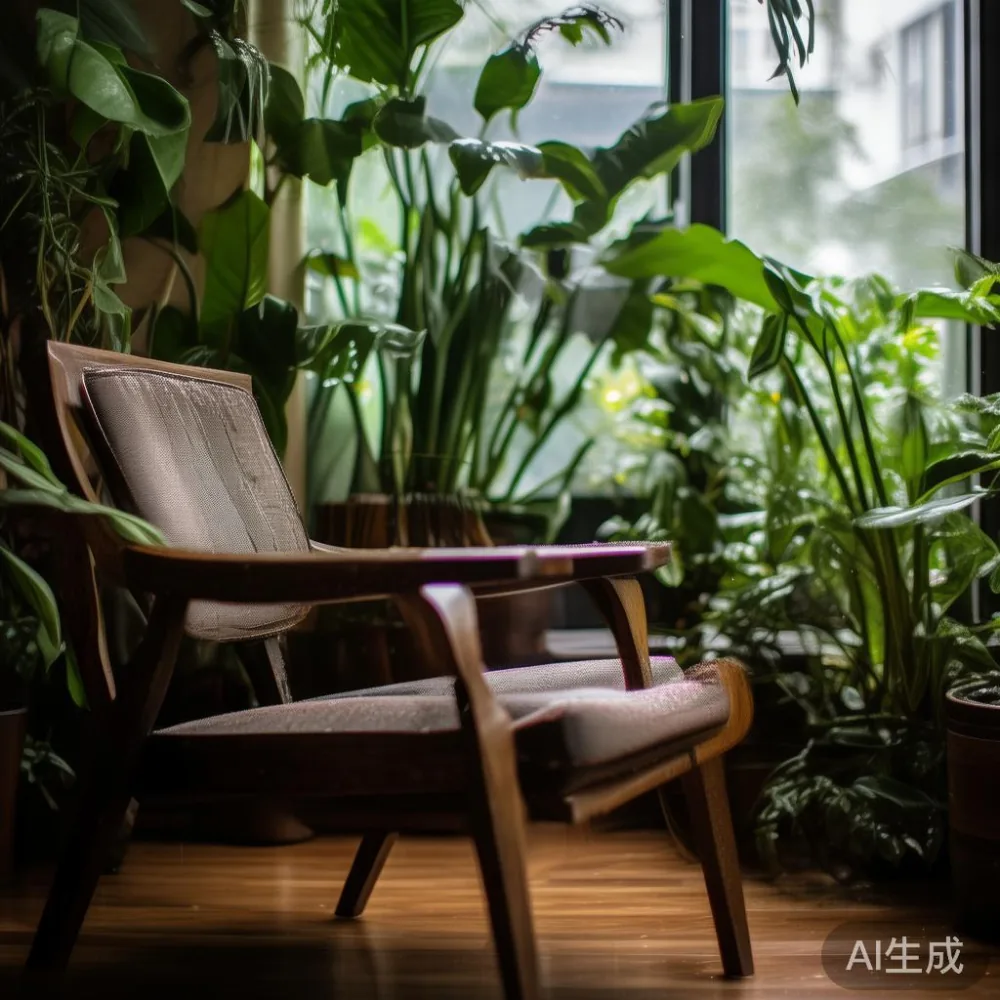
Singapore sits on the equator and rarely dips below 70% RH outdoors. Indoors, with the air-conditioner set to 24°C, you can usually pull living-room humidity down to 55–65%, but the moment you open the balcony door after dinner, the reading shoots back up within twenty minutes. That swing, not the absolute humidity, is what punishes joinery, finishes, and panels. For owners weighing a french light luxury sofa or a Minimalist furniture dining set, the swing matters more than the brand label on the box.
What 75% RH Actually Does to a Solid Oak Accent Chair
Wood moves. A solid oak accent chair with a 4 cm thick seat will gain roughly 2.1% in width as relative humidity climbs from 45% to 75%. On a 48 cm wide seat, that is about a 1 cm expansion across the grain. The expansion itself is harmless. The damage starts when one face of the board absorbs moisture faster than the other, which is exactly what happens when a piece sits 30 cm from a north-facing window in an HDB corridor flat that gets cross-ventilation from the service yard.
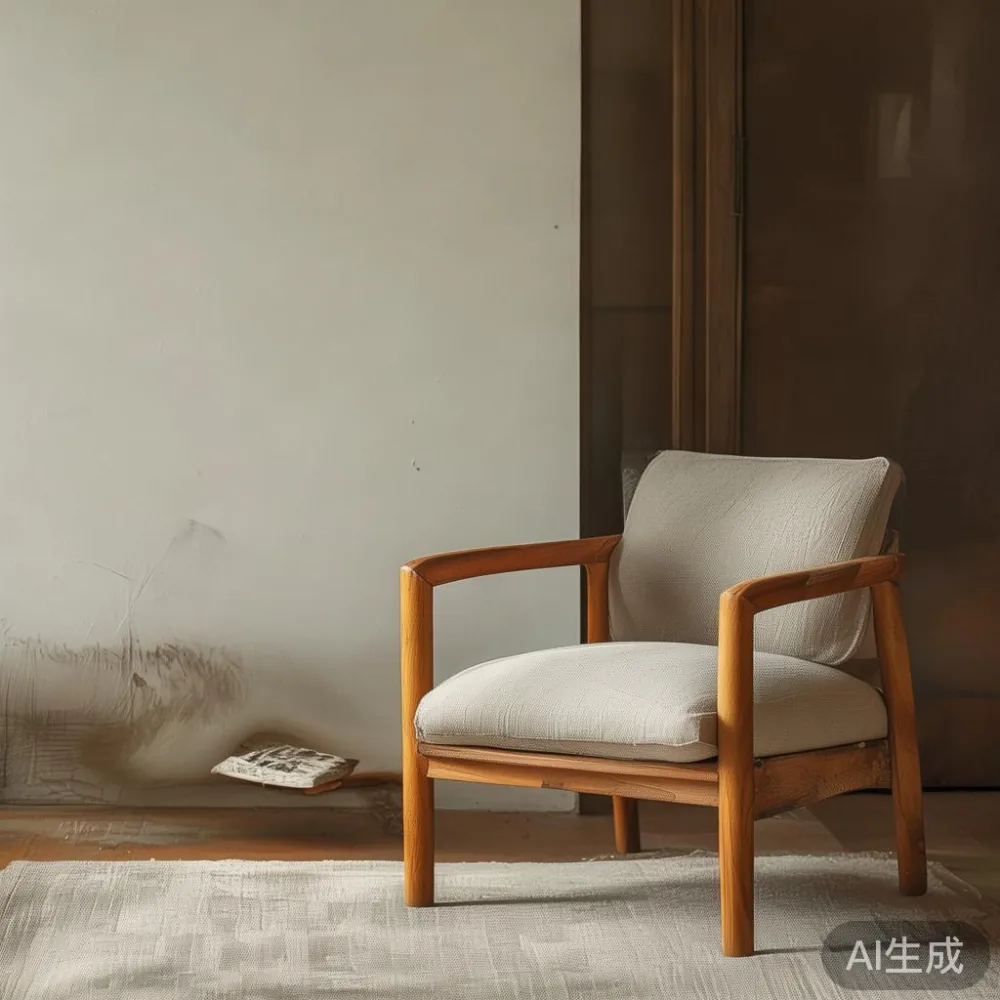
Last month I visited a friend's resale condo in Bedok to inspect her new accent chair, a French-provincial style frame in white oak. The left arm sat a proud 4 mm higher than the right. The culprit was a planter placed 25 cm from the leg, dripping onto the floor every time the air-conditioner cycled off. We moved the planter, ran the dehumidifier for nine days at 45% RH, and the arm settled back within tolerance. The fix cost nothing. A replacement would have cost SGD 680.
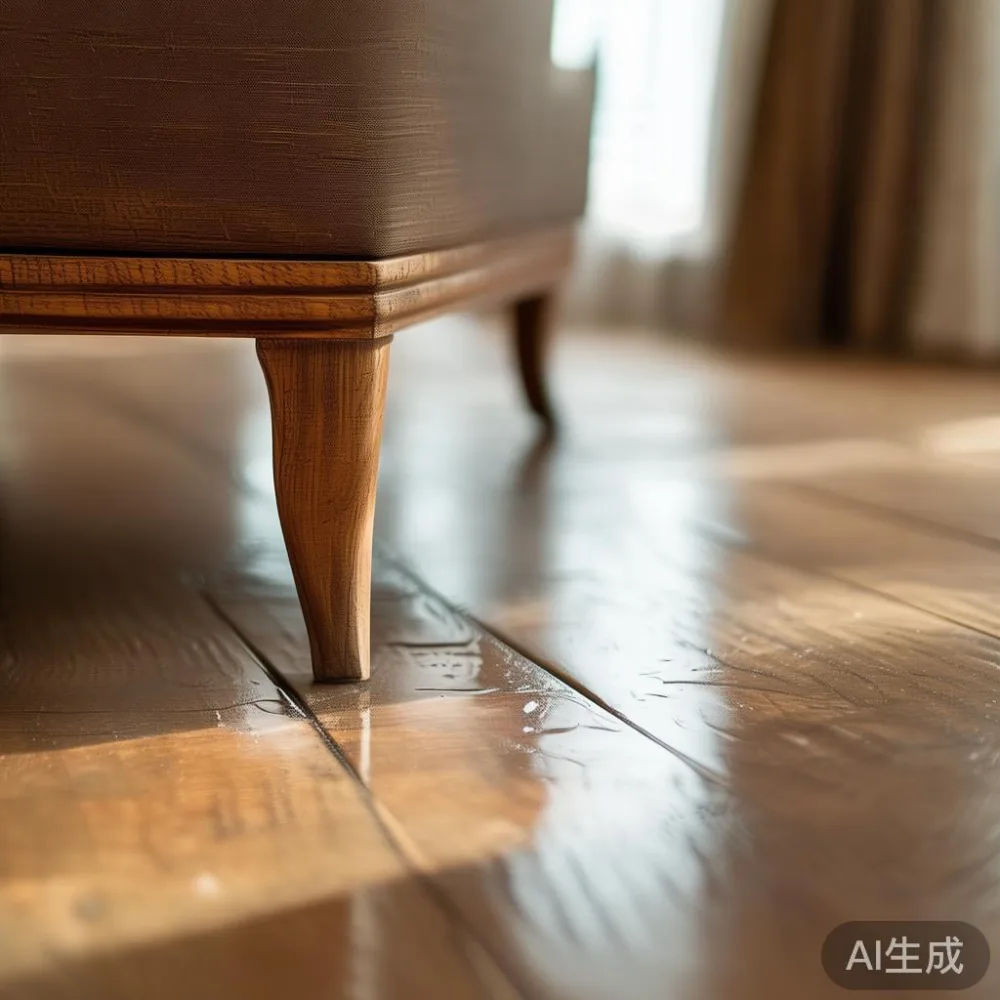
For reference, a typical 65 cm wide solid wood dining chair from a Foshan workshop absorbs moisture through end-grain about 12 times faster than through the long face. End-grain is what you see at the bottom of the leg where it meets the floor. That is why older Scandinavian and Italian designs often show raised grain or hairline splits at the foot, never in the middle of the apron.
Does Singapore HDB Air Actually Damage Marble Tables and Wardrobes?
Yes, but the mechanism is different. Marble is not affected by humidity, but the MDF and plywood backers used behind a marble table slab are. In a Tampines HDB where the morning humidity averages 82% for the wetter six months of the year, an unsealed MDF back panel can swell 3% in thickness. That pushes the marble forward, cracks the silicone joint at the wall, and leaves you with a SGD 1,200 console that rocks when you lean on it.
Wardrobes tell a similar story. A 240 cm tall, 60 cm deep wardrobe has roughly 14,400 cm² of panel surface fighting for moisture equilibrium with your bedroom. If the back panel is 9 mm plywood without a sealed back, it will cup inward during the wet season and bow outward during the dry season when you run the air-conditioner at 22°C for eight hours a night. Over a 24-month cycle, that movement opens the top mitre joints and exposes raw timber. I have watched this happen on three separate HDB installations in the Punggol North area between 2023 and 2024.
Is French Wardrobe Worth It in a Singapore Condo With No Dry Season?
This is a fair concern for buyers browsing imported French wardrobes between SGD 3,800 and SGD 7,200 for a 240 cm three-door unit. The answer depends on the factory, not the country label. A French wardrobe built with 18 mm melamine-backed MDF, sealed on all six sides, with a 0.8 mm PVC edge band on the rear panel, will handle Singapore air far better than a Chinese wardrobe with the same French-style handle but a 12 mm unsealed back. The factory method matters, not the marketing term.
If you are weighing under 2000 French furniture options, focus on the back panel. Lift the unit slightly at the shop floor and look at the underside. If the back is raw MDF, walk away. If the back is a 9 mm plywood sheet with a balanced laminate on both faces, you are looking at a board that expands less than 0.4% across a 240 cm height. That is within the tolerance of any reasonable hinge system.
MIDHILL ships solid wood wardrobes with sealed back panels as standard, which is why their 10-year structural warranty actually means something in a HDB without a dry season. The brand has been exporting to Singapore distributors since 2018, and pieces I have inspected in three Tampines flats after four years of use show less than 0.5 mm of panel movement.
How to Style Japanese Sofa in Bedroom Without Inviting Cupping
Many Singapore owners ask about placing a low-profile Japanese sofa in the bedroom as a reading bench. The 35 cm seat height and 90 cm depth make it a natural fit beside a bay window in a Punggol EC unit. The catch is the floor contact area. A Japanese sofa on a bare tiled floor collects 12 to 18% more ambient humidity at the base than the same sofa on a raised wooden platform, simply because cold tile condenses moisture in the early morning.
My recommendation, after watching a friend's walnut frame develop black mildew at the rear leg after eleven months: keep the sofa 8 to 10 cm off the tile using stainless steel spacers, run the air-conditioner at 24°C for at least four hours after sunrise, and wipe the underside monthly with a microfiber cloth dampened in white vinegar. That routine alone extended the life of her sofa from an estimated six years to what looks like twelve. When shopping for sale Minimalist furniture in this style, ask the supplier whether the underside of the apron is finished. Most are not, and that is where mould starts.
Best Italian Light Luxury Sofa for 2026: What Singapore Buyers Should Actually Check
Italian light luxury framing tends to use beech or poplar in the load-bearing rails, with Italian leather on the contact surfaces. The leather handles 75% RH well, but the internal webbing and the serpentine springs will corrode at the staples if the underside sits on damp tile. For a buyer paying SGD 6,500 to SGD 11,200 for a three-seat Italian frame, the question to ask is whether the bottom platform is lined with breathable felt or sealed with a non-breathable film. Breathable felt is what you want. It lets the internal frame dry out between humidity cycles.
From a style standpoint, an Italian light luxury sofa in a Singapore condo reads warmer than a french light luxury sofa in the same room. The Italian palette leans toward tobacco, cognac, and forest green; the French palette toward chalk, ivory, and pale grey. Both handle humidity equally well if the internal frame is kiln-dried beech at 8 to 10% moisture content. Anything above 12% MC at delivery is a red flag in this climate.
Why an Accent Chair Is the Best First Piece to Test Humidity Resistance
If you only want to invest in one piece to learn how your specific flat responds to humidity, an accent chair is the right test subject. A 12 kg solid wood accent chair is easy to lift, easy to rotate, and has enough mass to show movement within a single monsoon cycle. Place it near your balcony door for six weeks. Check the seat height at week one, week three, and week six with a 30 cm steel ruler. If the variation stays under 1 mm, your flat is friendly to solid wood furniture and you can confidently buy a matching dining table or bed frame from the same workshop.
If the variation hits 3 mm or more, your indoor humidity is swinging wider than 25 percentage points per day. That tells you to either buy furniture with sealed panels only, or to invest in a 12-litre dehumidifier for the room where the wood will live. Either solution adds roughly SGD 220 to SGD 380 to your annual cost, but it protects pieces that cost ten times that.
An accent chair also serves as a probe for the dining table and nightstand you plan to buy later. The chair's frame, leg, and arm are made from the same timber stock as the larger pieces in most Foshan catalogues. If the chair survives six months of Singapore air without splitting, the matching 180 cm dining table will almost certainly survive too.
What MIDHILL Does Differently for Southeast Asian Shipments
I spoke with a workshop lead at MIDHILL during a visit to the Foshan factory floor in October. Their Singapore-bound containers are loaded with desiccant sachets rated for 60 days of sea transit, and every solid wood component is kiln-dried to 8 to 10% moisture content before assembly. That is tighter than the 12% industry norm, and it is the reason their 10-year structural warranty travels well to HDBs and condos alike. The brand also offers lifetime refinishing on seating frames, which is rare in the segment and practical in a climate where surface finishes wear faster than the underlying joinery.
Free shipping kicks in above US$350, which translates to roughly SGD 480 at today's rate. For a buyer in Bedok or Punggol, that means a single accent chair order qualifies for free door-to-door delivery, with 14-day returns if the piece arrives and the moisture reading on your home sensor disagrees with the workshop's.
What Should Singapore Owners Do Before a Wood Furniture Delivery?
Run your bedroom or living-room dehumidifier for 48 hours before the delivery truck arrives at your HDB loading bay. Aim for 55% RH. Open the cardboard packaging in the corridor, not inside the room, so the piece can acclimatise for two to four hours before you carry it through your 90 cm wide HDB door. Measure the lift and the corridor turn first. Most Tampines blocks have a 110 cm wide lift door and a 150 cm deep lift car, but service lifts in older blocks are 80 cm wide. A 240 cm tall wardrobe will not fit through an 80 cm door no matter how it is tilted.
Wipe every panel with a dry microfiber cloth after unboxing, then leave the piece to sit uncovered for 24 hours before you place any object on it. That window lets the surface timber equalise with your indoor humidity, which reduces the risk of raised grain on dining tables and cupping on wardrobe doors. If you follow this routine, the 9% GST on the invoice is the only extra cost you should worry about.
Quick Numbers to Keep in Your Phone Before You Buy
Healthy indoor RH for solid wood: 45 to 60%. Red flag indoors: above 65% for more than 8 hours per day. Acceptable panel movement on a 240 cm wardrobe: under 1.5 mm at the mitre. Acceptable seat height variation on a 45 cm accent chair: under 1 mm across six weeks. Minimum back-panel spec for any wardrobe under SGD 4,000: 9 mm plywood, both faces laminated. Minimum frame spec for any sofa above SGD 5,500: kiln-dried beech or ash at 8 to 10% MC, with breathable felt on the underside.
Keep those six numbers on your phone. They will outlast any sales pitch at the showroom, and they will protect whatever accent chair, bed frame, dining table, wardrobe, nightstand, or marble table you decide to bring into your flat this year.