How to Choose the Right-Sized Accent Chair for a Singapore HDB Living Room
A Singapore HDB living room can make a compact accent chair look oversized, especially in a 3-room or 4-room flat near Tampines, Bedok, or Punggol. The dimensions that matter are not only the chair’s width and depth, but also the space reserved for walking, the position of the air-conditioning wall, and the number of occupants who use the room. A 62 cm-wide accent chair may look generous in a 10.52 sqm living and dining area, yet crowd a 7.9 sqm room beside a full-size solid wood sofa. Careful measurement gives you a chair that feels intentional rather than squeezed into the last available corner.
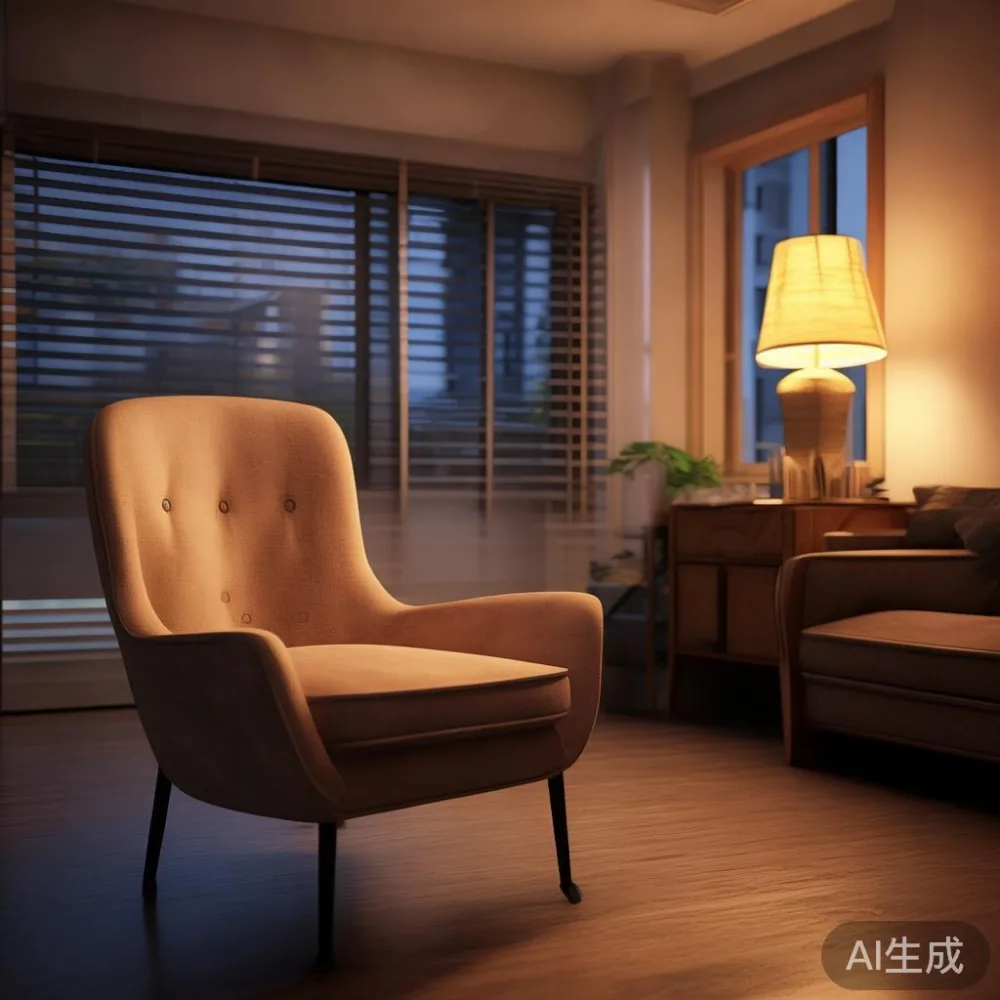
MIDHILL designs solid wood accent chairs for practical Singapore homes, balancing proportion, comfort, and a light-luxury finish. The same sizing logic applies when comparing an American light luxury sofa or a solid wood sofa: the room should remain visually balanced, not become a collection of oversized pieces. Here is a room-by-room method for choosing the right accent chair, from measuring the intended position to arranging it after delivery.
What size should an accent chair be for a typical Singapore HDB living room?
For most 3-room HDB flats, start with an accent chair measuring 55–65 cm wide, 58–68 cm deep, and 78–86 cm high. A 4-room flat can usually accommodate 62–75 cm-wide chairs, provided the circulation route remains at least 75 cm wide. These are comfort-room dimensions rather than fixed rules, because a chair with slim arms and a shallow seat can look smaller than a broad upholstered model with the same width.
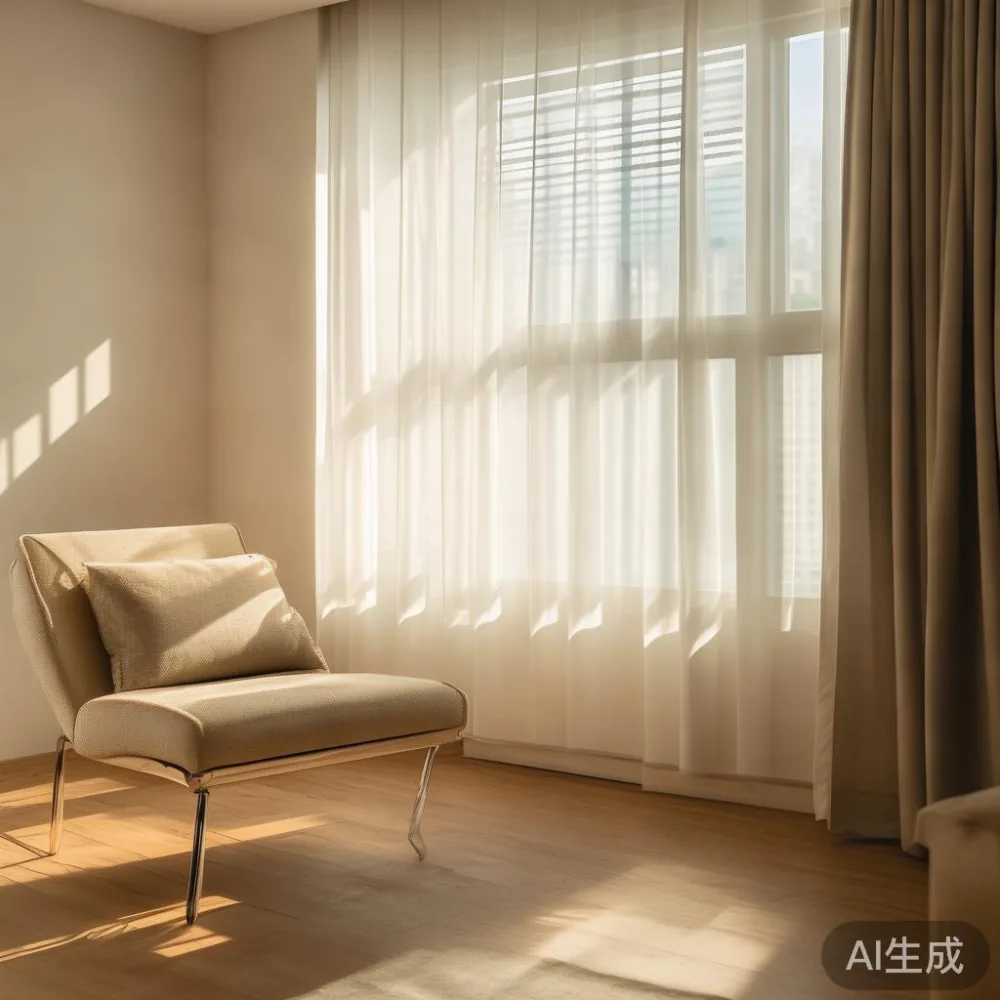
Measure the room at three points. Record the longest wall, the narrowest usable span between the solid wood sofa or bed frame and another item, and the width of the intended traffic route. If a dining table occupies part of the living-dining area, measure from the dining table edge, not only from the television console. Leave at least 30 cm between the accent chair and a coffee table, 45–60 cm between the front of the chair and a passage, and 90 cm around any dining zone.
Many new BTO homes have living and dining areas of roughly 9–12 sqm, although block, floor, and unit layouts vary. In a 10 sqm room, one accent chair with a 60 cm width is often easier to accommodate than two chairs at 70 cm each. Two chairs create a stronger symmetry, but each should measure no more than 58–62 cm wide and should be moved individually rather than treated as a permanent bench.
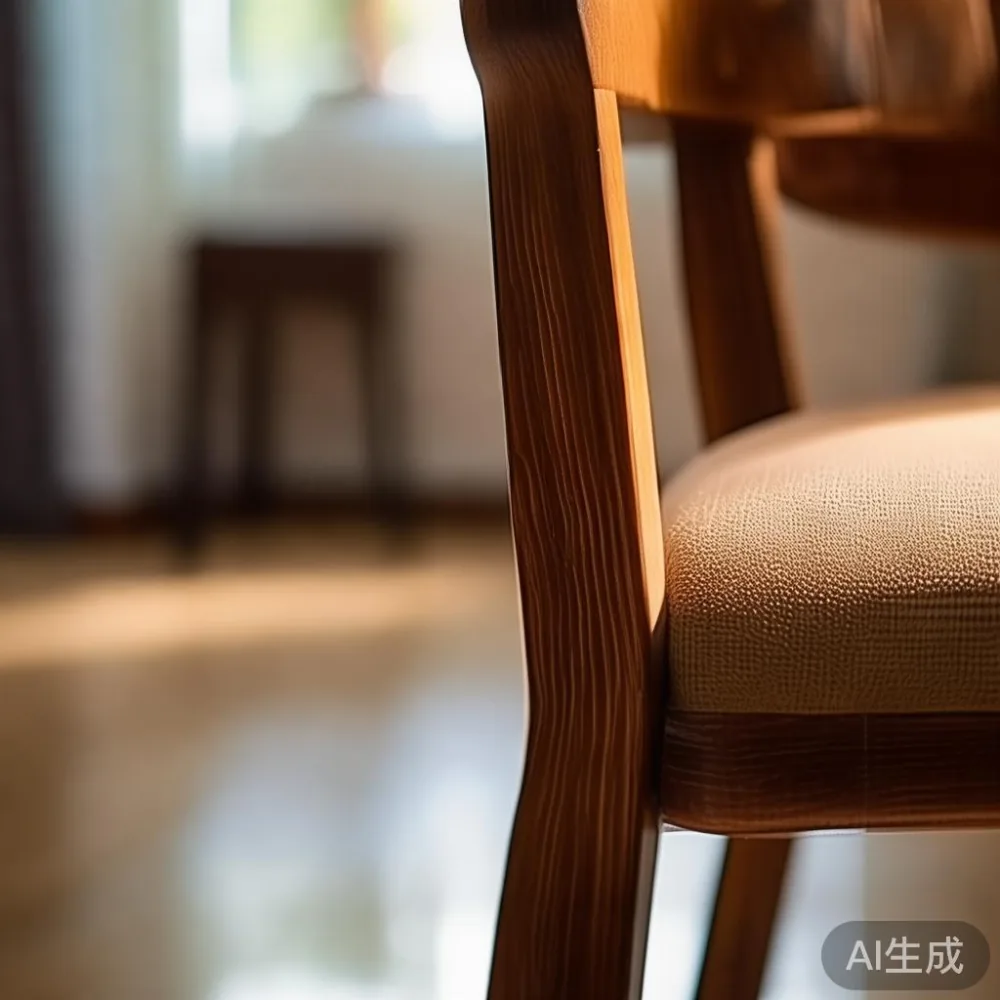
Do not forget the ceiling and proportion of the doorway. A chair with a 94 cm-high back can dominate a room with a 2.6 m ceiling if placed directly in front of a low television console. A model around 82–86 cm high usually reads more balanced beside a standard 70–75 cm-high sofa. In newer Punggol and Tampines developments, pale walls and larger windows reflect more light, making a medium-toned chair visually stronger; in older Bedok blocks, a slimmer form may preserve openness.
How do I measure the space before ordering an accent chair?
Use a tape measure and mark the intended chair position with masking tape. The outline should include the full width, the rear legs, and enough clearance for someone to sit down and stand up. Measure the chair’s widest point rather than relying on the frame width. Arms can extend 4–8 cm beyond the side rails, while a slightly splayed rear leg can add another 2–3 cm on each side.
Next, map the route from the HDB lift lobby to the living room. Common HDB lift car internal widths are approximately 90–110 cm, while some larger-capacity cars can reach about 140 cm. A boxed accent chair with a 66 cm width and 72 cm depth will fit many standard lifts on its side or upright, but the packaging dimensions must be checked. Corridor widths may be around 90–150 cm, with turns and fire-safety equipment reducing the usable clearance.
Record the narrowest point at the flat entrance, lift threshold, and corridor turn. Ask the supplier for the packed size, gross weight, and carton count before delivery. A chair weighing 14–18 kg should be manageable for two adults, but a 25 kg solid wood model may require three people or a professional mover at the stairs. A narrow common corridor is not the place to improvise.
Allow at least 14 working days for production and delivery to most Singapore addresses, with extra time for remote buildings or peak periods. More than 2 months of lead time may also apply to special upholstery or finish changes. Confirm the delivery window, lift booking, and any corridor-fee arrangement in writing.
Which accent chair shape works best in a compact HDB layout?
Choose a slim arm or armless accent chair when the room is narrow. A chair measuring 56–60 cm wide can be placed beside a solid wood sofa, near a balcony, or at the end of a media console without interrupting the main walkway. A narrow profile also suits a reading corner, but avoid blocking the sliding balcony door. Keep 60 cm of clear access if the chair sits near the door swing or a frequently used cabinet.
A round or curved back offers visual softness in a rectangular 3-room living room. Look for a diameter of roughly 58–65 cm and a depth below 65 cm. This form works well opposite a square or rectangular coffee table because the curved edge creates contrast without adding visual weight. It is particularly useful in a compact flat where sharply squared furniture can make the room feel divided.
Button-tufted or high-back accent chairs can suit a larger 4-room flat with a sofa around 210–240 cm. Keep their total width within 65–70 cm and choose a back height below 90 cm. In a smaller room, a low-back design around 78–82 cm high leaves more of the wall visible and makes the ceiling appear higher.
Material affects scale as much as measurement. Pale solid wood, beige linen, and light bouclé blend into a neutral room, while walnut or dark leather creates a stronger focal point. The French light luxury approach often favours curved profiles, refined timber, and understated upholstery. An American light luxury look may use a broader silhouette and deeper cushion, which calls for at least 65 cm of width and more breathing room. A post-modern light luxury accent chair can combine sculptural lines with mixed materials, but its footprint should still be checked numerically.
Should the accent chair match the sofa or contrast with it?
Matching does not require identical upholstery. If your solid wood sofa has beige cushions, an accent chair in oatmeal, warm taupe, moss, or muted blue can create a connected palette while adding depth. If the sofa is charcoal, an accent chair in natural oak, rust, cream, or forest green can become a deliberate focal point. Aim to repeat one or two colours from the sofa and nearby textiles rather than introducing more than 4 major colours in the room.
Consider the coffee table too. A chair with a dark timber frame and pale seat may pair well with a marble table, but the stone should remain visible rather than disappear beneath a wide armchair. A 90–110 cm round marble table suits a 60 cm chair; a 120 cm rectangular table requires more space around the perimeter. Never force a large table into the seating zone simply because it appears neat in a showroom photograph.
The wider room-design questions can still inform the chair. When comparing the best Scandinavian sofa for 2026, note the projected depth and arm height rather than focusing only on the style. A sofa labelled “Scandinavian” may have a 92 cm depth, which affects the space remaining for an accent chair. If the sofa is already deep, choose a chair around 56–60 cm deep. This also matters when comparing a European bed vs Japandi bed, although the accent chair belongs in the living room and should not compromise the bedroom’s own circulation.
For coordinated storage, the logic behind how to style light luxury wardrobe in bedroom is similar: use proportion, texture, and a restricted palette. In the living room, that might mean repeating the bedroom’s wood tone on a solid wood side table, not adding another large cabinet. The role of the accent chair is to complete the composition, not to fill every centimetre.
How much clearance should remain around the accent chair?
Keep 45–60 cm between the front of the chair and the opposite seat or table when people must walk behind it. For a frequently used route, maintain a minimum of 75 cm; 90 cm is preferable where two people pass regularly. Between the chair and a wall, allow 5–10 cm for ventilation and cleaning, plus enough space to pull the chair out by approximately 30 cm without scraping the skirting board.
Do not place the chair directly in the main line between the entrance and television. A better position is beside the sofa’s outer arm, slightly angled 15–30 degrees toward the centre of the room. This creates a conversation zone while keeping the route open. If the living room also serves as a dining zone, leave 90–100 cm from the chair back to the dining table edge where possible.
Check the air-conditioner airflow and wall-mounted television position. A tall chair can interrupt a downward air stream if placed beneath the unit. Keep 30–45 cm below the air-conditioner where the manufacturer permits, and avoid placing loose cushions directly beneath a high-wall unit. For corner placement, confirm that curtains, sockets, and window handles remain accessible.
For a sofa opposite the chair, consider the visual distance rather than measuring only between furniture. In a 3-room flat, a seat around 45–48 cm high usually looks comfortable with a standard sofa. A chair 8–12 cm taller may work as a statement piece, but the visual gap can make a small room feel top-heavy. Match the seat height within about 10 cm for easy conversation and shared use.
What should I check before confirming the order in Singapore?
Check the chair’s usable dimensions, packed dimensions, weight, finish, warranty, and return terms before payment. Singapore’s 9% GST may already be included in a displayed retail price, so ask whether the quoted SGD amount is tax-inclusive. For a mid-range solid wood accent chair, a typical Singapore retail price might be SGD 680–1,450, while a more elaborate upholstered or carved design can range from SGD 1,500–2,800. Compare the specifications, not simply the sticker price.
MIDHILL was established in 2008 and exports to more than 15 countries. Its 10-year structural warranty gives useful reassurance for joinery and frame stability, while lifetime refinishing supports long-term care of the wood surface. The company also offers free shipping for orders over US$350, although Singapore delivery arrangements and the final SGD total should be confirmed. A 14-day return window allows you to assess the chair at home, provided it remains in resaleable condition and follows the stated procedure.
Inspect the finish for consistency, confirm the leg dimensions, and request photographs of the actual chair if the item is made to order. Solid wood can show grain variation, so understand which differences are natural and which indicate a production issue. Check that the floor protection or felt pads are included; they prevent scratches and floor marks after delivery.
Your order should arrive with the chair fully assembled, or with assembly instructions and the required hex key. Allow around 15–20 minutes to position the legs and tighten the fixings. Place a protective mat beneath the chair, keep it away from direct afternoon sun, and clean spills promptly. For upholstery, vacuum weekly with a soft brush and follow the fabric-care code.
How do I arrange the accent chair after it arrives?
Begin by placing the chair in the taped position, then sit in it as a real user would. Keep both feet flat on the floor, test the armrests, and check whether the back leaves at least 10–15 cm between the rear frame and the wall. If the chair must be pulled out often, preserve 75–90 cm behind it. A chair that looks tidy but cannot be used comfortably is not correctly sized.
Angle the accent chair toward the sofa rather than facing the television rigidly. This is especially effective in Tampines and Punggol family flats, where the living room often supports both relaxation and conversation. Add a small side table within 35–45 cm of the chair if space allows. A round table measuring 35–45 cm in diameter needs less floor area than a square one and can hold a cup, book, or phone.
Layer the lighting. A floor lamp with a shade around 25–35 cm wide can create a warm reading zone without crowding the wall. Keep the lamp base out of the walkway and position it behind the chair’s rear corner. If the room has a 3,000–4,000-lumen ceiling fixture, dimmable warm light at approximately 2,700–3,000K makes natural timber and cream upholstery more flattering.
Finally, view the room from the flat entrance. The accent chair should be noticeable, but it should not hide the main circulation path or make the living room appear narrower than it is. If it dominates that view, move it slightly behind the sofa arm rather than removing it. This is also a useful lesson when working out how to style European light luxury sofa in apartment: light luxury depends on controlled contrast, comfortable spacing, and materials that invite touch rather than crowded placement.
For anyone comparing the is French sofa worth it question, the answer should include the sofa’s dimensions and how it functions in the room, not just its visual style. The same applies to an accent chair. Choose the chair whose footprint leaves the room usable, whose seat suits the occupants, and whose finish complements the solid wood sofa or dining table nearby. In a Singapore HDB or condo living room, the right accent chair is not the one with the most detail; it is the one that fits its measured place with room for daily life.