Small Space, Big Calm: Building a HDB Around One Good Accent Chair
I spent the first Saturday of last month trailing a stylist friend through a 689 sq ft three-room flat in Bedok. The owner was a young couple who had just received a 1.8 m solid wood sofa from MIDHILL and could not figure out where to put the accent chair they had ordered with it. By the time we left, the flat felt 30% larger, and the answer turned out to be the chair. That visit is the reason this guide exists.
Singapore flats are honest about their limits. A standard 4-room HDB living room measures roughly 3.2 m by 4.0 m once you exclude the kitchen and corridor. Ceilings stop at 2.6 m. The lift opening on most blocks is about 0.9 m wide, and a 1.6 m sofa will not fit unless you tip it. Corridor turns at the lift lobby are around 1.2 m. These are the real numbers, and the furniture you buy has to obey them. Anything that cannot pass a 90 cm doorway or survive a 2.4 m corridor corner should not be ordered, no matter how pretty the catalogue photo looks.
What does an accent chair actually do in a small HDB?
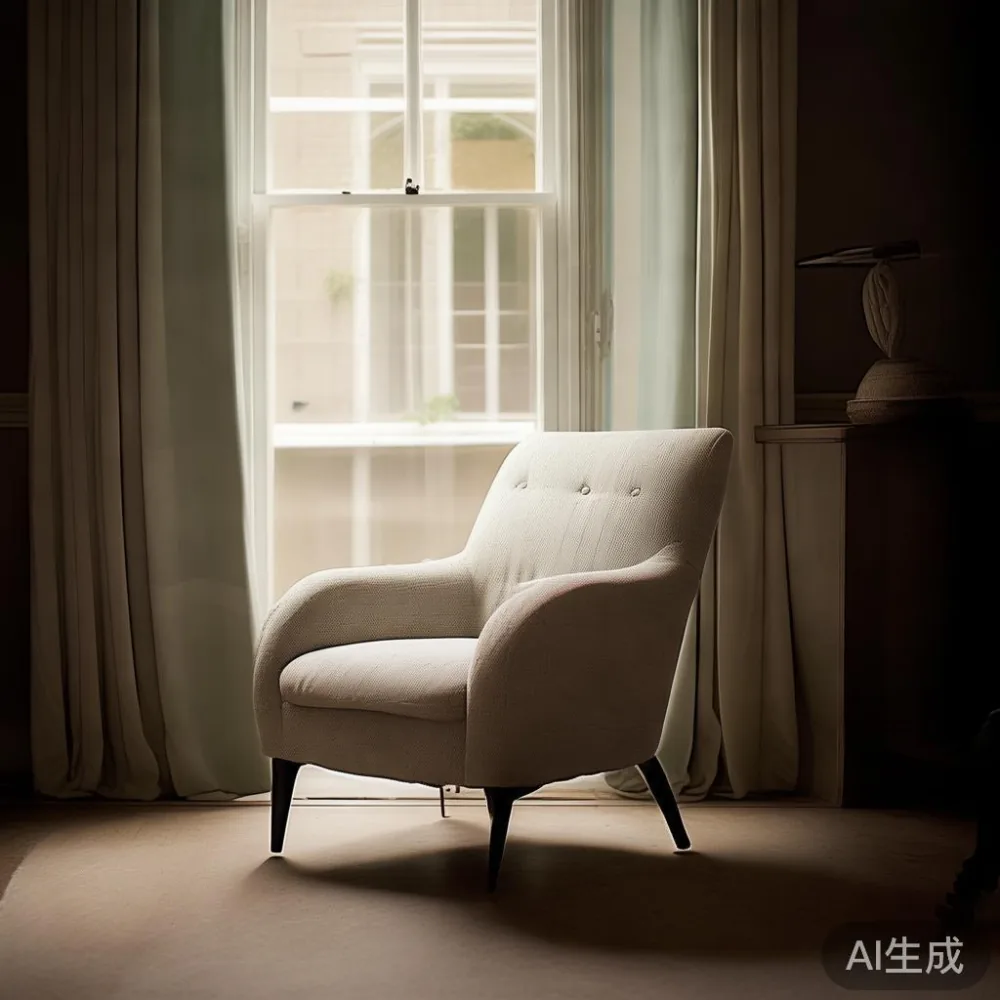
An accent chair earns its keep in three ways. It fills a corner that would otherwise collect clutter, it gives the eye a second focal point so the room reads as designed rather than as one long sofa pushed against a wall, and it gives a second person somewhere to sit without dragging out a plastic stool when the in-laws visit for Chinese New Year. In a Tampines five-room I measured recently, a 72 cm wide accent chair in oat boucle did more for the room than a S$1,200 rug did, because the chair broke the 3.6 m horizontal line of the sofa.
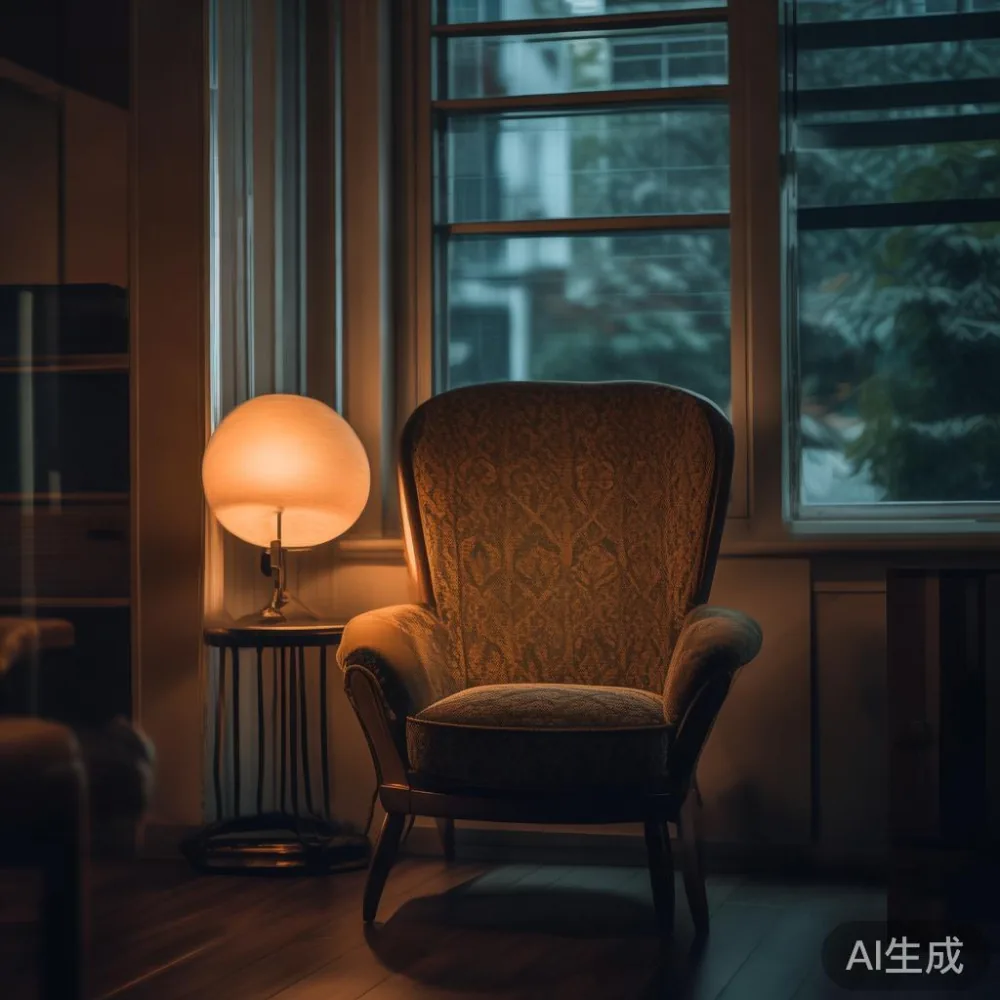
The mistake I see most often in Punggol BTOs is the oversized reading chair. People order something 95 cm deep because it looked comfortable in the showroom, then discover it eats 1.4 m of floor and the coffee table has to move to the hallway. A 68 cm to 75 cm seat depth is the practical ceiling for a Singapore living room, and a back height under 85 cm keeps the chair below the window sill of most HDB windows, which sit around 90 cm off the finished floor.
How should you measure a room before buying a single chair?
Grab a tape measure and a roll of painter's tape. Mark the chair footprint on the floor in the actual spot you want it, then live with that square of tape for two days. Walk past it at night, vacuum around it, sit on a cushion in the middle of it, open the windows, and watch how the air-con breeze hits it. If your partner has to turn sideways to reach the kitchen, the chair is 8 cm too wide. If sunlight at 3 pm hits the seat directly, the fabric will fade within a year, and you will be shopping for a replacement during the next Great Singapore Sale.
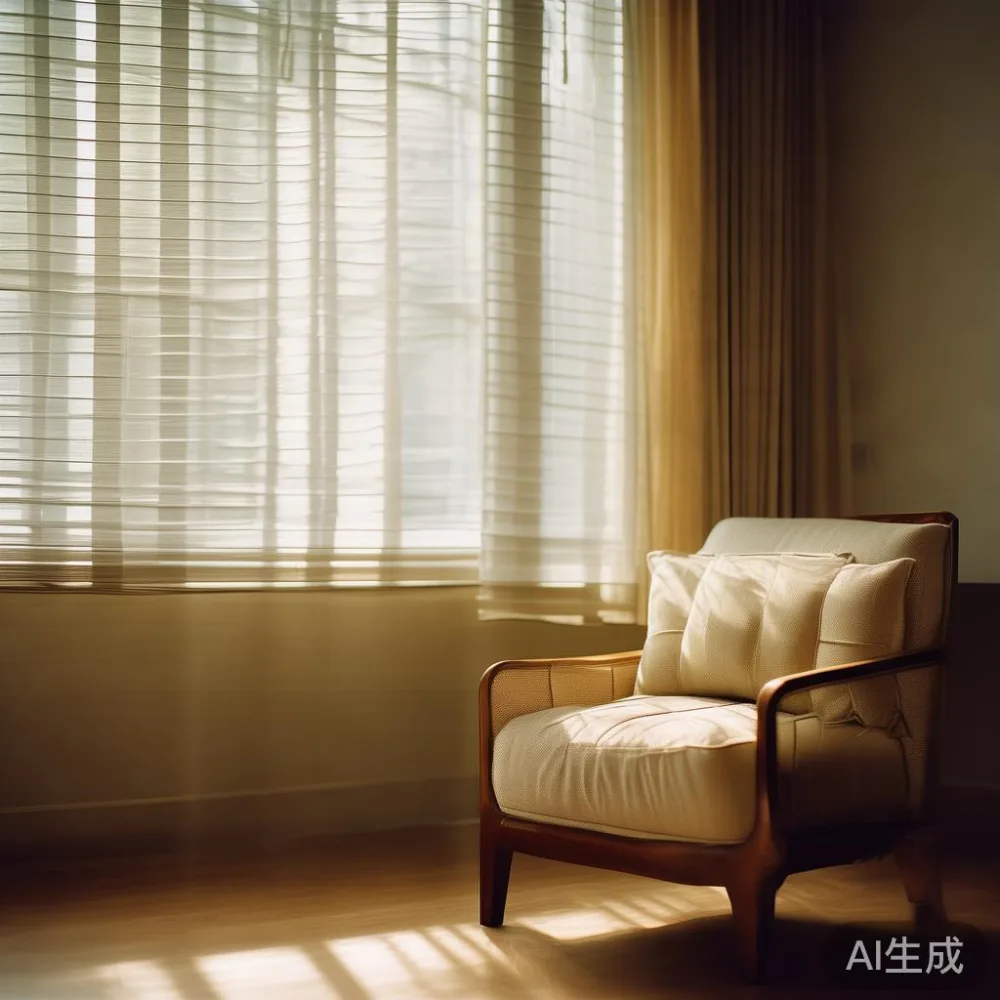
For a 4-room HDB, the practical seating layout usually follows this template: a 1.8 m to 2.2 m solid wood sofa along the longest wall, an 80 cm to 100 cm coffee table 35 cm in front of it, and one accent chair angled 30 to 45 degrees in the corner opposite the TV console. The chair should never face the TV straight on, or it becomes a second sofa and the room loses its conversational shape. Leave at least 70 cm of walking path between the chair and the nearest door, or 90 cm if the door is the main entrance from the corridor, because shoes, GrabFood bags, and the robot vacuum all need that lane.
Which accent chair shape actually works in a 4-room flat?
Three silhouettes do almost all of the work. A low-back lounge chair around 78 cm tall works against a tall wardrobe or beside a console, because it keeps the wall reading as one piece. A barrel chair, roughly 70 cm wide and 70 cm deep, slips into the 90 cm gap between a dining table and a sideboard without poking into the walkway. A slipper chair, which is an armless accent chair on four legs, tucks under a console when guests are not using it and becomes a bedroom reading seat by night, which is why so many designers in Tiong Bahru shophouse conversions keep one in the wardrobe.
Fabric matters more than shape in our climate. A 100% linen cover absorbs sweat but wrinkles; a boucle or chenille reads as French light luxury and hides the rings your kopi cup leaves. Leather is too sticky for an air-con-less afternoon. A solid wood frame in ash or walnut is heavier at 18 kg to 22 kg, so two people can carry it up a HDB staircase when the lift is under maintenance, and the frame outlasts three fabric changes. Watch the leg height too. Legs that sit 18 cm to 22 cm off the floor let the robot vacuum pass under the chair, which sounds trivial until you have spent a Sunday night moving furniture to clean.
What about matching the chair to a dining table, bed frame, and wardrobe?
Treat the accent chair as the colour bridge. If your solid wood dining table is a warm walnut, an accent chair in cognac leather or burnt orange boucle ties it to the dining zone without buying a matching set. If your bed frame is a pale ash, choose a chair with a lighter wood leg and a soft grey or cream seat. The point is repetition, not matching. Repeat the wood tone twice in the room, repeat the fabric tone twice, and the room feels planned even if nothing came from the same collection.
This is also where buyers overthink things like how to choose French provincial sofa options, and the same logic applies to the chair. French provincial pieces tend to be 15% to 20% deeper and taller than their Scandinavian cousins, so a single ornate chair in a 90 sq m HDB reads as a museum piece. American light luxury, on the other hand, sits closer to our local dimensions: a 75 cm wide accent chair with a rolled back and brass-tipped legs is comfortable in Singapore, looks considered next to an oak dining table, and survives the 9% GST on landed imports without forcing a second mortgage. Post-modern light luxury is the looser of the three, leaning on sculptural shapes, mixed metals, and a touch of marble on a side table. A 45 cm round marble table next to the accent chair gives you a place for a glass of water, costs less than a console, and visually grounds the corner.
How do you style an American wardrobe so the accent chair does not fight it?
A wardrobe is the largest vertical object in most bedrooms, so the chair you keep in there has to defer to it. If you are working out how to style American wardrobe in room layouts, keep the wardrobe on the longest wall, the bed frame centred on the opposite wall with a 60 cm nightstand on each side, and place the accent chair in the corner nearest the window. That way the chair gets the morning light for reading, the bed frame stays the focal point, and the wardrobe reads as architecture rather than as storage. A walnut American wardrobe with shaker panels pairs well with a low-back lounge chair in oatmeal linen; an oak Shaker wardrobe pairs with a deeper, button-tufted chair in moss green. The contrast is what makes the corner feel like a decision rather than an accident.
For the nightstand, keep it simple. A 45 cm wide solid wood nightstand with one drawer and a cable hole at the back holds a phone, a glass of water, and a 5,000 mAh power bank. Anything bigger and the accent chair loses its corner. The chair should sit 80 cm to 100 cm from the foot of the bed, angled toward the window, so the morning sun does not land on the seat. This is also the answer to the Japanese bed vs Japandi bed question that comes up a lot in our showroom. A Japanese-style platform bed is 25 cm to 35 cm off the floor and pairs with a low-back chair. A Japandi bed frame is closer to 40 cm, with slightly more cushion, and pairs with a mid-back chair. The chair height should never exceed the mattress height by more than 15 cm, or the corner will look like a school photograph.
How do you handle delivery, corridors, and the lift in a HDB?
Measure the lift door on your floor. Most HDB passenger lifts are 0.9 m wide and 2.1 m tall on the inside, with a diagonal of about 2.3 m. Any furniture over 2.0 m on its longest side has to come in on its end, which means the packaging has to be slim. MIDHILL ships most chairs in boxes under 1.85 m long and under 35 kg, which two people can carry up a corridor turn without scraping the neighbour's gate. A 22 kg accent chair is a one-person carry from the lift lobby if the corridor is the standard 1.2 m wide.
For new launches in Punggol and Tengah, some blocks now have 1.4 m wide lifts, which is the first time in HDB history that a 1.6 m sofa can be delivered without a winch. If you live in an older block in Bedok or Toa Payoh, ask the delivery crew to confirm the lift dimensions in writing before dispatch. A S$60 redelivery fee is cheaper than a scratched console, and a ten-year structural warranty does not cover damage caused by forcing a wardrobe into a lift that is 5 cm too narrow.
What does a realistic small-apartment budget look like in SGD?
For a 4-room HDB living room, a sensible mid-range spend in 2026 prices looks like this: a solid wood sofa between S$1,800 and S$2,800 depending on fabric grade, a 90 cm coffee table between S$420 and S$650, an accent chair between S$480 and S$980, a 45 cm marble side table between S$220 and S$380, and a 200 cm by 290 cm rug between S$260 and S$520. Total: roughly S$3,180 to S$5,330. Add a 9% GST line and a S$60 to S$120 delivery fee, and you land between S$3,530 and S$5,930, which is the band most young couples in Tampines and Sengkang actually spend when they furnish a flat over six months rather than six weeks.
For the bedroom, a queen-size solid wood bed frame runs S$1,400 to S$2,200, a wardrobe S$2,200 to S$3,800, two nightstands S$320 to S$560, and the spare accent chair you move from the living room S$0. The cheapest way to make a small flat feel larger is to spend on the two anchor pieces (sofa and bed frame) and save on the third tier, which is where side tables, accent chairs, and rugs live. A S$480 accent chair next to a S$2,200 sofa looks like a design decision. A S$200 accent chair next to a S$2,200 sofa looks like a compromise.
Is a light luxury sofa actually worth the extra spend in a HDB?
The short answer is yes, with a caveat. A light luxury sofa uses a kiln-dried hardwood frame, 8-way hand-tied springs or a no-sag sinuous spring at 4-inch spacing, and a high-resilience foam core wrapped in 25 mm of down or down-alternative. You can feel the difference in the first 30 seconds of sitting, and the cushion holds its shape after 8 to 10 years instead of sagging at the three-year mark. The caveat is the fabric. A light luxury sofa in a S$220 Belgian linen will outlast the same sofa in a S$90 polyester, and the price gap is about S$500 across the lifespan of the sofa. If you have children under six or a cat that thinks the sofa is a scratching post, spend the money on the frame and the springs, and put the budget for the linen toward a S$180 washable slipcover.
For buyers comparing style categories, light luxury is the bridge between full-mass Italian and flat-pack Scandinavian. A French light luxury accent chair in cream boucle, a walnut bed frame, and an oak dining table will read as a complete interior in a 90 sq m flat, without the S$12,000 price tag of a full Italian suite. If you are browsing cheap French provincial furniture for the room, remember that provincial pieces are often deeper and taller than the HDB can absorb; a single chair and a marble side table is the safest way to bring the style in without overwhelming the room.
What about maintenance, returns, and the boring paperwork?
Solid wood furniture lives or dies on humidity. Singapore averages 78% to 82% relative humidity, so a wood conditioner applied every four months keeps the grain from drying at the edges and swelling in the middle. Blot spills within ten minutes, never use a wet cloth on a raw wood surface, and keep the accent chair 20 cm away from the wall so air can move behind it. A ten-year structural warranty from a Foshan manufacturer such as MIDHILL covers frame cracks, spring failure, and joint separation, but it does not cover fading, fabric pilling, or water damage from a leaking air-con above the wardrobe.
Returns are simpler than most people expect. A 14-day return window from the date of delivery is now standard, and a S$80 to S$150 restocking fee is typical. Free shipping above S$350 in cart value is the line where most orders land, and lift-up delivery to the door of the unit is included; delivery into the room and assembly is usually S$60 to S$120 extra. For customers outside Singapore, the same manufacturers often consolidate shipments through a 40-foot container that takes 18 to 28 days by sea from Yantian to Singapore, which is why the lead time on a custom fabric can stretch to 45 days during the September peak. Anyone reading international guides such as a top 10 European furniture roundup should know that European shipping into Singapore adds 25 to 35 days, plus 9% GST on the declared value, which is why direct-from-Foshan makers are gaining ground among design studios in Tanjong Pagar and Duxton.
So what is the final rule of thumb for a small flat?
Buy one good accent chair before you buy a second sofa, a console, or a TV feature wall. The chair sets the depth, the height, and the fabric tone for everything that comes after it. Once the chair is in the corner and the tape mark is on the floor, the rest of the room builds itself. And if a friend in your block is staring at a flat full of brand-new furniture that does not quite work, send them this checklist: measure the lift, measure the corridor turn, pick the chair, then spend the budget.
A small note from the field. My colleague in Wuhan, who coordinates with the Lingzhan workshop for sample shipments, told me last week that the most returned item across the Southeast Asian market is not the sofa or the bed frame, it is the oversized accent chair that looked 80 cm wide on the website and arrived at 95 cm. The 15 cm gap is the difference between a calm Bedok living room and a Tampines flat where the coffee table has been pushed into the corridor. Measure, mark, and then order.