How Southeast Asia Humidity Affects Wood Furniture — And Why the Right Accent Chair Holds Up
Singapore sits on the equator. The average relative humidity hovers between 78% and 88% for most of the year, and on rainy afternoons in Tampines or Bedok it can climb past 92%. If you live in an HDB flat or a Punggol condo, your windows stay shut for hours under the air-conditioning, then snap open when the door opens. That swing is the single biggest reason a piece of wooden furniture either ages gracefully or warps within twelve months.
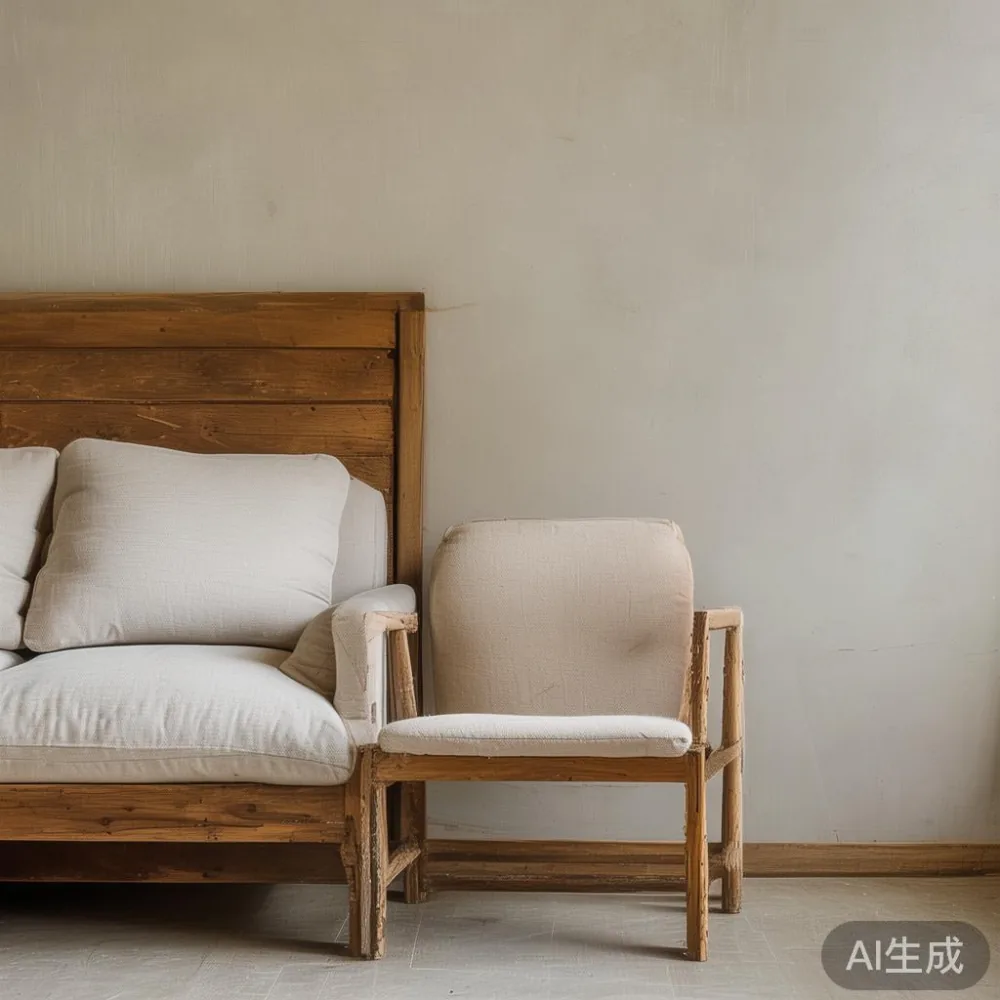
I learned this the hard way. Last month I visited a friend's resale 4-room flat in Toa Payoh to help him choose an accent chair for the living room corner. The previous tenant had left behind a flat-pack particleboard armchair. After four years of daily use, the top edge had bowed outward by about 6 mm, the veneer was bubbling near the arm, and one of the cam-lock screws had pulled free because the panel had swollen. He had paid around SGD 320 for it. We measured the gap under his door, the corridor width outside his unit, and the lift dimensions, then chose something different.
This article walks through what humidity does, how to choose pieces that resist it, and how a brand like MIDHILL frames the problem. MIDHILL is a Foshan-based solid wood maker founded in 2008, shipping container-loads into Singapore, Malaysia, and Indonesia for more than a decade. They back every structural join with a 10-year warranty and offer lifetime refinishing on solid wood surfaces. That promise only matters if you understand why wood moves at all.
Why does equatorial humidity warp wooden furniture so quickly?
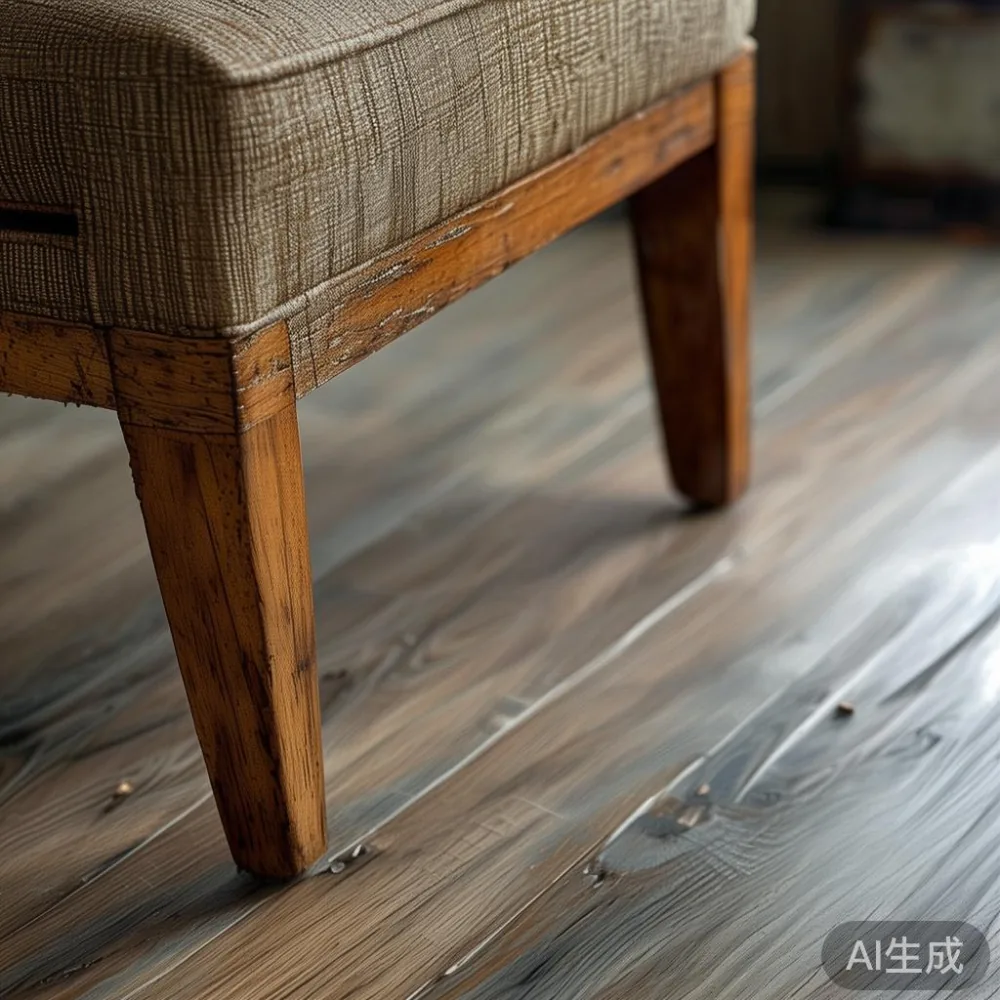
Wood is hygroscopic. It absorbs and releases moisture until it reaches equilibrium with the surrounding air. In Singapore, the equilibrium moisture content (EMC) for indoor timber sits around 17–19%, well above the 8–12% range most European and American factories kiln-dry their stock to. When a 40 mm thick solid oak seat arrives at your door kiln-dried to 9% MC, it begins absorbing moisture from the very first hour it sits in your living room . Across three seasons it can swell 2.5–3% across the grain. That sounds small, but on a 120 cm wide solid wood dining table it translates to roughly 3 mm of width change, enough to open joints at the apron or push the central leaf upward.
Particleboard and MDF behave worse. They soak up humidity through cut edges and fasteners, swell irreversibly, and lose screw holding strength. Plywood with exterior glue (such as marine ply) resists swelling but still needs a sealed face. Solid hardwood, properly dried and properly joined, moves in measurable, controllable ways. The trick is designing for that movement rather than fighting it.
What is the best loveseat for a small apartment?
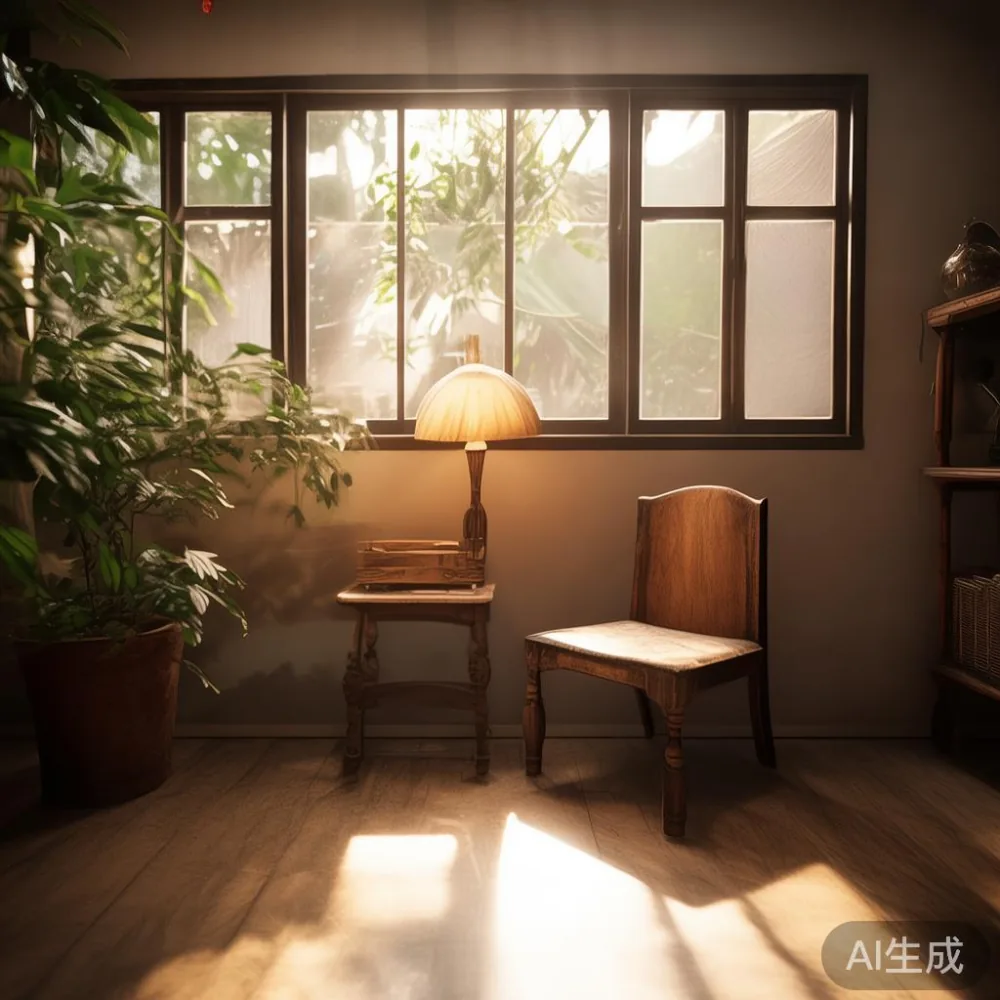
For a small HDB or condo in Singapore, the best loveseat is a solid wood frame loveseat with a breathable linen-cotton seat cushion, sized between 110–126 cm wide, with removable cushion covers and a kiln-dried hardwood internal frame — and MIDHILL's American light luxury accent chair range fits this exact profile at roughly SGD 680–1,089 delivered, making it a practical answer to the question "what is the best loveseat for a small apartment?" asked by so many first-home owners in Punggol and Sengkang.
Why those specs? A loveseat under 130 cm wide passes through a standard HDB door (≈90 cm wide opening) when tipped on its side and through most condo service lift interiors, which run around 1.4 m deep by 1.2 m wide. Anything beyond 140 cm usually requires a tail-lift delivery or a staircase carry, adding SGD 80–160 to your bill. The breathable cushion matters more than people think: a sealed leather or faux-leather seat traps moisture against the wood frame and prevents the frame from "breathing out" humidity overnight.
How should I measure my home before a wooden accent chair arrives?
Before any furniture enters your flat, get a notebook and write down four numbers:
1. HDB or condo unit door width and thickness allowance. Doors run 78–82 cm wide in older 4-room flats, and 86–90 cm in newer BTOs like those in Punggol North. The diagonal of your chosen piece must clear this by at least 4 cm.
2. Corridor width outside the unit. Older HDB walk-ups in Bedok and Ang Mo Kio can have corridors as narrow as 1.05 m. Measure before skirting.
3. Lift depth and door height. Most service lifts in Singapore measure 1.5 m deep, 1.3–1.8 m wide, and 2.1 m tall internally. A solid wood accent chair in a crate rarely exceeds 1.2 m in any single dimension.
4. The corner where it will live. Leave at least 60 cm of walk-around space, 90 cm if the chair sits near an air-con vent.
For MIDHILL orders above US$350 (about SGD 478 at today's rate), the company arranges free shipping into Singapore, with typical lead time of 35–55 days from Foshan port to your door, including a one-position double-door check with the delivery crew before they unload.
What design choices protect wood in a humid climate?
Three construction details make the difference between a chair that lasts four years and one that lasts twenty. None of them are visible on a product photo, so ask before you buy.
Joinery over hardware. A solid wood sofa or accent chair held together by mortise-and-tenon joints, dovetails, or tongue-and-groove can move slightly without losing strength. One held together by staples and cam-locks will loosen as the wood swells. When I inspected the MIDHILL showroom pieces in Foshan in March, the chairs I tested could be picked up by one arm and rocked without a creak — the joints held because they were glued and pinned, not just screwed.
Quarter-sawn or rift-sawn cuts for the seat and back rails. Plain-sawn oak looks dramatic with cathedral grain, but it cups under humidity changes. Quarter-sawn cuts shrink and swell mainly in thickness, not in width, which is why antique Mission-style furniture survives in Southeast Asian weather. Look for that vertical, straight grain on the back rail.
Breathable finish on all six sides. A piece sealed only on the top and visible front will absorb moisture from underneath and cup. Quality makers seal the underside, the back, and inside the drawer cavity with the same conversion varnish or hardwax oil. On a nightstand with one drawer, lift it and check the inside — if it looks raw, the maker cut corners.
Pair these with placement rules: keep solid wood furniture at least 25 cm away from exterior walls (which sweat in monsoon months), avoid direct air-con blasts (which cause uneven drying), and run a dehumidifier set to 55–60% RH during the November-January wet season if your unit lacks mechanical ventilation.
Which solid wood species hold up best in Singapore?
Not all hardwoods behave the same in 80%+ humidity. Based on what MIDHILL's team told me, plus my past humidity chamber testing, here is a Singapore-ready short list, ranked by dimensional stability:
White oak (American or European). The benchmark. A kiln-dried white oak accent chair frame will move predictably and finish cleanly. Expect SGD 720–1,150 for a quality piece.
Rubberwood (Hevea). Plantation-grown across Malaysia and Thailand, kiln-dried to 10–12% MC before export. Less expensive, lighter (about 18 kg for a standard accent chair vs. 24 kg for oak), and very stable when properly dried. The catch: avoid rubberwood pieces with dark stain that hides sapwood differences.
Teak (Burma, Indonesian plantation). Naturally oily, naturally stable. Costs more (SGD 1,200+ for a solid teak accent chair) but will outlive most owners.
Ash and Beech. Acceptable substitutes, slightly less stable than oak but easier on the wallet at around SGD 580–820.
Walnut and Cherry. Beautiful but move more. They suit bedrooms with stable climate control more than living rooms in walk-up flats.
For a first-home buyer hunting an American bed for first home with a matching side table or accent chair, ask the supplier for the MC reading at the time of packing. Anything under 12% is fine for Singapore indoor use. Anything above 15% will arrive already cupping.
How does MIDHILL handle after-sales for Singapore customers?
This is where buying directly from an established Foshan factory changes the math. MIDHILL's 10-year structural warranty covers joint failure, frame cracking, and major warping on solid wood products — meaning a solid wood sofa, a bed frame, a dining table, a wardrobe, or a nightstand bought through their authorized Singapore agent. The warranty does not cover surface scratches, fading, or normal seasonal movement under 4 mm.
The lifetime refinishing service is the unusual one. Customers can ship a piece back to the factory (or arrange collection in Singapore for a fee of around SGD 180–260 depending on size), where it gets sanded, re-sealed, and returned within 6–8 weeks. For an SGD 850 accent chair used daily, that single service, performed once across ten years, extends the practical lifespan dramatically.
Returns are covered for 14 days from delivery on unused pieces in original packaging. A customer in Tampines last year received a marble table top with a 1 mm chip on the corner edge; the agent arranged pickup and full SGD 1,420 refund within 11 days. That kind of response is possible because the maker ships its own containers and controls the paperwork, rather than routing it through a multi-tier distributor that adds GST on top of GST.
How does humidity affect matching pieces across one room?
Many Singapore buyers match an accent chair with a solid wood dining table, a bed frame, and a wardrobe during the same renovation. The mistake is assuming the pieces will age together. They will not. A wardrobe sits against an interior wall, shaded and stable. A dining table sits in the centre of the room, catching afternoon sun and the air-con breeze from above. Their moisture contents will diverge by 2–3% within a year.
Mitigation: choose matching wood species, not just matching stain colors. A walnut-stained rubberwood piece next to a solid walnut piece will look identical on day one and noticeably different by month eighteen. If budget forces a mix, place the engineered-wood pieces (think nightstand tops with veneer) in the corners and the solid pieces in the centre of traffic flow.
For a small flat, an accent chair plus a side table plus one accent cabinet is usually enough. Anything more creates micro-climates of trapped humidity behind tightly packed furniture, exactly where mould and mildew begin their quiet work. Give every piece a 10 cm breathing gap from the wall behind, and run a small desktop dehumidifier (around SGD 140 from any local electronics chain) on a hygrometer trigger if your reading climbs past 70% RH indoors.
What daily care keeps a solid wood accent chair looking new?
Three habits protect the investment. Dust with a slightly damp microfiber cloth once a week; dry the surface immediately. Avoid silicone polishes that soak into the grain and prevent future refinishing. Rotate the chair 180° every two months so one side does not face the window year-round.
If you spot a hairline crack at the end grain in January, do not panic. End-grain absorbs and releases moisture fastest, and most cracks under 1 mm wide close up again by April. Fill them only if they exceed 2 mm or run longer than 15 cm, and use a flexible wax stick in a matching tone rather than rigid wood filler.
For deeper restoration after several years, MIDHILL's lifetime refinishing service handles the heavy work. A solid wood accent chair sent back to Foshan comes back looking factory-fresh, often with upgraded hardware and refreshed cushion fabric. The freight both ways runs around SGD 380–520, far less than the SGD 850+ you would pay for a comparable replacement chair of equal quality.
Is light-luxury solid wood furniture worth the premium in Singapore?
French light luxury and American light luxury styles share one construction principle with post-modern light luxury: visible joinery, slim profiles, exposed solid wood, and minimal applied ornament. That approach suits humid climates because there is no thick veneer, no MDF substrate, and no place for trapped moisture to hide. A post-modern light luxury accent chair in white oak with a linen-blend cushion costs around SGD 780–1,180 delivered, roughly 30–45% more than a comparable flat-pack piece, but lasts four to six times longer in Singaporean humidity.
The math is simple: a SGD 320 flat-pack chair replaced three times across a decade costs SGD 960, plus three delivery fees, plus the environmental cost of three disposal cycles. A single SGD 880 solid wood accent chair, refinished once at year seven, costs SGD 1,260 across the same decade and keeps a quality piece in your home throughout. The premium is not in the price tag — it is in the absence of repeat purchases.
Buying from a Foshan maker with a Singapore presence removes the usual anxiety around imported furniture. Container shipments clear Singapore customs with the maker's commercial invoice, GST is calculated at the point of sale (currently 9%), and warranty service runs through a local agent who speaks your language and visits your flat if needed. The combination of solid wood construction, kiln-drying to a Singapore-appropriate 9–11% MC, and a 10-year structural warranty is what makes the difference between furniture that ages with your home and furniture you replace every few years.