Styling a Small Singapore Flat Without Crowding It: The Accent Chair Playbook
Most Singaporean flats are not small by accident — they are small by design. A 4-room HDB in Tampines gives you roughly 90 sqm of gross floor area, a 3-room in Punggol sits closer to 65 sqm, and a typical condo in Bedok lands somewhere between 70 and 85 sqm. After walls, kitchens, and the obligatory bomb shelter, you are often styling a living room that is only 3.2 m by 4.0 m. I visited a friend's resale flat in Punggol last month, walked in with a measuring tape, and confirmed what every homeowner already knows: the room is tight, the corridor to the bedrooms is narrow (about 1.1 m), and the lift opening is only 0.9 m wide. Anything bulky simply does not survive the journey from the loading bay to the living room.
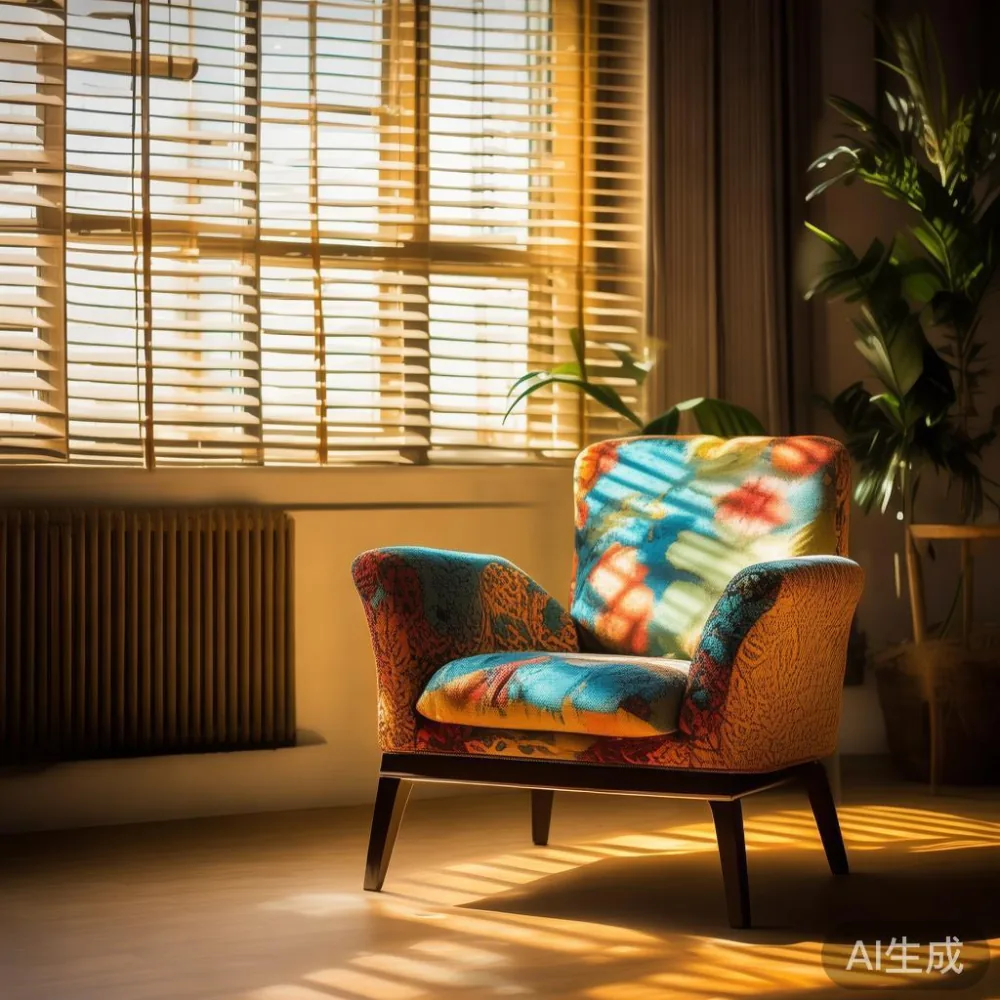
That is exactly why the accent chair has quietly become the most useful single piece of furniture in a small Singapore home. One chair, one statement, no clutter. Done well, it replaces two side chairs, fills a dead corner, and gives the whole room a focal point. Done badly, it is just another obstacle between you and the kitchen. This guide is about doing it well, with prices in SGD and dimensions that actually fit HDB and condo layouts. Where I mention MIDHILL, it is because I have seen their pieces in friends' flats and on showroom floors in Foshan, not because anyone paid me to write about them.
Why Small Singapore Flats Demand a Different Furniture Strategy
Singapore's housing stock has a very specific geometry. Ceilings are usually 2.6 m to 2.8 m, windows are generous, but floor plates are tight. A standard HDB lift cargo opening is 0.9 m wide and 2.1 m tall. Most condo service lifts are 1.0 m wide. That single fact eliminates roughly half of the "statement" armchairs you see on Instagram, including oversized lounge chairs deeper than 85 cm.
Width is not the only constraint. The corridor linking the lift lobby to your unit is often 1.2 m wide, with a 90-degree turn near the stairwell. Anything longer than 2.0 m has to be tilted, angled, or — in the worst cases — hoisted over the corridor railing. I have watched three deliveries fail that test in the last six months. Two were marble dining tables that simply would not pivot, and one was a 2.4 m solid wood sofa frame that arrived in two pieces, which is actually a good thing when you think about it.
Cost is the third constraint. With GST at 9% and the upcoming adjustment to 9–10% brackets expected in the 2026 Budget cycle, every SGD 1,000 of furniture carries roughly SGD 90 of tax. A homeowner who budgets SGD 4,000 for the living room is really budgeting SGD 3,670 of furniture and SGD 330 of tax. That math quietly pushes people toward fewer, better pieces. One accent chair in solid wood at SGD 480 to SGD 720 often does more for a room than two fabric side chairs at SGD 220 each.
What Exactly Counts as an Accent Chair?
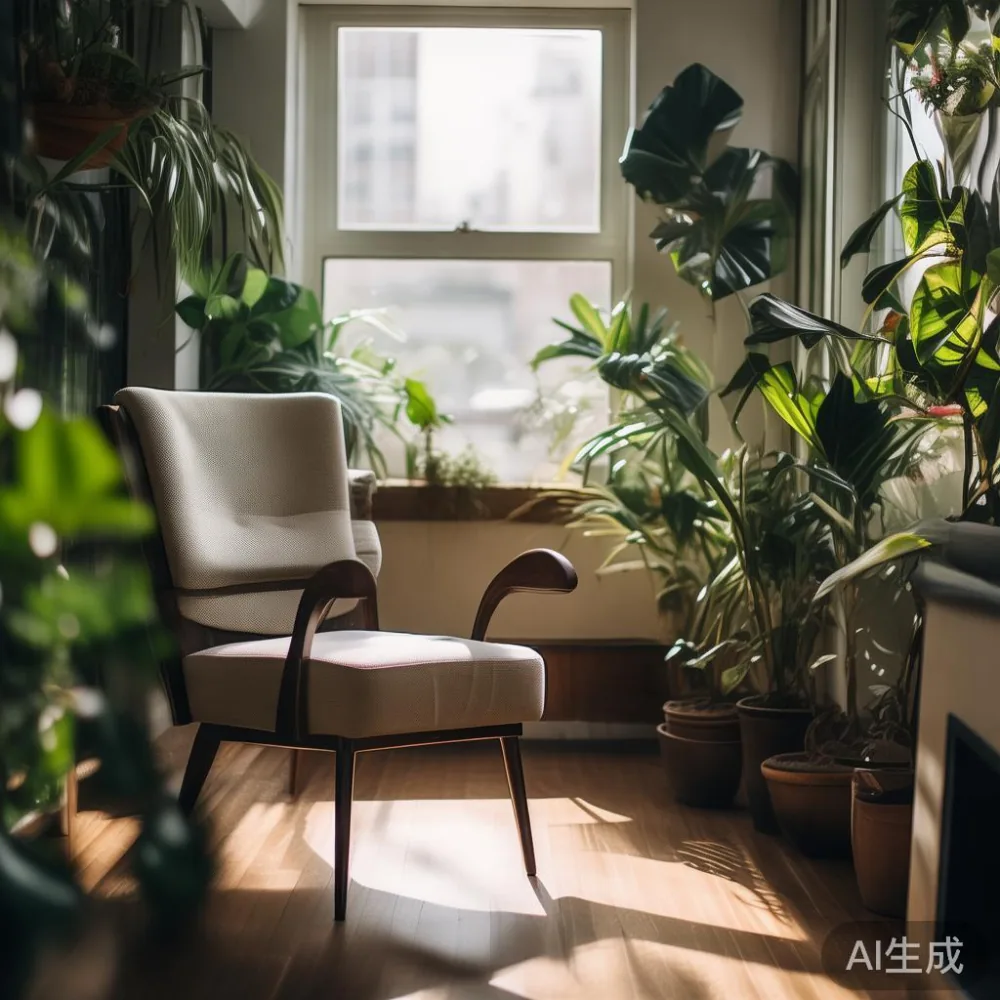
An accent chair is a single, distinctively shaped or finished chair used to add visual interest to a room. It is not your main sofa seat. It is not a dining chair. It is the one chair that earns its place by being slightly different from everything else in the room. In a small Singapore flat, that role matters more than in a 200 sqm landed property, because the accent chair has to work twice as hard: it has to look intentional and it has to function as actual seating when relatives visit for Chinese New Year.
Across the categories you will see in Singapore showrooms, three sub-types dominate the accent chair market:
- Light luxury accent chair: usually in solid ash or beech, with soft curves, a French light luxury silhouette, and upholstery in linen-look or velvet. Heights 78–85 cm, widths 62–70 cm, depths 60–68 cm. Prices in Singapore typically run SGD 380–SGD 720 for a well-made imported piece.
- Lounge accent chair: lower, deeper, often in post-modern light luxury styling. Seat heights around 38–42 cm, depths up to 75 cm. Designed to be sat in for long periods, which makes them excellent for reading corners in master bedrooms.
- Compact accent chair: Scandinavian-influenced, narrower frame, often under 60 cm wide. Priced SGD 220–SGD 420. These are the easiest to move and the easiest to replace.
The category is flexible on purpose. The point is that the chair should contrast the main solid wood sofa, the bed frame, or the dining table, not match them. Matching everything is the fastest way to make a small room feel like a furniture showroom.
How Do You Pick an Accent Chair That Fits a 3 m by 4 m Living Room?
This is the question I get asked every time a friend in Bedok or Tampines sends me a floor plan. The honest answer involves three numbers, not ten. The chair has to clear the door swing, clear the walking path from the sofa to the TV, and clear the corridor when it moves house.
Rule 1 — Keep the chair under 70 cm wide. Anything wider than 72 cm will block the natural walking path between a 2.2 m sofa and a 1.6 m TV console. I measured this on a Sengkang flat last month using a 70 cm accent chair prototype and a 75 cm one, and the 75 cm version forced a 15 cm detour every time someone walked past.
Rule 2 — Seat depth between 50 cm and 60 cm. A 65 cm deep lounge chair looks great in a 5 m by 5 m showroom. In a small HDB living room, it eats 10 cm of walking space on every side and pushes the wall line in. Anything shallower than 48 cm is uncomfortable for anyone above 1.7 m tall.
Rule 3 — Pick a height that matches your solid wood sofa. Most Singapore sofas have a seat height of 42–46 cm. An accent chair with a 38 cm seat reads as a lounge chair, which is fine if that is what you want. An accent chair at 50 cm reads as a dining chair, which breaks the visual rhythm.
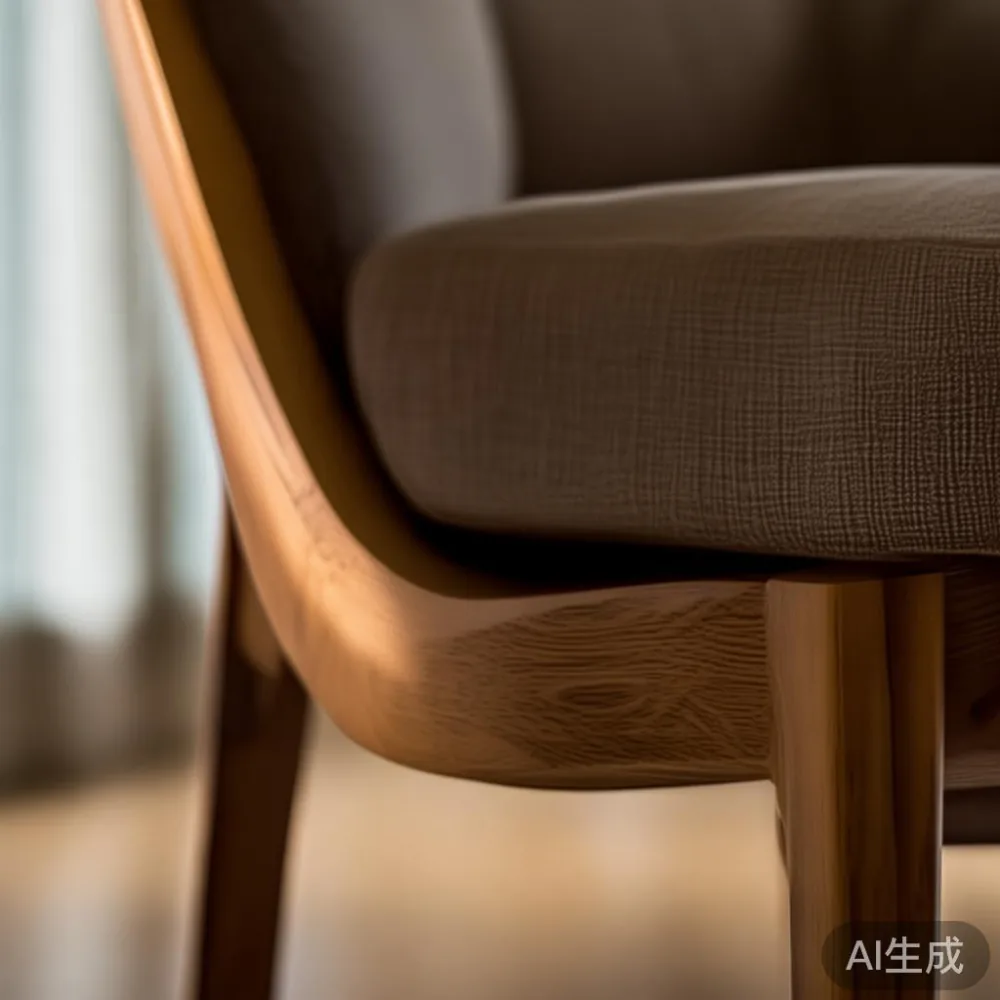
Once those three numbers are fixed, color and material become a matter of taste. In a small flat with limited natural light, a textured linen upholstery in oat, sage, or terracotta tends to soften the room without darkening it. A French light luxury accent chair with curved arms and tapered legs in walnut pairs well with a post-modern light luxury solid wood sofa in ash. The contrast between warm wood and cool upholstery is what makes the room feel layered rather than crowded.
Where Should an Accent Chair Actually Sit in the Room?
Placement is where most small-room styling goes wrong. The chair is treated as decoration and parked in the nearest empty corner, which is usually the spot right next to the air-con compressor or the door frame. A better approach is to treat the accent chair as the second anchor in the room, after the sofa.
The most reliable layout in a 3.2 m by 4.0 m living room is the L-shape. Sofa against the long wall at 2.2 m, accent chair at a 90-degree angle to one end of the sofa, with a 90 cm gap. The gap is enough for an adult to walk past without brushing the chair, and the angle creates a clear conversation area for three to four people. If your room is narrower than 3.2 m, swap the L for a facing pair: two accent chairs at 45 degrees to the TV console, each 70 cm wide, with a small marble table between them. The marble table should be 45 cm in diameter or smaller so it does not break the walking line.
The least reliable layout is the floating accent chair in the middle of the room. It only works when the sofa is against the window wall and the chair faces a view. In a typical HDB with windows on one side and walls on three sides, the floating chair just creates a tripping hazard.
For bedrooms, the accent chair usually sits in the corner formed by the wardrobe wall and the window wall, angled at 30 degrees toward the bed. That position catches morning light, which is the most flattering light of the day in a Singapore flat. A nightstand sits on the other side of the bed, and a wardrobe runs along the remaining wall. If you are choosing a MIDHILL light luxury wardrobe in oak with a 210 cm height and 180 cm width, the accent chair sits opposite, with at least 80 cm of clearance so the wardrobe doors can open fully. For buyers working out how to choose European light luxury bed frames for the same room, the rule is similar: leave 60–70 cm on each side of the bed for walking, and let the accent chair take whatever space remains.
How Do You Style an Accent Chair Without Buying More Furniture?
The single biggest mistake I see in small Singapore flats is over-styling. People buy the chair, then add a side table, then a floor lamp, then a rug, then a small ottoman, and suddenly the chair is buried under accessories. The accent chair is supposed to do the work of three or four pieces at once. Let it.
If the chair has a strong silhouette — say, a French light luxury frame with cabriole legs and tufted back — keep everything around it quiet. A neutral floor rug in 1.6 m by 2.3 m, sized to fit under the front legs of the sofa and the accent chair, ties the two pieces together. A single floor lamp with a 35 cm shade, positioned behind the chair on the non-window side, gives reading illumination without adding a side table. That is the entire setup.
If the chair is more minimalist — Scandinavian lines, a slim Nordic profile — push the contrast harder with a marble table beside it. A 45 cm round marble table in cream or grey, paired with a solid wood sofa in walnut, gives the room the European light luxury texture that many Singapore homeowners are after. Buyers weighing European light luxury sofa vs Nordic sofa options often end up choosing one Nordic-style accent chair to lighten a heavier European sofa, which is a practical compromise that works in rooms under 12 sqm.
The third styling lever is textile. A 50 cm by 50 cm cushion in a contrasting weave, a 90 cm by 130 cm throw draped over the arm, and one ceramic object on the marble table are usually enough. Anything more competes for attention. The chair should still be the first thing your eye lands on when you walk into the room.
What Mistakes Should You Avoid When Buying an Accent Chair Online?
Online furniture shopping in Singapore is convenient but risky on dimensions. The chair looks 65 cm wide on a product page measured against a 1.8 m sofa in a staged showroom. In your flat, with your 2.2 m sofa against the wall, it might look oversized or undersized within minutes of assembly.
Before checkout, do three things. Measure the door frame of your unit (usually 0.9 m wide, sometimes 1.0 m in newer BTOs). Measure the corridor outside your unit (1.1–1.3 m is typical). Measure the lift cargo opening (0.9 m to 1.0 m wide, 2.1 m tall). If the chair's longest packaged dimension is under 1.0 m, it will fit through all three. If it is over 1.2 m, you will struggle. I have watched a friend in Punggol return a beautiful 1.35 m accent chair simply because the box would not clear the lift door, even after the chair was unboxed and carried flat.
Second, check the weight. A solid wood accent chair in ash or beech typically weighs 8–12 kg. Anything above 15 kg is difficult to carry up a single HDB staircase if the lift is being serviced. Anything under 6 kg is usually MDF or plywood, which is fine for a guest chair but does not hold up to daily use.
Third, look at the warranty in years and the return window in days. A 10-year structural warranty on the frame is a meaningful signal, because it implies the maker is confident the joints and wood will hold. A 14-day return window is standard for Singapore e-commerce, but only useful if the seller arranges pickup. Some Foshan exporters, including MIDHILL, offer lifetime refinishing on solid wood pieces, which is a different kind of value: the chair can be re-stained, re-polished, or re-upholstered years later for a small fee instead of being thrown away. That is the kind of detail worth asking about before you place the order on m.midhill.co or any other platform.
How Much Should You Realistically Budget for an Accent Chair in Singapore?
Budget depends on what you are comparing it against. A simple fabric accent chair from a local retailer starts around SGD 180–SGD 280. A solid wood accent chair with proper joinery starts around SGD 380. A French light luxury accent chair with curved arms and velvet upholstery sits between SGD 520 and SGD 720. A post-modern light luxury accent chair with metal accents and marble-tone finishes ranges from SGD 650 to SGD 950.
For a single-piece budget in a typical HDB, SGD 450 to SGD 650 is the sweet spot. That range buys you a chair with a real wood frame, a comfortable seat depth, and upholstery that survives five years of daily use. It also leaves headroom in the budget for a solid wood bed frame at SGD 1,200, a six-seater solid wood dining table at SGD 2,400, and a wardrobe at SGD 1,800, which together form the backbone of a small Singapore home.
If you are furnishing a master bedroom and wondering how to style American bed in room layouts, the accent chair budget should sit alongside the bed budget rather than as an afterthought. An American-style bed frame at 1.8 m wide and 2.1 m long, paired with a 70 cm wide French light luxury accent chair and a nightstand on each side, fills a 3.6 m by 4.2 m master bedroom without crowding it. The same logic applies if you are working through how to style American sofa in bedroom for a studio condo configuration, where the sofa doubles as a daybed and the accent chair picks up the slack.
For shoppers reading trend forecasts and looking ahead to the best French provincial bed for 2026 collections, the accent chair choice is usually made in the same transaction. A French provincial bed with carved headboard and curved legs pairs naturally with a matching French light luxury accent chair in the same wood tone, which keeps the room cohesive without requiring a designer.
Where to Test, Touch, and Buy an Accent Chair in Singapore
Local showrooms at IMM, Marina Square furniture floors, and the Jalan Sultan cluster give you a chance to sit in 30 to 40 accent chair models in a single afternoon. That is the fastest way to know whether you prefer a 42 cm seat height or a 46 cm one, and whether velvet or linen-look fabric suits your climate. Singapore's humidity, usually 70–85% year-round, makes fabric choice more important than most buyers expect. Velvet feels luxurious but holds heat. Linen-look weaves breathe better and dry faster after a humid afternoon.
For shoppers open to direct factory pricing from Foshan, online platforms that ship from China to Singapore have grown more reliable. Sea freight from Shenzhen or Guangzhou to Singapore takes 7 to 14 days, with door-to-door delivery adding 2 to 3 days. Some sellers offer free shipping above a threshold in USD, which works out cheaper than local SGD delivery once the order is over a certain value. Customs handling and GST 9% are collected at the door for orders above the personal relief threshold.
Whether you buy locally or directly, the same three filters apply: dimensions in cm that match your HDB door and lift, a warranty in years that covers the frame, and a return window in days that does not punish you for changing your mind. With those filters in place, the accent chair you bring home will probably outlive two sofas and three sets of curtains, which is exactly what a small Singapore flat needs.