The Art of Sizing: Finding the Perfect Accent Chair for Your Singapore HDB Living Room
Choosing furniture for a Singapore Housing and Development Board (HDB) flat is a unique exercise in balance. It requires an eye for style while working through the practical constraints of a compact living space. The living room, often the heart of the home, must serve multiple functions—from family gatherings to quiet evenings alone. A key piece that can define this space is the accent chair. More than just a seat, it's a statement of personal taste and a functional element that can enhance the flow and comfort of your room. However, selecting the right size is a critical step that many homeowners overlook. A chair that is too large can overwhelm a modest HDB living room, while one that is too small might look lost and underwhelming. This guide will walk you through the process of measuring, planning, and selecting the ideal accent chair, ensuring it fits not just your aesthetic but the physical reality of your Singapore home.
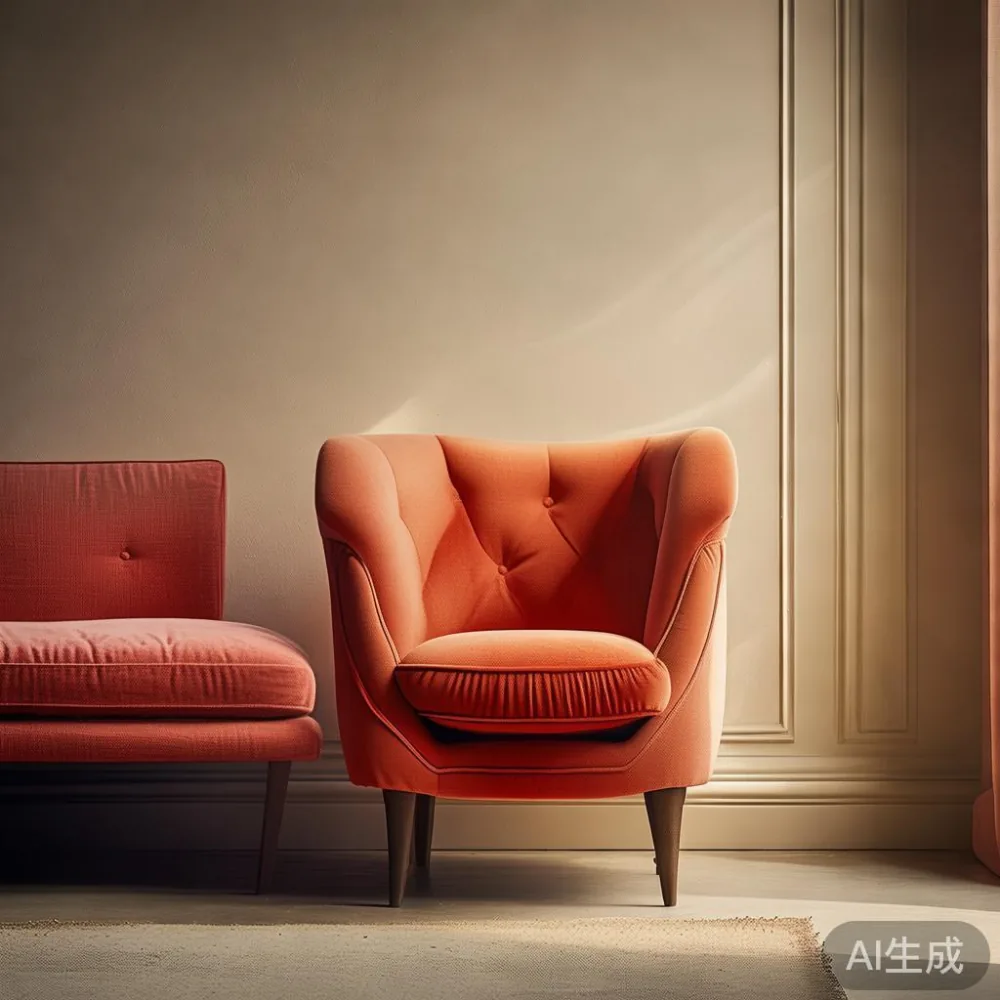
Understanding Your HDB Living Room Dimensions
The first step in choosing the right accent chair is to understand the space it will inhabit. HDB living rooms are known for their efficiency, with standard sizes varying slightly between different flat types. For a 4-room flat, which is common in estates like Tampines and Bedok, the living room typically measures around 4.2 meters by 4.8 meters. This gives you a total area of approximately 20.16 square meters. For a 5-room flat, often found in newer developments like Punggol, the living room can be larger, sometimes reaching 5 meters by 5 meters, offering more flexibility. However, it's not just the total area that matters; the shape of the room and the placement of existing furniture are equally important. Before you even think about styles, grab a measuring tape. Note the length and width of the room, the location of doors, windows, and any built-in features. Also, measure the height from the floor to the ceiling, as this will influence the perceived scale of your chair. A standard HDB ceiling height is 2.6 meters, which provides a good reference point for the proportions of your furniture.
How Much Space Should an Accent Chair Actually Occupy?
Once you have your room's dimensions, the next question is how much space a single accent chair should take up. A common rule of thumb is to allocate a footprint of about 70 to 90 centimeters in width and depth for a standard accent chair. This provides enough room for a comfortable seat without making the area feel cramped. When placing the chair, you must also consider clearance. There should be at least 45 to 60 centimeters of space between the chair and other furniture, like the sofa or a marble table, to allow for easy movement. This prevents the room from looking cluttered and ensures a pleasant flow. Imagine trying to work through the space with a tray of drinks or while carrying a child; this clearance becomes a practical necessity. Remember to account for the chair's depth when someone is sitting in it, as the back will extend further into the room. Visualize the chair in its final position. Will it block a window? Will it interfere with the path to the kitchen or the corridor leading to the bedrooms? These are the practical questions that will guide your decision on the perfect size for your accent chair.
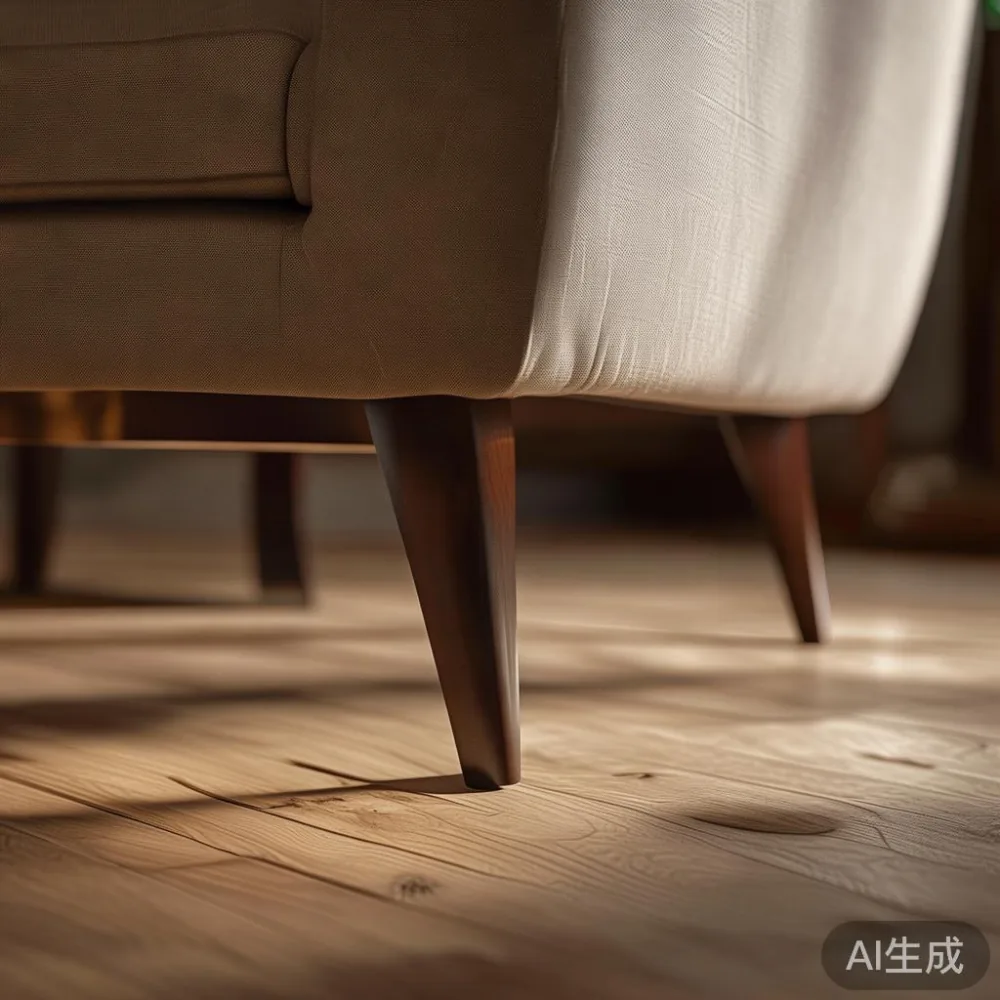
Will My New Accent Chair Fit Through the Doorway?
This is a question that often surprises new homeowners. You might find the perfect accent chair online, but if it cannot physically enter your home, it's a non-starter. Singapore HDB flats have standard doorways, but they can be tight spaces. The typical internal doorway width is about 80 to 90 centimeters. However, the real challenge is often the corridor and the lift. In older estates like Bedok, corridors can be narrow, and the turning radius from the corridor into the living room is a critical measurement. The chair must be able to make this turn without getting stuck. For those in high-rise flats, the lift dimensions are another important factor. A standard HDB lift has an internal width of about 110 centimeters and a depth of 140 centimeters. A large, bulky chair might fit inside, but maneuvering it out of the lift and down the corridor requires careful planning. If you are purchasing a chair that comes in a box, this is less of a concern. But for a fully assembled piece, it's wise to measure the chair's dimensions and compare them to your lift and corridor widths. Last month, I visited a client in a Tampines HDB block who had bought a beautiful French light luxury accent chair from a local retailer. The chair was 95 cm wide, and while it fit in the lift, the corridor leading to her unit was only 85 cm wide. We had to disassemble the chair's legs to get it through, a process that took an extra hour and some professional help. This experience highlighted the importance of checking all access points before making a purchase.
Matching the Accent Chair to Your Existing Furniture
An accent chair should complement, not compete with, your other furniture. The scale of the chair should be in harmony with your sofa, solid wood dining table, and other elements in the living room. If you have a large, three-seater sofa, a substantial accent chair can create a balanced, intentional seating arrangement. Conversely, if your sofa is a smaller two-seater, a delicate, petite accent chair might be more appropriate to maintain visual balance. Consider the height of your sofa. A standard sofa seat height is around 45 centimeters. An accent chair with a seat height within 5 centimeters of this will create a more cohesive look. You can also play with proportions for a more dynamic feel. For instance, a low-profile armchair can be paired with a taller sofa for an interesting contrast. The style of the chair should also align with your existing decor. A post-modern light luxury accent chair with clean lines and metallic accents would pair well with a minimalist solid wood sofa. If your living room features an Italian light luxury dining table, you might choose an accent chair with similar sophisticated detailing. The key is to create a dialogue between pieces, ensuring they tell a unified story about your home's aesthetic.
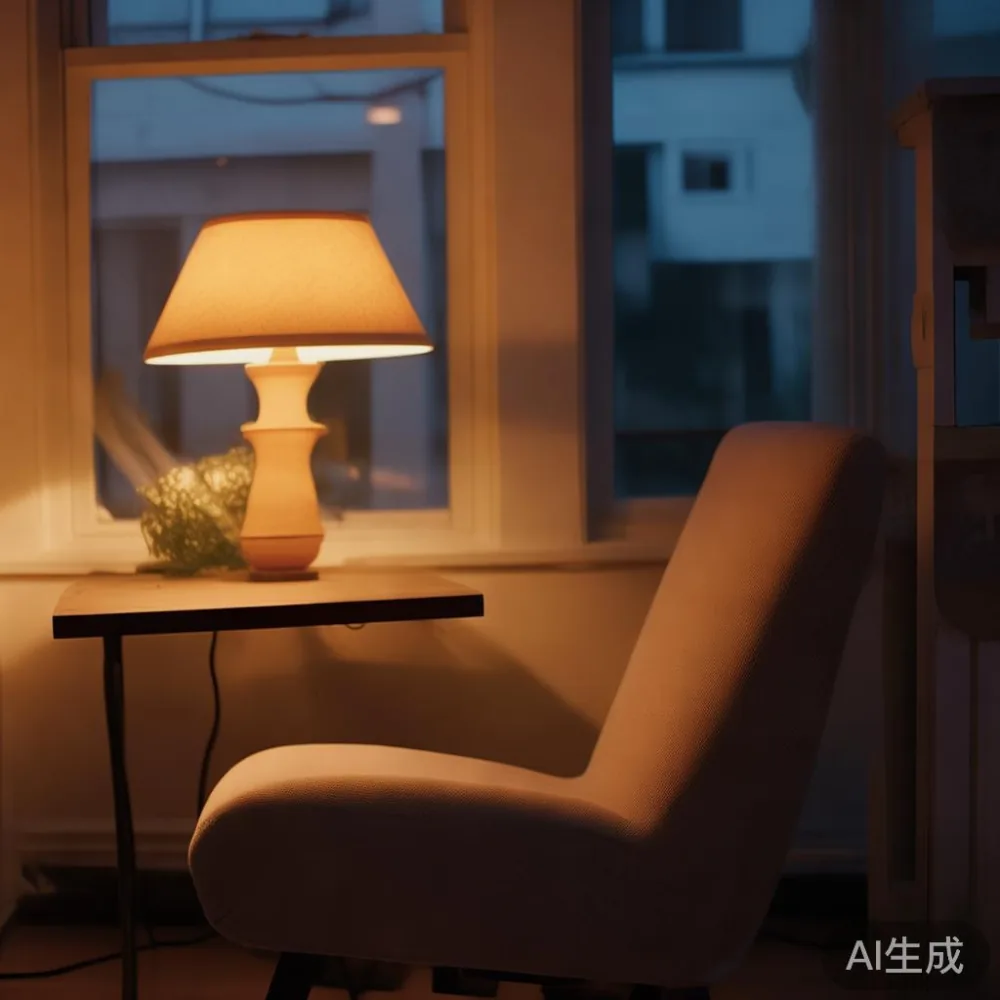
Style and Material Considerations for Your Accent Chair
While size is paramount, the style and material of your accent chair will define its character and how it integrates into your HDB living room. The choice between French light luxury, American light luxury, or post-modern light luxury can dramatically change the feel of the space. A French light luxury accent chair often features elegant curves, soft upholstery, and perhaps a touch of gilding, adding a touch of classic romance. An American light luxury chair might be more substantial, with rich leathers or bold fabrics, exuding a sense of comfort and confidence. A post-modern light luxury chair, on the other hand, embraces clean lines, geometric shapes, and a mix of materials like wood and metal, creating a sleek, contemporary look. The material also affects the perception of size. A chair with exposed legs, like a design with slender brass or wood legs, will appear lighter and take up less visual space than one with a solid, upholstered base. This is a useful trick for smaller rooms. When considering materials, think about durability and maintenance. Solid wood frames are a durable choice, while high-performance fabrics are stain-resistant, which is practical for homes with children or pets. The right combination of style and material will ensure your accent chair is not just the right size, but also the perfect fit for your lifestyle.
Practical Tips for Placing Your Accent Chair
Once you've selected the perfect accent chair, its placement can upgrade your living room. Here are a few practical tips to ensure it enhances the space. First, consider the function. Will this be a reading nook? Place it near a window or a corner with good lighting, perhaps next to a small marble table for a lamp and a book. Will it be a conversational piece? Angle it towards the sofa to create an inviting seating area. Second, think about traffic flow. The chair should not be in the main path of movement. It should feel like a deliberate destination, not an obstacle. Third, use lighting to define the space. A floor lamp placed behind the chair can create a warm, intimate atmosphere, making the corner feel like a special retreat. Finally, don't be afraid to anchor the chair with a rug. A small, textured rug can help delineate the seating area and add a layer of comfort and style under the chair's legs. This small detail can pull the entire look together, making the accent chair feel like a natural and intentional part of the room's design.
Investing in Quality: A Look at Long-Term Value
When furnishing your HDB flat, it's wise to think of furniture as a long-term investment. A well-made accent chair can last for many years, becoming a cherished part of your home. This is where the quality of materials and construction comes into play. A chair with a solid wood frame will be more durable than one made with particleboard. High-density foam upholstery will maintain its shape and comfort longer than lower-density alternatives. While the initial price tag might be higher, a quality chair offers better value over time. It resists wear and tear, reducing the need for frequent replacements. When budgeting for your accent chair, consider the total cost of ownership. This includes not just the purchase price but also potential delivery fees and the cost of future maintenance or repairs. For instance, a reputable brand like MIDHILL, which has been crafting solid wood furniture since 2008, often provides structural warranties and refinishing services, adding to the long-term value of their pieces. Investing in quality ensures that your accent chair remains a beautiful and functional part of your living room for years to come.
Budgeting for Your New Accent Chair in Singapore
The price of an accent chair in Singapore can vary widely, from affordable mass-market options to high-end designer pieces. Setting a realistic budget is an important part of the selection process. For a good quality, non-designer accent chair, you can expect to pay anywhere from SGD 300 to SGD 800. This range typically covers chairs made with solid wood frames and decent upholstery. If you are looking for a designer piece or a chair with premium materials like full-grain leather or handcrafted details, the price can go up to SGD 1,500 or more. It's also important to factor in other costs. Delivery charges can range from SGD 50 to SGD 150, though many retailers, including some online platforms, offer free shipping for orders above a certain amount, such as SGD 350. Be mindful of the 9% Goods and Services Tax (GST) applied to all furniture purchases in Singapore. This is calculated on the total price of the item plus any delivery charges. Always ask for a final, itemized quote to understand the total cost. Remember that a higher price often correlates with better materials, craftsmanship, and durability, which can save you money in the long run by extending the life of your furniture.
Final Considerations Before You Buy
Before you commit to purchasing an accent chair, take a moment to review a few final details. Check the retailer's return policy. Most stores offer a 14-day return period, allowing you to return the item if it doesn't fit or meet your expectations. This is a valuable safety net, especially when buying online. Ensure you understand the delivery timeline. Local delivery within Singapore typically takes 5 to 10 working days, but this can vary depending on the retailer's stock and location. If you need the chair by a specific date, confirm the delivery schedule beforehand. Consider the assembly process. Some chairs come fully assembled, while others require some DIY assembly. If you are not comfortable with this, look for retailers that offer an assembly service for an additional fee. Finally, think about future-proofing your purchase. Choose a style and color that you can see yourself living with for several years. Trends change, but a classic, well-designed accent chair will remain a stylish and functional part of your home. By considering these final details, you can ensure a smooth purchasing process and enjoy your new accent chair for years to come.