The Perfect Fit: Choosing an Accent Chair for Your Singapore HDB Living Room
Living in a Singapore Housing and Development Board (HDB) flat presents a unique set of challenges and opportunities for furnishing. The spaces are designed for efficiency, often demanding a careful balance between aesthetics and functionality. For many homeowners in areas like Tampines, Bedok, or Punggol, the living room is the heart of the home—a place where families gather, guests are entertained, and personal style is expressed. Among the many furniture pieces that define this space, the accent chair stands out as a statement of individuality. But selecting the right one requires more than just a passing glance at a catalogue. It demands a thoughtful consideration of dimensions, materials, and the specific architectural constraints of your HDB unit.
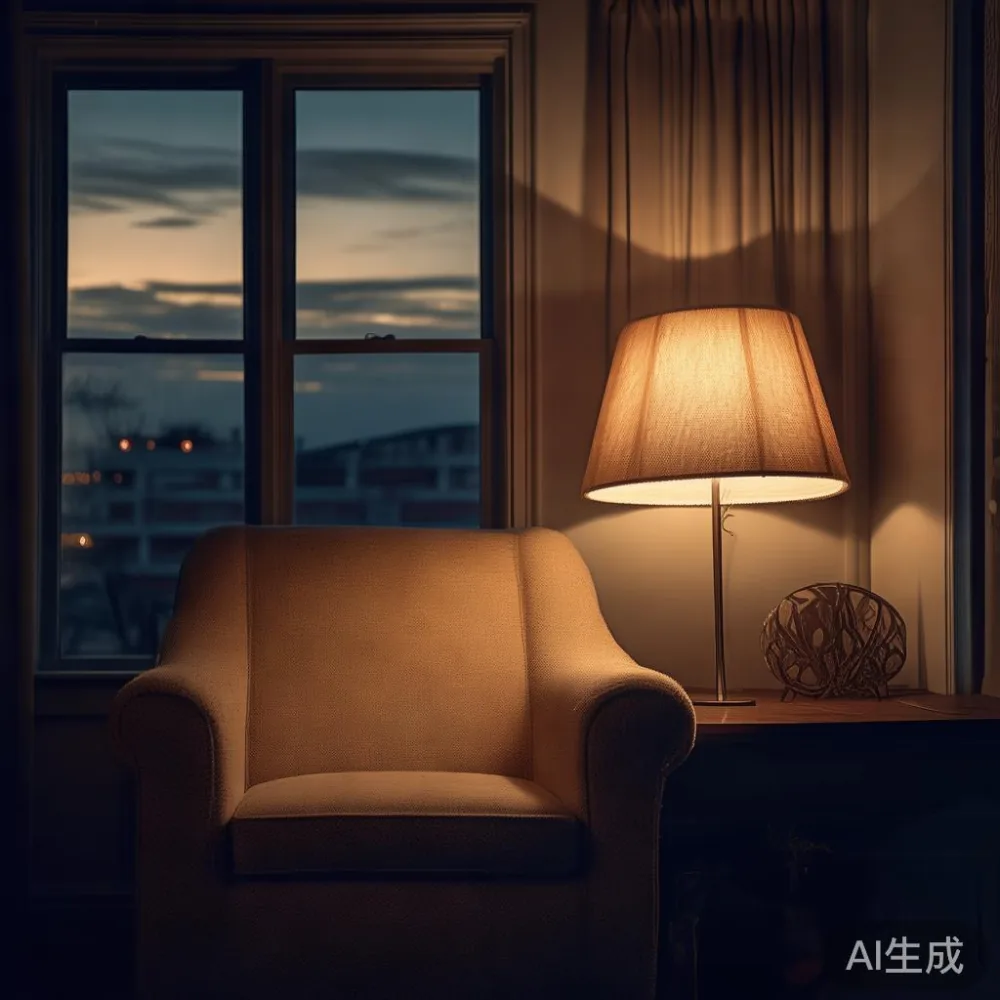
Last month, I visited a colleague’s newly renovated HDB flat in Tampines. Her living room was beautifully styled, but she was visibly frustrated. She had recently purchased a stunning French light luxury accent chair online, a piece she fell in love with for its elegant curves and soft velvet upholstery. The problem? It was simply too large. It dominated the small space between her solid wood sofa and the marble coffee table, making it difficult to walk past and disrupting the room's flow. This common scenario highlights the importance of getting the size right before you commit to a purchase. An accent chair that is too big can make a room feel cluttered and cramped, while one that is too small might look insignificant and fail to serve its purpose.
p>What Are the Standard Dimensions of an HDB Living Room?
p>Before you can choose the right accent chair, you must understand the canvas you are working with. The size of an HDB living room can vary significantly depending on the flat type. A standard 4-room HDB flat, common in many estates like Bedok, typically has a living room with an area of around 30 to 35 square metres. A 5-room flat might offer a more generous 40 to 45 square metres. However, the usable floor space is often less due to structural columns, fixed cabinets, and the mandatory requirement for a service yard.
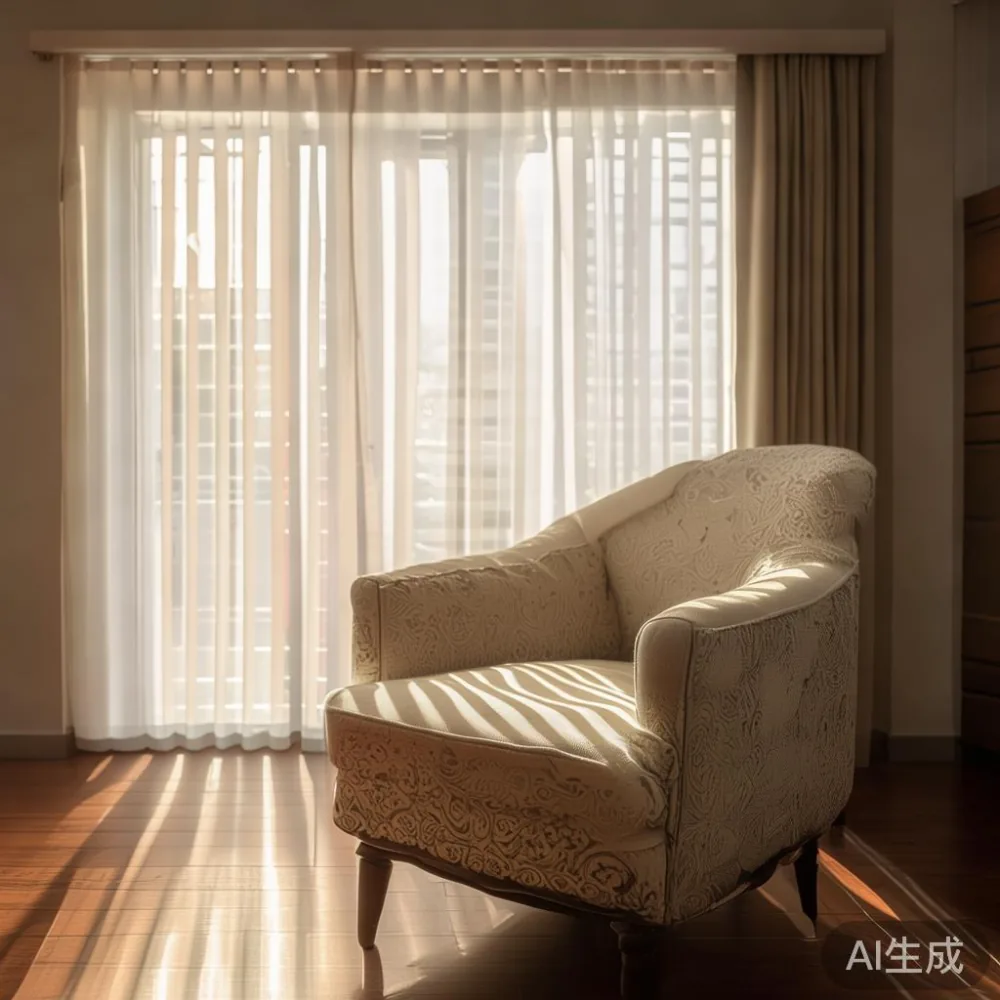
It’s also critical to consider the practicalities of moving furniture into your home. HDB corridors and lift widths are not designed for oversized items. The typical corridor width in an HDB block is approximately 1.2 metres, while the internal lift car dimensions are about 1.1 metres wide by 2.1 metres long. A large accent chair, especially one with wide arms or a deep seat, might not fit through the lift or around tight corners in your corridor. This logistical challenge is a key reason why measuring your space and potential pathways is a non-negotiable first step. Many furniture retailers, including those offering 2026 Italian light luxury furniture, will provide exact dimensions to help you plan ahead.
p>How Do I Measure for an Accent Chair in a Small Living Room?
p>For residents of HDB flats, where space is often at a premium, a strategic approach to measurement is important. The goal is to create a sense of openness while still incorporating a functional and stylish accent chair. Here’s a step-by-step guide to ensure you get the measurements right.
First, measure the total area of your living room. Then, identify the primary zones, such as the seating area around your solid wood sofa and the space for your dining table. The accent chair should complement these zones, not compete with them. A good rule of thumb is to leave at least 45 to 60 centimetres of clear space around the chair. This provides enough room to walk behind it comfortably and to pull it out without it scraping against other furniture. Imagine walking a path through your living room; there should be a clear, unobstructed flow.
p>Second, consider the scale of the chair in relation to your other pieces. If you have a large, L-shaped sofa, a substantial accent chair can work well. However, if your sofa is a two-seater, a smaller, more delicate chair might be a better fit to maintain visual balance. Think about the chair’s footprint—the width, depth, and height. A standard accent chair might be around 80 cm wide, 85 cm deep, and 85 cm tall. But for a smaller HDB living room, you might look for a more compact option, perhaps 70 cm wide and 75 cm deep. Always remember to account for the chair’s arms, as they can add several centimetres to the width and depth.
p>What Chair Styles Work Best in Singapore HDB Flats?
p>Once you have a handle on the dimensions, you can explore different styles of accent chairs that are well-suited for the Singaporean context. The key is to choose a style that aligns with your interior design while respecting the spatial limitations of your HDB flat.
p>The American light luxury style, for instance, often features clean lines, neutral palettes, and a focus on comfort. These chairs are typically designed to be statement pieces without being overly ornate. Their proportions are often more generous, so it's important to select a model that fits your specific measurements. This style pairs beautifully with a minimalist solid wood sofa and a simple marble table, creating a cohesive and sophisticated look. For those who prefer a more avant-garde feel, the best Post-modern sofa for 2026 often comes with a coordinating accent chair, featuring bold geometric shapes and unconventional materials that can add a touch of artistic flair to a living room.
p>For a more understated and calming aesthetic, a Japandi-inspired accent chair can be an excellent choice. This style combines the simplicity of Japanese design with the functionality of Scandinavian furniture. It often features natural materials like light wood or linen, clean forms, and a focus on craftsmanship. An accent chair in this style would not only be a comfortable seat but also a piece of art that contributes to a serene and balanced environment. When planning your bedroom, you might also consider how to style Japandi wardrobe in bedroom to maintain a consistent theme throughout your home.
p>How Do I Choose Between Different Accent Chair Materials?
p>The material of your accent chair is just as important as its size and style. The choice affects not only the chair's appearance but also its durability, comfort, and suitability for Singapore's climate. The high humidity and occasional warm temperatures in Singapore mean that certain materials may require more care than others.
p>Upholstered chairs, such as those made of velvet, linen, or leather, offer a high degree of comfort and style. Velvet, a popular choice for French light luxury furniture, adds a touch of opulence and texture. However, it can be prone to showing wear and may require regular vacuuming to prevent dust accumulation. Leather is durable and easy to clean but can feel sticky in humid weather. Linen is breathable and casual but may wrinkle easily. For a family home, consider fabrics with a high thread count or those treated for stain resistance.
p>Wooden accent chairs, often crafted from solid wood like oak or walnut, bring a sense of warmth and natural texture to a space. They are incredibly durable and age beautifully, developing a patina over time. A solid wood accent chair can be a wonderful complement to other wooden pieces like your bed frame or dining table. For a lighter, more modern look, you might consider a chair with a metal frame combined with a wooden seat or back. The key is to choose a material that not only looks good but can also withstand the daily use of a busy household in Singapore.
p>What Is a Realistic Budget for a Quality Accent Chair in Singapore?
p>Setting a realistic budget is a important part of the furniture selection process. The price of an accent chair in Singapore can vary dramatically based on the brand, material, and craftsmanship. It’s important to view this purchase as an investment in your home’s comfort and style.
p>You can find basic accent chairs at local furniture stores or online marketplaces for prices starting around SGD 200. These chairs may be functional but may not offer the same longevity or design quality as more premium options. At the other end of the spectrum, high-end pieces from renowned designers or luxury brands can cost several thousand Singapore dollars. For instance, the best Italian light luxury sofa for 2026 often comes with a matching accent chair that could be priced at SGD 3,000 or more, reflecting the use of premium materials and meticulous handcraftsmanship.
p>For most homeowners seeking a balance of quality and value, a budget in the range of SGD 500 to SGD 1,500 is a sweet spot. This price range can secure you a well-made accent chair from reputable brands like MIDHILL, known for their commitment to quality. When considering the price, don't forget to factor in additional costs such as delivery and the 9% Goods and Services Tax (GST). Many retailers offer free shipping for orders over SGD 350, which can help offset the total cost. Also, inquire about the warranty; a 10-year structural warranty, for example, provides peace of mind that your investment is protected for the long term.
p>Ultimately, the right accent chair is one that fits your space, complements your existing furniture, and reflects your personal style. By carefully considering dimensions, materials, and budget, you can find a chair that not only looks beautiful but also enhances the functionality and enjoyment of your HDB living room for years to come. For inspiration on creating a cohesive look, you might explore how to style light luxury sofa in apartment, ensuring every piece, including your new accent chair, works in harmony.