The Sit-Down Dilemma: A Furniture Specialist's Guide to Buying an Accent Chair Without Testing It
For many of us living in Singapore, the dream of a beautifully curated home often collides with the practical reality of space constraints and logistical hurdles. Whether you're in a compact 4-room HDB flat in Tampines or a sprawling condo in Punggol, finding the perfect piece of furniture that fits, functions, and feels right is a challenge. This is especially true for an accent chair, a piece that must be both a visual statement and a comfortable retreat. The biggest obstacle? The inability to physically sit on it before you buy. You can't just pop into a showroom in Bedok and try out 10 different models. So, how do you make an informed decision without that important tactile experience?
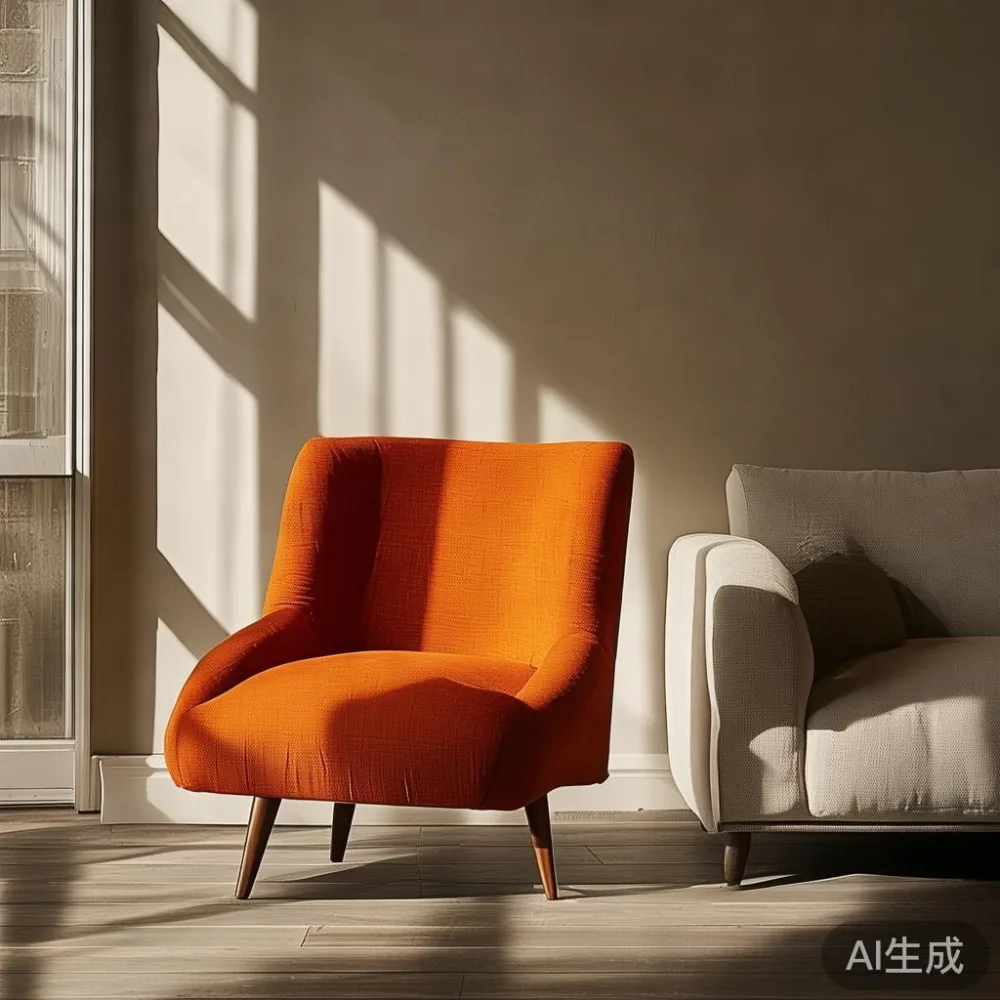
As a specialist who has spent years examining furniture from every angle, I understand this predicament perfectly. Last month, I visited a client in a newly built condo in Punggol. They had purchased a stunning-looking accent chair online, but upon delivery, they realised its seat depth was far too shallow for their 1.8m frame, making it uncomfortable for more than a few minutes. The piece looked the part but failed its primary function. This experience, shared by many Singaporeans working through narrow lift corridors and apartment doorways, highlights the need for a rigorous pre-purchase checklist. It's not just about aesthetics; it's about dimensions, materials, construction, and long-term value.
Why Buying an Accent Chair Without Sitting on It is a Common Singaporean Problem?
The challenge of purchasing an accent chair without a physical trial is amplified in the context of Singapore's living spaces. Our homes, from the older HDB estates to the modern condos, are designed with specific spatial limitations. In older neighbourhoods like Tampines, the standard HDB flat has a living room area that is often a long, narrow rectangle. This layout requires a thoughtful approach to furniture placement, where an accent chair must not only look good but also fit without obstructing the flow of movement or making the space feel cramped. The typical corridor leading to the living room is narrow, and the width of the chair is a critical consideration for easy access.
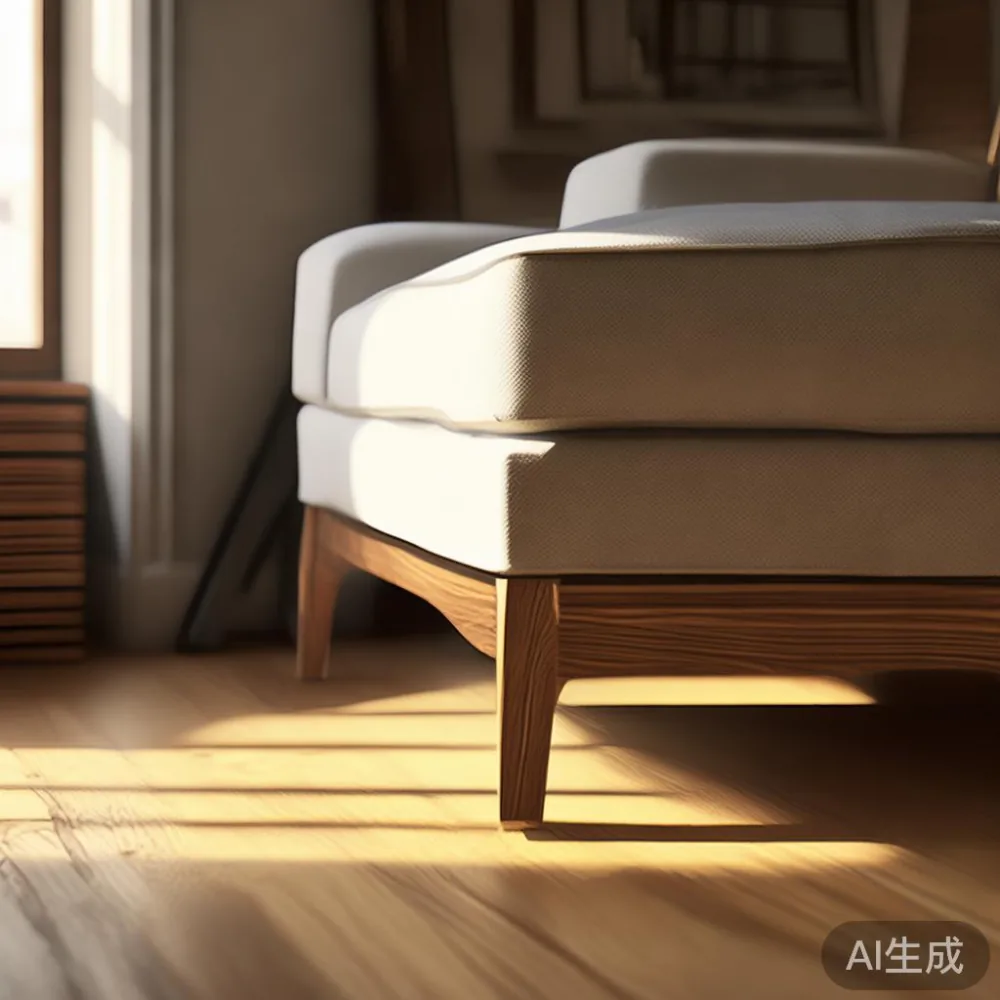
Also, the logistics of delivery in Singapore are a significant factor. Many apartment lifts have a standard width of approximately 110 cm. An accent chair that is wider than this will require disassembly, which can be a complex process for some furniture types. For those living in HDB flats, the main door often measures around 82 cm in width. A chair that is 85 cm wide will not fit through. This means you must know the exact dimensions of your entryway, lift, and the intended space in your home before you even click 'buy'. A common mistake is to measure the room but forget about the path of delivery, leading to a frustrating situation where the beautiful new accent chair sits in the hallway, unable to be moved into the living room.
Financially, the stakes are high. A quality accent chair can cost anywhere from SGD 800 to over SGD 3,000 in Singapore, especially if you're considering pieces from brands that offer light luxury designs. With a 9% Goods and Services Tax (GST) applied, the final price adds up. The last thing any homeowner wants is to spend a significant sum on a piece that is either too big, too small, or uncomfortable, leaving them with a non-refundable item that doesn't meet their needs. This is why a meticulous, detail-oriented approach to the buying process is not just recommended; it's necessary.
How to Measure Your Space for the Perfect Accent Chair Fit?
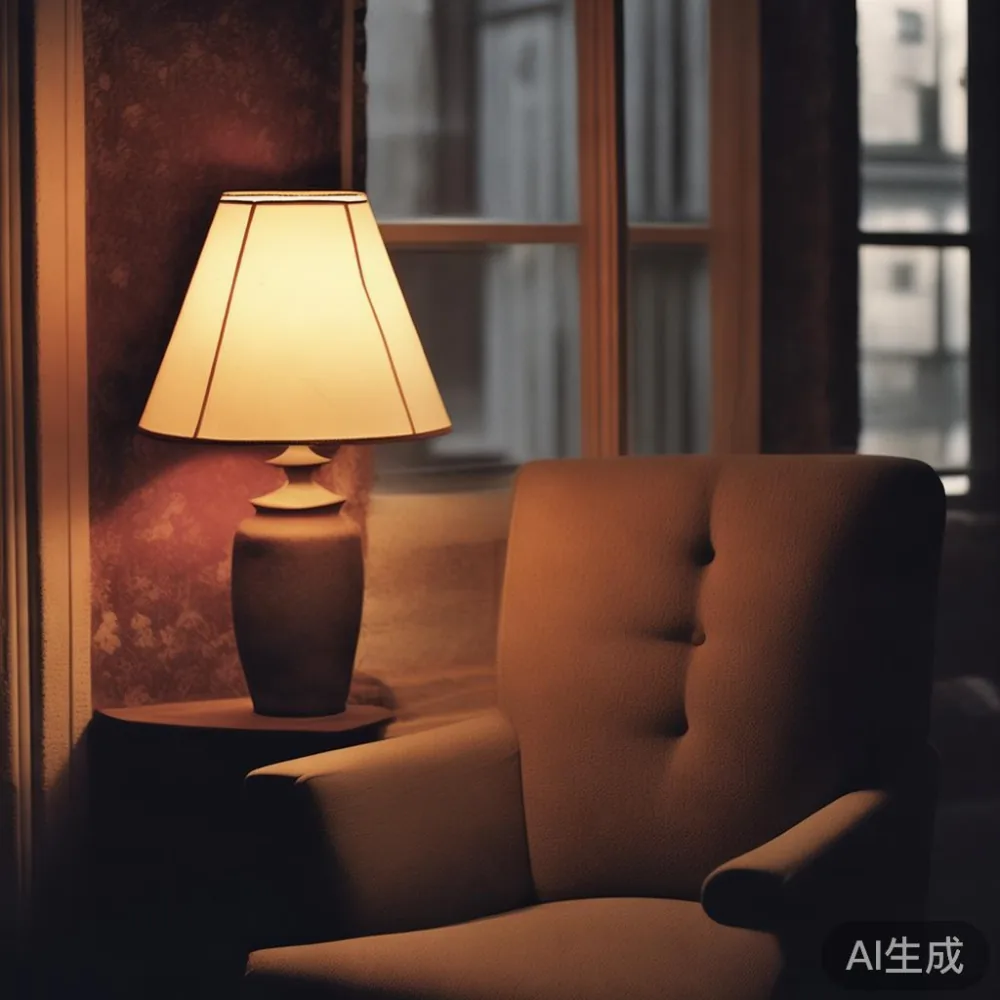
The single most important step in buying an accent chair without sitting on it is to measure your space with surgical precision. This goes beyond simply knowing the room's length and width. You need to create a detailed layout plan. Start by measuring the total dimensions of your living room. Then, identify the exact spot where you intend to place the accent chair. Measure the width and depth of this specific area. It's also wise to measure the height from the floor to any potential obstructions, like a low-hanging window sill or the armrest of your existing sofa.
Next, consider the dimensions of the chair itself. When shopping online, pay close attention to the product specifications. For an accent chair, a typical width is between 70 cm and 90 cm, a depth of 75 cm to 95 cm, and a height of 85 cm to 100 cm. These are not just numbers; they represent the physical footprint the chair will occupy. A chair that is 90 cm deep might look elegant in a showroom photo, but in a small HDB living room, it could protrude too far into the walking path. Use painter's tape on your floor to outline the chair's dimensions. This simple visualisation trick can help you instantly understand if the scale is right for your space.
Don't forget to account for the chair's 'reach'. When someone sits in an accent chair, their arms and legs extend beyond the physical frame of the seat. You need to ensure there is enough clearance—about 45-60 cm—around the chair to move comfortably and for it to be a practical piece of furniture, not just an ornamental one. Also, consider the dimensions of your doorways, lift, and any stairwells the chair will need to work through. A chair that is 80 cm wide is perfect for a standard 82 cm HDB door, but one that is 85 cm wide will require partial disassembly. This is a detail that separates a smooth delivery from a logistical nightmare.
What Materials and Construction Should You Look for in an Accent Chair?
While you can't test the comfort, you can and should investigate the materials and construction of an accent chair. This directly impacts its durability, comfort, and suitability for Singapore's climate. The frame is the foundation. Look for chairs made from solid wood, such as rubberwood or oak. Solid wood provides a sturdy, long-lasting structure that won't wobble or crack over time. A well-constructed frame is a sign of quality furniture that can withstand daily use. In contrast, a chair made with a particleboard or MDF frame may be cheaper but is far less durable and more susceptible to humidity, a common issue in Singapore.
The upholstery is another critical area. The fabric dictates both the look and the feel. For Singapore's warm and humid climate, breathable materials like linen, cotton, or high-performance fabrics are excellent choices. They are less likely to feel sticky or trap heat compared to velvet or leather, which can become uncomfortable. When examining product descriptions, look for details like the thread count of the fabric or the type of weave. A higher thread count often indicates a softer, more durable fabric. Also, consider the colour and pattern. A solid-coloured chair offers versatility, while a patterned one can be a statement piece. Think about how it will complement your existing sofa, dining table, or other furniture pieces.
Finally, examine the quality of the padding and the stitching. The cushions should be high-density foam, which provides better support over a longer period than low-density foam. Some high-end accent chairs may even feature a combination of foam and down for a plusher feel. The stitching on the seams should be tight and even. Loose or uneven stitching can lead to premature wear and tear. A well-made accent chair is an investment in your home's comfort and style, and these construction details are the hallmarks of a piece that will last for years, not months.
Is Italian Light Luxury Sofa Worth It? Understanding the Value Proposition of Your Accent Chair
When browsing for an accent chair, you will inevitably encounter various styles and price points. The term 'light luxury' is often used to describe a style that offers premium quality and design without the exorbitant cost of traditional luxury furniture. You might see options described as 'French light luxury,' 'American light luxury,' or 'post-modern light luxury.' Understanding these distinctions can help you find a piece that aligns with your aesthetic and budget. A French light luxury accent chair might feature elegant curves, soft fabrics, and a sophisticated colour palette, while an American light luxury piece might be more structured, with bold lines and rich leathers.
The price of an accent chair can vary dramatically, from a few hundred dollars for a basic piece to several thousand for a designer model. The key is to understand what you are paying for. A higher price often reflects superior materials, such as solid wood frames instead of veneered ones, top-grade full-grain leather, hand-finished details, and the reputation of the brand. A chair from a well-established maker like MIDHILL, for instance, often comes with a 10-year structural warranty and a lifetime refinishing service. This peace of mind is a significant part of the value proposition, ensuring that your investment is protected for the long term.
Before committing to a high-end piece, ask yourself if the premium features justify the cost. Will the solid wood frame and premium upholstery make a noticeable difference in your daily life? For a piece that is used frequently, the answer is often yes. For an occasional-use accent chair in a guest room, a more moderately priced option might suffice. Consider the total cost of ownership. A cheaper chair might need to be replaced in 3-5 years, while a more expensive one could last 15-20 years with proper care. When you factor in the replacement cost and the hassle of buying new furniture again, the initial higher price of a quality piece can be a smarter financial decision in the long run.
How to Style French Wardrobe in Bedroom? Ensuring Your New Accent Chair Matches Your Existing Decor
An accent chair should not exist in a vacuum; it should be a harmonious part of your home decor. Therefore, it's important to consider how it will fit with your existing furniture and design scheme. Take a good look at the other pieces in the room. Is your sofa a plush, deep-seated model? Then a more structured, sleek accent chair might provide a nice contrast. Is your dining table a dark, solid wood piece? A lighter-coloured accent chair with metal legs could complement it beautifully. The goal is to create a cohesive look where the new chair enhances the space rather than clashing with it.
Consider the colour palette of the room. If your walls are neutral, a bold-coloured accent chair can serve as a vibrant focal point. If your room already has a lot of colour and pattern, a more subdued chair in a solid fabric might be a better choice to avoid visual overload. Texture is another important element. A chair with a smooth, cool fabric like leather or polished cotton can provide a nice contrast against a sofa with a nubby, textured fabric like boucle or tweed. Think about the function of the chair as well. If it's for reading, ensure it's positioned near a good light source and perhaps a small side table where you can place a book or a cup of coffee.
Visualising the chair in your space is important. Use online tools or apps that allow you to upload a photo of your room and place a 3D model of the accent chair in it. This can give you a much better sense of scale and proportion than a simple product photo. You can also create a mood board with images of your room and the potential chair to see how the colours, textures, and shapes work together. This planning stage ensures that when your new accent chair arrives, it feels like it was always meant to be there, smoothly integrating into your home's design.
What Are the Logistics of Delivery and Returns in Singapore?
Even after you've meticulously selected the perfect accent chair, the final hurdle is delivery and, if necessary, returns. Understanding the process is important to avoid any last-minute surprises. Reputable furniture brands operating in Singapore, like some I've seen from Foshan, typically offer free shipping for orders over SGD 350. Delivery times can vary, but you should expect it to take between 7 and 14 business days for the item to arrive at your doorstep. Always check the estimated delivery window when placing your order and ensure someone will be available to receive it.
The delivery process itself should be smooth. A professional service will bring the chair into your home and place it in the room of your choice. They should also handle the packaging responsibly. Upon delivery, inspect the accent chair carefully before the courier leaves. Check for any visible damage, such as scratches, dents, or tears in the fabric. Take photos from multiple angles. It's also a good idea to test its stability by giving it a gentle shake to ensure the frame is solid and all legs are firmly attached.
Fortunately, many modern furniture companies offer a 14-day return policy. If you find that the chair is not the right size, colour, or comfort level, you can return it within this period. However, it's important to read the fine print. Some companies may charge a restocking fee or require the item to be in its original, undamaged packaging. Others may offer free returns, which is a significant advantage. Always confirm the return policy, including any associated costs, before making your purchase. This ensures that if the accent chair is not the perfect fit for your home, you have a clear and easy way to rectify the situation without significant financial loss.
Ultimately, buying an accent chair without sitting on it is a challenge that can be overcome with careful planning, thorough research, and attention to detail. By focusing on precise measurements, high-quality materials, a clear understanding of value, and the logistics of delivery, you can confidently select a piece that will be a beautiful and functional addition to your Singapore home. The effort you put in before the purchase will pay off in the long run, ensuring that your new accent chair is a source of comfort and style for years to come.