What Actually Drives the Price of Solid Wood Furniture?
Solid wood furniture is often sold as a simple material story: choose oak, walnut or teak, compare the photos, and look for a reassuring warranty. The photograph is only the visible layer. The more useful question for Singapore buyers is what changes between two solid wood pieces that look similar on screen: the timber, the construction, the finish, the dimensions, the hardware, the packaging and the service attached after delivery.
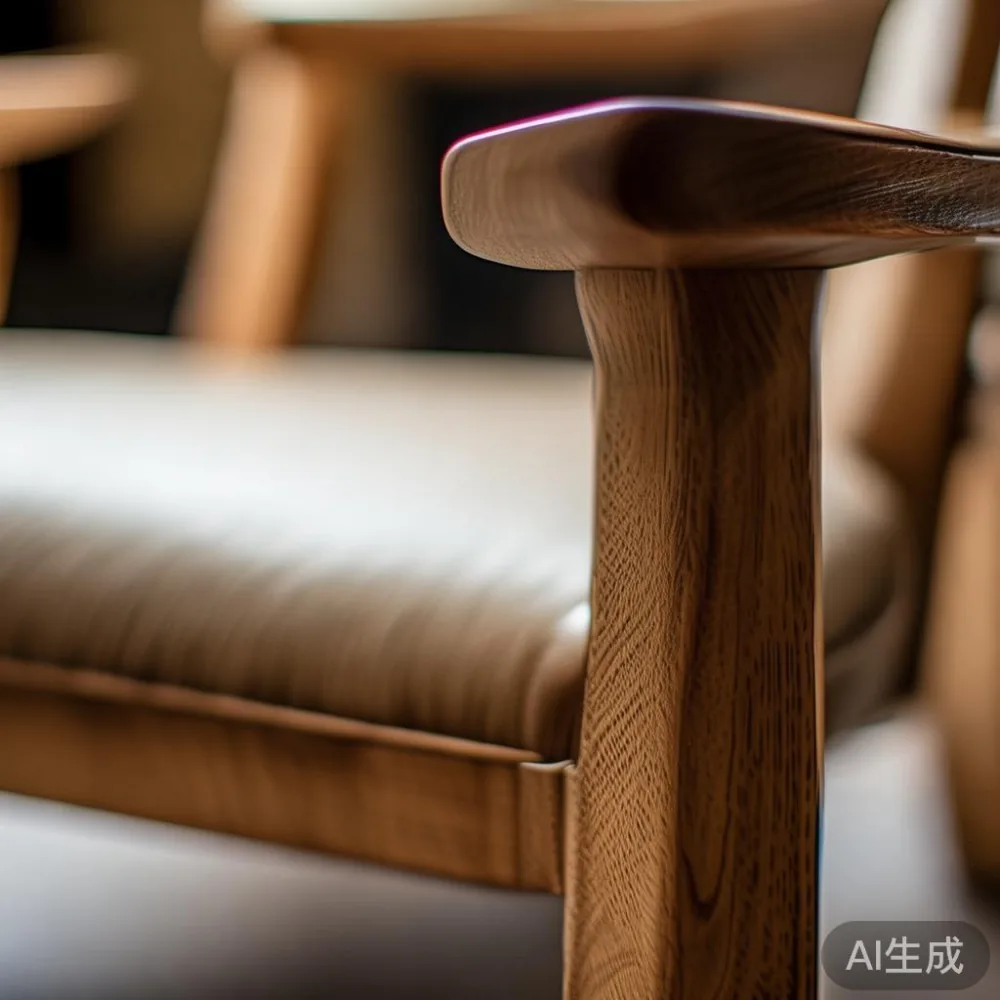
For a compact HDB flat in Tampines, an accent chair may need to clear a 86 cm doorway, pass through a 91 cm lift opening and turn along a 120 cm corridor without damaging its arms. A larger piece that looks luxurious in a showroom can cost more in delivery, modification and stress than a well-proportioned chair that arrives ready for the room. Price is therefore not one number on a product page. It is the combined result of material, labour, logistics, design decisions and expected service.
MIDHILL was established in 2008 and exports to more than 15 countries. Its 10-year structural warranty and lifetime refinishing policy show one way a maker can turn service into part of the furniture proposition. The free-shipping threshold of US$350 and 14-day returns are also useful commercial details, although prices here are shown in SGD because Singapore shoppers will pay GST at checkout.

Is solid wood automatically more expensive than engineered wood?
No. “Solid wood” describes where the timber comes from in the board, but it does not reveal species, grade, dryness, machining quality or construction. A solid pine accent chair with simple joinery may cost less than an engineered oak frame with dense carving and premium hardware. Conversely, kiln-dried solid walnut used throughout a dining table can command a higher price than a mixed solid-and-engineered construction, because the timber itself is scarcer and the waste allowance is greater.
Species has a direct effect. Teak commonly occupies SGD 45–SGD 140 per board foot in regional wholesale pricing, while oak and rubberwood may be less costly; retail figures vary too much for a universal fixed price. More meaningful is what the seller can document: moisture content, defects, adhesive content in engineered components, veneer thickness and joinery. Ask for exact panel and frame measurements rather than accepting “solid wood” as the full specification.

A dining table may use a 20–25 mm solid wood top with solid wood rails, even if some hidden panels are plywood or MDF. That does not automatically make it poor furniture. It can be a sound structural choice if the lower-cost sheet is positioned where it does not carry the visible load. An accent chair is different because the seat rails, legs and back supports work as a connected frame. Material substitutions there can affect flex, stability and longevity.
The unseen details often matter more than decorative additions. A chair with 18 mm legs, corner blocks and mortise-and-tenon joints is not necessarily superior to one assembled with well-positioned dowels, screws and blocking. The test is whether the joints resist racking under a 110 kg user and repeated movement. It is also whether the maker can repair them in Singapore years later.
How much should timber moisture and movement affect the price?
Wood moves as its moisture content changes with humidity. Singapore’s outdoor conditions can shift through the year, and air-conditioned interiors can be much drier than corridors or bedrooms. Properly kiln-dried stock will still move, but by controlled amounts. The pricing question is whether the workshop accounted for that movement in its joints and finish.
Good suppliers should be able to state typical finished-wood moisture targets, commonly around 8–12% for indoor furniture depending on climate and species. A solid wood bed frame with a 25–30 mm side rail may require a different joint from a narrow 60 cm bed frame. A dining table with a 200 cm top needs expansion allowances that are not visible in the product photograph.
During a supplier visit last month, I tested a sample accent chair by sitting, standing beside it and pushing the back lightly. The frame resisted side-to-side movement without a knock, and the rear legs stayed planted. More revealing was how the maker adjusted screw positions after the timber had acclimatised. That small adjustment takes 10 minutes and shows more understanding than a broad claim that a product is “heirloom quality”.
Finish is another price driver. Water-based matte coatings often cost less in materials and are easier to repair than thick gloss lacquers. Oils can look refined but may need more frequent care. A marble table introduces a separate issue: natural stone slabs vary in thickness, reinforcement and edge treatment. A 20 mm marble top may need backing to reduce warping, while a resin-filled surface may be lighter and less expensive. “Marble” alone is not a construction specification.
What does light luxury mean for an accent chair?
Light luxury is not simply a high price tag. In furniture, it usually means controlled visual richness: proportion, tactile surfaces and enough detailing to feel special without turning a 9 m² HDB study into a ceremonial room. French light luxury may use curved backs, upholstered panels and pale timber. American light luxury often pairs generous silhouettes with darker woods and substantial-looking bases. Post-modern light luxury can mix clean volumes with one contrasting shape.
For an accent chair, the value may sit in a 3–5 mm shaped back panel, a 65 cm seat width, a 42–47 cm seat height or a hand-rubbed finish. These numbers affect usability. A 49 cm-wide chair may look elegant but crowd a 90 cm writing desk. A 78 cm-deep chair can work in a living room but obstruct a corridor, so verify the route before ordering.
Two finishing approaches illustrate the range. A simple solid oak chair with tapered legs may retail around SGD 480–SGD 850. A sculpted French-style accent chair with deeper joinery, layered upholstery and a more elaborate finish may retail around SGD 1,200–SGD 2,400. Those are indicative Singapore ranges, not fixed valuations; the actual price depends on timber grade, dimensions and hardware.
The term European light luxury coffee table is used for a coffee table with restrained European proportions, but it should not obscure construction. For a 110 × 60 cm example, a 20–25 mm solid top, stable underframe and deliberate edge profile explain the price more clearly than a French-sounding label. In a 9–12 m² bedroom, even a coffee table can become a circulation problem, so scale and clearance deserve as much attention as style.
How much of the price comes from design, labour and production scale?
Labour is easiest to underestimate because much of it is hidden. A straight solid wood nightstand can be cut, drilled, sanded and assembled efficiently. A bed frame with a shaped headboard, routed details and multiple finishes takes longer at each stage. If a skilled craftsperson takes 3 hours rather than 45 minutes to build one frame, the hourly labour content can rise by SGD 120–SGD 300 before packaging and delivery.
Curves add another layer. A gently curved solid wood chair rail needs more setup and sanding than a straight rail. Hand carving takes far longer and introduces variation; machine carving can reproduce a pattern quickly. The price should rise when that extra work genuinely improves fit, surface or durability, not merely when a marketing page mentions “craftsmanship”.
Volume changes the arithmetic. A workshop making 500 dining tables per month can spread equipment costs over many pieces. A small maker producing 25 may have higher unit costs but may also offer more bespoke sizing. This is why an identical-looking wardrobe can vary by SGD 600 across factories. One may include adjustable hanging rails, soft-close hinges and a finished interior; another may offer flat panels, basic hinges and an unfinished back.
A wardrobe also contains hardware and usable space that photographs rarely explain. A 150 cm unit might include 3 hanging sections, 4 shelves and 2 drawers. Premium drawer runners, wider hanging space and a 12–15 mm finished back add cost but can improve daily use. Check the internal dimensions: a 150 cm wardrobe does not provide 150 cm of clear hanging width after side panels, partitions and door hardware.
The European bed vs Mid-century modern bed comparison often reduces to style, but the price difference also follows structure. A European bed may use a padded or framed headboard, while a Mid-century modern bed usually displays tapered legs and visible wood rails. A solid wood sofa similarly rises in price when the frame, seat cushions, foam density, textile and warranty are upgraded. Ask which changes affect use rather than treating the silhouette as the product.
What should Singapore buyers include in a total delivered price?
Start with the listed price in SGD, then add 9% GST if the seller does not display tax-inclusive pricing. Check whether delivery to the unit lobby is included. Stair carry, lift reservation, assembly, removal of packaging and collection of the old item can each add charges, and a 14-day return policy may or may not include return freight.
Measure the complete route. HDB lift openings are commonly around 80–90 cm, but the usable width can be smaller because of doors, panels or fire-control equipment. Corridors may narrow at turns, while a sofa packed for export can measure 85–95 cm across its carton. The chair should be checked diagonally as well as by width. For a Bedok flat with a tight turn, a fully assembled 78 cm-wide accent chair may be impractical while a flat-pack version is manageable.
Delivery timing also changes the commercial calculation. A ready-stock chair might arrive in 7–14 days; a made-to-order bed frame might take 45–90 days. Commercial freight can take 20–35 days, followed by local handling. Ask whether the quoted lead time includes customs clearance and whether delays are covered by a fixed dispatch commitment.
MIDHILL’s free shipping over US$350 applies to its stated threshold, but Singapore buyers should still confirm the local quotation, GST and access charges. The 14-day returns window is a reason to inspect the piece quickly, not a substitute for checking dimensions. Record unboxing with video, inspect corners and test doors, drawers and joints within the available time.
Does the warranty and refinishing service justify a higher price?
Sometimes. A 10-year structural warranty can reduce the perceived risk of an expensive solid wood piece, while lifetime refinishing can extend its usable life. Those services are worth paying for only if the terms are clear. Identify which components are covered, whether labour and collection are included, and whether refinishing is offered once a year or at a discounted rate.
A nightstand may cost SGD 320–SGD 650, while a more elaborate walnut version may reach SGD 900. Those figures can make minor scratches feel less significant if repair is genuinely available. A dining table may range from SGD 1,500 to more than SGD 5,000, so the service promise becomes part of the ownership economics. Still, a warranty cannot replace sensible placement: keep timber furniture away from direct air-conditioning vents, damp bathrooms and constant sunlight.
For bedroom projects, the phrase how to style French bed in bedroom naturally leads to discussions about French-style beds, but scale comes first. In a compact room, an upholstered French bed with a 110–135 cm width may dominate the space, while a 90–100 cm solid wood bed frame can preserve circulation. A Punggol condo with higher ceilings may handle a taller headboard better than an older HDB bedroom with a low ceiling.
The same care applies when comparing French bed vs Japandi bed. Japandi styling tends to favour pale timber, straight lines and visual quiet; French styling may introduce curves, softer textiles and decorative detail. The price gap may reflect those design elements, but verify the frame, slat spacing and centre support. A good solid wood bed frame for Singapore use may include 12–15 slats, a centre rail and support legs, especially across a 180 cm width.
One useful market phrase is Mid-century modern for hotel, because hospitality furniture must balance appearance with maintenance. Scratches, frequent movement and cleaning demands can justify stronger frames, replaceable upholstery and modular parts. For a home, the same durability logic is useful even without a hotel project. Another search term, best American bed for 2026, signals interest in current American styling, but “best” should be replaced with measured criteria: frame material, mattress support, dimensions, noise, finish and warranty.
How can you compare two solid wood pieces fairly?
Build a specification sheet with at least 12 items: dimensions, timber species, solid or engineered panel locations, joint method, moisture target, finish type, hardware brand, load or stability method, internal storage dimensions, warranty, return terms and delivered lead time. Then compare the prices in SGD. This prevents a low headline price from hiding a 15 cm depth difference or a more expensive surface treatment.
Use the room to set limits. For an accent chair in a Tampines study, reserve at least 75–90 cm of visual space and choose a seat height around 42–47 cm if it will be used at a desk. For a dining table, allow 90 cm per diner and approximately 60 cm beyond each end where space permits. For a wardrobe, check opening clearance and skirting before finalising the width.
Finish sample boards are worth examining under the room’s own light. Oak can range from pale beige to deeper honey tones, and walnut can vary substantially in colour. Request an A5–A4 sample where available, then live with it for 3 days. A finish that looks warm under showroom lighting may look grey beside cool HDB walls.
The most meaningful price driver is often disciplined specification: suitable timber, sound structure, accurate dimensions, repairable surfaces and dependable after-sales terms. A solid wood sofa, bed frame, dining table, wardrobe, nightstand, marble table or accent chair may cost more because it solves those details better, not because it has more ornament. Compare like with like, measure the route, include GST and delivery, and choose the specification you will still appreciate after the first photograph is replaced by everyday use.