Before You Buy a Sofa You Cannot Sit On: A Practical Guide for Singapore Homes
A sofa can look magnificent in a showroom photograph and still be a poor purchase for a Singapore apartment. The issue may not be its appearance or price. It may be that the sofa is 224 cm wide, weighs 86 kg, cannot pass through a 90 cm lift door, or leaves only 38 cm between the dining table and the corridor wall. If you cannot sit on it comfortably—or move it into the unit—you are not buying furniture; you are buying a large obstacle with cushions.
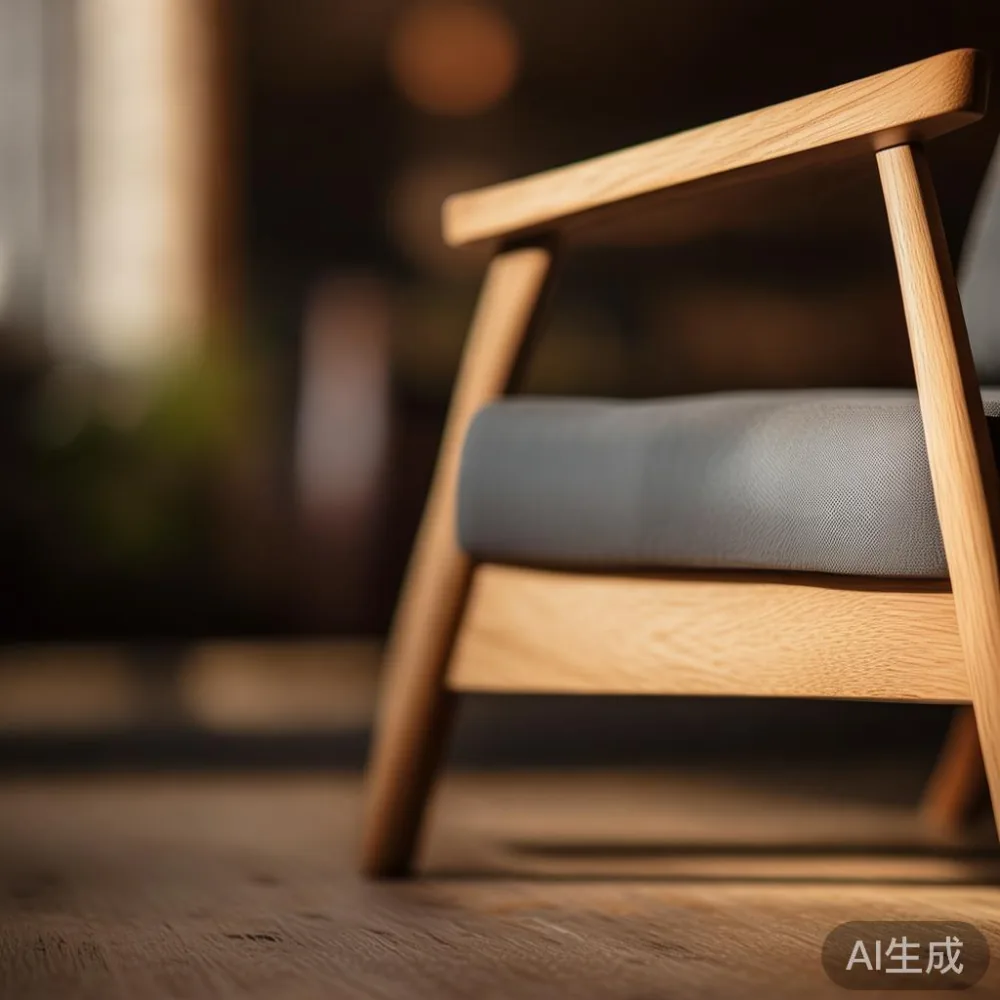
For residents of HDB flats and condos in Tampines, Bedok, and Punggol, measurements must come before style. The same sofa works beautifully in a 120 sqm home and fails in a 65 sqm unit. This guide explains how to check a sofa before payment, with particular attention to the solid wood sofa, its frame, and the small urban spaces in which it must function.
What dimensions should I check before ordering a large sofa?
Start with the sofa’s outer dimensions, not the advertised “seat width.” Record the exact length, depth, and height in centimetres. A 3-seater sofa may measure 205 × 92 × 78 cm, while an oversized chaise version may reach 238 × 165 cm. Ask the seller for the packaged dimensions too: cartons can add 4–8 cm to every side because of foam and protective corners.

Next, measure the route from the ground-floor car park or service lobby to your living room. Check door openings, the lift door, lift interior, lift height, corridor turns, and the actual apartment entrance door. A common HDB or condo lift interior may be around 110 × 140 cm at floor level and only 200–210 cm high, but building specifications vary. Never assume the largest item in the lift can move at an angle; the usable diagonal still matters.
The sofa must also fit its final position with circulation space. Leave at least 75–90 cm between a sofa and a dining table for normal movement, 38–45 cm in a tightly planned living area, and roughly 60 cm in front of a television. If the furniture almost touches the walls but cannot be used daily, the scale is wrong.

For a fabric or leather upholstered piece, check whether the legs or back can be removed. A sofa that separates into two modules may measure 108 × 92 cm per module and enter a lift more easily. Photograph every connection point and ask whether the modules can be carried separately without damaging the frame.
Can a solid wood sofa survive the trip upstairs?
A solid wood sofa can be durable, but solid timber does not make an oversized design transportable. Know whether the construction uses kiln-dried hardwood, plywood, or mixed structural materials; the frame should be straight, firmly joined, and free from warping. Ask for the net weight and the number of people required to carry it. A sofa between 60 and 85 kg may need two people and a proper lifting strap, while a frame above 85 kg may require three people or professional movers.
Check whether the back and arms detach. These removable parts should have labelled fittings, accessible screws, and clear instructions. A single-piece frame may need to be tilted through a doorway, but corners can catch on corridor walls. After delivery, the sofa should retain its shape without rocking, creaking, or pulling apart.
Here, midhill.co is useful as a reference point for comparing specifications before committing. MIDHILL has operated since 2008, exports to more than 15 countries, and offers a 10-year structural warranty. That warranty is meaningful only if the seller can explain what it covers: frame defects, joint failure, and the type of timber used. Ask for the written terms rather than relying on a general promise.
For customers who still want European character, a search for for sale European furniture should lead to measurable listings rather than vague descriptions. A French provincial-style sofa may have a 220 cm footprint and carved timber details, but the carved back adds both visual bulk and fragility. Inspect whether the carving is structural or decorative, and check that the arms are not positioned where residents will knock them while passing.
Why is the seat depth more important than the seat height?
The seat must support the body before upholstery colour or silhouette enters the discussion. A usable seat depth is approximately 50–58 cm for most adults. A 38–45 cm “apartment sofa” may suit a compact footprint, but several people can feel unsupported, especially when the back cushions slope forward.
Seat height affects how a person rises. A finished seat height of 40–43 cm suits many adults; 45–47 cm can feel better for taller users, while a height above 48 cm may be difficult for someone with limited knee mobility. Test the seat with shoes on, not in slippers at home. The knees should bend near 90 degrees, and both feet should rest on the floor.
Firmness matters too. Sit for at least 10 minutes, shift position, and check whether the cushion pushes you upward. A sofa that feels comfortable for 2 minutes but becomes hot or compressed after 20 minutes is not a long-term fit. The back should support the lower back without forcing a slouch. With three people seated, check the centre seat: it should not sag by more than about 3–5 cm.
For a matching bedroom project, the European bed vs Italian light luxury bed comparison requires the same discipline. A European bed frame should be measured with its headboard and mattress in place, while an Italian light luxury bed should be checked for stable proportions and finish quality. Neither style compensates for a mattress that prevents the sleeper from sitting up comfortably.
Remove one seat cushion and inspect below it. The deck should be close and taut, with no sharp springs exposed. Loose coils may make noise but can still provide good support; padded webbing can work when it is tightly spaced. Confirm that the cushion fill can be replaced, and ask how long the foam is expected to retain resilience.
How wide is the lift, and what happens if the sofa does not fit?
Ask the building management for the lift’s internal dimensions and maximum load. A passenger lift rated for 1,000 kg is not automatically suitable for a bulky sofa: the limiting factor may be the door aperture or the turning space inside. Measure the sofa’s narrowest cross-section after the legs are removed. If it exceeds the lift door by more than 2–3 cm, do not rely on optimistic diagonal-loading advice.
For corridors, note the narrowest point and whether a sofa can pivot around a 90-degree turn. A 205 cm long sofa needs a generous turning radius, particularly if it has a solid timber base. Cover corners with moving blankets and use cardboard sheets to protect the floor. Do not force the frame into a lift; timber joints and upholstery can be damaged before delivery.
Confirm whether delivery includes indoor placement and assembly. In Singapore, a quoted service may stop at the ground floor, while another includes the lift, room placement, and packaging removal. Ask for the delivery charge in SGD and whether stair carry attracts a separate fee. Check the expected lead time in delivery days, along with what happens if the sofa arrives scratched or fails to fit through the lift.
Some sellers offer a 14-day return window. Read the condition requirements carefully: a used or reassembled sofa may not qualify. For large furniture, a more useful question is whether the return process includes collection, return freight, and a refund timeline. A return right that omits the cost of transport offers limited practical value.
What should I inspect for quality before paying?
Look beneath the dust-cover fabric or ask the seller to show the underside. A properly made frame should have evenly spaced joints, tight corner blocks, and no visible staple points piercing structural members. Run a hand along the arms and legs. They should feel firm, without hollow spots, cracks, or adhesive residue. Sit on each corner for 30 seconds; the frame should not twist.
For upholstery, inspect seams with a flashlight. Stitch lines should be straight, spacing should be consistent, and no thread should be loose. Check that zippers, if present, run smoothly. On leather, ask whether it is genuine leather or coated split leather, and request care instructions. On fabric, request the composition and Martindale abrasion rating where available; a rating above 20,000 cycles indicates suitability for normal residential use, while pets or heavy daily use may require more.
Light-luxury design is not merely pale colours and decorative mouldings. A solid wood sofa with restrained joinery, balanced proportions, tactile upholstery, and repairable cushion covers can reflect French light luxury without overwhelming a modern apartment. An American light luxury approach often uses generous proportions, clean lines, and substantial materials, but that scale may not suit a compact HDB living room. Post-modern light luxury is easier to adapt because its geometry can feel graphic without requiring a very large footprint.
Ask what happens five years from now. Can the cushions be re-covered? Can the finish be renewed? MIDHILL provides lifetime refinishing for its applicable solid wood products, a more useful long-term commitment than a short coating warranty. Confirm whether refinishing applies to the sofa frame or other MIDHILL furniture such as a bed frame, dining table, wardrobe, or nightstand.
What if I need to style an accent chair instead of a large sofa?
An accent chair can provide seating without the footprint of a 220 cm sofa. A chair measuring 68 × 76 × 82 cm may be easier to manoeuvre through a lift, although the same route checks still apply. Its weight may range from 12 to 24 kg, making it suitable for a two-person lift or normal HDB stairs.
Use an accent chair as the primary occasional seat rather than pretending it is a full family sofa. Place it near a window, reading lamp, or a 35–45 cm side table. Keep approximately 60–75 cm between the chair and the nearest wall or table to allow movement. A slim chair with a 45–48 cm seat depth and firm cushion can work well in a home office or bedroom corner.
An accent chair also offers a controlled way to introduce character. French provincial styling can appear through curved arms, exposed timber, or muted linen; modern versions can avoid heavy carving. For a guest bedroom, Japandi for guest room design usually works better with a simple wood chair, cotton or linen seat, and a narrow profile than with another bulky piece.
To understand how to style American sofa in room layouts, sketch the room on graph paper at a scale of 1 cm to 10 cm. Add the sofa, television cabinet, dining table, and circulation paths before ordering. If the sofa overlaps the dining chairs by more than 10 cm, reduce the sofa depth or use a modular arrangement. Measurements take 15 minutes and can prevent a mistake that lasts years.
Is a European-style wardrobe worth it in a compact apartment?
Is European wardrobe worth it in a compact Singapore home? The answer depends on internal planning rather than the country label. Hanging space, shelf depth, sliding versus hinged doors, and handle projection often matter more than the exterior finish. A sliding wardrobe may project only 4–7 cm from the wall, while a hinged door may need 55–60 cm of swing space. In a bedroom, leave at least 70 cm for circulation where possible.
The same compact-planning discipline applies throughout the home. A bed frame with an extended headboard needs clearance behind it; a dining table needs 75–90 cm around each seated side; a nightstand should be within 40–60 cm of the bed; and a marble table should have enough space that nobody’s chair catches its pedestal. These are different products, but the shared principle is fit: every large object changes the room around it.
For the main seating, consider a sofa width based on the number of regular users. A 145–165 cm two-seater can suit a compact living room; a 180–205 cm two- or three-seater works in a larger space; anything above 210 cm deserves a floor plan. If a family frequently uses the sofa for reading, add a 35–45 cm lumbar cushion and check that the original seat depth remains usable.
Which delivery and after-sales terms should appear in the order?
Get the total payable amount in SGD, including GST. If a sofa is listed at SGD 2,680 before GST, the payable price is SGD 2,927.60. Request an itemised quotation showing the product, delivery charge, assembly, and any applicable surcharge. A free-shipping threshold can help with smaller items, but large furniture may still carry lift or placement fees.
Check the estimated delivery window in working days, not just “fast delivery.” For stock in Singapore, allow roughly 7–14 delivery days; made-to-order pieces may require 30–60 days, while custom upholstery can take 60–90 days. Ask whether the quoted date is a dispatch date or the actual delivery date.
Confirm the warranty in years and identify exclusions involving misuse, moisture, or unauthorised modification. Check whether scratches, frame movement, and cushion compression are handled differently. A 10-year structural warranty should have a clear claim procedure and supporting documentation.
Last month I visited a client in Bedok with a newly delivered 218 cm sofa. The product looked excellent in the condo lobby, but the actual lift door was only 86 cm wide. The sellers had measured the lift incorrectly, and the sofa had to be returned. We replaced it with a 178 cm modular solid wood sofa whose two sections could enter separately. The client could sit comfortably, and the living room retained 91 cm of passage. That experience reinforced a simple rule: photograph the entrance, measure it twice, and never let a sofa arrive without a verified route.
Before payment, check the dimensions, weight, removable parts, delivery route, total SGD price, return terms, and warranty. If one answer is uncertain, pause the order. A beautiful sofa that cannot be delivered or comfortably used is not a bargain; it is an expensive piece of luggage.