How to Care for a Lacquered Accent Chair in a Tropical Climate
A lacquered accent chair can bring quiet polish to a Singapore home, but humidity, heat, sunlight, and salt-laden air demand a little more attention than they do in a temperate country. The lacquer is not the solid wood beneath it, so wiping it with the wrong cleaner can dull the sheen, leave a sticky film, or cause pale marks that are difficult to remove. Good care begins with understanding the finish, then building a simple routine around your actual HDB flat, condo, or landed-property routine.
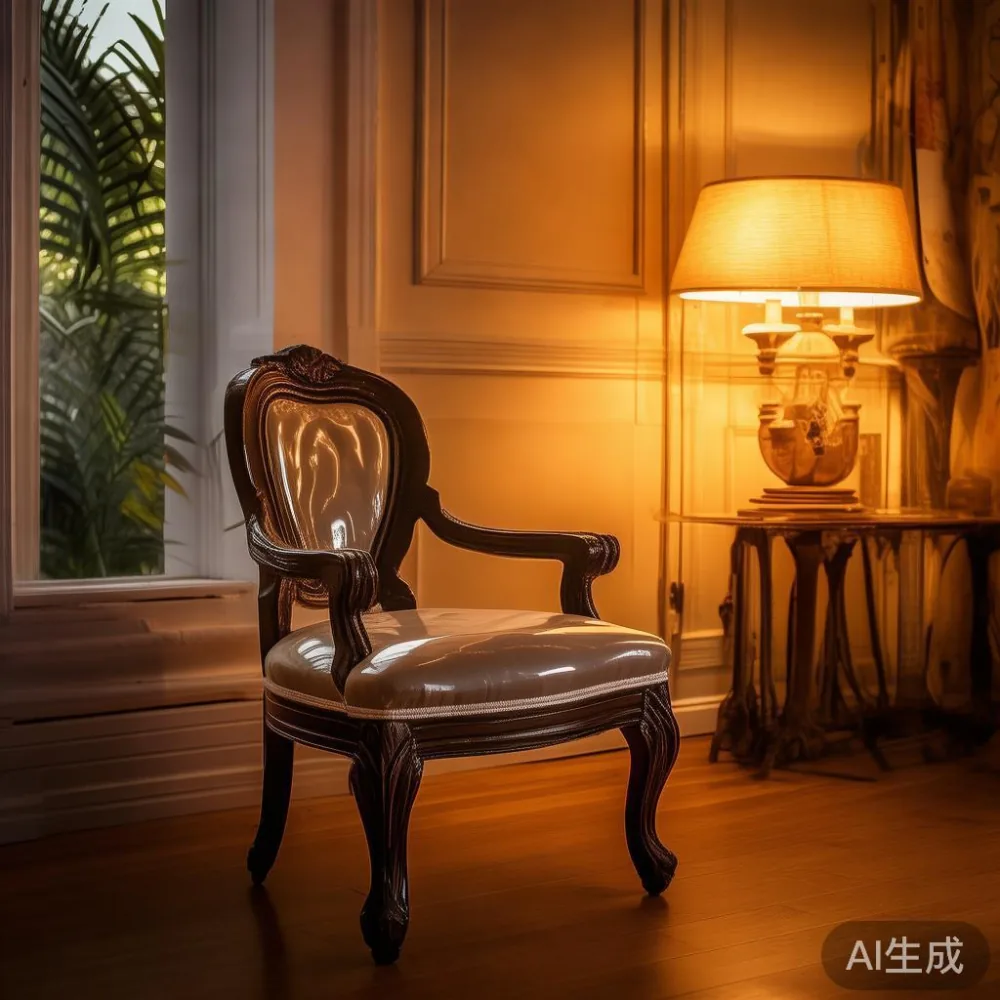
At MIDHILL, we build solid wood furniture for long use and offer a 10-year structural warranty, lifetime refinishing, and a 14-day return window. An accent chair needs more specific care than a dining table or bed frame because its back, arms, and front edge often collect skin oils, dust, and condensation. This guide explains how to protect that finish without sacrificing the clean character of French light luxury, American light luxury, or post-modern light luxury design.
What makes tropical lacquer care different?
Singapore’s outdoor humidity commonly ranges from about 60% to 85%, while indoor air-conditioned rooms may fall to 50% to 60%. Lacquer responds to several factors at once: relative humidity affects wood movement, sudden temperature changes can create condensation, and repeated hand contact breaks down a thin surface coating. In a compact Tampines flat, an accent chair may be moved between a 28°C bedroom and a lift lobby exposed to 32°C air. In a Punggol condo, a chair beside a west-facing window may receive direct sun for 3 to 4 hours in the afternoon.
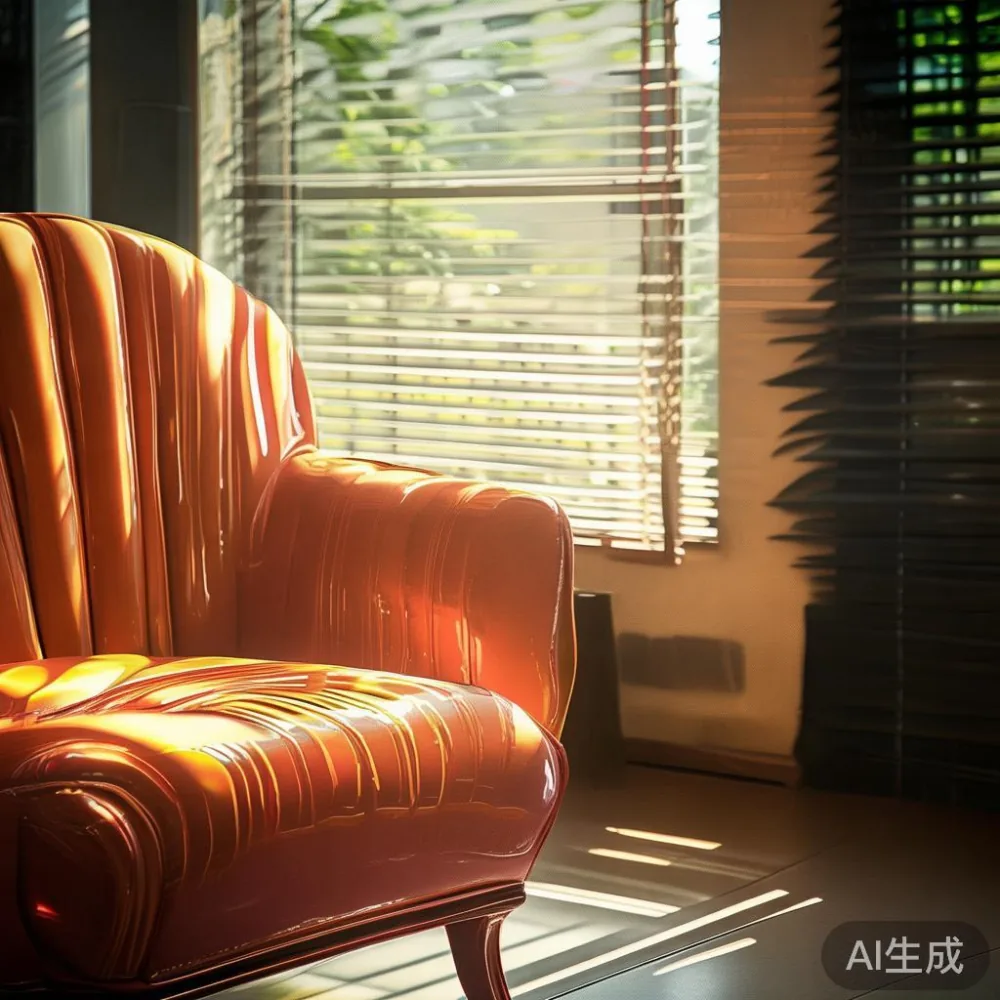
Allow the lacquer to acclimatise for 24 to 48 hours after delivery. Keep it at least 30 cm away from an air-conditioning vent, dehumidifier outlet, radiator, or window that opens directly onto the corridor. A stable room temperature of 22°C to 27°C and relative humidity of 50% to 65% is suitable for most indoor furniture. If a portable hygrometer reads above 70% for several consecutive days, improve ventilation and aim the dehumidifier across the room rather than directly at the chair.
Lift and corridor dimensions matter too. Check the lift’s internal width, door width, and turning space before delivery day; many residential lift doors measure around 90 cm, while some are narrower. A chair with a 55 cm width is easier to manoeuvre, but its diagonal and arm height still need to clear the doorway and corridor turns. Never drag an accent chair across the floor. Lift it by the frame with 2 people, or remove detachable cushions if the manufacturer permits.
How should I clean a lacquered accent chair?
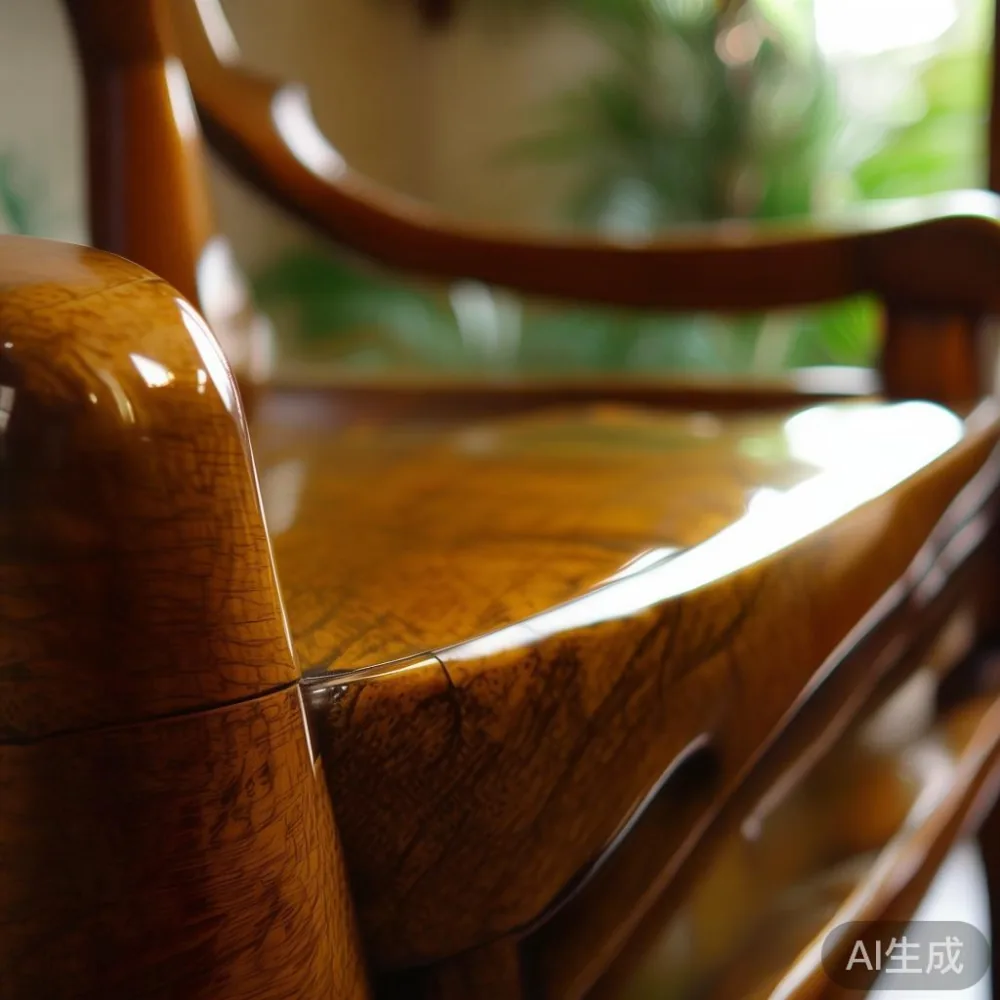
Start with the least aggressive method: dust it every 7 days using a clean microfibre cloth or a soft brush with natural fibres. Vacuum upholstery with the brush attachment at low suction, keeping the nozzle 3 cm above the fabric. For lacquer, lightly dampen a separate microfibre cloth with plain water. Wring it until no water drips, wipe in the direction of the grain, and immediately follow with a dry cloth.
Do not use household glass cleaner, ammonia, bleach, alcohol, acetone, wax, silicone polish, or oil-based furniture spray unless MIDHILL has specifically approved the product for that lacquer. Silicone creates a patchy reflective film; oil can trap fingerprints; abrasive pads scratch the clear coat. Avoid spraying cleaner directly onto the chair, because liquid can travel beneath the finish and into a joint.
For a visible mark, test a discreet area near the rear leg for 24 hours. If the supplier confirms the finish is water-based, use a barely damp cloth with a drop of pH-neutral dish liquid, then wipe and dry. If the finish is solvent-based or unknown, seek professional advice. A useful test is to run a coin gently across an inconspicuous area: a mark that feels rough or catches the nail needs lacquer repair rather than ordinary wiping.
Spills should be addressed within 5 minutes. Blot rather than rub, remove solids with a spoon, and then use the damp-cloth method. Do not place wet coasters or houseplant pots directly on the lacquer. Use coasters at least 8 cm wide and leave a 2 cm gap from the chair edge. Food should remain on a side surface, not on a lacquered arm where repeated elbow oils will be concentrated.
How do I stop sunlight, heat, and humidity from damaging the finish?
Light, rather than ordinary indoor use, causes much of the irreversible colour change in lacquer. A chair placed beside a window can fade by roughly 10% to 20% compared with one kept out of direct exposure, depending on the pigment, glass type, and duration of exposure. In Singapore, position the accent chair at least 1 m from a window or use a sheer curtain that filters at least 50% of direct ultraviolet light. Low-E glass can help, but it does not make sunlight harmless.
Keep the chair away from sliding doors where it may be struck. Fit a soft felt pad beneath each foot, but do not use adhesive felt that contains silicone. For a high-rise unit, check whether strong air movement at an open balcony door is drying the surface too quickly. Conversely, avoid placing the chair in an enclosed corridor where dampness persists for more than 12 hours after rain.
Maintain a simple seasonal rhythm. Inspect the lacquer every 2 weeks for 3 months after delivery, then monthly. Look for a cloudy haze, whitening around metal hardware, lifting at seams, or tackiness under the arms. Measure the room’s humidity with a calibrated hygrometer rather than guessing. Record the chair’s condition in 3 photographs: front, rear, and close-up of a joint. Those images make warranty or refinishing discussions more precise.
Transport presents another risk. Wrap the chair in a breathable dust cover, not plastic sheeting, and protect it from rain for the whole journey. For a Bedok pickup, allow 30 minutes for loading if a lift reservation is needed. For local delivery, a driver should bring 2 blankets, 4 corner protectors, and straps rated for at least 50 kg. Confirm the final route in advance. MIDHILL offers free shipping on orders over US$350, though the company can quote the equivalent in SGD before dispatch.
Can I use the same care routine for wood, marble, and lacquer?
No. Each surface has a different reaction to water and chemicals. A lacquered accent chair needs a moisture-light touch, while marble table tops require an immediate blot and a neutral cleaner; acids from wine or citrus can etch marble. A solid wood dining table or bed frame may be finished with oil, lacquer, or another coating, so its care guide should determine the method. A wardrobe or nightstand can have hardware and internal surfaces that are less exposed, but exterior lacquer still deserves the same 30 cm distance from heat sources.
For broader room planning, searches for under 2000 Mid-century modern furniture can surface useful scale references, but a product photograph does not reveal its finish compatibility. The same caution applies to top 10 Modern furniture lists and top 10 French provincial furniture collections. Confirm the exact material, coating, and cleaning note before buying.
Accent furniture should also make sense beside a solid wood sofa. If you are working out how to style European sofa in bedroom, keep legroom clear and align the accent chair with the sofa’s visual axis rather than filling every corner. For materials, a European sofa vs Japandi sofa comparison may lead you toward pale textiles, clean lines, or warm wood tones, but an accent chair still has to meet the room’s practical clearances.
When coordinating a bedroom, a search for how to style light luxury bed in bedroom can help establish scale, yet avoid placing the accent chair against the bed’s lacquered footboard. Maintain at least 45 cm of circulation space where people walk, and around 60 cm beside a bed for seated dressing. In an HDB studio, those dimensions prevent the French light luxury effect from becoming crowded.
What should I do if the lacquer is scratched, swollen, or peeling?
Small marks need different treatment from physical damage. If a scratch can be wiped away with a dry cloth, it may simply be dust or a cleaning residue. A fingernail that catches firmly usually indicates a break in the film. Do not continue rubbing. Photograph the area with a ruler beside it, note the chair’s purchase date, and contact the supplier with the images.
At MIDHILL, lifetime refinishing is available under the applicable care and service terms, while the 10-year structural warranty covers qualifying structural issues rather than accidental surface damage. Review the original order record and warranty documents before arranging work. A lacquer repair can need colour matching, surface preparation, and 2 to 3 coats, each requiring controlled drying. Allow 7 to 14 days for the repair process depending on humidity, coating type, and the number of coats.
White marks after a damp event sometimes come from moisture trapped beneath a film. Put the chair in a ventilated, air-conditioned room, not in direct sun, and let it stand for 24 hours. Keep it at least 1 m from a dehumidifier so the coating does not dry too rapidly. Mild marks may improve, while lifting, flaking, or deep gouges should be assessed before use.
During a repair request, protect the surrounding floor with a cotton sheet and avoid placing tools on the lacquer. Do not apply sanding blocks, razor blades, metal polish, or household filler. These products may flatten a checked surface and make a professional colour match harder. A local craftsperson should not be engaged unless they can identify the lacquer system and provide a written colour-matching process.
How often should I maintain an accent chair?
A practical schedule is easier to maintain than an occasional deep clean. Dust the lacquer every 7 days, inspect the underside every 30 days, and clean upholstery every 90 days or sooner after spills. Vacuum crevices around the seat, arms, and back with a brush attachment. Turn removable seat covers according to the textile label, usually every 3 to 6 months, and rotate the cushion if the insert can be repositioned.
Check the stability every 6 months. Tighten visible fixings to the specified torque, but do not assume every fastener should be forced. Uneven floors can rock a chair by 2 mm to 5 mm, so use a stable, thin pad rather than thick foam under one leg. Uneven loading may stress joints and alter the alignment of the lacquered frame.
Every 12 months, review the environment rather than merely the product. If the chair has moved more than 1 m, reassess sunlight and moisture exposure. Check whether cleaning cloths have been washed without fabric softener, because residues can create a hazy finish. Keep 2 dedicated cloths: one for dry dusting and one for damp cleaning. Wash them every 2 weeks and use only fragrance-free, silicone-free detergent.
Before a major renovation, house move, or extended trip, move the chair into a conditioned room and cover it with breathable cotton. Avoid cardboard directly against lacquer because trapped moisture and abrasion can both cause damage. On return, let the chair acclimatise for 24 hours and inspect all surfaces.
What is the safest delivery and return plan for a Singapore home?
Measure the complete route, not only the lobby. Record the lift door width, internal depth, internal width, corridor width, and the narrowest turning point. A common HDB configuration includes a lift entrance of about 90 cm and a corridor of 120 cm to 150 cm, but older blocks and retrofit works vary. Measure the actual unit rather than relying on a standard figure. Note ceiling height at the doorway as well, because some chairs need to be tilted slightly to clear a frame.
For a purchased accent chair, choose a delivery slot with at least 30 minutes of access time. The delivery team should inspect the route, protect the chair, and assemble or position it only in the agreed area. Confirm whether GST is included in the quoted SGD price. For returns, retain the original packaging where possible and follow the 14-day policy requirements. The chair should be clean, unused beyond a fair inspection, and returned with all supplied parts and protective materials.
I tested one lacquered accent chair in a client’s Tampines three-room flat last month. It stood 4 cm from a west-facing sliding door and collected visible fingerprints on the arm after 2 weeks. A barely damp cloth and immediate dry buff removed the surface residue, but a felt coaster had been left under a cold drink can; its silicone ring left a 3 cm ring that remained visible. That small trial confirmed why coasters, controlled sunlight, and dedicated cloths are more dependable than relying on a strong cleaner. I also checked the chair after 72 hours in a Punggol condo at 76% relative humidity: no swelling appeared at the joints, though a faint bloom on the metal finish was removed with a dry cloth.
The longer-term goal is controlled exposure and a light routine. An accent chair should remain a comfortable focal point without becoming a display object that nobody dares touch. Use French light luxury restraint, American light luxury proportions, or post-modern light luxury geometry as a design direction, then protect the materials with the same discipline you would apply to a marble table, solid wood sofa, bed frame, dining table, wardrobe, or nightstand. With weekly dusting, careful spills, stable humidity, and prompt attention to damage, a lacquered accent chair can retain its depth and character for many years of tropical living.