How to Match an Accent Chair to a Warm Minimal Interior
A warm minimal interior is not a room without personality. It is a room where wood grain, woven fabric, gentle curves and measured contrast create calm without looking unfinished. The accent chair often does the most work in that composition because it can introduce colour, shape and comfort without crowding a compact Singapore home.
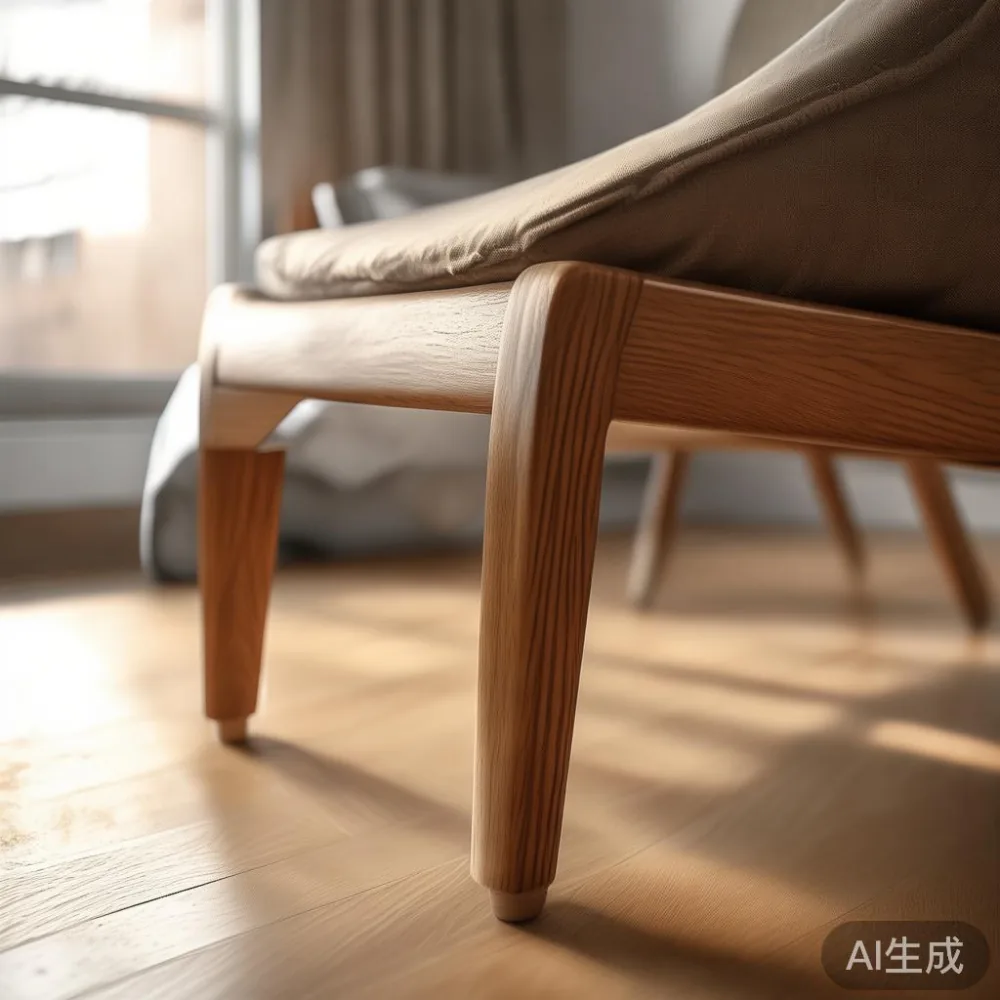
For HDB flats and condos in Tampines, Bedok and Punggol, scale matters as much as style. A dining table may need to sit within a 90 cm walkway, a bed frame may pass through a 70 cm lift opening, and a corridor narrower than 90 cm can make a large chair impractical to carry in. Warm minimalism succeeds when every object has room to function.
MIDHILL makes solid wood furniture for clients in 15 countries and offers a 10-year structural warranty, lifetime refinishing, delivery over US$350 and 14-day returns. Local purchases remain in SGD, with GST shown at checkout. The guidance below focuses specifically on choosing and placing an accent chair within a warm minimal home, while also considering how it relates to a solid wood sofa, bed frame, dining table, wardrobe, nightstand and marble table.
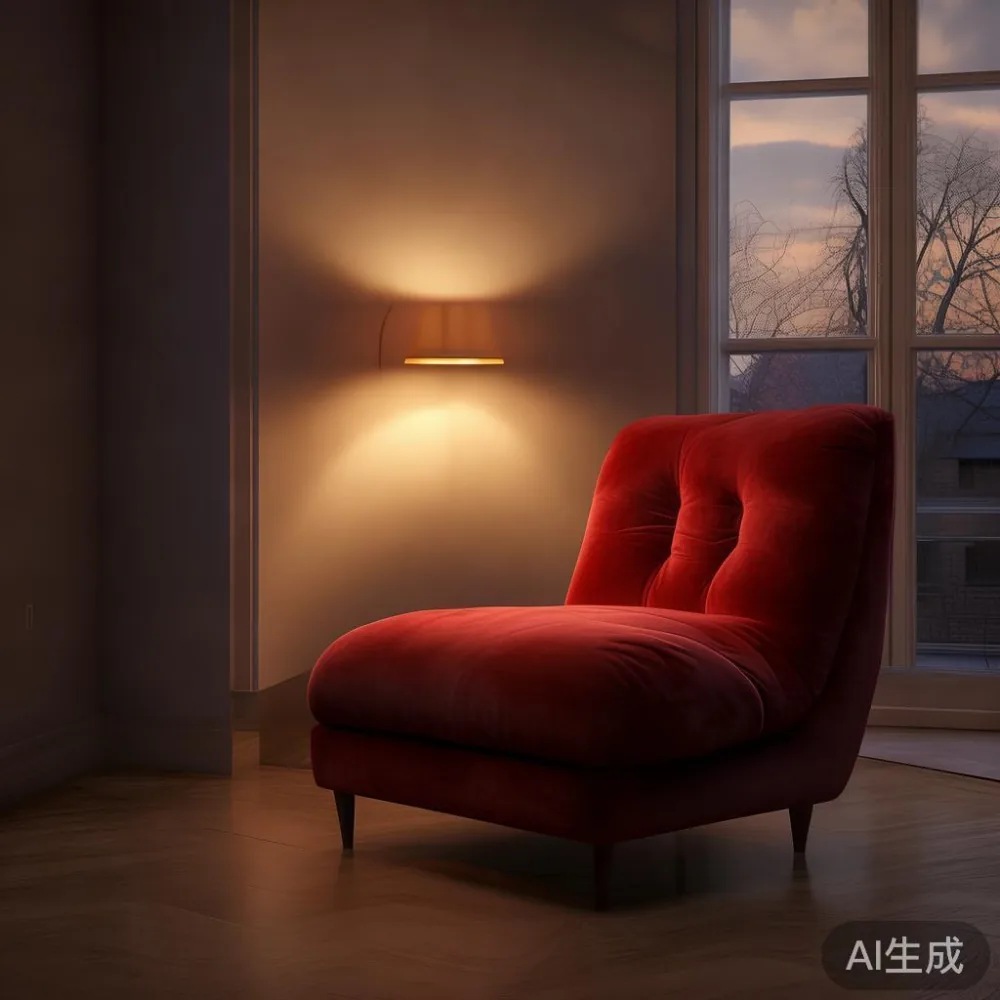
What makes an accent chair fit a warm minimal interior?
Warm minimal interiors balance clean lines with tactile materials. Pale walls, warm white paint, sand-toned textiles and natural timber establish a quiet foundation. The accent chair should add one controlled point of interest rather than several competing effects.
Begin with three measurements: the available width, the usable depth and the route into the room. A chair measuring 68 cm wide and 72 cm deep can work beside a 150 cm sofa, but it will feel tight in a 90 cm passage. For compact rooms, aim for a seat height of 40–43 cm and a weight below 12 kg. That makes the chair easier to reposition and suitable for residents who frequently rearrange a study or reading corner.
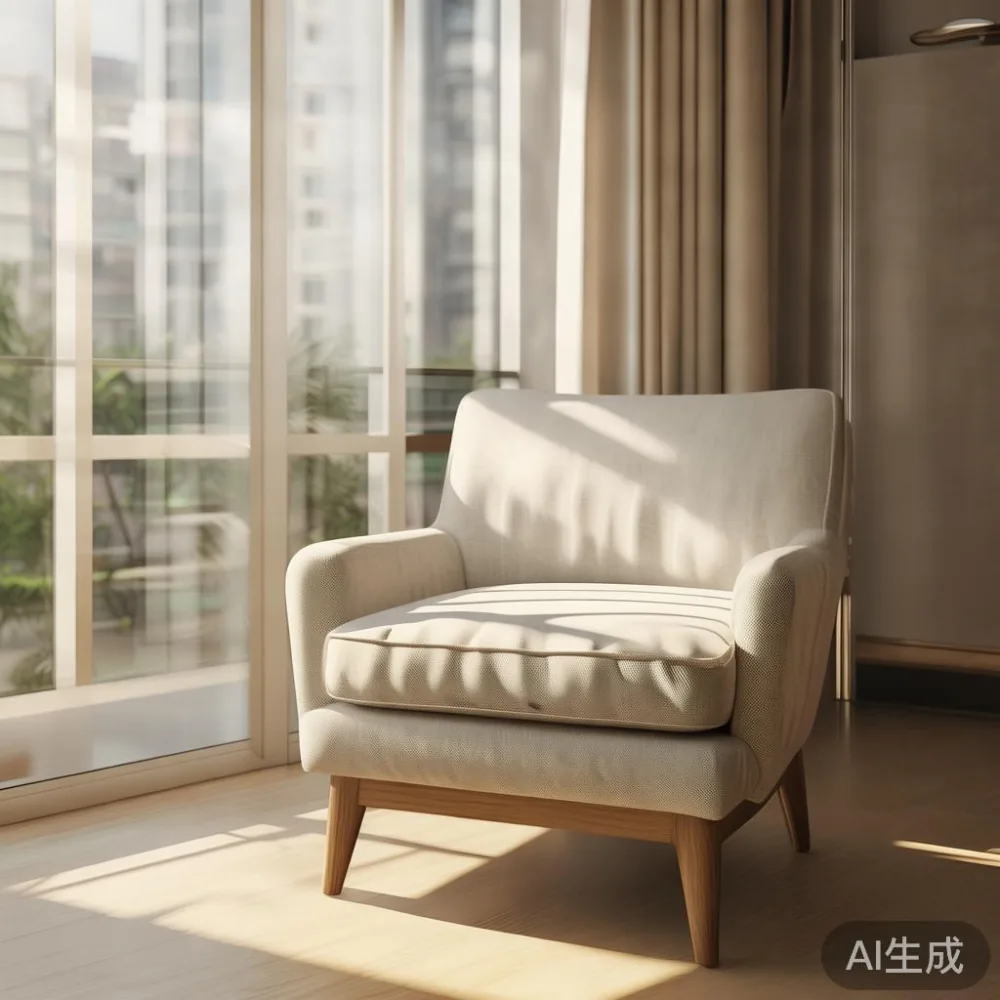
Material choice carries the warmth. Solid oak, ash or walnut complements a solid wood sofa or bed frame, while a wool or linen-blend seat softens the joinery. A slim occasional chair with a curved back can balance the rectilinear geometry of a dining table or wardrobe. Avoid placing a heavily upholstered chair beside an equally bulky piece; the contrast should be deliberate.
Colour is easier to manage in small proportions. Warm beige, oatmeal, camel, dusty rose, muted olive and soft blue work with light wood. For a compact HDB living room, one accent chair in muted blue can become the visual anchor while the solid wood sofa remains cream or warm grey.
Which accent chair suits Singapore's compact layouts?
Singapore’s compact apartments reward furniture that appears light but remains stable. A slim-legged accent chair can make a 220 cm-wide living room feel more open than a deep armchair on a solid plinth. Keep the outer profile within 65–72 cm in width and 70–78 cm in depth, especially beside a walkway.
For a square living room, place the chair at a 30–45 degree angle near the solid wood sofa rather than directly opposite it. This softens the axis and creates a conversational grouping without adding a coffee table. If the TV occupies one wall, orient the chair diagonally toward both the sofa and the dining area. That shared sightline is useful in open-plan HDB units and smaller condos.
In a home office, choose an accent chair with no arms or a narrow 58 cm arm-to-arm width. It can slide beneath a 120 cm writing desk when the desk is not in use. The seat should still be 40–43 cm high for comfortable work. In a bedroom, a low occasional accent chair with a 38–41 cm seat can sit near a 100 cm nightstand without obstructing the bed frame.
Do not overlook the delivery route. A new-build lift opening may measure only 70–80 cm, while an internal door can be 80–85 cm. Confirm the chair’s widest point, not just its stated width, and include the packaging. If the original route is impossible, professional assembly outside the lift may offer more options, but protection for floors and walls should be agreed before work begins.
How should I match an accent chair with my other furniture?
Match one characteristic, then vary another. If your dining table has straight edges, a curved accent chair adds welcome contrast. If the solid wood sofa already has rounded arms, select a chair with a cleaner, more vertical profile. If the wardrobe has warm walnut grain, the chair can use lighter oak or cream upholstery to prevent the corner from becoming visually heavy.
Repeat a colour rather than matching every item exactly. A dusty blue chair can coordinate with muted blue cushions, artwork or ceramic objects without turning the room into a single-colour scheme. With a marble table, keep the accent chair warm: leather in tan, oatmeal fabric or light timber prevents the stone surface from feeling too cold.
For mixed-style homes, the chair can bridge pieces. A slim timber design can connect a solid wood bed frame with French-style wall moulding, while a tailored upholstered chair can sit comfortably near a post-modern light luxury interior with rounded lines. The goal is coherence through material and scale, not identical furniture.
Height also affects how a grouping feels. A 42 cm-high accent chair pairs naturally with a 38–42 cm dining seat. Beside a low 38 cm nightstand, choose a chair with a slightly higher back to give the corner a clear vertical line. By the bed, leave 60–75 cm between the chair and the bed frame for dressing and circulation.
What colour and material should I choose for warm minimalism?
Warmth often comes from texture as much as hue. Natural timber, woven cotton, bouclé-style upholstery and matte metal create depth without relying on decorative clutter. An accent chair upholstered in warm ivory can disappear slightly into a bright HDB flat, which is useful when the room needs to feel larger.
Darker colours work when controlled. A forest-green accent chair can look grounded against warm white walls, while a charcoal chair creates sharper contrast beside pale oak. Use one dark element rather than adding dark legs, a dark table and a dark cabinet all at once.
Wood species also change the atmosphere. Light oak generally reads fresh and Scandinavian, walnut adds depth, and warmer-toned ash suits a relaxed French light luxury direction. Avoid highly glossy finishes beside a matte solid wood sofa. The difference in reflection can make two coordinated pieces appear disconnected.
For a study comparing forms, searches such as Japanese bed vs French provincial bed show that each style has a distinct silhouette. The same discipline applies to an accent chair: a Japanese-influenced low profile should sit with clean timber and subdued fabric, while a French provincial chair may need curved arms and a broader footprint. Do not place an ornate profile in a room whose other pieces are extremely linear unless that contrast is intentional.
Can an accent chair work in a small HDB bedroom or condo corner?
Yes, provided its dimensions and function are realistic. In a typical 3-room HDB flat, a 65 cm-wide accent chair can create a dressing corner beside a 90 cm-wide wardrobe frontage. Leave 75 cm of clearance for the wardrobe door to open through 90 degrees. Check the full swing of the door before ordering, and position the chair outside that arc.
In a Punggol or Tampines condo with a compact balcony, an accent chair may become the main seat if the balcony is enclosed and properly ventilated. Choose a moisture-stable finish and keep the chair at least 20 cm from the glass when condensation is likely. A washable flat-weave removable cover is more practical than delicate pile upholstery.
A chair can also replace a bulky side chair in a compact dining area, but it should not reduce the passage below 75 cm where the dining table meets the wall. Allow 60 cm for a seated diner and 75–90 cm behind the chair for circulation. These dimensions create a usable route from the entrance to the kitchen without forcing sideways movement.
For a rental property, choose a neutral accent chair that can move between the living room, bedroom and study. A 9–11 kg chair is easier to carry than a 16 kg lounge chair, provided the person lifting it has a safe grip and the route is clear. The advantage of a movable chair is that one piece can support several daily functions.
What should I check before buying an accent chair?
Check the room photograph, dimensions and delivery route before choosing a design. The chair should occupy a meaningful corner rather than float beside unrelated objects. Place a paper rectangle at the intended position, measuring the full footprint and rear clearance. This simple test often reveals that a slightly narrower chair is more suitable.
Inspect joinery, finish and construction. Look for solid wood where it provides visible structure, stable joints and a frame that does not twist when seated upon. The finish should feel smooth at the armrest and seat edge. If upholstery is removable, check whether it can be professionally cleaned and whether replacement covers are available.
Confirm practical terms before payment. MIDHILL provides a 10-year structural warranty and lifetime refinishing, with 14-day returns. Ask how the chair will be delivered, whether assembly is included, and what happens if a package arrives with visible damage. For a Singapore order, compare the total including GST with the quoted price before adding delivery.
Style searches can help establish a reference. A light blue luxury sofa offers a useful cool counterpoint to warm timber, although the accent chair itself might be camel, cream or olive. Looking through luxury Mid-century modern furniture collections can clarify tapered legs, gentle curves and restrained upholstery. Likewise, the best Mid-century modern wardrobe for 2026 and the best Japandi wardrobe for 2026 can reveal a preference for clean profiles and pale wood, both of which suit a well-proportioned accent chair.
How do I create a balanced arrangement around one accent chair?
Balance begins with the chair’s relationship to the room’s main axis. In an open-plan living and dining area, place the accent chair near the solid wood sofa but outside the main walking route between the entrance and kitchen. Turn it slightly towards the dining table to make the two zones feel connected. A side table within 30–40 cm can provide a stable surface, although it should remain visually lighter than a marble table.
Use one small object on or near the chair rather than a cluster. A 25 cm-high ceramic lamp, a closed book or a shallow tray is enough. Leave the area beneath the chair clear so its silhouette remains visible. In a compact bedroom, pair it with the nightstand only if both fit without squeezing the bed frame; otherwise, a wall-mounted ledge may be a better choice.
Lighting is equally important. A floor lamp about 150 cm high can frame the chair without taking floor space. Aim for warm light around 2700K and use a shade that directs light downwards. This reinforces the “warm” part of warm minimalism and makes natural timber grain more apparent in the evening.
For an occasional guest room, the brief Japanese for guest room style can guide a restrained setup: one low accent chair, pale timber, clean storage and little ornament. The chair can become a luggage perch while also serving as a bedside seat. Keep the space around it at least 60 cm wide to avoid making the room feel showroom-like.
Last month I visited a colleague’s 3-room HDB flat in Bedok after she had replaced a visually heavy lounge chair with a slim, cream-upholstered accent chair measuring 64 cm wide and 10.8 kg. The main concern was the 78 cm lift door. We checked the carton dimensions before delivery, and the chair fitted through with approximately 2 cm to spare at the narrowest point. The angled placement beside the solid wood sofa made the living room feel wider, while a small oak side table completed the corner. It was a practical reminder that good minimal design depends on accurate clearance rather than on removing decoration.
How can I keep a warm minimal interior timeless?
Choose fewer finishes, better proportions and materials that can be maintained. One warm timber tone, one neutral upholstery colour and one muted accent is enough. If the room already contains a solid wood bed frame, dining table and wardrobe, the accent chair should provide variation through shape or fabric rather than another competing wood finish.
Periodical care keeps the composition inviting. Dust upholstery according to its fibre specification, wipe solid timber with a lightly damp cloth and avoid direct sun for long periods. MIDHILL’s lifetime refinishing service provides a route for maintaining its solid wood pieces over the years. Refinishing changes are worth discussing before a major colour shift, since the chair should continue to belong to the room.
A successful warm minimal interior feels calm because the relationships are resolved: the accent chair is neither too small to read nor too large to move, the walkway remains usable, and its material echoes details elsewhere in the room. In a Singapore home, that combination of restraint, comfort and careful measurement makes a single chair both practical and expressive.