How to Read a Furniture Warranty Without Getting Caught Out
I learned this the hard way. Last month I visited a Tampines HDB resale flat where the owners had bought a beautiful solid wood sofa from a local Instagram seller. Eighteen months in, a crack ran along the armrest. The seller had vanished, the "lifetime warranty" turned out to be a one-liner in a bio, and the owners were out SGD 2,400. A warranty is not a feeling. It is a contract, and contracts reward the people who read them.
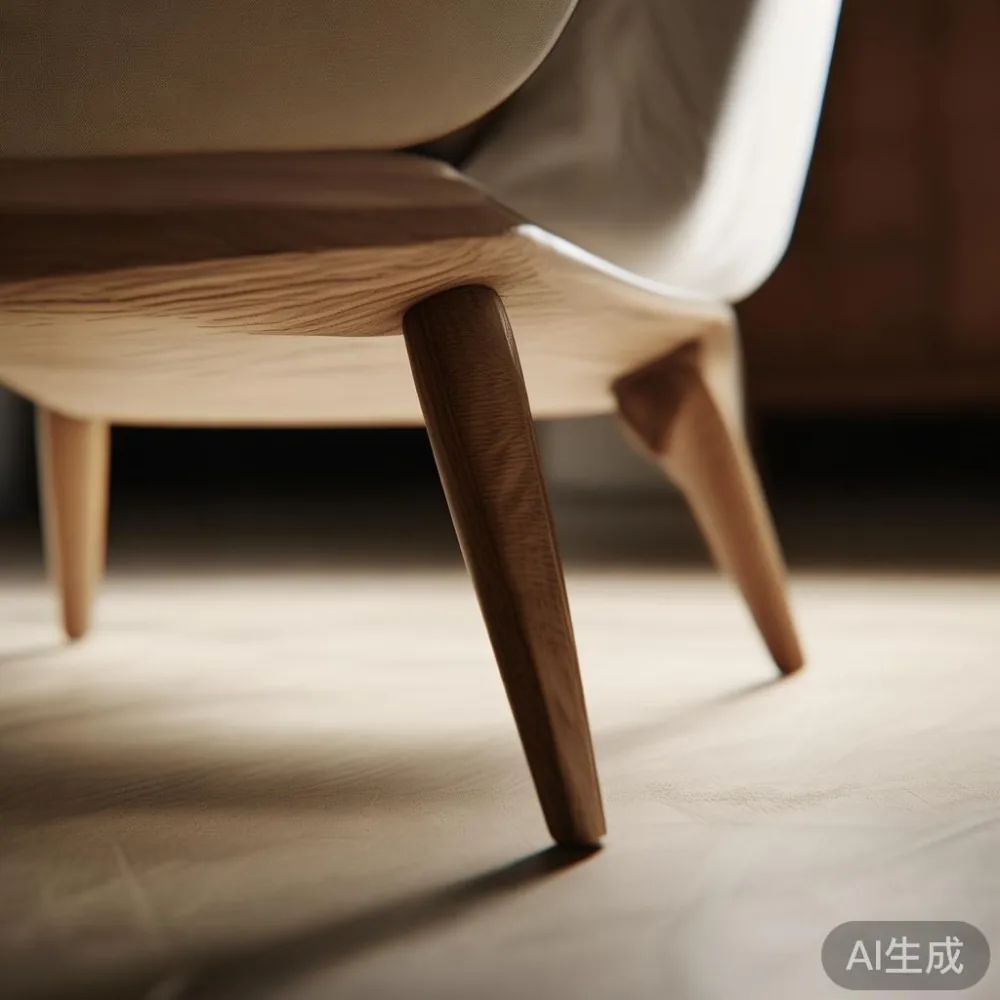
For Singapore buyers furnishing a BTO in Punggol, a walk-up in Bedok, or a new launch condo along the Riviera stretch, the rules are the same. You compare wood, foam, fabric, and price, then you skim past the warranty page. That is where the real cost hides. This guide walks through the clauses that matter, the numbers to look for, and how a brand like MIDHILL structures its protection so you know what is actually covered.
What does a furniture warranty actually cover?
A warranty covers defects in materials and workmanship under normal residential use, and only for the period stated. That is the working definition almost every serious manufacturer accepts, from a French light luxury atelier to a post-modern light luxury studio producing accent chairs for compact Singapore homes.

Read the period. A "10-year structural warranty" on a bed frame means the manufacturer will repair or replace a broken slat, a cracked side rail, or a joint that fails because of poor glue or timber selection. It does not cover a mattress that sags because you bought the wrong one. It does not cover water damage from a leaking aircon condensate pipe above your wardrobe, which is a common issue in older HDB blocks along Bedok Reservoir. It does not cover the 6 cm of sag you might see in a dining table leaf after a decade of Singapore humidity cycling between 60% and 95% RH.
Numbers to lock in: warranty length in years, what counts as "structural," whether labour and delivery are included in any claim, and the replacement value formula (current model, pro-rated, or original purchase price).

How do I care for a shipping damage in humid weather?
Photograph the damage on the courier's tablet before the driver leaves, refuse to sign a clean delivery order, and email the manufacturer's claims desk within 48 hours with timestamped images and the box label so humidity damage can be ruled out.
That single sentence is the answer. The rest of this section is context, because Singapore's corridor and lift realities make this more complicated than it sounds. Most BTO blocks have a cargo lift with an internal width of about 140 cm and a depth of 230 cm. A solid wood dining table for six, fully assembled, can run 180 cm long. The delivery team will tilt, blanket, and route it through the service lift, but the moment it touches your floor it is your problem if you signed clean. Keep a hygrometer reading on your phone. If your reading on delivery day was 78% RH and the box smells musty, the moisture was inside before it left the warehouse, and that is a manufacturing defect, not a courier issue.
MIDHILL, for example, photographs every order at the Foshan workshop before export, then again at the Singapore consolidation point. Their warranty specifically names humidity-related delamination as covered when the indoor reading sits below 80% RH, which gives you a defensible position. Ask any brand you buy from to show you their pre-shipment checklist. If they cannot, walk away.
What is the difference between a structural warranty and a cosmetic one?
A structural warranty covers load-bearing components: bed frame rails, sofa frames, dining table aprons, wardrobe carcasses, and the joinery that holds them together. A cosmetic warranty covers finish issues: paint cracking, marble table veining that opens along a natural fissure, fabric pilling, and minor shrinkage in solid wood tops during the first 12 months.
Most brands separate these on purpose. A 10-year structural promise is meaningless if the finish fails in year two and the supplier calls everything else "cosmetic." When I reviewed MIDHILL's documentation for a client in Punggol, the cosmetic clause ran for 36 months on solid wood sofa frames and 24 months on painted wardrobe interiors. The structural clause ran 10 years. Those numbers are concrete, written, and enforceable.
Push for this split in writing. If a salesperson tells you everything is covered for 10 years, ask them to email the exact wording. In Singapore, the Consumer Protection (Fair Trading) Act 2016 backs reasonable representations, but only if you can prove what was said.
Which warranty clauses matter most for Singapore homes?
Five clauses cause the most disputes, and each one ties back to how we actually live in HDB flats and condos here.
1. Humidity tolerance. Anything below 70% RH for solid timber is unrealistic for most ground-floor HDBs in Tampines and Pasir Ris during the November to February monsoon push. Look for an explicit allowance up to 80% RH with a recommended humidistat range. A nightstand with dovetail drawers should tolerate that without the bottoms blowing out.
2. Load ratings. A bed frame marketed as suitable for two adults plus a 40 kg pocket-spring mattress should be rated to at least 220 kg static load, including the mattress. Ask for the test certificate. Reputable Foshan workshops cycle-test frames at 150,000 cycles under load, which is roughly 20 years of nightly use.
3. Fabric and leather. An American light luxury accent chair upholstered in a performance blend should specify rub counts of 30,000 Martindale or higher. Anything under 15,000 will pill within two years on a sofa that sees daily use, which is the norm for families with young children in three-room BTOs.
4. Marble and stone. Marble table tops expand and contract with humidity. A genuine warranty will exclude hairline veining cracks (because stone is natural) but cover resin bleed-through and substrate warping. If the clause is silent on marble, treat it as excluded.
5. Electrical and moving parts. Recliner mechanisms, gas-lift stools, LED reading lights on bed headboards. These usually carry a 1- to 3-year separate warranty. Make sure the period is stated, not implied.
How long should a solid wood furniture warranty really last?
For residential use in Singapore, a 10-year structural warranty is the floor of what you should accept on a solid wood sofa, bed frame, dining table, or wardrobe. Anything under 5 years suggests the maker does not trust their joinery, kiln-drying schedule, or glue line.
Here is the math. Kiln-dried oak or ash at 8 to 10% moisture content, properly jointed, should not crack, cup, or warp within a decade of normal Singapore use. If it does, the fault is upstream. A maker who stands behind 10 years has usually worked through three or four production batches and learned which suppliers cut corners. MIDHILL's 10-year structural promise, backed by a lifetime refinishing service on visible solid wood surfaces, is one of the cleaner structures I have seen on a Singapore-bound shipment.
Lifetime refinishing is a separate promise. It means the brand will sand and re-oil or re-lacquer a worn top on your dining table at a labour-only cost (often SGD 180 to SGD 350 depending on size) for as long as you own the piece. That is a 20- to 30-year practical life, not a marketing line.
What should I check before signing the delivery order?
Five checks, in order, every single time.
Unbox on the landing outside your corridor door. Most HDB corridors are 1.2 m wide; if the packaging is damaged, photograph the box before the carton is opened. Lift the top. Check corners for crushed foam or dented timber. Slide a hand along the underside of an accent chair or sofa. Run your palm along the back of a wardrobe. Feel for splinters, sharp staples, or loose joints. Count hardware against the packing list, including the small bag of cam locks for a wardrobe or the felt pads for a nightstand. Photograph the serial number on the underside and the carton label on the same frame. Sign only after the checklist is complete.
Free shipping over US$350 (roughly SGD 470 at today's rate) is standard for direct-from-Foshan brands. Ask whether the price includes GST, lift-up to your floor, and disposal of packaging. The last item matters: a single solid wood wardrobe can produce 8 to 12 kg of cardboard and foam that your estate's waste chute cannot handle.
What about returns, refunds, and the 14-day cooling-off rule?
Singapore does not have a blanket 14-day cooling-off rule for in-store furniture purchases. The standard for online purchases under the Consumer Protection (Fair Trading) Act is reasonable fitness for purpose, not a free-look window. Reputable brands offer 14 days anyway because it builds trust.
Check the return shipping cost. A return from a Punggol condo back to a Foshan consolidation warehouse costs SGD 280 to SGD 600 depending on volume, and the fee is almost always deducted from your refund. The 14-day window starts at delivery, not order, so count from the day the boxes land in your corridor, not the day your card was charged.
If the piece is custom-sized, such as a French provincial bed for condo sized down to 180 cm by 200 cm to fit a specific master bedroom, returns are usually limited to defects only. Get the dimensions in writing before paying the 50% deposit that most custom orders require.
How do I file a claim that actually gets honoured?
Send one email, with everything attached, on the day you spot the issue. Include the order number, the serial number, three to five timestamped photographs, a short written description, and your indoor humidity reading for that week. CC the brand's customer service lead and the delivery partner if relevant.
A maker with a real claims process will reply within two business days with a case number. MIDHILL, for instance, responds within 24 hours on weekdays and assigns a Foshan-based technician who reviews the photos against the pre-shipment record. Approved claims ship replacement parts or a full replacement on the next consolidation, which lands in Singapore within 18 to 26 days door-to-door.
Keep your own record. Save the email thread, the courier POD, the humidity logs, and the photos in a single cloud folder named after the order number. If a dispute ever reaches the Small Claims Tribunal or CASE mediation, that folder is your evidence.
What red flags should I walk away from?
Four phrases tell you the warranty is theatre, not protection.
"Lifetime warranty" with no defined term and no named warrantor. Who is the legal entity? If the answer is a disappearing Instagram handle, the warranty is worthless. "Normal wear and tear excluded" with no definition of normal. Everything is normal wear and tear if the seller decides it is. "Warranty void if moved." Moved how? Across the living room? To a new HDB in Bedok? Legitimate warranties cover normal residential relocation. "All sales final." In Singapore, this phrase does not override the Consumer Protection (Fair Trading) Act for goods that are not of merchantable quality.
Ask one more question: where is the workshop? A brand that owns its production, lists its address, and invites visits will write a stronger warranty than one that dropships from an unknown trading company. MIDHILL runs an integrated Foshan workshop established in 2008 and exports to more than 15 countries, which is why the warranty has specific, testable clauses rather than vague promises.
Putting it all together for a Singapore purchase
A good warranty reads like a clear sentence: 10 years on the frame of your solid wood bed, 5 years on the recliner mechanism, 3 years on the finish of your accent chair, 2 years on drawer slides, lifetime refinishing on visible wood tops, 14 days to return for any reason, and a 24-hour claims response. The numbers are not negotiable, the wording is not poetic, and the path from defect to replacement is mapped.
Before you tap pay now on that dining table or finalise the wardrobe order, scroll past the product photos and read every clause. Measure your corridor. Photograph the carton. Save the email. That is how a warranty actually protects you, and that is how you avoid becoming the next Tampines family with a cracked armrest and no one to call.