A Practical Guide to Accent Chairs in Singapore’s Smallest Homes
Small Singapore homes do not need to feel sparse or crowded. The difference often comes down to how furniture is scaled, placed, and styled. An accent chair can create a comfortable reading corner, soften the visual edges of a living room, and give a compact HDB flat or condo a clearer sense of purpose. The trick is to choose a chair that fits the available space rather than squeezing it into an already narrow zone.
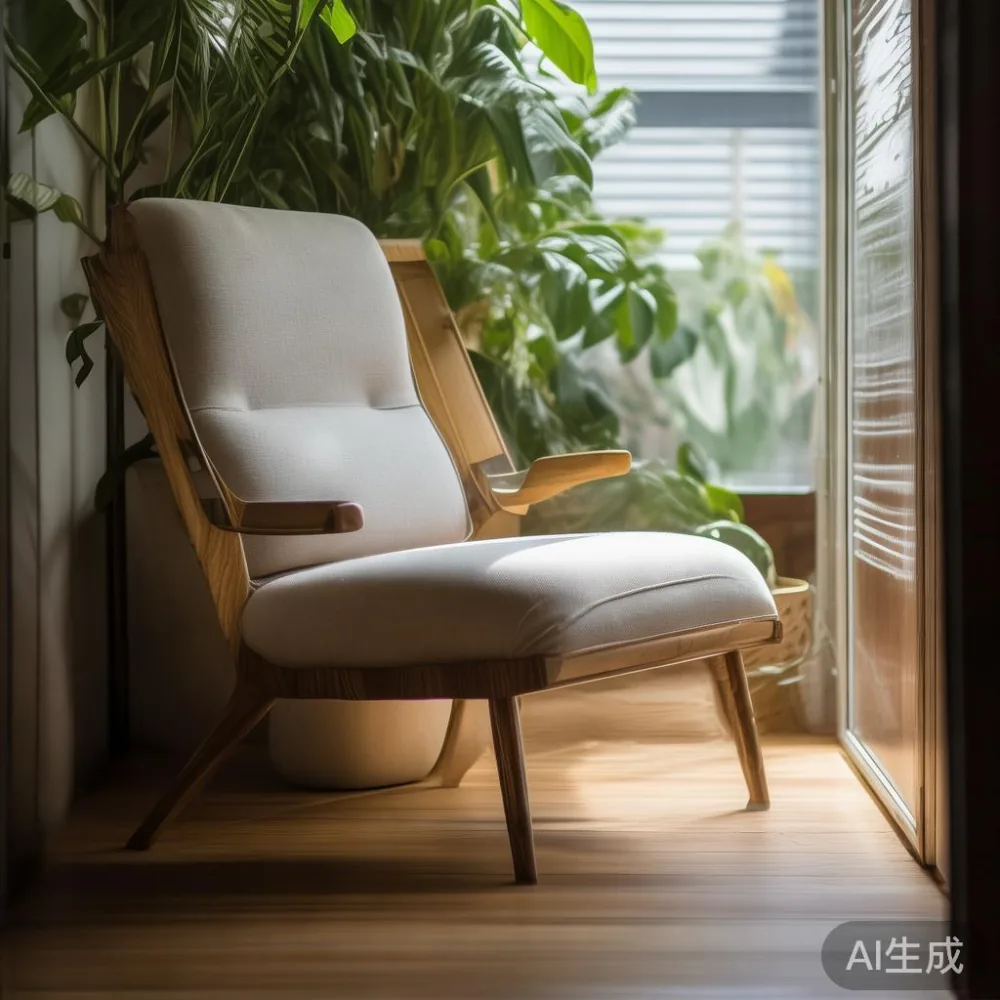
In Tampines, Bedok, and Punggol, many living rooms share their footprint with dining areas, television walls, work desks, and household circulation routes. A lift lobby may be around 90–110 cm wide, while an apartment corridor can be only 90–120 cm across. Those numbers matter before delivery: a chair that looks modest in a showroom can become awkward when carried through a common corridor and turned into a flat.
This guide explains how to measure, select, place, and style an accent chair for a compact Singapore apartment. It also considers delivery logistics, Singapore GST, and the practical value of solid wood construction. MIDHILL has supplied solid wood furniture since 2008 and exports to more than 15 countries, but the focus here is narrower: making one chair work intelligently in a small interior.
How much space should an accent chair occupy?
A comfortable accent chair usually measures 65–75 cm wide and 75–90 cm deep. Its seat height is often 40–45 cm, while the total height reaches 80–95 cm. Allow another 60–90 cm of clear space in front for pulling the chair out, sitting down, and standing up. Near a television console or dining table, aim for at least 75 cm between the chair and the nearest furniture edge.
The footprint is only part of the calculation. A dining table may extend 140–180 cm into the room, and a common HDB living room can be roughly 12–18 square metres. The chair should contribute to the layout rather than interrupt it. A narrow lounge chair placed beside a window can make a compact room feel composed because it gives the eye a defined destination.
Sketch the room on graph paper at a scale of 1 cm to 1 cm. Mark doors, lift doors, windows, radiators, power outlets, and the swing direction of doors. Keep a 90 cm circulation path from the flat entrance to the kitchen or bedroom. If the proposed accent chair reduces that route to less than 75 cm, choose a smaller or slimmer model.
The ideal chair has a seat width of 45–52 cm, a usable seat depth of 42–48 cm, and armrests no more than 6 cm thick. Low-profile arms can preserve sightlines in a studio, while a higher back can create separation without taking up extra floor area.
What should I look for when choosing an accent chair for a small apartment?
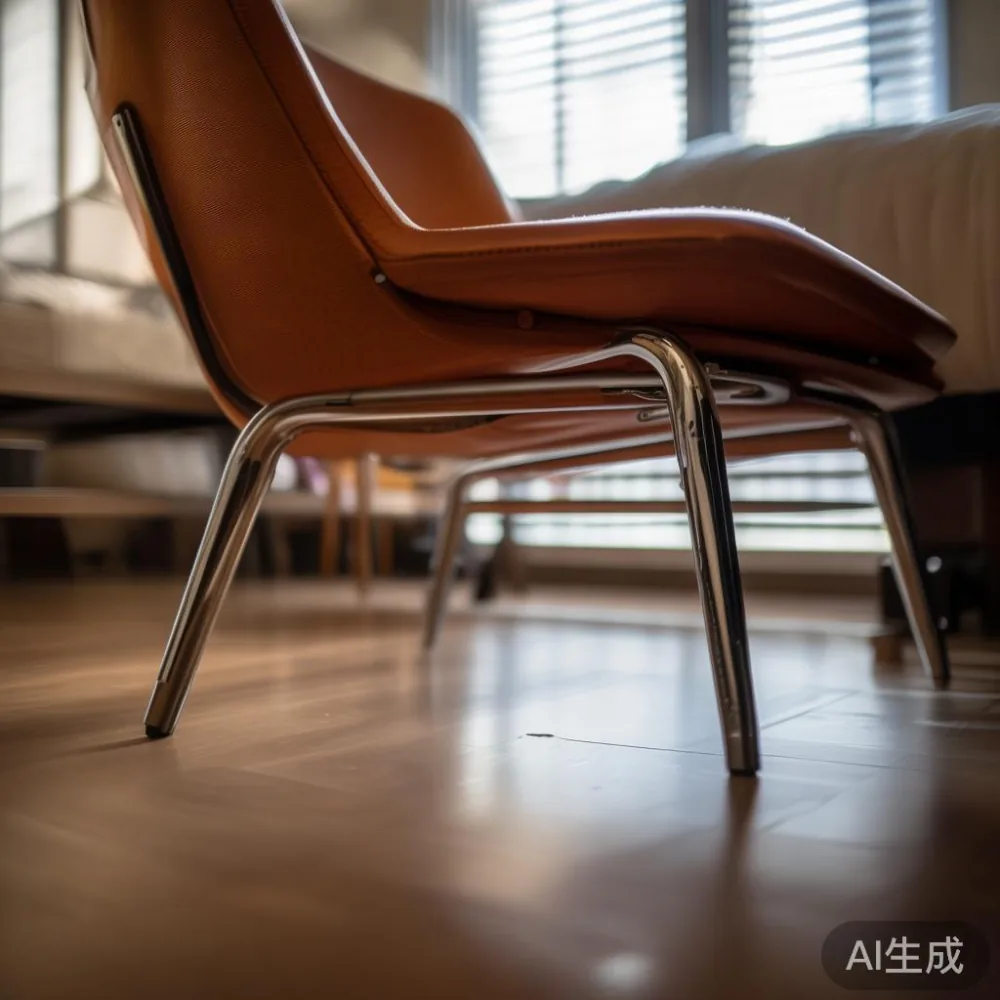
Begin with the room’s visual proportions, not with a catalogue photograph. A chair with slender legs and an open frame will make a 3.2–3.6 metre living room appear less obstructed. A low, compact lounge chair can also work well, especially beside a slim console rather than in the middle of the main passage.
Solid wood is a useful choice when a chair needs to survive frequent movement. Look for kiln-dried hardwood, secure mortise-and-tenon joints, and a finish that can tolerate everyday contact. The frame should feel steady when seated on its front edge, and the legs should sit flat rather than wobble. A reasonable finished chair may weigh 7–12 kg; this makes it substantial enough to feel calm while remaining manageable for one person to reposition.
Upholstery should suit Singapore’s humidity and daily use. Performance fabric with tightly woven fibres can be wiped with a damp cloth and cleaned more easily than loose, textured material. If a pet lives in the home, removable covers with zippers and a stain-resistant treatment are practical features. For occasional chairs, a woven cotton or linen blend can provide a softer French provincial influence, although it usually demands more careful cleaning.
Light-luxury design does not mean filling a room with ornate pieces. It means choosing one well-proportioned object with visible material quality and enough restraint around it. This approach sits comfortably between Scandinavian restraint and French light luxury. For a more architectural result, post-modern light luxury can introduce one geometric shape, colour block, or unexpected curve without turning the apartment into a showroom.
Can an accent chair work beside a sofa without making the room feel smaller?
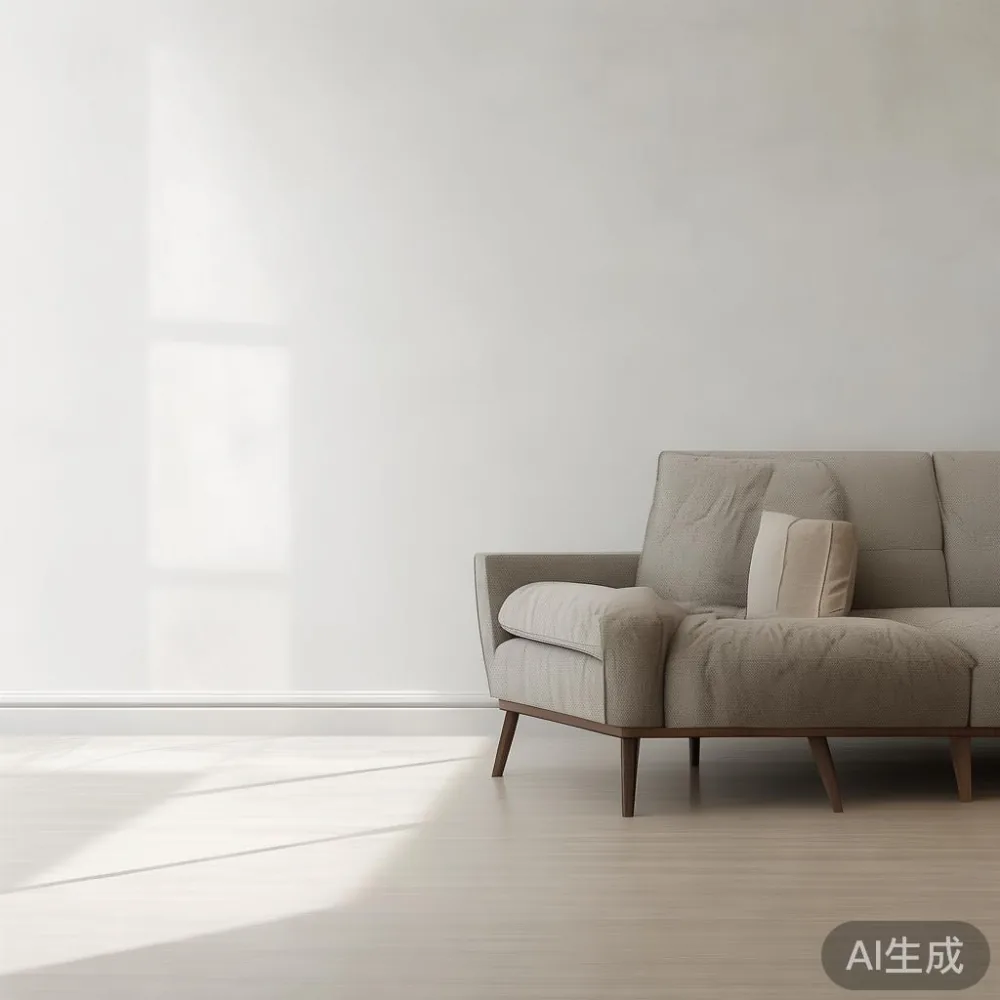
Yes, provided the chair is treated as part of a seating arrangement rather than as an isolated object. Beside a solid wood sofa, an accent chair can establish a conversational grouping. Keep the distance between the chair and sofa at roughly 35–50 cm, and avoid pushing either piece tightly against a wall.
Place the chair at a slight angle, usually 15–30 degrees toward the room. A perfectly parallel arrangement can feel rigid, while a gentle turn helps the seat feel intentional. If the sofa faces a television, turn the chair slightly inward but leave the screen visible. If the chair is intended for reading, angle it towards a window rather than towards a doorway.
For a compact open-plan flat, a chair with a 70–75 cm width and 78–82 cm height often balances a low sofa without competing with it. Avoid combining a broad 90 cm armchair with several large cushions unless there is genuinely generous floor space. The goal is contrast: pale walls and a slim chair, or darker walls and a chair with a lighter seat, can make the same room read more layered.
Do not place the accent chair directly opposite the sofa if that blocks a path of less than 90 cm. In a narrow living room, put it beside the sofa or near a corner. In a dining-living combination, position it close enough to the dining table to feel related, but preserve a minimum 60 cm gap for chairs to move backwards.
Where should an accent chair go in an HDB flat or condo?
Corners are among the most useful locations because they recover floor area that is often wasted. A 68–72 cm-wide chair with a 78 cm depth can fit beside a 160 cm console, while leaving 80 cm in front. The area beside a balcony door should remain clear enough for the door to open, and any laundry rack or drying rack should not compete with the chair.
Window corners deserve attention, but Singapore’s afternoon heat can make dark upholstery uncomfortable. A light-coloured, loosely woven seat can feel more breathable. Keep the chair 10–15 cm away from the wall so cleaning remains easy, and avoid blocking a window catch or emergency egress route.
Entrance areas should stay functional. HDB flats often have limited space between the front door and dining zone, so a chair with deep arms or a high back may crowd the route. A small 60–65 cm-wide accent chair could work near an entrance, provided at least 75 cm remains open. A slim bench or nesting stool may be better where residents remove shoes frequently.
Condo living rooms can sometimes include a dedicated reading nook. If one wall measures 2.4–3 metres and contains no sliding-door track, a 70 cm chair plus a 30–35 cm side table creates a usable composition. The table should be no more than 55 cm wide, with its surface 3–5 cm below the chair’s arm height. Keep the chair at least 20 cm away from a full-height curtain when the fabric needs to remain pristine.
Lighting changes the perception of space. A floor lamp with a 25–35 cm shade placed behind the chair creates depth without adding another broad object. A 150–180 cm lamp is often more suitable than a 200 cm model in a low-ceiling HDB flat. Position the lamp 10–20 cm behind the chair, not beside the main walkway.
How do I make one accent chair look deliberate rather than accidental?
Use a repeatable set of colours and one controlled contrast. For example, pair a natural oak chair with off-white walls, charcoal cushions, and a muted sage throw. The chair becomes part of the room, not an unmatched leftover. If it has a bold colour, reduce the number of competing patterns nearby.
Textiles can create the layered effect associated with French light luxury without requiring a large sofa. Add one 45 × 45 cm cushion, a small 130 × 170 cm throw, and a textured basket nearby. The throw should be folded rather than draped over the entire chair if the seat needs to be used regularly.
Scandinavian for small living room styling usually means pale timber, clean forms, and modest decoration. An accent chair with tapered solid wood legs and oatmeal fabric can support that look while adding warmth. The exact phrase is useful in product searches, but measure the chair before ordering because Scandinavian proportions are not automatically compact.
For an American light luxury approach, use a tailored cushion, a brass-toned detail, and a restrained animal print on a small lumbar pillow. One patterned element is enough. If the chair already has button tufting, curved arms, and a decorative back, skip the printed cushion to avoid visual excess.
Post-modern light luxury works through shape rather than decoration. A sculptural chair in a geometric frame or an asymmetrical cushion arrangement can introduce character while retaining a clean silhouette. This direction is effective in newer Punggol or Tampines condos with neutral finishes, provided the chair’s colour connects to at least two other items in the room.
Will delivery and installation be a problem in a Singapore apartment?
They can be, so measure before purchase. Check the lift door, lift interior, turning space, corridor, and flat entrance. For example, a common HDB lift interior may measure approximately 100 × 120 cm, but the usable dimensions can be reduced by rails, buttons, and the number of passengers. A chair wrapped in protective cardboard should not exceed the lift’s depth or diagonal clearance.
Add 5–10 cm to the product dimensions when calculating the packed package. Confirm whether the chair is delivered assembled or partly assembled. Solid wood legs may require a 10–15 minute fitting process, while upholstered models are usually shipped complete. Carry it with two people if the boxed weight exceeds 12 kg or if the route includes more than three turns.
MIDHILL offers delivery to Singapore with free shipping on orders above US$350, equivalent to approximately SGD 470 before Singapore GST and any applicable charges. It also provides a 10-year structural warranty, lifetime refinishing, and a 14-day return window. Singapore customers should confirm the final SGD amount, delivery quotation, and return collection terms before purchase.
Standard delivery timing should be confirmed in writing rather than assumed. Allow roughly 7–14 delivery days for a made-to-order accent chair, with additional time if the frame or upholstery requires special production. Transit can be disrupted by public holidays, severe weather, and clearance issues at the block entrance.
Search pages may describe products with broad phrases such as for sale Modern furniture, but modern styling alone does not indicate whether a chair will fit a flat. Ask for the external dimensions, seat dimensions, packed size, and weight in kilograms. For anyone comparing broader catalogues, a provider with an established Foshan factory can offer clearer production communication than a seller who lists only lifestyle images.
How do I style different accent-chair shapes in a compact room?
A wing chair can bring French character, but its wide body may suit a room of 14 square metres or more than a 10-square-metre space. A compact wing-back accent chair measuring 68–72 cm wide can work beside a window if its visual weight is light. For another style reference, French provincial for guest room ideas often centres on a French provincial dressing table, but a dressing table and an accent chair should not occupy the same small landing area. The chair is better placed in a bedroom corner with a 30 cm table and a 40 cm wall gap.
A spindle-back chair is visually light and can make a narrow dining zone feel less congested. Use it near a 100–120 cm dining table, but maintain 60–75 cm between the chair back and nearby walls. A low lounge chair suits reading, although the seat should not be so low that rising becomes difficult for older residents.
A boucle chair appears soft and substantial, which can work in a bright flat with clean walls. Because the texture occupies visual space, avoid pairing it with a heavily patterned rug, a frilled sofa, and multiple ornate side tables. One curved or bouclé accent chair plus one simple rug is a balanced starting point.
When comparing bedroom furniture references, Japanese bed vs French provincial bed is not really a fair like-for-like comparison: one is a bed type and the other a style direction. The useful takeaway is that light Japanese proportions rely on visual simplicity, while French provincial styling introduces curves, softness, and decorative detail. Apply that distinction to the accent chair. A clean timber frame suits a Japanese-influenced bedroom; an upholstered curved chair suits a French-influenced one.
What if the living room is too narrow for a conventional armchair?
Switch to a narrower accent chair, a lounge chair without arms, or a compact swivel chair with a footprint below 65 × 70 cm. Swivel models should have a locked base so they do not drift into a corridor. A chair with a 45–48 cm seat height is easier to use than an unusually low design.
Some narrow HDB living rooms measure only 2.8–3.2 metres across. In that case, use vertical cues instead of adding more objects. A chair with a tall back, a slim floor lamp, and a 20 cm-high plant can make the ceiling feel higher. Keep the plant pot within 25 cm of a wall and ensure the leaves do not obstruct a sprinkler or access panel.
A wall-mounted shelf can support a book and a small object above the chair, but avoid heavy stoneware above a seat where an impact could cause injury. If the chair is beside a window, a narrow 15–20 cm ledge can work better than a bulky shelf. For storage nearby, a 30 cm-wide pedestal is usually easier to accommodate than a 50 cm cabinet.
Consider the chair’s colour in both daylight and evening light. White bouclé can look crisp by day but harsh under warm bulbs, while navy can appear almost black at night. Test a fabric sample on the wall for at least 24 hours before approving it. This simple step prevents a chair that looked warm in a showroom from feeling stark in the flat.
Can one accent chair replace several decorative pieces in a small home?
It can replace an oversized armchair, a decorative corner console, and a cluster of visual clutter, provided the chair offers enough function. Choose a design with a supportive back for reading, a seat at 42–45 cm for dining-height tables, and arms positioned at 58–63 cm for a writing surface. One chair that performs several roles usually has a more restrained silhouette than three small furniture pieces.
Use the chair as the room’s focal point. Place a 30–40 cm side table within easy reach, add one lamp, and define the area with a rug extending 20–30 cm beyond the chair’s front legs. A rug of 120 × 160 cm can anchor a compact arrangement, although it should not create a trip edge in a corridor. Low-pile rugs are easier to manage around dining chairs and lift thresholds.
The chair should also relate to the rest of the home. In a broad product range, a solid wood bed frame, dining table, wardrobe, nightstand, or marble table might occupy another zone, but the accent chair remains the visual anchor in the living area. A marble table with strong veining should not share the frame with another high-contrast object; a quiet timber chair gives it breathing room. A solid wood sofa with visible grain can pair well with an upholstered accent chair because the materials provide contrast without requiring extra patterns.
Measure again after delivery. Leave at least 5 cm between the chair and the wall for airflow and cleaning, and confirm that the floor slope in older flats will not make the chair rock. Small adjustable glides under the legs can correct minor unevenness without damaging the floor.
What are the most common accent-chair mistakes in compact apartments?
The most frequent mistake is buying for the empty room rather than the furnished room. Measure after accounting for the sofa, console, television, dining table, and daily bags. Another error is placing the chair in the centre of a room because that position appears symmetrical in a showroom. Compact homes usually benefit from a perimeter placement with a clear central route.
Do not overcrowd the chair with cushions. Two cushions measuring 40 × 40 cm are usually enough, and a lumbar cushion around 30 × 45 cm can support the back. Leave the seat visibly usable so the chair remains inviting rather than looking like storage.
Mixing too many woods is another common issue. The chair does not need to match the sofa or dining table exactly, but its timber tone should either repeat another wood or clearly contrast with it under a deliberate colour scheme. If the dining table is medium oak, a pale ash chair can work when both are paired with black details. If the table is dark walnut, a lighter chair prevents the corner from becoming heavy.
Finally, avoid assuming that a compact chair can pass every access route. Ask the building management about delivery hours, reserve the lift if necessary, and measure the shortest turn from the lift lobby to the flat. Some corridors include recessed pipes, fire hose reels, or grilles that reduce the usable width. A 70 cm chair may pass a 90 cm corridor with the box tilted, yet an 80 cm model may not.
Which accent chair suits your Singapore home best?
The right accent chair for a small apartment is the one that fits the route, supports the room’s colour scheme, and creates a usable destination without blocking movement. A 65–72 cm-wide solid wood frame with a compact upholstered seat is a versatile starting point for Tampines and Bedok flats. Condos with wider living rooms can accommodate a curved lounge chair of 72–78 cm, provided 75 cm of movement space remains in front.
My colleague in a Punggol condo tested a 70 cm-wide accent chair in a living room measuring 3.4 metres across. The chair sat in the window corner at a 20-degree angle, 12 cm from the wall, with a 32 cm side table beside it. That arrangement kept a 91 cm path to the dining area and made the corner feel intentional. A larger 82 cm chair was rejected because it reduced the path to 76 cm and made the television zone feel compressed.
Before ordering, write down three measurements: the room width, the narrowest delivery point, and the distance reserved for circulation. Then choose the chair within those limits rather than falling for decoration alone. One carefully scaled accent chair can give a compact Singapore home more character, comfort, and structure than a room filled with furniture that competes for the same floor area.