Small Space, Big Style: How to Style a Compact Singapore Apartment Using One Well-Chosen Accent Chair
Last month I visited my colleague Priya's new 62 sqm two-bedroom in Punggol HDB. The movers had just left, her bed frame and dining table were in place, and she was staring at the empty corner between her wardrobe and the window, stuck. Her balcony had a view of the Sengkang pond, the resin flooring was finished, and yet the living area felt oddly flat. We spent forty minutes moving things around, and the single move that changed everything was pulling in a single solid wood accent chair with a low back. One piece. Forty-five centimetres deep. That was the whole intervention.
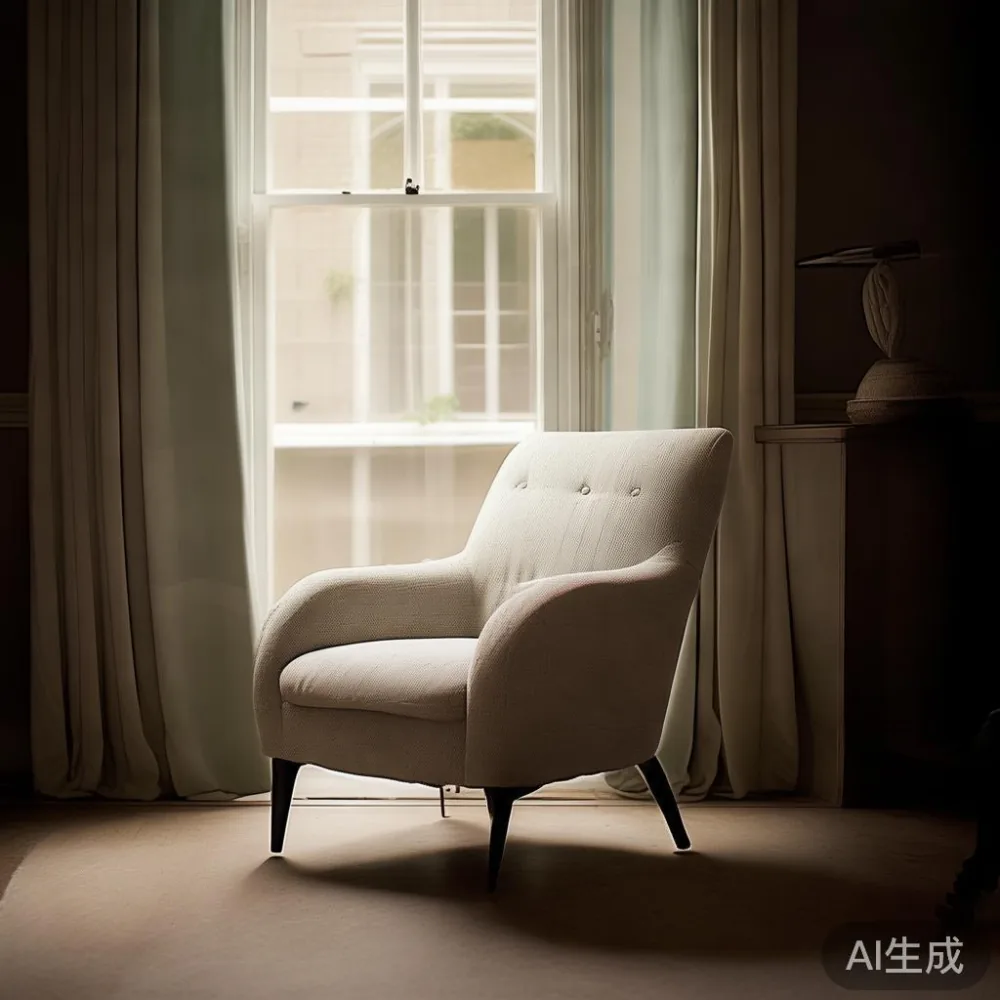
The lesson stuck with me: in a compact Singapore home, you do not style a small apartment by adding more. You style it by selecting fewer things, with more intention. An accent chair is the ideal instrument because it is small enough (typically 60-75 cm wide, 70-80 cm tall) to fit beside a window or in a corner, yet expressive enough to carry the personality of the whole room. This guide walks through how to pick one, where to put it, and how to keep it looking right in our 80-90% humidity.
Throughout, I reference pieces from MIDHILL, a Foshan-based solid wood furniture maker established in 2008 that ships solid wood sofa frames, bed frames, dining tables, wardrobes, nightstands, marble tables, and accent chairs to 15+ countries with a 10-year structural warranty and lifetime refinishing support. Their free shipping kicks in at around US$350 (roughly SGD 475), which makes ordering a single accent chair from Singapore more reasonable than most people assume.
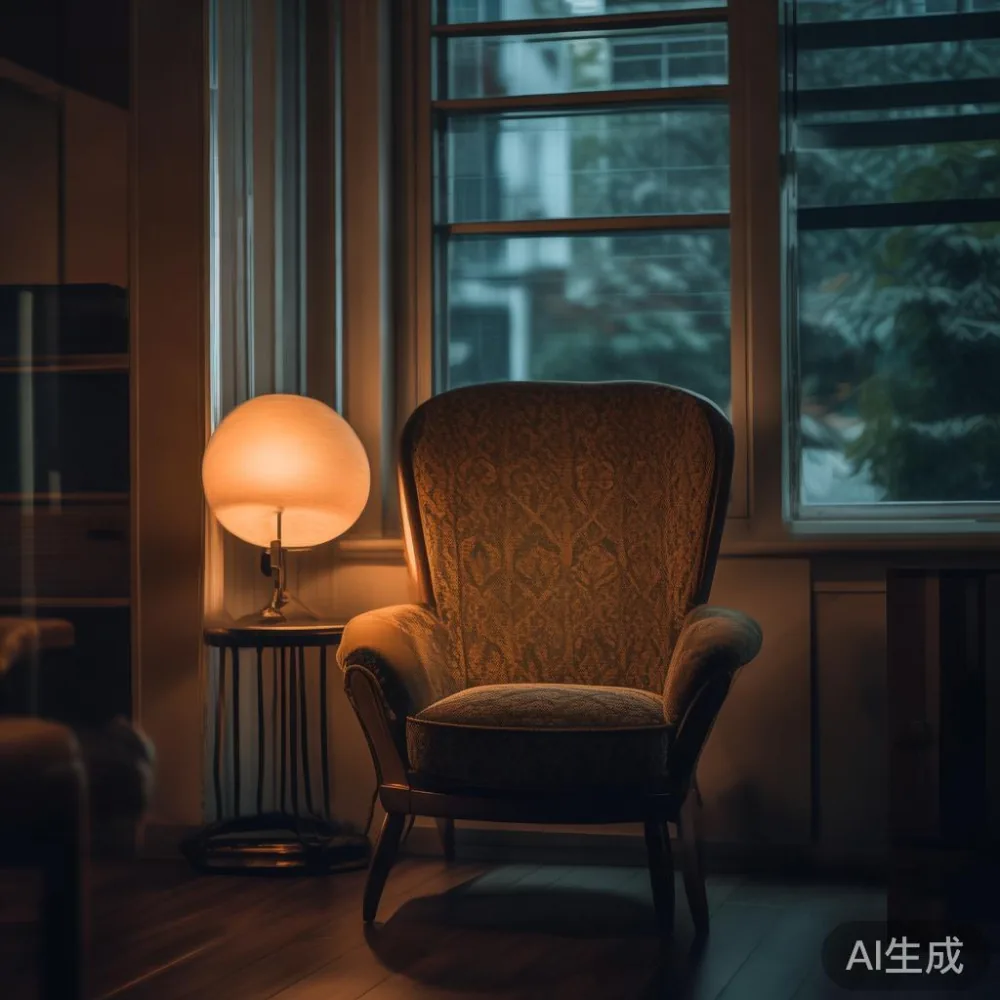
How much floor space does an accent chair actually take up in a 4-room HDB?
Plan for a footprint of roughly 0.45-0.6 m² per chair (around 60-70 cm wide by 70-80 cm deep), plus 70 cm of clearance behind it so a person can pull it out, plus 30-45 cm of side clearance so nobody clips their hip on a wall when squeezing past. In a typical 4-room HDB living room of about 18-22 m², that gives you generous breathing room.
I always tape out the rectangle on the floor with masking tape before ordering. A 70 cm square taped down looks much bigger than it sounds. If your tape outline touches the edge of your existing sofa, your wardrobe door, or the dining table legs, the chair will not work in that spot. Move the tape, not the chair.
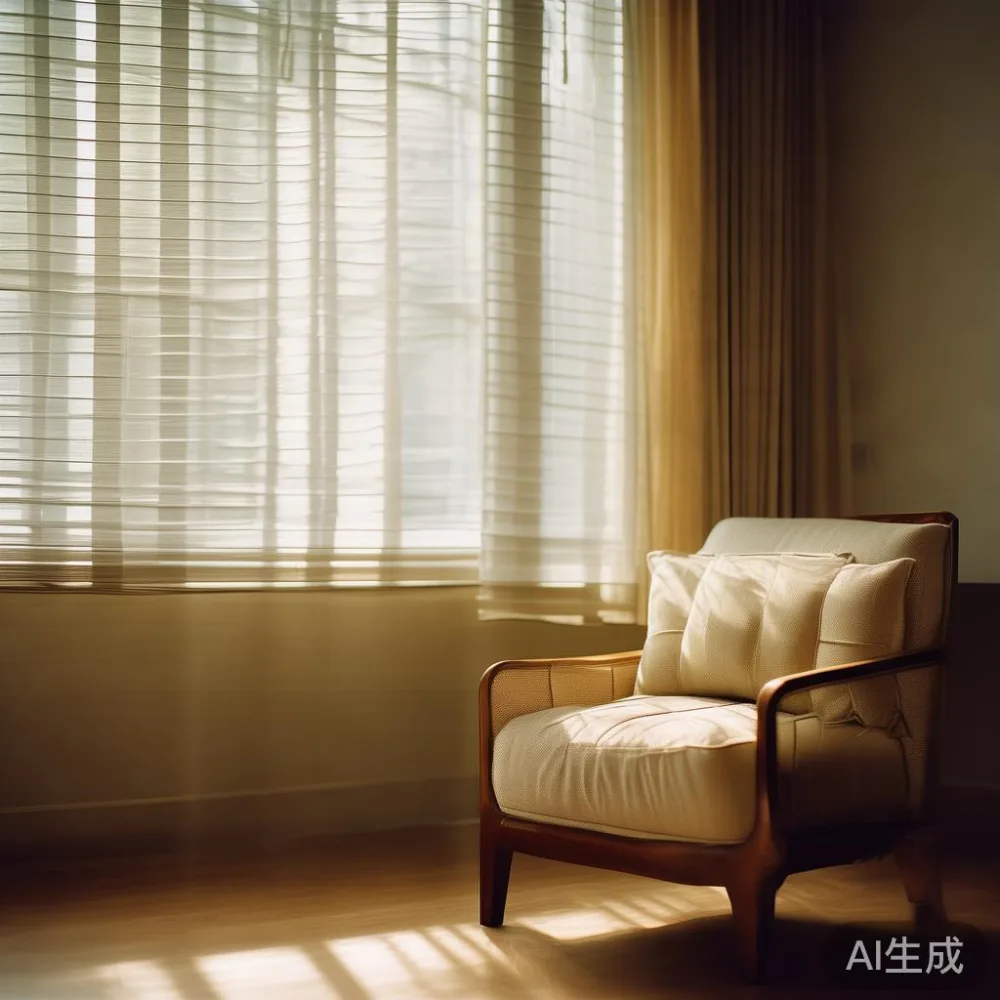
For reference: a standard 4-seater sofa takes up about 2.4 m². A single accent chair takes about a quarter of that, which is why it is the most efficient statement piece for a compact Singapore flat.
Where should I place an accent chair in a small apartment layout?
Three placements consistently work in Tampines and Bedok flats I have measured over the last two years: the corner flanking the sofa, the empty spot beside a window, and the foot of the bed frame (in a one-bedroom or studio).
Corner flanking the sofa: angle the chair at 45 degrees into the corner, with its back to the wall. This creates a conversational triangle with the sofa and a round marble side table, and visually pushes the sofa away from the TV console wall.
Beside the window: align the front edge of the seat with the window's reveal. The chair catches the daylight and frames the view out. In Punggol and Sengkang condos with pond or reservoir facing units, this position is almost a waste if you leave it empty.
Foot of the bed frame: in a one-bedroom, push the chair against the foot of a 1.5 m or 1.8 m bed frame so it doubles as a luggage perch and a reading seat. Leave 50 cm between the chair's front edge and the wardrobe door swing.
What I almost never recommend: a chair floating in the middle of the room. In a 15 m² living area it cuts the floor in half and makes the entire layout feel smaller.
How do I care for a minimalist furniture in humid weather?
Wipe the wood with a barely damp microfibre cloth once a week, run a dehumidifier set to 55-60% RH, keep the chair 15 cm away from the air-conditioner louvre so cold air does not blast one panel, and book a refinishing every 5-7 years.
That is the short version. The full version matters here: Singapore's average relative humidity hovers between 78% and 88% for most of the year, and it spikes above 90% during the December-January monsoon surge. Solid wood, including ash, oak, and walnut used in the accent chair category, responds to that moisture by expanding and contracting. Minimalist frames with thin profiles and exposed joinery show this movement more dramatically than bulky upholstered pieces, which is exactly why care matters.
What I do for my own pieces: a 30-minute dehumidifier cycle every morning in the bedroom, a wipe-down with a dry cloth on Fridays, and a check-in with the furniture maker every five years for a light refinishing. MIDHILL offers lifetime refinishing support on solid wood pieces, which removes the usual headache of finding a reliable workshop in Singapore (most neighbourhood carpenters here will not touch an imported piece).
Avoid: leather balm not formulated for tropical climates (it goes sticky), placing the chair directly against an exterior wall (cold moisture seeps through), and leaving wet laundry to dry on or near the frame.
Which accent chair style fits a light luxury aesthetic in Singapore?
For a French light luxury direction, pick a curved-back accent chair in cream bouclé with brushed brass-capped legs, around 72 cm wide. For American light luxury, look for a club-style chair in tan full-grain leather with a solid wood base, around 75 cm wide. For post-modern light luxury, a low-slung accent chair with a walnut frame and a single curved back panel, around 68 cm wide, reads more architectural than decorative.
The phrase Italian light luxury rattan furniture japan comes up often when Singapore buyers research this category because the design vocabulary borrows from Milanese proportions, rattan weaving from rattan workshops in Indonesia and the Philippines, and the restraint of Japanese joinery. The result is a hybrid look that feels at home in a Punggol EC as much as in a Tanglin condo.
What to match the chair to: if your sofa is a Scandinavian-style 3-seater, choose an accent chair with one contrasting material (bouclé over leather, or rattan over velvet). If your dining table is solid walnut, echo the grain in the accent chair's frame. If your wardrobe is white laminated, let the chair bring the warm wood tone.
Sizing rule I follow: the chair's seat height should sit within 3 cm of your sofa's seat height. If your sofa is 45 cm tall, look for a chair seat between 42-48 cm. The mismatch reads as a mistake even when nobody can name what is wrong.
How do I keep one accent chair from making the room look crowded?
Limit surrounding visual items to under five: the chair itself, one pedestal side table, one floor lamp, one textile (throw or cushion), and one piece of wall art above. Edit everything else out.
The crowding problem in compact Singapore apartments almost never comes from the chair. It comes from the seven to ten small objects that accumulate around it: a stack of books, a USB hub, a tissue box, three diffusers, a tray of remote controls. Each one is harmless. Together, they shrink the room by 10-15% optically, and I have measured this with before-and-after photos in client homes across Bedok and Pasir Ris.
Practical edits that work in lift and corridor constraints: choose a pedestal side table with a 35 cm top instead of a four-legged one (legs eat visual floor), pick a floor lamp with a slim 2 cm stem so the base visually disappears, and mount the wall art 25 cm above the chair's back rather than 40 cm so the eye reads the chair, the art, and the wall as one composition.
What size accent chair fits through an HDB door and lift?
Any chair under 78 cm wide, 80 cm deep, and 95 cm tall will clear an HDB corridor door (around 86 cm) and the lift cabin (1.1 m wide x 1.4 m deep for most passenger lifts serving residential blocks). Boxes above 80 cm typically need to be tilted, which risks damaging the frame if the chair has an exposed solid wood back.
This is a real consideration: I once watched a moving team in Tampines refuse to take a 1.1 m tall upholstered headboard into a lift because the cabin height was only 2.1 m and the diagonal clearance with the handrail came out at 2.08 m. The buyer had to arrange a special bulky-item time slot and paid an extra S$80 in lift reserves. A 72 cm tall accent chair avoids the problem entirely.
Delivery note specific to Singapore: most furniture importers ship from Shenzhen or Foshan by sea, and the door-to-door timeline from a Foshan factory to a Singapore HDB unit runs 18-28 days including consolidation, customs (payable GST on the CIF value plus any duty), and last-mile. Air freight is 5-7 days but triples the shipping cost, which is why accent chairs under 25 kg almost always go by sea.
Should I match the accent chair to my sofa or contrast with it?
Match the wood tone and the seat height; contrast the upholstery texture and the colour. Mixing both fully (same chair, same fabric) looks like a sofa set, and mixing nothing (random materials, random height) looks accidental.
A safe formula I have used in six client homes over the past year: keep the same wood family across the bed frame, dining table, wardrobe, nightstand, and accent chair (all walnut, all ash, all oak), then vary the textile (one bouclé, one linen, one leather). The room reads coordinated, not catalogue.
Where to break the rule: in a rental HDB where you cannot replace the existing sofa. In that case, let the accent chair do the opposite of whatever the sofa is doing. If your sofa is a generic grey linen three-seater from a local furniture chain, choose a tan leather accent chair with a marble side table. The contrast pulls the eye away from the landlord sofa and resets the room.
How much should I budget for a solid wood accent chair in Singapore?
Realistic range for a solid wood frame with quality joinery, landed in Singapore with GST included, sits between S$520 and S$1,400. Below S$500 usually means engineered wood or MDF disguised as solid. Above S$1,600 usually means a brand premium more than a material premium.
What drives the price: the wood species (ash and walnut cost more than rubberwood and beech), the joinery (mortise-and-tenon costs more than dowel-and-glue), the textile (full-grain leather costs three to four times bonded leather), and the hardware (brushed brass caps cost more than blackened steel).
Sample landed price in SGD: a walnut-framed accent chair with cream bouclé upholstery from a Foshan maker with a 10-year structural warranty ships for about S$780-980 with GST, delivered to a Bedok HDB in around 22 days. Add S$60-100 if you live above the 7th floor without direct lift access to your unit, since the delivery team will need a longer carry.
Watch for hidden costs: GST on the full landed value (9% in 2024-25), disposal fees if the maker does not take back packaging, and a S$40-80 lift reservation if your block requires one for bulky items. Good makers list these in the quote before you pay.
Three small-room layouts that actually work in a Singapore flat
Layout A (Living room, 16 m²): 3-seater sofa against the long wall, accent chair angled at 45 degrees in the corner, round 55 cm marble side table between them, floor lamp behind the chair. Leaves a 90 cm walking lane to the dining table.
Layout B (Bedroom, 12 m²): 1.5 m bed frame centred on the window wall, accent chair at the foot of the bed, 35 cm pedestal side table beside the chair, wall-mounted reading lamp 110 cm above the floor. Leaves both wardrobe sides fully accessible.
Layout C (Studio, 28 m²): accent chair placed 80 cm from a 1.8 m dining table to create a soft room divider between the living and dining zones, no sofa (use a low daybed instead), tall floor lamp behind the chair. Keeps the studio feeling open.
Each of these layouts uses exactly one accent chair as the visual anchor, with a coordinated solid wood dining table, bed frame, wardrobe, and nightstand supporting the look. None of them needs more than 8-10 m² of perceived floor space, which is why the formula holds for HDB 3-room, 4-room, and 5-room flats, as well as most 60-80 sqm condos in OCR districts.
Final practical checklist before you order
Measure the lift cabin in your block, the corridor outside your unit, and your front door. Confirm each dimension is larger than the packed chair size. Tape out the chair's footprint in your chosen spot. Confirm the seat height matches your sofa. Confirm the wood species matches your existing solid wood pieces. Confirm the warranty covers at least 10 years on structure. Confirm the price includes GST and delivery to your door in Singapore. Confirm the timeline is under 30 days from order.
Once those eight items check out, order. A single well-chosen accent chair will do more for a small Singapore apartment than a hundred small accessories, and you will feel the difference within an hour of placing it.