Humidity, Airy Living Rooms and Solid Wood Accent Chairs
Singapore’s equatorial climate can change a solid wood accent chair more quickly than many buyers expect. In a typical HDB flat in Tampines, the relative humidity may sit near 75% on a humid afternoon and fall to about 55% after air-conditioning cools the room. Outdoor air in Bedok can reach 85%, while a Punggol condo exposed to sea breezes may experience sharper moisture changes during wind and rain. Those swings affect timber movement, surface finish, joints and comfort, so choosing furniture for Singapore requires more than matching its colour to your walls.
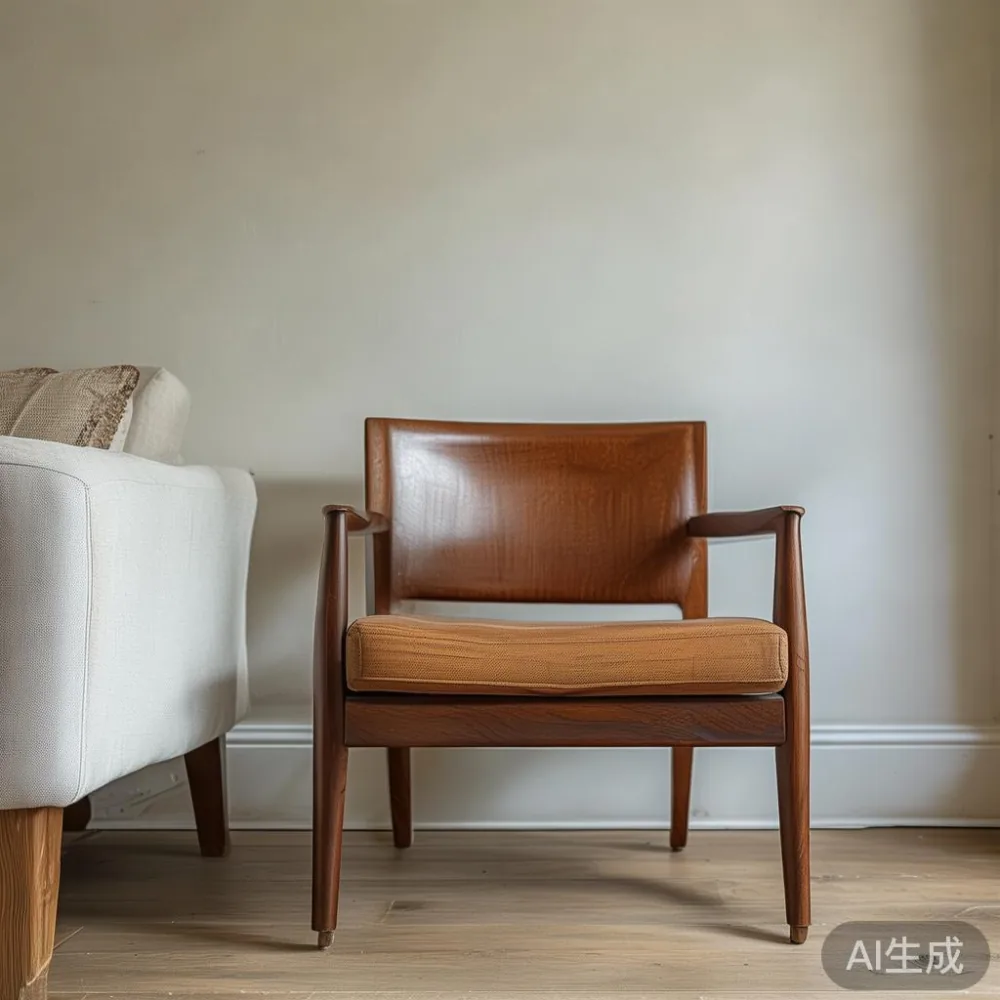
An accent chair is compact, but it is still sensitive to its surroundings. Its solid wood seat, backrest, legs and frame can each respond differently to moisture, while loose cushions, veneer panels and metal hardware react in their own ways. A 48 cm-wide chair beside a 90 cm corridor may also determine whether moving it feels easy in a narrow HDB landing. This guide explains how humidity affects wood furniture, what to check when ordering, and how to protect an accent chair without sacrificing the light-luxury look.
MIDHILL has built solid wood furniture in Foshan since 2008 and exports to more than 15 countries. Its production experience is useful here because Singapore is only about 1 degree north of the equator, with high humidity throughout the year. A 10-year structural warranty and lifetime refinishing service reflect the company’s confidence in the furniture, while delivery, returns and GST are practical considerations for local buyers.
How much does humidity change solid wood furniture?
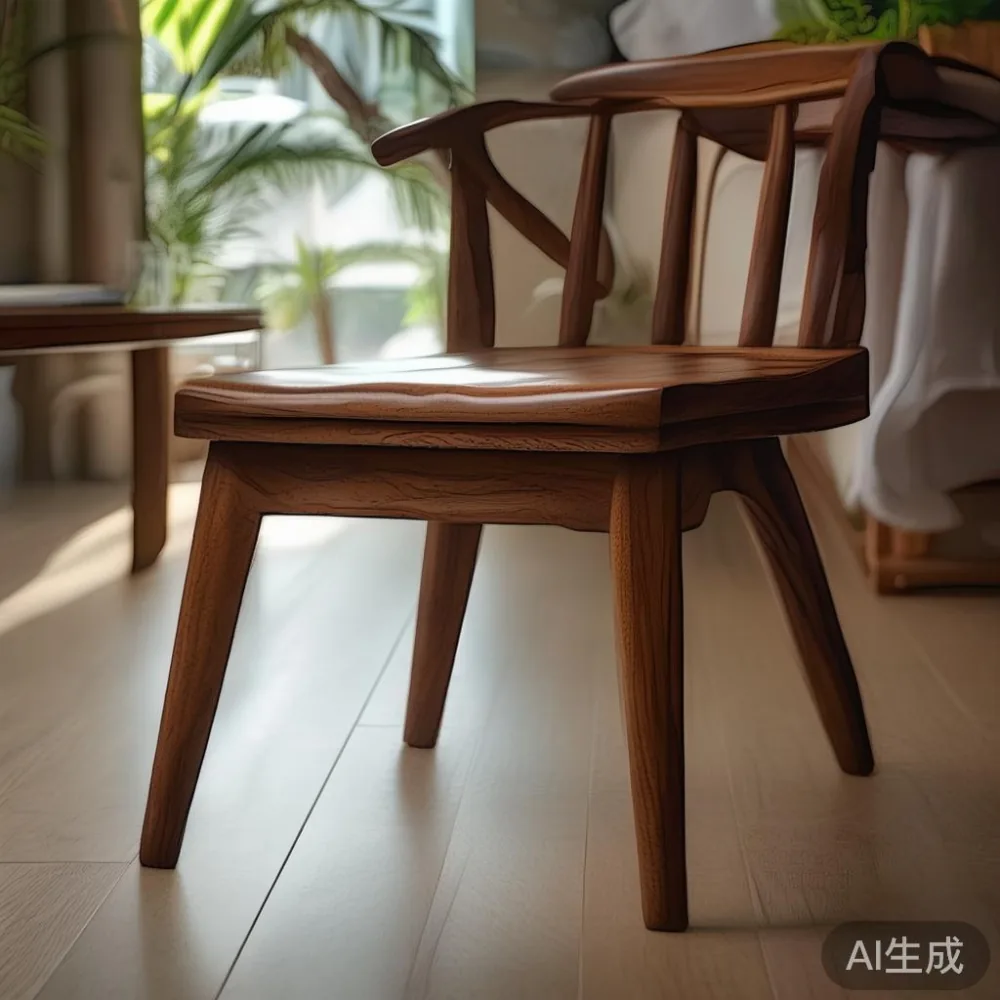
Wood is hygroscopic: it takes in moisture when the surrounding air is wet and releases it when the air becomes dry. Movement occurs across and along the grain, not just in one direction. A chair seat 44 cm wide and 46 cm deep might expand by roughly 1–3 mm during a strong seasonal change. Longer components, such as a 180 cm dining table top, can move more noticeably, but an accent chair is easier to manage because its parts are smaller and can be wiped or treated independently.
Singapore’s monthly average relative humidity is generally around 70–80%. The absolute amount of water vapour also matters because warm air holds more moisture. An interior maintained at 26°C and 60% relative humidity offers a more stable environment than an unconditioned room at 30°C and 85%. Air-conditioning often lowers humidity during the day, but doors and windows opened after a downpour can introduce damp air into the same room within 10–20 minutes.
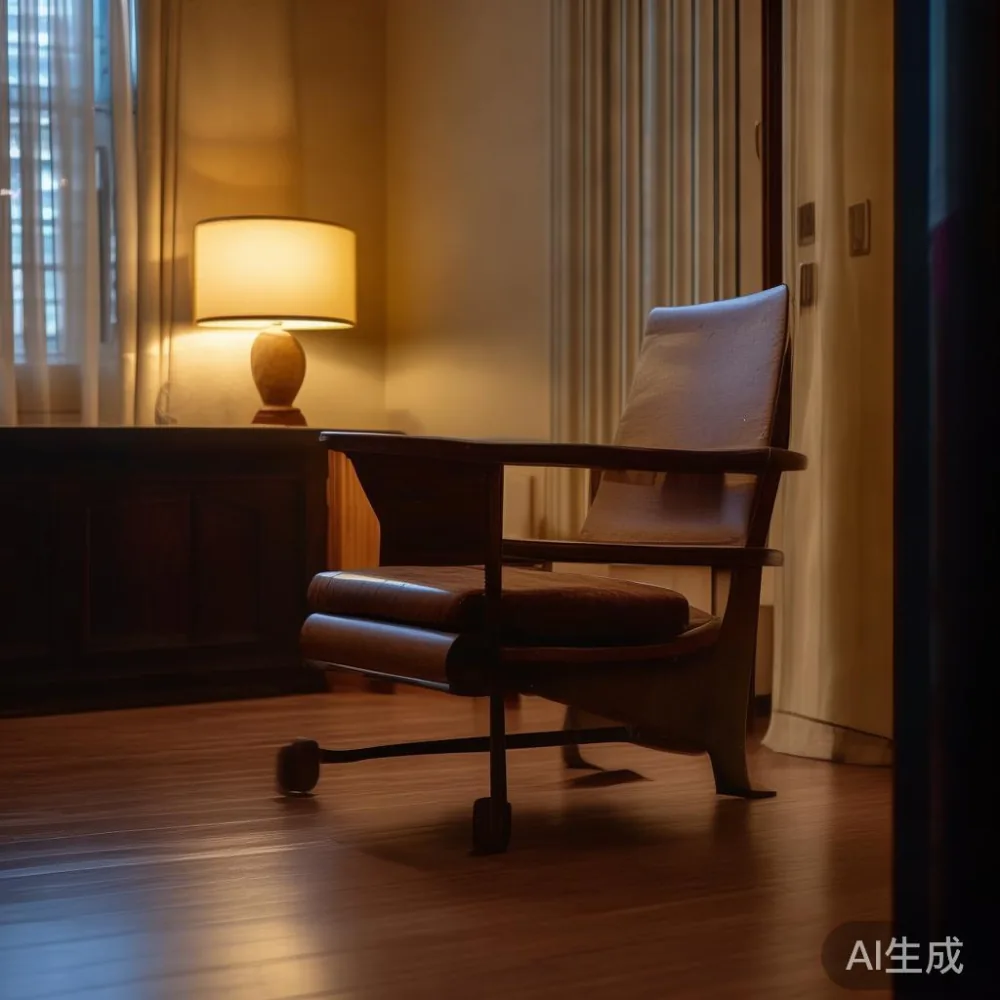
Moderate, gradual change usually causes far less damage than repeated cycling. The risk rises when a solid wood sofa, bed frame, dining table, wardrobe or nightstand sits directly beside an air-conditioning vent, against a cool exterior wall or under a bathroom-adjacent window. A surface that feels slightly cool to the hand is often being affected by condensation, especially during the monsoon.
Manufactured boards can also swell, although their response differs from solid timber. A high-quality plywood panel with properly sealed edges may perform consistently, while particleboard and fibreboard can show swelling around joints if their raw edges are exposed. Veneer may lift over a curved edge if moisture enters the substrate. A full solid wood accent chair with well-finished joints is easier to inspect because you can see the grain and construction directly.
Which Singapore rooms create the biggest moisture swings?
HDB flats and condos have different vulnerabilities. In an HDB block, internal corridors may remain warm and humid while a home’s living room becomes cool and dry after several hours of air-conditioning. The transition occurs each day: warm corridor air enters through the main door, then the living room cools it. In Bedok, a ground-floor unit close to a bus stop may also receive exhaust and wind-blown rain. In Tampines, a home several floors above ground may have better airflow but still experience west-facing afternoon heat.
In a Punggol or Bedok condo, sea-facing windows can bring higher wind loads. If the relative humidity rises quickly and the chair is placed near an open balcony door, its finish can develop small moisture traps. Conversely, a chair near a bedroom return-air grille may become dry over time. Dry air does not create the same visible swelling as damp air, but it can open hairline checks in a finish and contribute to joint movement.
Measure the room before placing furniture. A common HDB corridor is about 120–150 cm wide, while apartment doors can be 80–90 cm across. A slim accent chair with a 52–56 cm depth can be carried through most 82–90 cm openings if turned carefully. Its legs should not be knocked while turning through a 90 cm door. A chair fitted with loose seat and back cushions is easier to move and can be separated from its timber shell for cleaning.
Leave practical clearances too. Position the chair at least 30–60 cm away from an exterior wall if condensation is visible, and avoid a direct line from a bathroom or kitchen. Keep it 60–90 cm from a strong air-conditioning outlet. These distances do not eliminate humidity, but they prevent rapid surface change and make cleaning easier.
What should I look for when buying a solid wood accent chair?
Begin with the species and component construction. Rubberwood, oak, ash, beech, walnut and other hardwoods have different densities and movement rates, while a lacquered finish changes how moisture is visible. The chair should have a stable frame, properly joined rails and a seat that does not visibly flex when a 90 kg person sits near its front edge. Solid wood legs may taper over time; that can be a sign of grain and moisture response rather than structural failure.
Inspect how the timber is finished. A chair intended for humid rooms benefits from a sealed underside, sealed end grain and covered screw holes. Small scratches can usually be treated with a matching maintenance product, but water should not be allowed to stand beneath a glass or ceramic top. If you compare the accent chair with a marble table, remember that marble is less affected by humidity but can be vulnerable to acidic spills. Timber needs moisture awareness, while stone needs stain awareness.
Check delivery logistics before choosing a large statement chair. Lift dimensions in older HDB blocks may be only about 90–110 cm deep, and some service corridors are narrower. A fully assembled chair measuring 70 cm wide may be difficult to manoeuvre through a turn, whereas a flat-packed or partly assembled design with removable legs may fit more easily. Aiming for a chair no wider than 60–65 cm and weighing under 20 kg gives more flexibility in a compact flat.
Ask the seller for clear care, return and warranty terms. MIDHILL offers free Singapore delivery for orders over US$350, equivalent to about SGD 470 before GST, and a 14-day return period. GST adds 9% to the selling price shown in Singapore. Delivery takes about 7–14 days for stock pieces and 30–45 days for made-to-order items. These figures should be confirmed at purchase because freight schedules can change.
Can one accent chair work with both modern and classic interiors?
Yes, provided proportion and finish are considered together. In a compact HDB living room, a low-backed accent chair can add softness without consuming the same visual weight as a solid wood sofa. A seat height of 43–46 cm is usually comfortable with a 42–45 cm coffee table, while an width of 52–60 cm leaves space to walk around it. A narrow chair can work beside a 160–180 cm dining table, a 140–160 cm bed frame or a 90–120 cm nightstand without making the room feel crowded.
For a French light luxury interior, curved backs, pale timber, boucle upholstery and slim brass-toned details create a soft composition. For American light luxury, deeper cushions, broad proportions and darker oak can provide balance. Post-modern light luxury offers another route through mixed materials, clean profiles and one contrasting texture. Marble, timber and upholstery can coexist if the largest visual element is repeated in at least 2 colours elsewhere in the room.
For people studying Japanese for small living room principles, the lesson is practical: reduce visual bulk, preserve floor area and use furniture with clear function. A compact accent chair with a 45 cm seat depth and 52 cm width can replace a larger occasional chair, while a slim side table keeps the composition open. Avoid placing the chair directly in a narrow circulation line between the door and balcony.
Wardrobes and beds introduce another layer. If you are working out how to style European light luxury wardrobe in room ideas, coordinate the timber tone rather than forcing an exact match. Different batches and moisture conditions can make solid wood vary slightly in colour. A shared oil or finish family can create harmony without disguising natural variation. A 210 cm wardrobe, a 180 cm solid wood sofa and a 160 cm bed frame may all use oak but react differently to humidity because of their size and exposure.
How do I protect an accent chair from Singapore humidity?
Use the climate in the room as your guide. A hygrometer or temperature-and-humidity monitor costing about SGD 25–60 can show whether conditions remain within a sensible range. Around 50–65% relative humidity at 24–28°C is comfortable for people and reasonably stable for wood. Singapore homes may sit outside that range for long periods, so control the causes of rapid change rather than blaming the furniture for every seasonal movement.
Keep the chair away from open windows during heavy rain and avoid the direct “sweat” of a cold glass surface. Wipe the chair after splashes and dry it with a soft cloth. Do not use a soaked household mop on the seat or legs. A barely damp cloth, followed by 10–15 minutes of natural drying, is safer. If the chair has upholstery, vacuum it every 1–2 weeks and address spills before they soak into the fabric.
Let wood adjust gradually. When bringing a chair into an air-conditioned flat from a humid corridor, leave it in the living room for 30–60 minutes before tightening any adjustable parts. When moving it into a cooler room, avoid wrapping it tightly in plastic for 24–48 hours; trapped moisture has no path to escape. After 6–12 months, inspect the underside, rails, joints and finish under good light.
Small changes often need only care. Raise the chair slightly from a very damp floor using felt pads rather than untreated blocks. If a finish looks cloudy after a wet spell, allow it to dry for 24–72 hours before applying any product. A qualified refinisher can sand a damaged area back and restore the coating. MIDHILL’s lifetime refinishing service is relevant for long-term ownership, though the service terms should be checked for location, timing and applicable finishes.
Is a solid wood accent chair practical for a small Singapore home?
It can be, and its material may offer a useful advantage over a chair with a large metal frame. Solid wood gives warmth, repairability and tactile character, while a compact silhouette can fit a living room measured at roughly 12–18 sqm. The key is to buy according to the available doorway and landing dimensions, not only the photograph of the finished room.
Measure the narrowest route from the delivery entrance to the living room. Record door width, corridor turns, lift dimensions and any staircase handrails. A chair width of 55 cm and depth of 54 cm generally presents fewer manoeuvring problems than a 70 cm fully upholstered model. Confirm whether the back can be detached and whether the legs can be removed. Each removable joint should reduce packaging volume and make the final move simpler.
Budget for both the item and its ownership. A light-luxury accent chair may cost SGD 700–1,800 depending on timber, upholstery and detailing. Add 9% GST and a delivery charge if the order does not qualify for the free threshold over US$350. Allow SGD 30–80 for a basic maintenance kit, hygrometer and protective pads, and reserve 10–15 minutes every 2–4 weeks for care.
For a coordinated room, include the supporting furniture in the humidity plan. An Italian light luxury bed needs space for airflow around its frame, not a tightly fitted alcove. A solid wood sofa should sit 15–20 cm away from a wall where possible. A dining table needs room to expand by several millimetres without being trapped between fitted units. A wardrobe should have adequate ventilation behind panels and access to its hinges. These details keep the entire room stable rather than treating one chair as an isolated object.
What humidity problems should trigger a return or repair?
Normal wood movement is small. Look beyond a 1–2 mm change in fit and focus on warning signs: persistent dampness, mould-like spotting, peeling finish, swollen panel edges, loose joints, insect activity or a sudden crack across a load-bearing rail. A surface that remains cool and damp for several hours needs attention. If moisture has entered a chair, remove it from the affected area and dry it slowly in moving room air.
Do not automatically blame humidity for every scratch or colour shift. Sunlight can fade one side of a chair even when the air is stable, while a radiator or hot air vent can dry the opposite side. Furniture placed beside a west-facing HDB window may also develop a sharp finish difference. Track conditions with notes or photographs over 2–4 weeks. This record helps a seller or repairer distinguish material movement from heat, light or handling damage.
Singapore’s 14-day return framework allows time for an initial check, but furniture should be examined as soon as it arrives. Inspect the frame in daylight, press the joints gently, check all 4 legs for level, and review the finish for cracks. Keep the packaging until the chair has acclimatised for at least 48 hours in its final position. If condensation or transport marks are present, photograph them before assembly.
Humidity does not make solid wood furniture unsuitable for Southeast Asia. It makes disciplined placement and care more important. A well-made accent chair can remain comfortable and visually strong in Tampines, Bedok or Punggol when its finish is sealed, its dimensions suit the route into the flat, and the room’s moisture changes are managed. Choose the construction with care, allow the timber to breathe, and maintain the surface on a measured schedule rather than waiting for visible damage.