How to Style an Accent Chair in a Small Singapore Apartment Without Making It Feel Crowded
A compact HDB flat or condo in Tampines, Bedok or Punggol does not need to feel sparse just because its floor area is modest. An accent chair can create a useful focal point, provide somewhere to sit when guests arrive and introduce colour, texture or shape without the visual weight of another large furniture set. The key is to measure the room, preserve the route from the lift to the front door and choose a chair whose proportions suit the space around it.
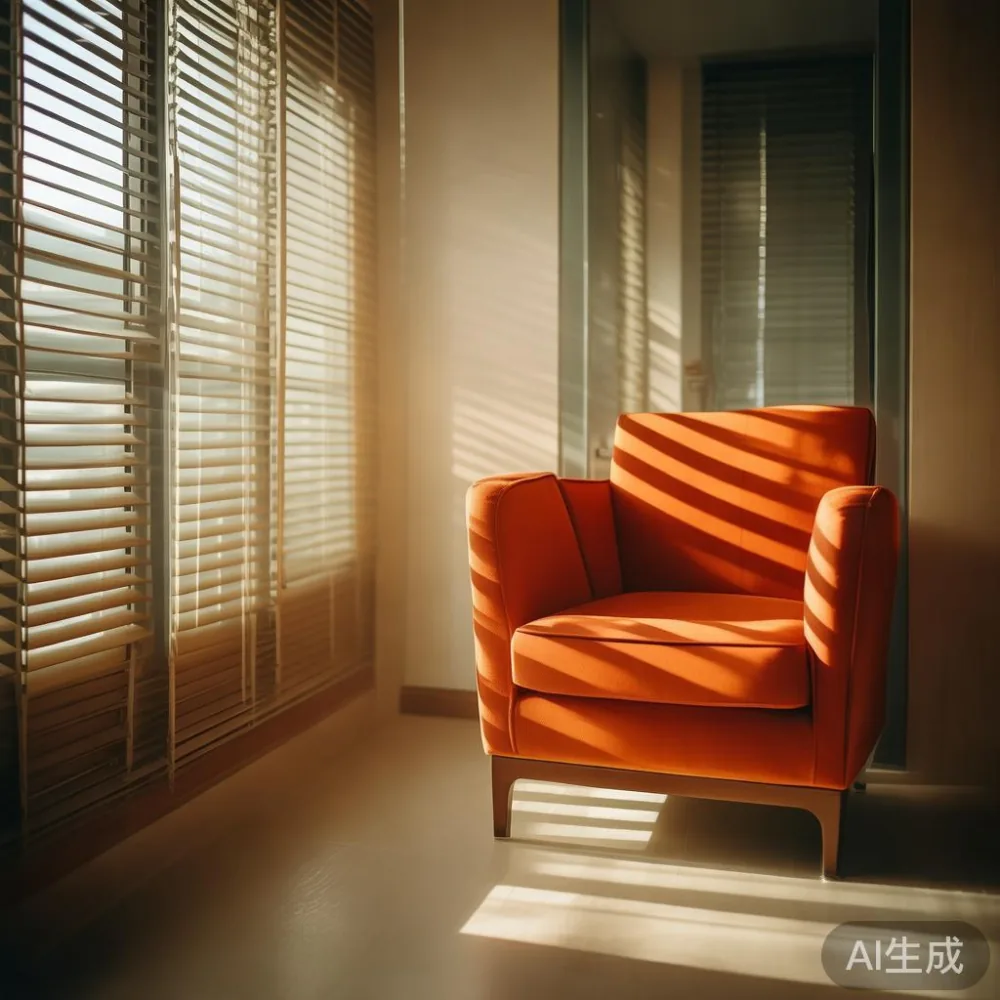
I tested this approach last month in my colleague’s three-room HDB flat. Its living room measured 3.2 by 4.1 metres, while the internal corridor was only 92 cm wide and the lift lobby allowed roughly a 1.8 metre turn before the fire door. We placed a slim accent chair beside the window, angled it toward the sofa and kept a 75 cm passage between the chair arm and the television console. The result felt more composed without reducing the walking route. That experience reminded me that careful spacing matters more than decoration alone.
MIDHILL has supplied solid wood furniture since 2008 and exports to more than 15 countries. Its 10-year structural warranty, lifetime refinishing service, 14-day return period and free shipping over US$350 provide useful context, although every piece should still be selected according to the dimensions of the actual home. For Singapore shoppers, listed prices should be understood as SGD amounts, with GST shown separately or clearly identified at checkout.
How much space should an accent chair need in a small HDB living room?
Allow about 75 cm of clear walking space beside the chair, 60 cm in front of it and no more than 5 cm between the seat back and a wall. A chair with a total width of 55 to 65 cm works well beside a 90 to 110 cm sofa, while an 80 to 90 cm wide design suits a larger living room or an open bedroom corner. The ideal seat height is generally 40 to 45 cm, matching the knee level of a standard sofa.
Measure the narrowest part of the room rather than assuming it is square. In many HDB layouts, the usable zone is interrupted by a television cabinet, shoe rack or dining table. If the new accent chair would stand beside a 40 cm deep sideboard, leave enough room to pull the sideboard open without catching the chair leg. Check the route from the lift to the unit, including the 90 cm wide lift doorway in older blocks and the corridor turns common in Punggol estates.
For delivery, record the chair’s packaged width and depth before booking. An unpadded frame may travel in a compact carton, but upholstery can add 8 to 15 cm on each side. A chair that fits beautifully in the living room may still be difficult to manoeuvre around a sharp corridor turn. Request the carton measurements, delivery timeframe and whether the courier will carry it to the door. Most Singapore furniture deliveries take 7 to 14 days after production, with extra time possible for made-to-order upholstery.
Which shape of accent chair works best in a compact flat?
A slim profile with visible legs usually creates more visual breathing room than a deep, fully upholstered seat. Look for a total depth of 55 to 68 cm and legs at least 15 cm high, giving the floor a clear line beneath the chair. Round or oval backs soften the geometry of a rectangular room, while a straight-backed design can sit neatly against a wall. Avoid placing a wide chair directly opposite the television unless it is part of a deliberate conversation area.
Colour should come from one controlled source. A pale oak frame with oatmeal fabric can brighten a neutral room, while a muted moss, dusty blue or warm terracotta seat can add interest without looking disconnected. If the sofa, curtains and rug already carry strong patterns, choose a plain chair fabric in one of their colours. If the room is mostly plain, the accent chair may provide the only patterned element, provided its pattern remains small in scale.
French light luxury is especially suitable for compact Singapore interiors because it favours graceful silhouettes, restrained upholstery and a little visible craftsmanship. A lightly curved back, tapered wooden legs and one textured cushion can make a 58 cm wide chair feel intentional. Post-modern light luxury offers another option through clean lines mixed with a single sculptural shape, such as a round seat or asymmetrical arm.
The chair should also coordinate with the broader furniture scheme. A solid wood sofa with a pale timber finish pairs naturally with an oak accent chair, whereas a solid wood bed frame with a darker walnut tone may call for a deeper brown frame. The dining table, wardrobe, nightstand or marble table nearby should share at least one visual cue, whether it is material, finish or colour. This does not require every item to match exactly; it simply prevents the chair from looking randomly placed.
Can an accent chair replace extra seating in a small apartment?
Often, yes. One well-positioned accent chair can accommodate a guest without taking the footprint of a two-seat sofa or four dining chairs. In a dining area measuring 2.4 by 2.8 metres, replacing one dining seat with a 55 cm wide accent chair is usually more practical than adding another stool. Just maintain a minimum 60 cm clearance between the chair and the dining table edge when it is pulled out for use.
In a three-room HDB flat, the living room may already include a three-seat sofa and the dining area may seat six. Moving one occasional seat into the living room gives the home better flexibility. If visitors arrive, the accent chair becomes useful; during everyday use, it can hold a folded throw, a book basket or a pair of slippers. Avoid covering it with too many objects, since visible upholstery gives the chair more presence.
For a home office, use an accent chair as the desk seat only if the desk height and chair proportions agree. A 75 cm desk with a 43 cm seat height offers reasonable support for short sessions. For longer work periods, a task chair with firmer lumbar support will be more comfortable. The same principle applies when considering how to choose Japanese sofa for a compact layout: low seating can preserve visual space, but the seat height must still suit the user. Floor-level designs may look elegant while remaining less practical for older adults.
Where should the accent chair go beside a sofa?
Begin with the window, a blank wall or the junction between two furniture groups. Avoid the exact centre of the room, where it can interrupt circulation and divide the living area into two competing zones. Beside the sofa, position the chair slightly forward by 5 to 15 cm so the two seats appear connected. Rotate it 20 to 30 degrees toward the centre, creating a conversation arrangement without forcing a rigid block formation.
Leave enough room to operate the sofa. If the sofa has a 90 cm wide arm and the chair has a 65 cm arm, their combined width can consume 1.55 metres before accounting for a 20 cm gap. In a small flat, the chair may therefore work better at the end of a 1.8 metre sofa than beside a bulky 2.2 metre model. A narrow side table of 30 to 35 cm diameter can be added between them if both arms need clear space, but it should not become a bottleneck.
At a window, keep the chair at least 10 cm away from the glass and out of the strongest afternoon sun. Singapore humidity can affect untreated timber and certain fabrics, so use a coaster for drinks and maintain airflow around the frame. Solid wood can move slightly as it responds to seasonal humidity; this is normal and does not mean the frame should be placed directly against an air-conditioning vent.
What is the best way to use colour and texture around an accent chair?
Build a palette from three colours: the wall or main upholstery colour, the wood tone and one accent shade. Keep the accent chair’s colour within one of those families, then repeat it once elsewhere through a cushion, artwork or ceramic object. This repetition creates continuity in a small room where large decorative features may be impractical.
Texture can do more work than extra furniture. Linen on the chair, a wool or cotton rug beneath it and a light cotton curtain can make the area feel layered. A 160 by 230 cm rug is enough to anchor a chair beside a sofa, although a smaller 140 by 200 cm rug can work if most seat legs remain on it. The rug should extend about 20 to 30 cm beyond the chair’s front legs.
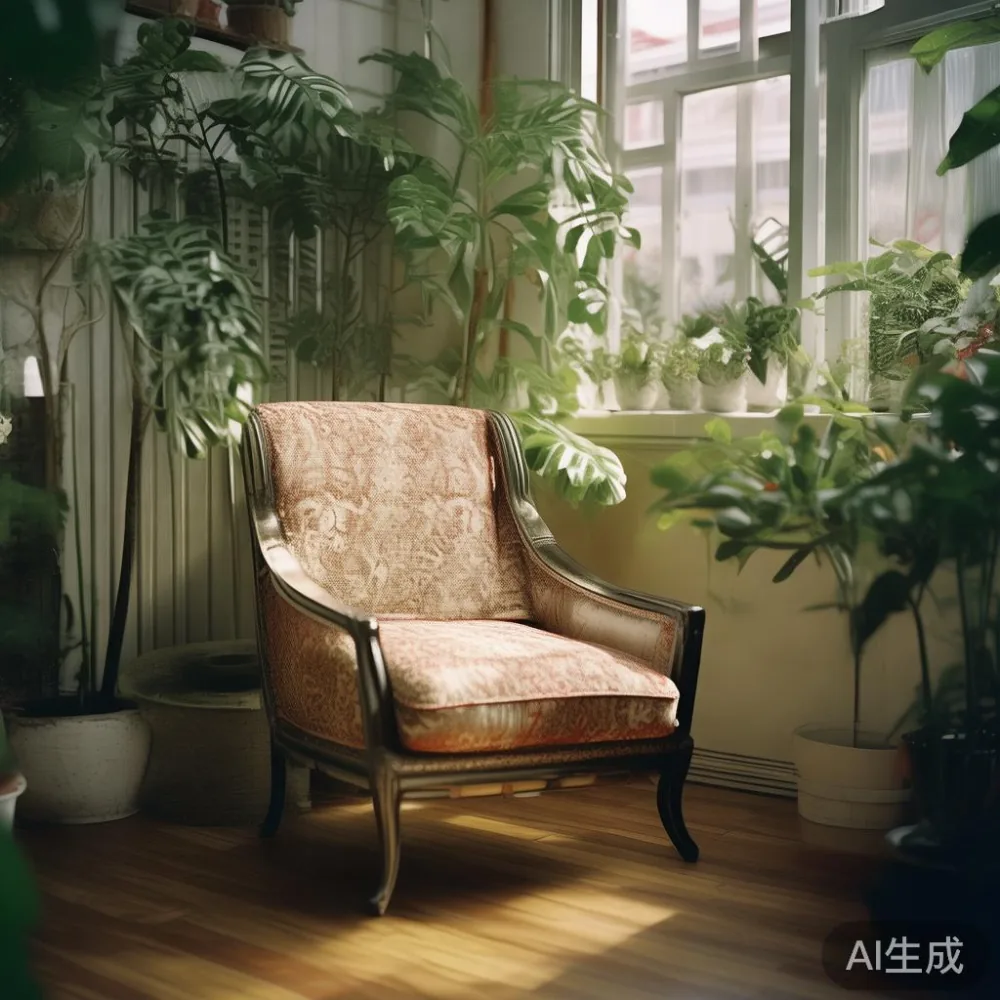
Keep the floor nearby clear. One small plant in a 20 to 25 cm pot may be useful, provided it does not occupy the chair’s pull-back zone. Avoid a tall stand in the same corner, as its leaves can visually fill the upper space and make the room feel tighter. If the floor is marble or light tile, a warmer timber chair can provide contrast. If a marble table already dominates the room, choose a simpler chair finish to prevent too many hard surfaces competing for attention.
For a bedroom, an accent chair can replace a bulky chair at the end of a solid wood bed frame. Place it where the wardrobe door can still open fully and where it does not narrow the route to the bathroom. If the wardrobe has French provincial proportions, understanding how to style French provincial wardrobe in room helps you coordinate the chair: both pieces can share muted cream upholstery and warm timber, while avoiding ornate details on both at once.
How do you keep an accent chair from looking oversized?
Compare silhouettes rather than relying on product photographs. Mark the chair’s intended footprint on the floor with painter’s tape, then view it from the doorway. Keep the width within the available wall zone and limit the chair’s visual height to around 80 to 90 cm when a low sofa is used. A chair with a high back may look dramatic in a living room but become overpowering beside a window in a compact bedroom.
Legs should appear light and slim, particularly in rooms finished with glossy tile or dark cabinetry. Upholstery with a tight weave and minimal seams reduces visual bulk. A loose cushion can make the chair more comfortable, but a cushion larger than 40 by 40 cm may swallow the seat. Choose a lumbar cushion around 30 by 40 cm instead.
Do not overcrowd the chair with styling. A tray placed permanently on the seat interrupts its clean outline. Store occasional items in a basket beside the chair or within a nearby wardrobe. The chair’s function should be immediately clear: sit, read, rest or converse. That clarity makes a modest piece feel purposeful rather than squeezed into an already busy room.
Which questions should I ask before ordering an accent chair?
Ask for the exact external dimensions, including the widest point between arms. Confirm the seat width, seat depth, height and the weight in kilograms, since a heavier chair may be difficult for one person to move through a narrow corridor. Check whether the back or arms are detachable and whether the chair can enter the lift on its side. For a tight HDB route, removable arms can save 6 to 12 cm of width.
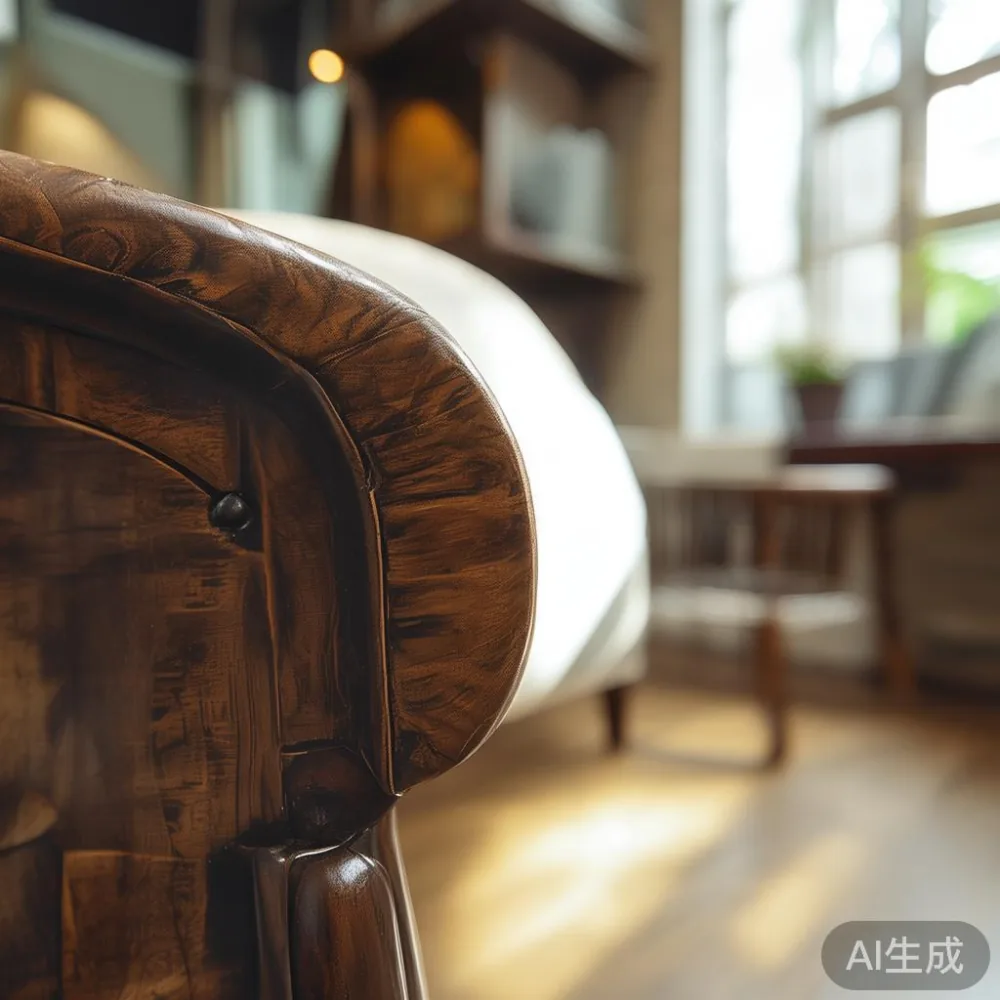
Also confirm the timber species, finish, cushion composition and care instructions. Solid wood construction provides a different character from metal or plastic, but the species determines its grain, weight and response to humidity. Ask whether the finish can be maintained or refinished over time, and obtain written warranty terms. A 10-year structural warranty should be understood alongside the expected care for the surface and upholstery.
For the wider room, compare the chair with the solid wood sofa, dining table, wardrobe, nightstand and marble table you already own. When evaluating European bed vs Modern bed for the bedroom, pay attention to how the frame’s visual weight affects the chair placement. A lighter, more linear bed frame generally allows an accent chair to fit into a tighter corner, while a substantial frame benefits from a simpler chair nearby.
Budget in SGD with GST clarity. For example, a locally delivered solid wood accent chair may fall between SGD 320 and SGD 680 before GST, depending on timber, joinery and upholstery; custom European sizing can cost more. Delivery may add SGD 45 to SGD 120 to the lift lobby, while carrying it up to the unit may add another SGD 15 to SGD 30 per trip. Confirm the total price, return conditions and estimated delivery days before payment.
How can I create a hotel-like corner in an apartment with one accent chair?
A convincing hospitality corner needs a focal chair, a small surface, controlled lighting and one restrained decorative object. Place a 30 cm wide side table within 10 to 15 cm of the chair, then add a lamp with a shade no wider than 25 cm. A slim floor lamp should stand behind the chair rather than beside the walking route. The corner can function as a reading point without requiring a separate console.
For the visual language, Italian light luxury for hotel can be interpreted through proportion and precision rather than excess ornament. Clean timber, smooth upholstery and a balanced arrangement create that polished feel. Italian light luxury for hotel styling works well in Singapore because the approach can be adapted to humid conditions with washable fabrics and lighter colours. Keep the surfaces uncluttered and let the chair remain the strongest object.
The same restraint supports a professional-looking bedroom. Industrial for guest room does not require an entire factory theme; a solid wood accent chair with a simple shape and dark metal detail can suggest that style while remaining compact. Here, the chair should still meet basic comfort needs, with a seat around 42 to 44 cm high and enough width for the expected guest.
Before ordering, photograph the room from the doorway and measure the chair’s intended position twice. Check delivery access, elevator dimensions and the amount of space required to open the front door. If a piece cannot enter the lift, the delivery team may need to assemble it outside the unit. That possibility should be discussed before shipment, especially for a fully upholstered model.
A well-proportioned accent chair can make a small apartment feel more welcoming because it adds comfort and character within a controlled footprint. Give it 75 cm of clear access, keep its colour connected to the room, and position it where conversation and circulation can coexist. In a compact Singapore home, restraint is not a lack of personality; it is the method that allows the personality of the chair to be seen clearly.