Humidity and Solid Wood Furniture in Singapore: A Practical Guide
Singapore’s humidity can be kind to a well-made solid wood dining table, yet challenging to an accent chair placed against an air-conditioned corridor wall. Warm, moisture-laden air enters an HDB flat at Tampines or Bedok, meets a cold lift lobby, and then moves into a Punggol condo with wide glazing and strong air-conditioning. The result is not one fixed moisture level, but a cycle of expansion, contraction, fading, and surface movement.
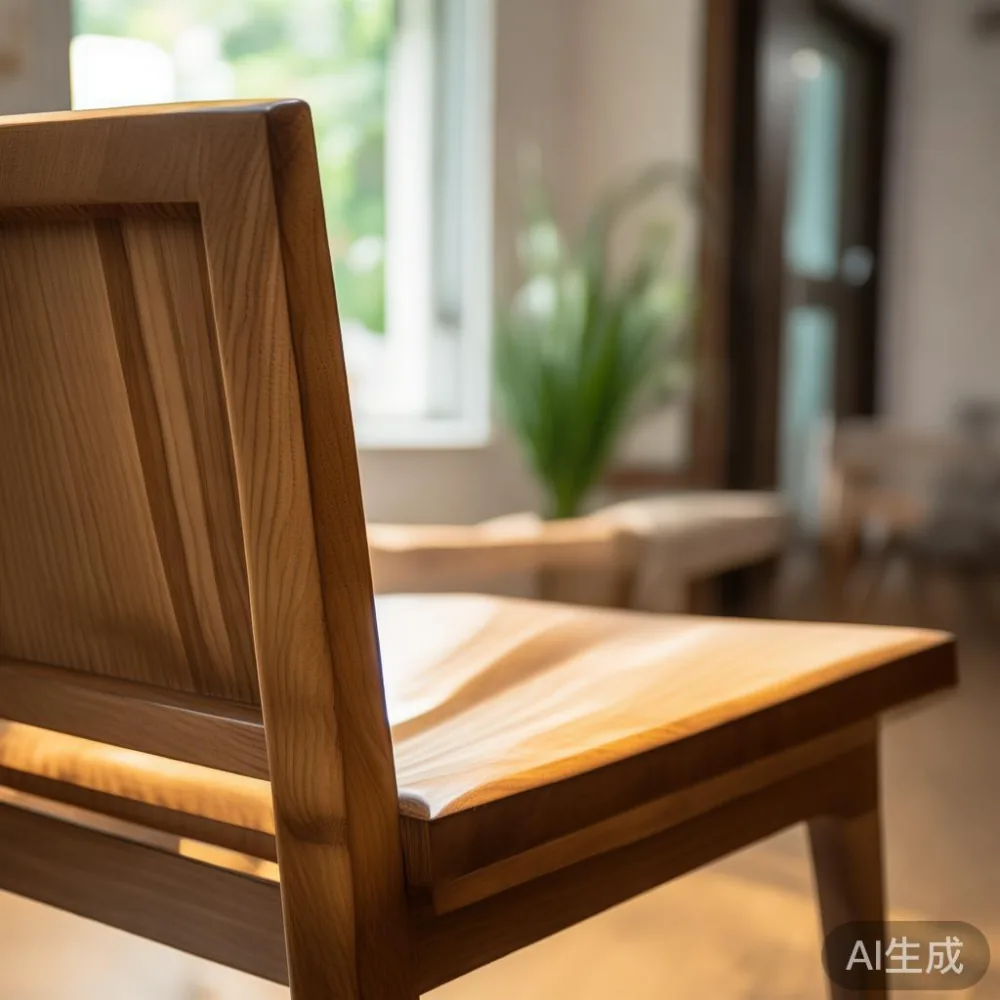
For furniture owners, the useful question is not whether wood “likes” Singapore. It is how quickly the wood can adjust to the room around it. Humidity control, stable placement, sensible cleaning, and the quality of the joinery all affect how an accent chair looks after 12 months or 10 years.
MIDHILL makes solid wood furniture in Foshan and has supplied customers in more than 15 countries since 2008. Its 10-year structural warranty reflects an emphasis on joinery and long-term use, while lifetime refinishing offers a practical route for maintaining colour and surface protection.
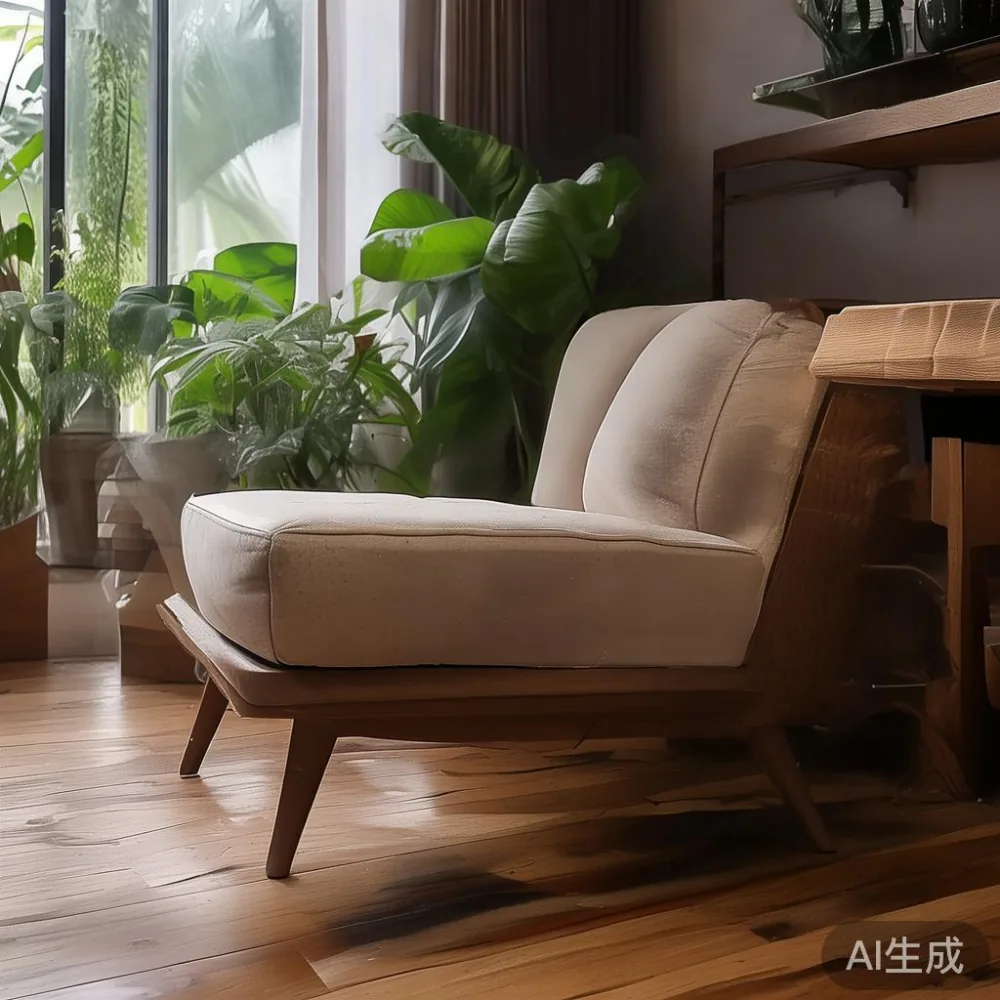
What Singapore’s humidity does to solid wood
The monthly relative humidity in Singapore commonly falls between roughly 65% and 90%, with monsoon periods and late-evening humidity producing noticeably damper conditions. Air-conditioned interiors may remain near 50% to 60% RH, while kitchens, bathrooms, balconies, and unventilated corners can exceed 80% RH.
Wood is hygroscopic: it absorbs moisture when the surrounding air is humid and releases it when the air becomes dry. A solid oak dining table may gain or lose a small but visible amount of width across its grain. Beech, maple, ash, and other commonly used hardwoods can move more than engineered boards, though movement depends on species, cut, thickness, finish, and restraint from the frame.
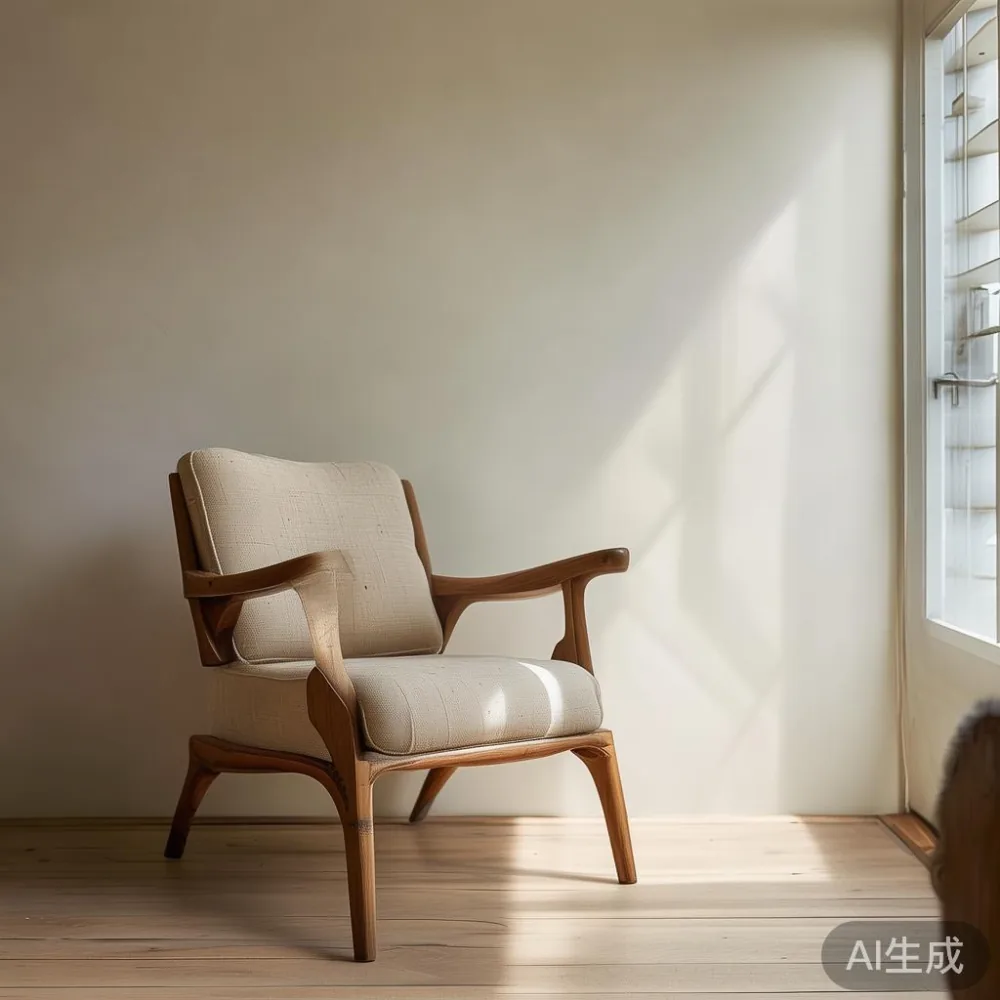
The movement is not automatically a defect. A well-made table or bed frame should accommodate dimensional change without splitting. Problems tend to appear when an unstable panel is forced to remain flat, when a finish traps moisture unevenly, or when furniture is repeatedly moved between very damp and very dry environments.
Seasoning remains important. Kiln-dried timber should reach an appropriate moisture level before assembly, with the finished piece allowed to acclimatise in its final room. The storage conditions at the workshop, the journey through a container, and the delivery conditions in Singapore all belong to the same acclimatisation process.
How much humidity is comfortable for an accent chair?
A practical indoor target is approximately 45% to 60% relative humidity, with short fluctuations preferable to extremes. A digital hygrometer costing around SGD 20 to SGD 40 is enough for checking a living room, bedroom, or dining area. Place it near the furniture rather than against an exterior wall, and compare readings taken in the morning and evening.
For an accent chair, pay particular attention to the seat, backrest, armrests, and rear legs. A chair positioned beside a sliding glass door may face a different microclimate from one near the kitchen. Direct afternoon sun can heat a dark cushion or finish even when the general room feels comfortable.
Keep the chair at least 15 to 30 cm away from a wall if airflow is restricted, and about 60 cm from persistent dampness such as a laundry rack or bathroom doorway. Do not place fabric-upholstered seating against a cold return-air vent. Continuous airflow over the surface can encourage finish checking, particularly on exposed solid timber.
A simple precaution is to check the chair after a rainy evening. If a hygrometer beside it reads 75% RH or above, improve ventilation or run air conditioning for 30 to 60 minutes. If it remains above 65% for several days, inspect the floor area for trapped moisture and adjust the placement.
Why HDB flats, condos, lifts, and corridors need special planning
Singapore homes are often compact, so an accent chair may need to move between a dining area and a study corner. Measure the chair before ordering: a typical dining chair might be 50 to 58 cm wide, 55 to 65 cm deep, and 80 to 92 cm high. The packed carton may be 65 to 85 cm long, 60 to 70 cm wide, and 65 to 90 cm high.
In many HDB blocks, a standard passenger lift interior is approximately 110 cm deep and 140 cm wide at the door, though individual buildings vary. A chair carton can enter an open lift diagonally, but a marble table or full dining set may require clearer measurements. Corridor turns and fire doors can be tighter than the lift itself, so the delivery team should confirm the route before collection.
For Punggol and Tampines homes, natural light is often generous. Position the accent chair away from west-facing windows between 2 pm and 5 pm, or use a curtain with a tested UV filtering rating of at least 40%. Bedok units near the coast may experience salt-laden moisture in ventilated spaces, although ordinary indoor air is less severe than an exposed balcony.
Freight to Singapore is quoted in SGD and may include GST. Delivery timing, lift booking, and stair access should be agreed in advance. A practical allowance is 7 to 14 days for many in-stock orders, but made-to-order pieces can require 30 to 60 days. Avoid wet-weather delays by allowing extra time around heavy monsoon periods.
How should I choose an accent chair for a humid climate?
Begin with the room’s moisture exposure, then assess construction. Look for solid timber seat rails, mortise-and-tenon joints where applicable, dowelled or wedged joints, and rear stretchers that resist racking. A chair that wobbles under a 90 kg user is more likely to show loose joints and finish wear than one with sound geometry.
Ask how the timber was dried, whether the surfaces are sealed on all sides, and whether small seasonal movement is covered by the warranty. A matte or low-sheen finish often disguises minor surface variation better than a thick, mirror-like lacquer, although finish performance still depends on application quality.
Fabric choice matters in humid rooms. tightly woven cotton, treated linen, and performance textiles can handle everyday use more easily than loose, absorbent weaves. For a busy dining area, removable covers and a stain-resistant treatment are useful. Seat pads should not be left wet, and spills should be blotted rather than rubbed.
Scale is equally important. An accent chair with a seat width of 46 to 52 cm and a depth of 48 to 55 cm works well with a 90 cm dining table, allowing roughly 18 to 22 cm of clearance behind each seated person. For a slim study corner, a chair under 55 cm wide may preserve a 70 cm passage.
Buyers comparing design directions can search for the best Nordic sofa for 2026 when planning a larger seating arrangement, then coordinate the solid wood accent chair with its oak or ash tone. The sofa and chair need not match exactly; close grain colour and a shared metal finish often create a more relaxed post-modern light luxury room.
Does Singapore humidity damage a marble table and other furniture surfaces?
Marble is less prone to swelling than timber, but grout lines, metal fixings, and supporting timber can still be affected. Wipe a marble table after condensation forms, and use a pH-neutral cleaner rather than vinegar, lemon, or acidic bathroom sprays. A tested sealer can reduce staining, yet the stone should still be protected from prolonged water contact.
A marble table should stand on a flat, dry surface with all feet supported. In humid conditions, inspect the underside every 3 to 6 months for condensation, mould, or softened finish. If the base is solid wood, allow ventilation beneath the stone and avoid sealing the bottom so tightly that moisture cannot escape.
The same room-care logic applies to a solid wood sofa with timber legs, a bed frame, a dining table, a wardrobe, and a nightstand. In a showroom, furniture may look immaculate because it is displayed in a climate-controlled environment. At home, local habits determine its condition: plates near a dining table, damp towels in a wardrobe, and drinks beside a nightstand all create small, repeated exposures.
For a French-style bedroom, owners looking for guidance on how to style French provincial wardrobe in bedroom can use closed cabinetry to buffer humidity from open shelving. Leave 5 to 8 cm behind tall units where airflow is needed, and check the corners of the wardrobe every 6 months for swelling or sticking doors.
How can I protect an accent chair without over-maintaining it?
Use a three-part routine: control the room, clean gently, and inspect often. Keep the relative humidity near 50% to 60%, dust with a soft cloth, and avoid steam cleaners on lacquered or upholstered surfaces. A slightly damp cloth can be used on an unsealed solid wood surface, followed immediately by a dry cloth, but no moisture should collect around joints.
For upholstered seats, vacuum every 1 to 2 weeks using a brush attachment and a suction level below the maximum setting. Treat cushions with a manufacturer-approved protector after checking compatibility. Rotate loose cushions monthly so one area does not absorb more wear and moisture.
Check screws and dowels every 6 months, especially after a chair has been moved or exposed to a damp balcony. Tighten fittings gradually rather than forcing them. Small movement between a tenon and its mortise is normal; the aim is to keep the joint seated without crushing the surrounding timber.
Watch for early warning signs: a finish that feels tacky, a crack running across rather than along the grain, a swollen drawer, or a musty smell beneath the seat. Address persistent humidity above 65% RH before applying oil or wax, because sealing damp timber can prolong the problem.
What should I know about finishes, care products, and delivery?
Natural oil finishes can become patchy if humidity and cleaning are inconsistent. Apply a thin coat after the timber is clean and dry, following the product instructions. Wax may add sheen but does not waterproof wood. Water-based lacquer can be durable and low in odour, while oil-based finishes may need longer curing times in humid conditions.
Products containing silicone or heavy solvent can interfere with future refinishing. Keep one mild wood cleaner and one upholstery cleaner on hand rather than stacking several incompatible treatments. Test any new product on the underside of a seat rail and wait 24 to 48 hours before treating the visible surfaces.
At MIDHILL, a 10-year structural warranty covers qualifying structural defects, while lifetime refinishing refers to the company’s refinishing service rather than unlimited replacement of every damaged component. Confirm the written scope at purchase. Free shipping applies above US$350, with international freight and local Singapore delivery arranged around the order.
For trade buyers, a search for wholesale Modern light luxury furniture can lead to catalogues containing dining tables, seating, and coordinated pieces. The exact phrase sounds broad, but a useful quotation should specify species, dimensions, finish, carton size, and delivery terms rather than relying on style labels alone.
How do design styles suit Singapore’s climate?
French light luxury works well when it uses pale oak, ash, or beech with restrained profiles and light textiles. Lighter colours show less dust and damp-related surface mottling, although they can show tea and water stains more readily. Classic forms can feel formal in a compact flat; a French sofa with a 205 to 230 cm width may suit a 260 cm dining wall better than a larger model.
American light luxury often combines generous proportions with warm woods and tactile upholstery. A solid wood sofa with broad arms can visually balance a narrow living room, yet its depth of 90 to 100 cm should be measured against the circulation path. The supporting solid wood bed frame or nightstand should use similarly stable joinery.
Japandi styling suits practical HDB layouts because its low visual clutter complements limited storage. Researching French sofa vs Japandi sofa can help owners decide between tailored upholstery and a cleaner timber frame, but the final choice should follow room dimensions, family use, and maintenance capacity.
For dining spaces, light luxury for dining room projects often begin with a 160 to 200 cm solid wood dining table. Chairs with open frames dry faster after wiping, while deep upholstery takes longer. In a light-luxury for dining room scheme, balance pale timber with 1 or 2 darker accent pieces rather than matching every item.
A useful design test is to view the room at 7 am, noon, and 9 pm. Singapore’s changing daylight can reveal finish unevenness that showroom lighting hides. A MIDHILL sofa displayed in soft, even light may look calmer than the same piece under harsh downlights, so request fabric and timber samples before committing.
What did I observe during a recent Singapore visit?
Last month, I visited a colleague in Bedok to inspect a solid wood accent chair that had developed a faint sticky patch on one armrest. The room gauge read 78% RH beside the chair and 57% RH near the air-conditioner. The chair had been placed close to a laundry balcony, where warm air collected after showering.
We moved it 25 cm away from the wall, used a dry cloth, and improved ventilation. After 48 hours, the tackiness had reduced and the reading had fallen to 61% RH. The experience confirmed that refinishing should not be the first response. Measuring the microclimate first prevented unnecessary work and kept moisture from remaining trapped in the finish.
The chair’s joints remained stable, showing the value of sound construction and gradual acclimatisation. For any new accent chair arriving during a humid spell, allow 5 to 7 days in its final position before judging fit, appearance, or the need for minor adjustments. For a dining table or wardrobe with larger surfaces, allow up to 14 days.
When should humidity damage be treated as a structural issue?
Contact the seller if a joint has separated, a leg has cracked along the grain, or a drawer repeatedly binds after the room has returned to 45% to 60% RH. Photograph the affected area in daylight and record the hygrometer reading, temperature, and date. Keep the piece away from direct moisture while the issue is assessed.
Do not apply oil to a damp surface, glue a swollen joint without diagnosis, or tighten every fastener at once. Excessive tightening can create new stress in the timber. A qualified furniture repairer can distinguish ordinary seasonal movement from a defect in drying, machining, or assembly.
Singapore’s climate does not rule out solid wood furniture. It does demand more attentive placement and a reliable humidity gauge. An accent chair kept away from damp boundaries, protected from prolonged direct sun, and checked twice yearly can remain comfortable and visually strong for decades. The same discipline supports a solid wood sofa, bed frame, dining table, wardrobe, nightstand, or marble table, provided each material is cared for according to its own properties.