How to Match Solid Wood Furniture to a Warm Minimal Interior Without Losing Cosiness
I spent the second half of last month walking through three showrooms in the Tai Seng and Eunos industrial clusters, taking measurements and comparing swatches under 4000K shop lighting and then back at home under the warmer 2700K downlights most Tampines and Punggol BTOs ship with. The exercise was simple on paper: build a warm minimal interior around an accent chair, a solid wood sofa, a bed frame, and a dining table, and see which combinations still felt like a Singapore home, not a Scandinavian catalogue. What I learned is that warm minimalism is mostly about restraint in wood tone, about three millimetres of reveal, and about a single tactile material repeated with discipline. This guide collects those notes for anyone trying to do the same in a 990 sq ft (about 92 sq m) HDB flat or a 1,023 sq ft (about 95 sq m) condo where the corridor is 1.2 m wide and the service lift is 2.1 m tall.
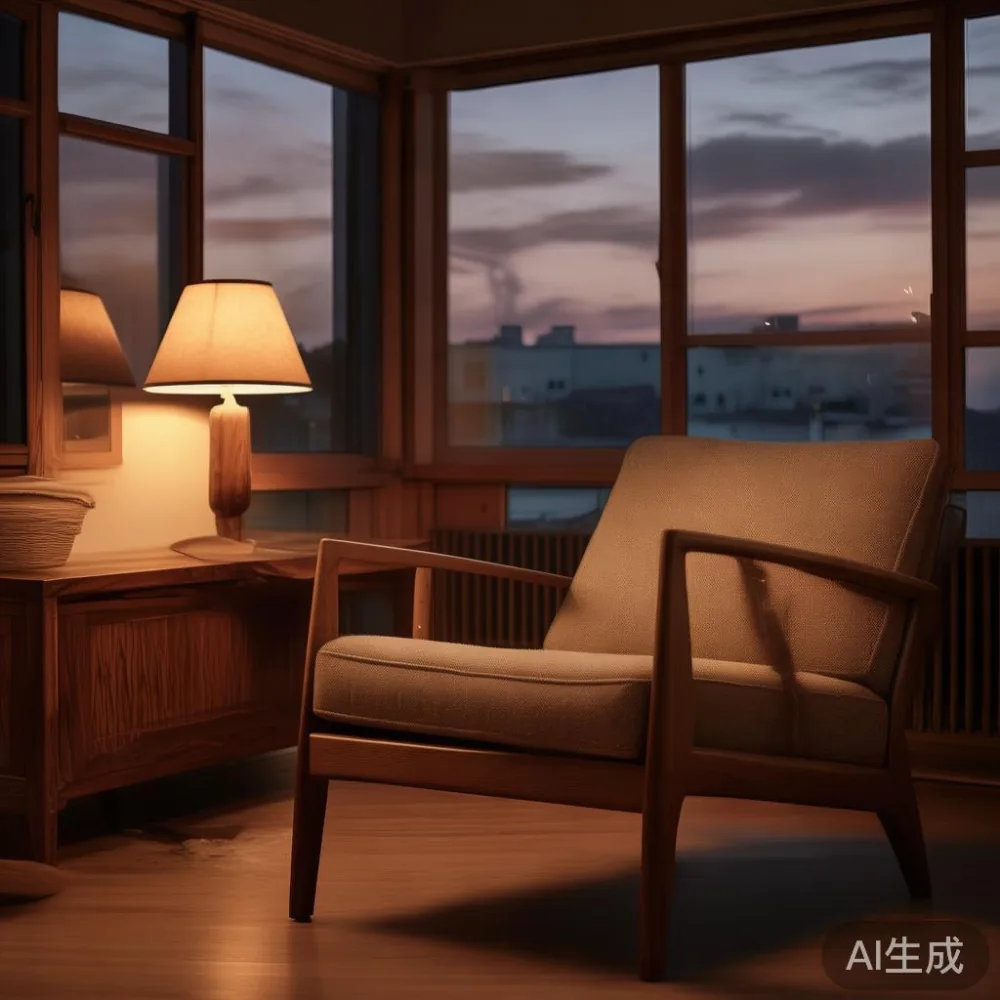
What "Warm Minimal" Actually Means in a Singapore Flat
Warm minimal is not beige-everywhere minimalism and it is not the raw concrete look. It is a softer register: plaster walls in a muted off-white, oak or ash timber, brushed brass hardware, and one or two pieces of marble table or stoneware that catch the afternoon light. In Singapore, where humidity stays above 75 percent for most of the year and afternoon sun is intense, I prefer solid wood over engineered veneer because the surface resists warping when the air-conditioner cuts out and the room spikes to 32 degrees. For buyers comparing the top 10 light luxury furniture makers shipping into Southeast Asia, the deciding factor is usually the wood moisture specification, not the marketing language. A safe target is 8 to 12 percent moisture content, kiln-dried and factory-sealed.
Colour discipline matters. Pick one warm white (Benjamin Moore OC-17 or a similar 9010 RAL), one mid-tone wood (natural oak, warm ash, or light walnut), and one metal finish (brushed brass or matte black). Anything beyond that starts to fight the layout. In a 4-room HDB living room of about 22 sq m, that restraint gives the eye somewhere to land, which is the entire point of warm minimalism.
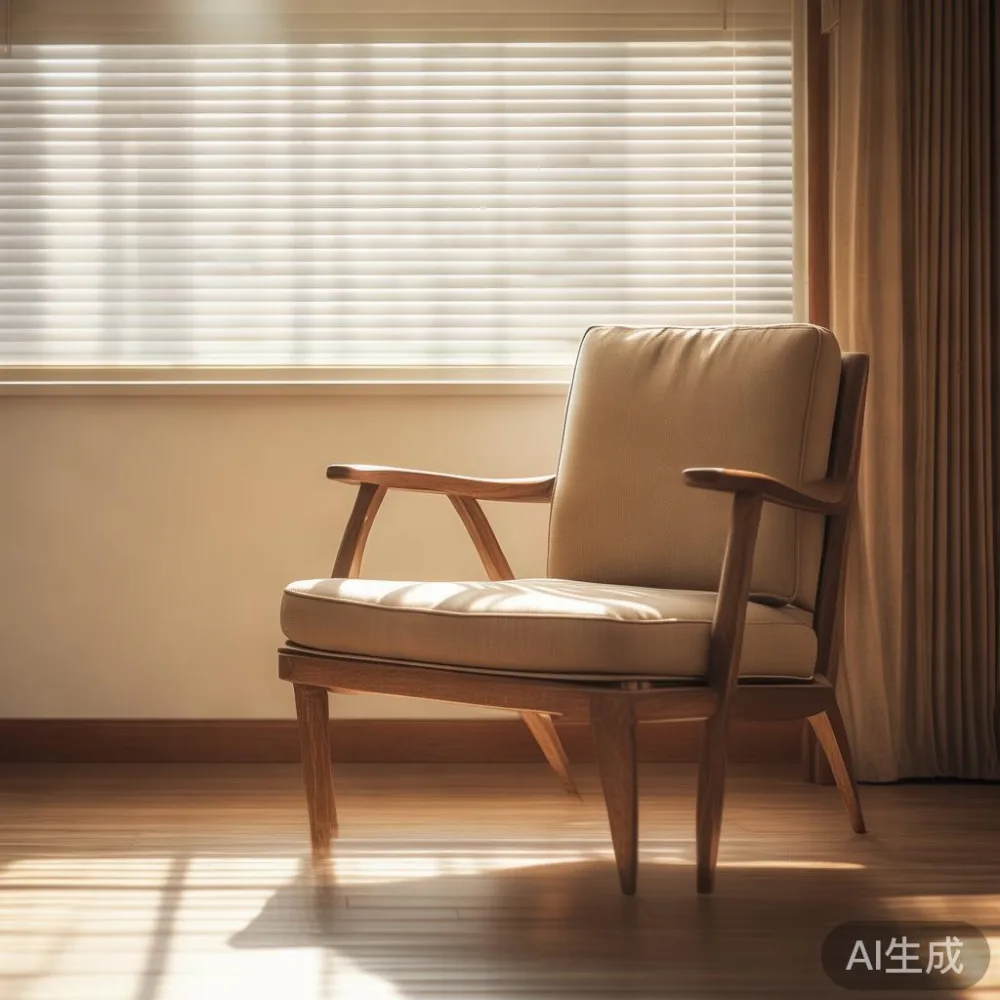
Will a Solid Wood Sofa, a Marble Table, and an Accent Chair Actually Fit Through My HDB Lift?
This is the question I get from nearly every buyer I meet in Bedok and Sengkang, so I want to address it up front. Standard HDB passenger lifts are roughly 1.6 m deep, 1.1 m wide, and 2.1 m high. Service lifts in newer condos can be 1.8 m deep and 1.5 m wide. A solid wood sofa with a three-seat length of 220 cm and a depth of 95 cm will not enter a passenger lift as one piece. It must arrive disassembled. Ask your supplier for a flat-pack carton height under 80 cm and a sofa leg that detaches with four bolts; that is the only configuration that clears the lift door and the corridor turning radius of roughly 1.5 m.
An accent chair with a 78 cm seat width and a 62 cm depth is much easier. Two of them ride up in any lift. A marble table at 90 cm diameter can be tight; ask whether the base detaches from the top. Most do, and a 90 cm round top usually clears the lift on its edge if the door is at least 80 cm wide. Corridors in HDB blocks are typically 1.2 m to 1.5 m, so plan a 90-degree turn with at least 30 cm of clearance on each side. Take measurements before ordering and add 10 cm of safety margin for packing.
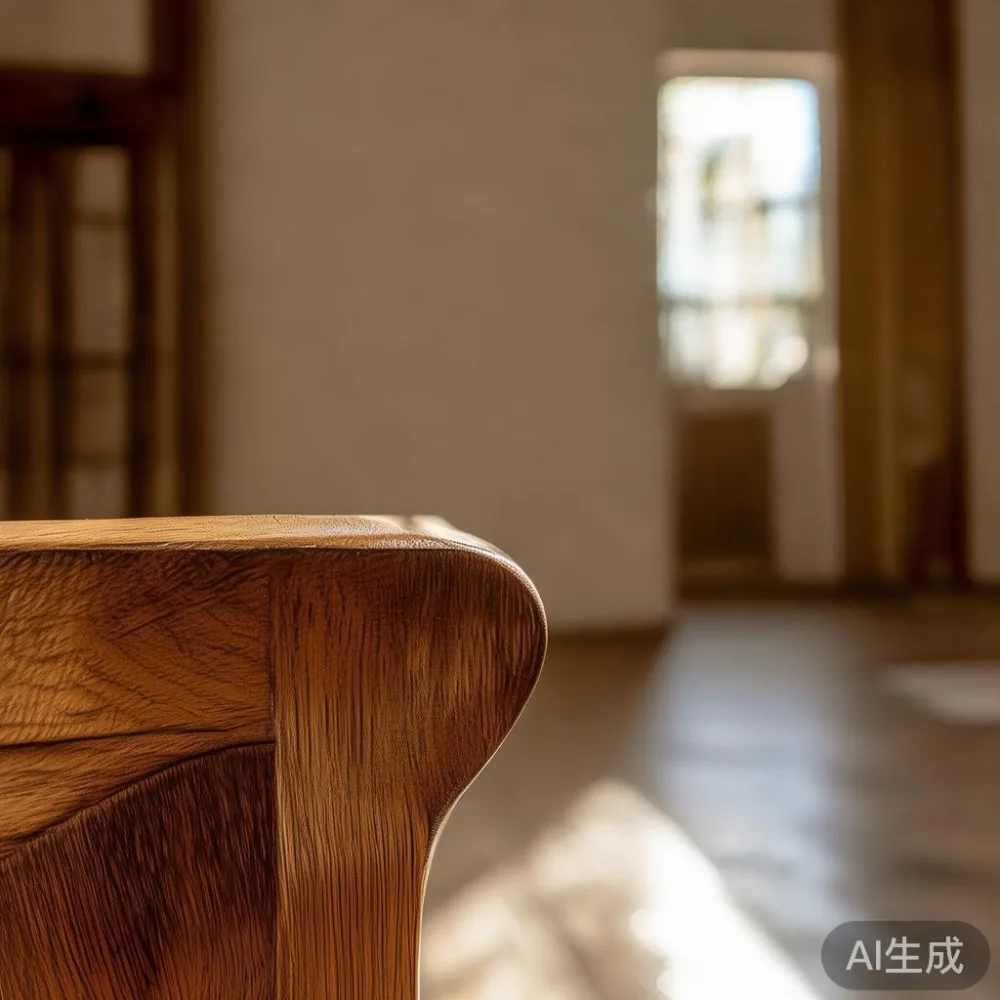
Which Wood Tone Works With Singapore's Afternoon Light?
I have tested four wood tones in my own Punggol BTO over six months: pale ash, natural oak, warm walnut, and smoked eucalyptus. Pale ash reads nearly white in a north-facing unit and almost yellow in a west-facing one, so I would skip it for a west-facing HDB in Jurong or Bukit Batok. Natural oak, around 2,200 to 2,800 on the NCS colour scale, behaves the most evenly across morning and afternoon light. Warm walnut absorbs the warm 2700K downlight beautifully at night and feels grounded under 4000K during the day. Smoked eucalyptus is dramatic but tends to swallow a small 4-room flat and reads dark under most LED temperatures.
For warm minimal, my pick is natural oak with a low-sheen hardwax-oil finish. The oil lets the grain breathe, ages well, and can be re-oiled every two to three years. A solid wood dining table in oak at 180 cm by 90 cm seats six comfortably, weighs about 48 kg, and survives a 5-person household at a price band of S$2,400 to S$3,600 for a kiln-dried top on a metal or solid wood base. MIDHILL supplies oak dining tables in that exact format with detachable legs, which is the reason their cartons clear the lift I mentioned earlier. Their bedroom line follows the same logic: oak bed frames in king (180 cm by 200 cm) and queen (150 cm by 200 cm), with side rails that bolt on in under 15 minutes, no specialist tools required.
How Do I Match an Accent Chair Without Breaking the Room?
An accent chair is the small piece that does the heavy lifting in warm minimal. It introduces the curve that the rest of the room avoids. In a 22 sq m living room, one accent chair opposite a 220 cm solid wood sofa is enough. Two accent chairs can work in a 30 sq m living-dining layout if the rug is at least 240 cm by 300 cm, so the chairs sit on the rug edge, not floating on tile.
The safest recipe is to keep the accent chair in the same wood family as the sofa frame and the dining table, and to introduce one contrasting textile. Boucle in cream, washed linen in oat, or a fine wool in mushroom grey are three textures that behave well in air-conditioned Singapore rooms. Avoid high-gloss leather on the accent chair if the room already has a marble table; two reflective surfaces fight each other. If you want leather, choose a matte full-grain in tobacco or chestnut, which is the colour family used in French light luxury schemes from the Maisons of the 7th arrondissement, where warm minimal has its roots.
Style reference: pair an oak accent chair with boucle upholstery next to a marble coffee table for a post-modern light luxury reading corner, or pair a slim walnut accent chair with a linen cushion next to an oak solid wood sofa for a quieter American light luxury register. Both work, both stay warm, both keep the room quiet.
Should the Bed Frame, Wardrobe, and Nightstand Match the Living Room?
Not exactly match, but read as the same family. In a 12 to 14 sq m HDB master bedroom, the bed frame is the visual anchor. A solid wood bed frame in oak at 180 cm by 200 cm with a 110 cm headboard and 8 cm legs leaves enough under-bed clearance for a robotic vacuum at 9.5 cm height, which most buyers in Singapore now own. The wardrobe in a warm minimal scheme should be floor-to-ceiling or at least 2.4 m tall with a finger-pull handle or a recessed brass channel, not a chrome knob. A flat-front oak wardrobe at 240 cm wide by 60 cm deep by 260 cm tall is the workhorse size; it fits along the longest wall in most 4-room HDB bedrooms and gives you roughly 2.5 cubic metres of hanging and shelf space.
The nightstand is the smallest piece and the easiest to fumble. Pick one that matches the bed frame's leg geometry, not its top. A round nightstand in brushed brass with an oak top reads as warm minimal without competing with the bed. If you are weighing whether a light luxury wardrobe is worth the spend over a flat-pack laminate, ask about the carcass thickness, the drawer runner rating (soft-close at 100,000 cycles is the benchmark), and whether the back panel is 9 mm or 18 mm. A 9 mm back is fine if the wardrobe is anchored to a concrete HDB wall, which is most master bedrooms.
For buyers comparing bedroom setups, a European light luxury bed frame at this size runs from about S$2,200 to S$3,800 for solid oak with a fabric or leather headboard, and a comparable American light luxury bed at 180 cm by 200 cm sits in the S$2,800 to S$4,400 band with thicker upholstery. The MIDHILL bed line at king and queen sizes, built with the same oak as their dining tables, lands somewhere in the middle of that range and ships with a 10-year structural warranty, which is generous for the category. Buyers researching how to choose European light luxury bed will see a few common markers: kiln-dried solid oak, mortise-and-tenon joinery at the side rail, and a slatted base with beech slats no more than 7 cm apart. If the bed ticks those three boxes, the price is justified.
How Do I Compare a European Light Luxury Bed Against a Mid-Century Modern Bed?
The European light luxury bed vs mid-century modern bed comparison comes down to proportion and silhouette. A mid-century bed in teak or walnut usually has a lower profile headboard, sometimes as low as 70 cm, and visible tapered legs. It reads lighter, sometimes too light for a warm minimal room that already feels air-conditioned and quiet. A European light luxury bed tends to carry a taller headboard, 100 to 120 cm, often upholstered in linen or fine wool, with a slimmer visible frame. The taller headboard anchors the wall and gives the warm minimal room its one moment of softness.
Materials matter as much as silhouette. Most European light luxury beds at this price point use solid oak or beech with a 5 to 7 percent moisture content, kiln-dried in the EU or in Guangdong factories with European-spec kilns. Mid-century modern reproductions from Southeast Asia sometimes use rubberwood, which is cheaper but dents more easily in Singapore's humidity swings. If you want a bed that holds its shape for 12 to 15 years, ask for the species and ask where it was dried.
If you are sketching how to style a light luxury bed in bedroom, keep the bedding tonal: white percale sheets, a stonewashed linen duvet in oat, and one textured throw in a deeper warm grey. The bed is the focal point, the wardrobe is the storage anchor, and the nightstand is the punctuation. Nothing else on that wall needs to compete.
What Is the Real Cost in Singapore Dollars, Including GST and Delivery?
Pricing in Singapore is rarely transparent, so here is a working budget for a 4-room HDB at 990 sq ft, fully furnished in warm minimal, using solid wood across the main pieces. All figures below include 9 percent GST and exclude any installation labour beyond what the supplier provides.
Solid wood sofa, three-seater at 220 cm, oak frame with linen or boucle upholstery: S$3,800 to S$5,200. Marble table, round 90 cm or rectangular 120 cm by 60 cm, sintered stone top on a metal base: S$1,400 to S$2,200. Accent chair, oak frame with boucle or linen, single piece: S$780 to S$1,400. Dining table, oak 180 cm by 90 cm, six-seater: S$2,400 to S$3,600. Dining chairs, four to six oak or beech with fabric seat: S$240 to S$420 each. Solid wood bed frame, king 180 cm by 200 cm with upholstered headboard: S$2,200 to S$3,800. Wardrobe, floor-to-ceiling 240 cm by 260 cm in oak: S$3,200 to S$5,400. Nightstand pair in oak or with a brass base: S$680 to S$1,200. A 240 cm by 300 cm wool or wool-blend rug: S$1,200 to S$2,400.
Add it up and a full warm minimal living-dining-bedroom package sits between S$14,000 and S$24,000 before any pieces you already own. Delivery from a Foshan supplier such as MIDHILL to Singapore runs roughly 25 to 40 days by sea, with doorstep delivery included above a spend threshold and a 14-day return window. Lift access, narrow corridor, and stair-only blocks are common in older Singapore flats, so confirm the delivery terms before paying.
Where Do Buyers Most Often Get the Warm Minimal Look Wrong?
I have visited enough friends' flats in Tampines, Bedok, and Toa Payoh to know the recurring mistakes. The first is mixing three or four wood tones in one room: a pine shelf, a teak dining table, a walnut TV console, and an oak sofa frame. The eye cannot settle. Pick one wood tone and let small accessories in another tone exist as accents, not as competing anchors.
The second mistake is oversizing the rug. A rug under a 220 cm sofa should be at least 240 cm wide, but if the rug runs wall-to-wall in a small HDB living room, it kills the warm minimal feel because there is no breathing space. Keep the rug inside the furniture group and let the tile edge remain visible by at least 20 cm on two sides.
The third mistake is using high-shine finishes on the solid wood sofa, the dining table, and the bed frame in the same room. One satin finish should be the brightest surface; everything else should be matte or hardwax-oil. The point of warm minimal is light absorption, not light reflection.
Which Sustainable Questions Should I Ask the Supplier Before Paying?
Ask four. First, what is the wood species and where was it kiln-dried; a supplier that cannot answer in two sentences is usually trading volume over accuracy. Second, what is the joinery on the bed frame and the dining table; mortise-and-tenon and dowelled corner blocks last longer than cam-lock MDF in humid climates. Third, what is the warranty structure; a 10-year structural warranty on a solid wood bed frame is a strong signal, and lifetime refinishing on a dining table is rarer. Fourth, what is the return policy in Singapore specifically, not the global default; a 14-day return on a S$3,000 dining table is the floor for a confident supplier.
MIDHILL, a Foshan maker that has shipped to more than fifteen countries since 2008, answers all four with printed documentation. That kind of paper trail matters when the dining table arrives with a cracked marble top or the bed frame shows a 3 mm gap at the side rail. Warm minimal is a long-term project, not a weekend mood board, and the supplier you pick should expect to hear from you in year three and year eight, not just at checkout.