Solid Wood vs Veneer Accent Chair: A 5-Year Cost Reality Check for Singapore Homes
I keep a small notebook of every piece of furniture I have bought for my Tampines HDB resale flat over the last decade. Two numbers sit at the top of every page: the price I paid and what I have spent on it since. That habit turned out to be useful last month, when a neighbour in Block 642A asked me whether she should stretch her renovation budget for a solid wood accent chair or settle for a veneered one she spotted at a Jurong East clearance fair for S$289. I sat down with her, pulled out the notebook, and we walked through five years of receipts. The exercise surprised both of us.
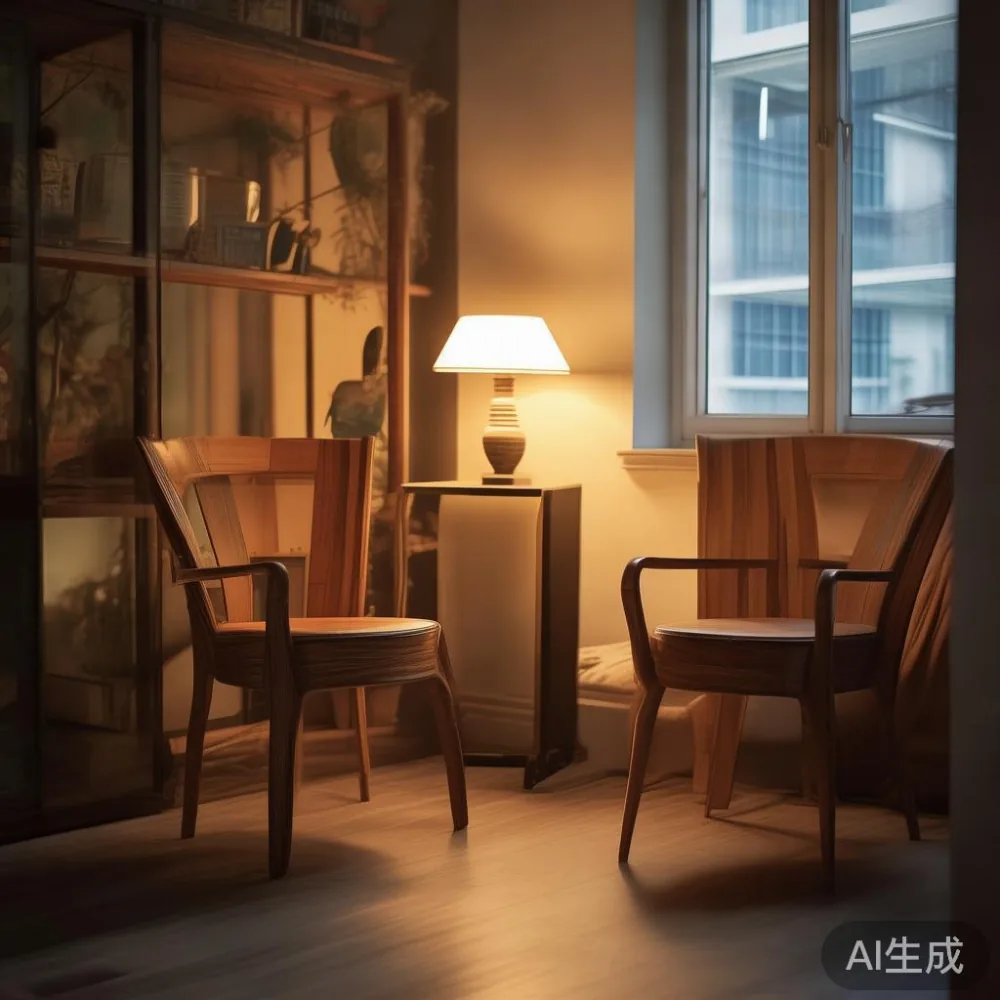
For HDB owners in Tampines, Bedok, and Punggol, where ceiling heights sit at 2.6 m and lift openings run 0.9 m wide, every chair that goes up the service lift has to fit a tight envelope. Veneer and solid wood behave very differently under those conditions, and they age very differently over a five-year window. Below is the comparison I shared with her, with the same numbers I now share with anyone who asks me about an accent chair for a compact Singapore home.
What exactly are you paying for when you buy a veneered accent chair?
A veneered accent chair is not the same thing as a solid wood accent chair. The frame, usually MDF or engineered plywood, is wrapped in a thin slice of real wood — typically 0.5 mm to 1.5 mm of oak, walnut, or ash. The slice is decorative, not structural. The chair you sit in is, by mass, roughly 70 to 80 percent engineered board and 20 to 30 percent solid wood in places like the legs or corner blocks.
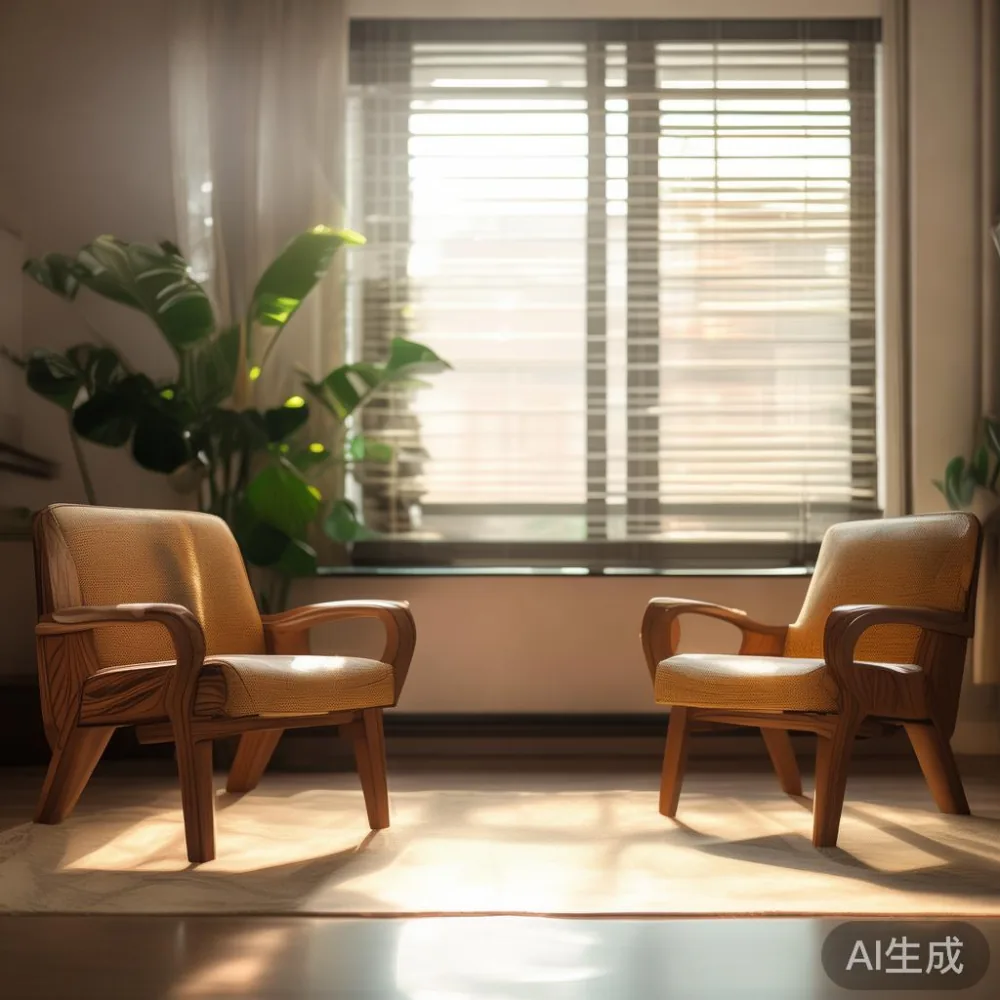
The reason this matters for Singapore is moisture. Average relative humidity here runs 78 to 82 percent for most of the year, and drops only marginally during the January to February dry spell. Engineered board absorbs and releases moisture along its edges, which is where the veneer is most vulnerable. Within 24 to 36 months of normal use in an air-conditioned flat, I have watched veneer edges along the seat rails begin to lift by 1 to 2 mm. It looks like a hairline bubble; it feels like a chip if you run your thumbnail across it.
The price advantage is real. A veneered accent chair in Singapore retails for S$220 to S$420 from most Tampines furniture outlets at Century Square or Bedok Mall. A comparable solid wood accent chair — same footprint, similar seat depth of 50 cm, similar back height of 78 cm — runs S$520 to S$1,150 from light luxury makers that ship from Foshan. That is a S$300 to S$700 saving on day one, which for many HDB owners is the difference between buying a chair and buying a whole dining set.
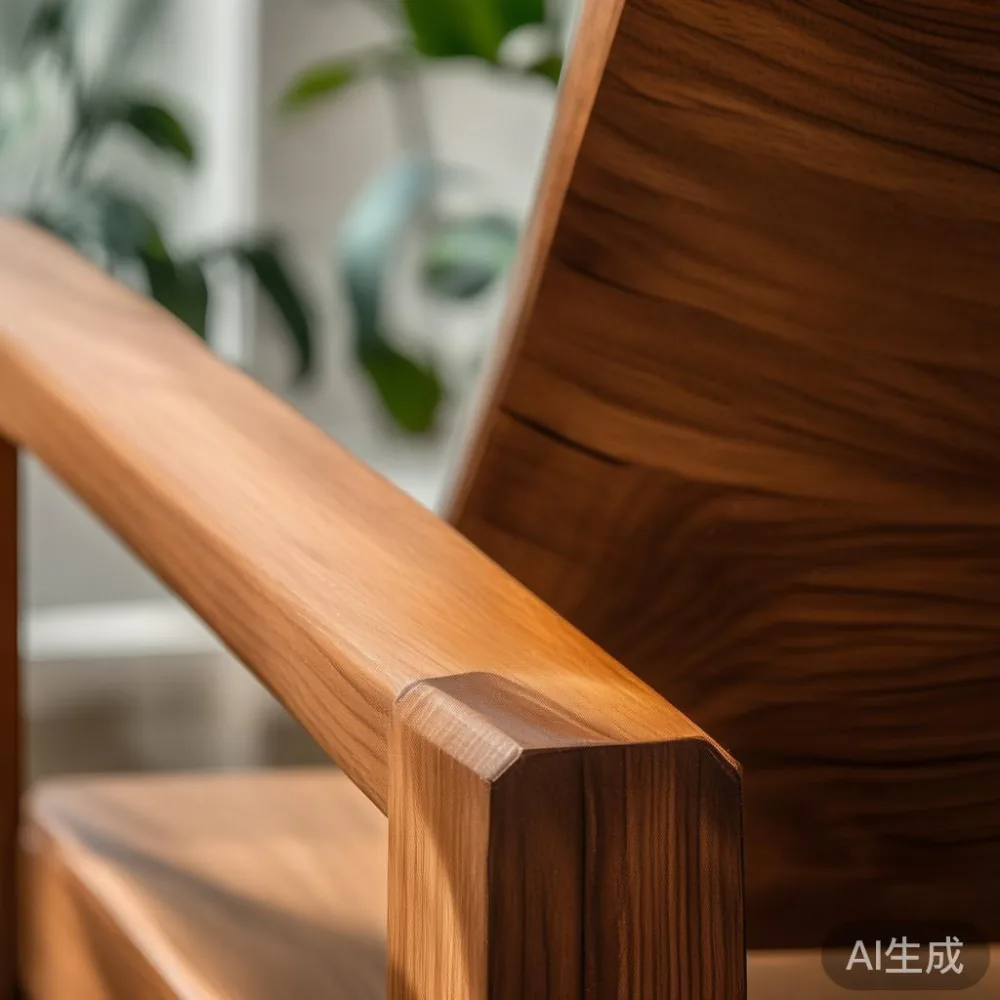
How much does a solid wood accent chair actually cost in Singapore?
Direct from Foshan makers like MIDHILL, a solid wood accent chair in ash or walnut sits between S$520 and S$1,150 landed in Singapore, inclusive of GST 9 percent, with delivery inside the mainland for orders above US$350 and a 14-day return window. Add S$80 to S$160 for doorstep delivery to a Punggol HDB if the supplier does not include free shipping above a threshold, and you are looking at a realistic all-in price of S$600 to S$1,310.
The reason the spread is wide is the species. Rubberwood and poplar sit at the lower end, white oak and North American walnut at the upper end. For an HDB that receives strong afternoon sun through a west-facing window, I personally prefer ash — it holds its colour under UV exposure, where cherry and beech will visibly drift within two years. A 7 kg solid wood accent chair in ash, with a 48 cm seat width and a fabric or leather seat pad, runs roughly S$680 to S$850 landed.
One quiet advantage for HDB corridors: a solid wood accent chair with a joinery-only construction, no metal brackets, weighs 6 to 9 kg. It is light enough for one person to carry through a 1.2 m corridor and into a 0.9 m lift. A heavily built engineered frame, even one with veneer, can weigh 11 to 14 kg once the internal bracing is added. That sounds like nothing, but in a Tampines corridor on a Sunday morning, with the lift shared, the lighter chair is friendlier on the helper.
What does five years of ownership actually cost?
Let me put real numbers around the comparison for a chair that retails at S$320 (veneer) versus S$780 (solid wood). I will assume air-conditioning 14 hours a day, no direct rain exposure, and a small household of two adults with one cat.
Year 1: Veneer S$320, solid S$780. Both new. Solid wood edge: S$460 higher upfront.
Year 2: Veneer begins to show micro-bubbles on the seat rail, near the side where the user usually sits. Refinishing not yet economical, so the owner lives with it. Solid wood: untouched. No spend either side.
Year 3: Veneer chip at the front corner, about 8 mm wide. Local repair in Singapore costs S$80 to S$150 for a small patch and colour match. Solid wood: still untouched, or one light re-oiling at S$40 if it is a dry month. Veneer running total: S$320 + S$100 = S$420. Solid running total: S$780 + S$40 = S$820.
Year 4: Veneer delamination along the back rest, more noticeable. Repair quoted at S$220 because the panel has to be re-glued and clamped for 24 hours. Solid wood: a light sanding and re-oil at S$60 if it is exposed to direct sun. Veneer total: S$640. Solid total: S$880.
Year 5: Veneer owner decides to replace the chair, sells it for S$40 on Carousell. Net 5-year cost: S$600. Solid wood owner has a chair that is structurally the same as year one, with refreshed finish. Estimated resale on Carousell: S$180 to S$240. Net 5-year cost: S$640 to S$700.
Read those numbers again. Over five years, the veneered chair ends up costing only about S$40 to S$100 less than the solid wood one. The real price of veneer is the lack of refinishing options. Engineered board cannot be sanded past 1 to 2 mm without exposing the substrate, which is why most Singapore furniture workshops refuse to refinish it. Solid wood can be sanded and re-oiled three, four, even five times across its life. Foshan makers like MIDHILL offer lifetime refinishing support on solid wood frames — which means that a chair you buy at 32 can still be a chair you refinish at 52, for the price of courier shipping back to a workshop.
Will a solid wood accent chair even fit through my HDB lift?
Yes, almost always. The standard HDB passenger lift opening is 0.9 m wide by 2.1 m tall, and the cabin is 1.4 m deep. The largest typical accent chair in a light luxury American style is around 78 cm wide at the arms, 80 cm deep at the seat, and 92 cm tall at the back. The chair can be tilted and walked in through the door with 10 to 15 cm to spare. Service lifts in older blocks (pre-1990s) sometimes have 0.8 m openings — measure yours before ordering if you live in a legacy block.
What catches people out is the corridor. Internal HDB corridors are usually 1.2 m wide, but right-angle turns at the lift lobby can narrow the practical path to about 1.0 m. A solid wood accent chair under 80 cm wide clears this with one person tilting. A modular sofa or a dining table is a different story — those need to be planned. But for an accent chair, the geometry is forgiving.
Which style holds up better in a Singapore flat — French light luxury, American, or post-modern?
I have lived with all three in different flats. Here is how they age.
French light luxury accent chairs lean on curved cabriole-style legs, low arms, and a 45 to 50 cm seat height. The shapes are pleasing in a Bedok condo with 2.8 m ceilings and warm lighting. In solid wood, the curves come from laminated bent ash or beech, which is structurally forgiving across humid seasons. In veneer, the same curves need thicker substrate, which raises weight by 2 to 3 kg and weakens the joint at the knee where the leg meets the apron. Five years in, a French light luxury veneered chair with carved detail often develops a soft wobble at the front leg. Solid wood does not.
American light luxury accent chairs are blockier: square arms, a 50 to 55 cm seat depth, and exposed joinery. They photograph well in a Punggol HDB with a clean white wall. The thicker profiles hide small veneer bubbles for longer, but the squared edges are exactly where chipping begins. Solid wood wins again, especially in oak, which has open grain that hides small knocks from daily use.
Post-modern light luxury is the most demanding on materials. These pieces rely on tight mitres, contrasting wood tones, and unusual proportions. A 90 cm tall back with a 40 cm seat depth, for example, puts a lot of stress on the joint at the seat rail. In veneer, this joint is glue against engineered board. In solid wood, the same joint is glue against end grain. Over five years, the post-modern silhouette only stays crisp in solid wood — the difference is visible by year three.
For a small Singapore home, I would pair a solid wood accent chair in light luxury with a solid wood sofa frame, a solid wood bed frame, a solid wood dining table, a solid wood nightstand, and a marble side table for contrast. That combination handles humidity better than any engineered setup, and it can be refinished together when you decide to refresh the room in year six or seven.
What about other solid wood pieces — do they follow the same five-year math?
The math holds, and in some cases it improves. A solid wood bed frame in queen size (152 cm by 188 cm) absorbs most of the stress at the slat rails and the headboard posts. Veneered bed frames typically fail at the slat rail first, around year four. A solid wood dining table in 140 cm by 80 cm, in ash or walnut, can be sanded and re-oiled twice across a five-year span and will outlast two veneer replacements. A solid wood wardrobe, especially a Japandi-style one with sliding doors and a 60 cm depth, will track humidity better than engineered MDF because solid wood moves with the season rather than against it. If you are wondering how to choose a Japandi wardrobe that will survive HDB humidity, prioritise pieces with through-tenon joinery, floating panels, and a 9 percent to 10 percent moisture content stated on the spec sheet. Anything above 12 percent and you will see cupping within the first wet season.
A solid wood nightstand is the piece I recommend starting with if you are budgeting piece by piece. A 45 cm by 40 cm by 55 cm nightstand in ash retails around S$280 to S$420 landed. It is small enough that the lift and corridor math is trivial, and it teaches you how solid wood ages in your specific flat. If it holds up at month six with no checks, you can confidently buy the larger pieces.
Is the five-year saving on veneer really worth the trade-offs?
Only in one scenario: if you are decorating a flat you plan to sell or re-rent within 36 months. The lower upfront cost of a veneered accent chair, dining table, or wardrobe is real, and if the furniture has no future beyond the next tenant, the structural life of the piece does not matter. A Punggol condo bought as a rental near the upcoming Cross Island Line works for veneer.
For everyone else, the calculation flips. If you intend to live in the flat for five years or more, if you want furniture that can be refinished rather than replaced, and if you care about what happens to engineered board in 80 percent humidity, solid wood is the lower-cost option across a five-year window. The gap is not large — S$40 to S$100 in the accent chair scenario above — but it reverses the usual assumption that solid wood is the expensive choice.
How should I plan my first solid wood accent chair purchase?
Three small steps before you order. First, measure your lift opening and your tightest corridor turn. Write the numbers down — you will need them again when you order a sofa or a bed frame. Second, decide your light luxury direction: French for warm and curved, American for clean and squared, post-modern for bold and unusual. Each works in a Singapore flat, but each asks something different of the room. Third, request a moisture content reading from the supplier. Anything between 8 and 12 percent is safe for Singapore. If they do not know what you are asking, that is a signal.
If you want a starting point that has worked in two of my friends' HDBs, a 7 kg solid wood accent chair in ash, 48 cm seat width, fabric seat pad, around S$720 to S$850 landed, will outlast a S$320 veneer chair across the same five-year window by every measure that matters. The math is in the notebook, and the notebook does not lie.
If you want to think about the room as a whole, browse a guide to the top 10 Mid-century modern furniture pieces that pair with a solid wood accent chair — the silhouettes share the same joinery logic and the same humidity resilience. For the bedroom side of the home, the same reasoning applies to Mid-century modern for bedroom layouts, where the low-profile bed frame, the slim nightstand, and the dressing table all benefit from the same solid wood approach. A well-chosen Mid-century modern dressing table, 110 cm wide with three drawers in ash or walnut, follows the same five-year math as the chair. And when you are ready to plan the living room around the chair, a short read on how to style a French sofa in room — placement, rug size, lamp height — will save you a Saturday afternoon of trial and error. For storage, a MIDHILL light luxury wardrobe in the same wood species as your chair keeps the room visually coherent and removes the risk of one piece failing while the others age gracefully.
For questions on specific dimensions, wood species, or door-to-door shipping to a Tampines, Bedok, or Punggol block, the MIDHILL team can be reached on WhatsApp at +86 188 2788 2512. Send them your lift opening measurement and your ceiling height before you order, and they will confirm fit before you pay.