How Southeast Asian Humidity Affects Solid Wood Accent Chairs in Singapore
Singapore’s tropical climate can change the dimensions, joints, and surface finish of solid wood furniture. For an accent chair beside a living-room window, in a Tampines HDB flat, or near the balcony doors of a Punggol condo, humidity is not an abstract indoor detail: it is a physical force acting every day on timber. The average relative humidity in Singapore often ranges from about 60% to 85%, while air-conditioning may pull a room down to 40% to 55%. Repeated movement between those levels can make wood swell, shrink, cup, or check, even when the chair was made with careful workmanship.
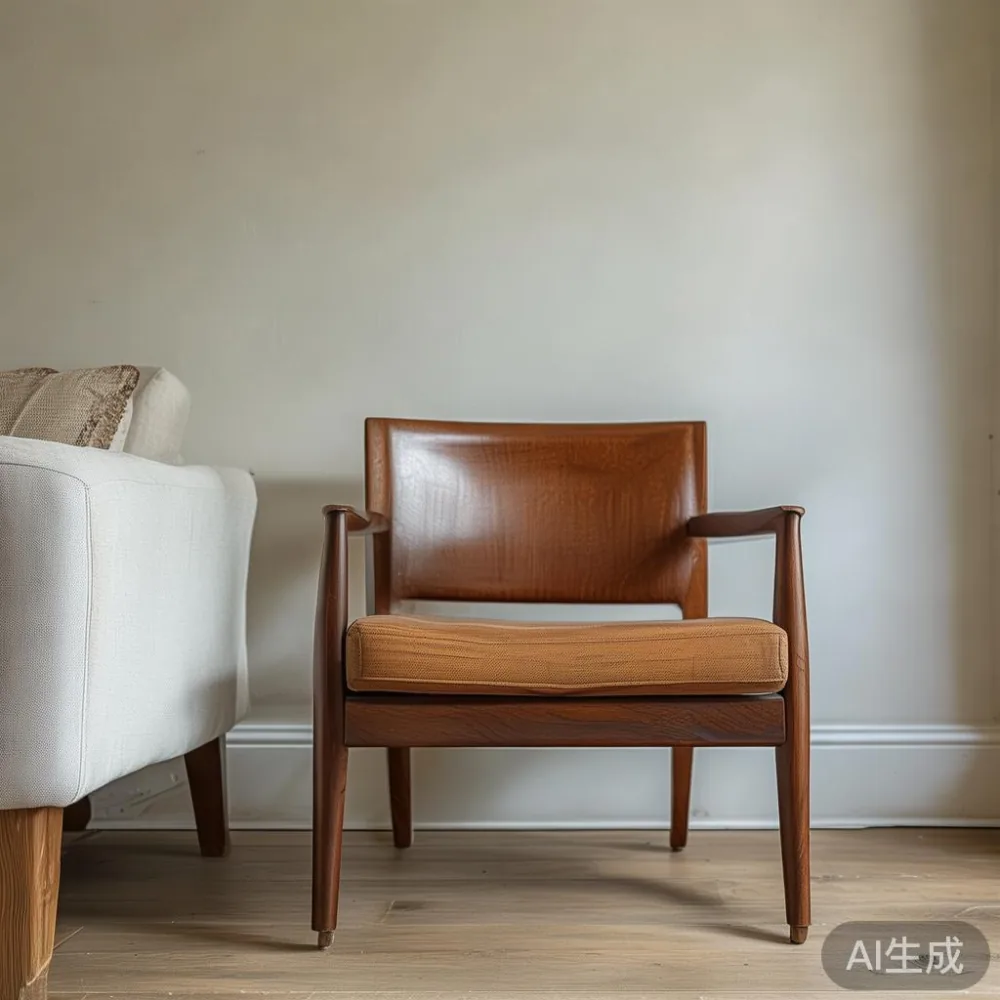
At MIDHILL, we design solid wood furniture for real homes rather than display rooms. Our background since 2008, including export experience across more than 15 countries, has shown us that tropical buyers need practical humidity control, sensible product care, and finishes that tolerate changing moisture conditions. The same care should be given to a solid wood sofa frame, bed frame, dining table, wardrobe, nightstand, or marble table, although stone and wood respond differently.
This guide focuses on accent chairs and the solid-wood pieces directly connected with them. Its aim is to explain what humidity does, what Singapore residents can realistically manage, and how to preserve French light luxury or American light luxury character without treating a dining chair like a museum object.
How much does humidity affect a solid wood accent chair?
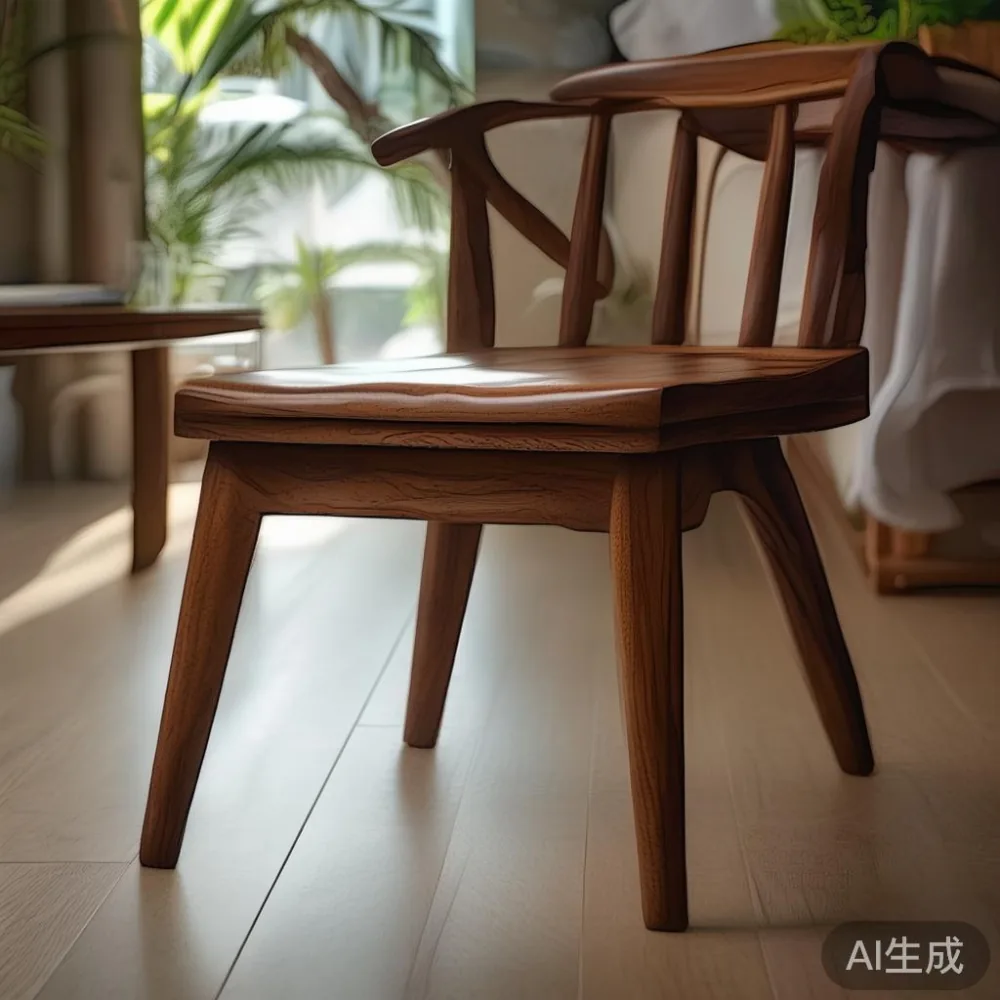
Wood is hygroscopic: it exchanges moisture with the surrounding air. Its movement is not mainly a flaw but a normal material response. A solid hardwood seat can expand by roughly 1% to 3% across its width when its moisture content changes substantially, while movement along the grain is much smaller. That uneven response can stress glue lines, loosen joints, and create small surface checks if the chair is repeatedly exposed to wet heat or aggressive drying.
The most common Singapore example is an accent chair positioned only 20 cm from an open window during a monsoon shower. Outdoor air may enter at 85% relative humidity, then the air conditioner cools and dries the room to 45%. Over a single day, the chair may move through several moisture cycles. A chair stored near a bathroom doorway or on a damp balcony landing faces a similar issue. Mould may also affect the chair if its fabric remains wet, although the timber itself can develop a musty smell and finish haze.
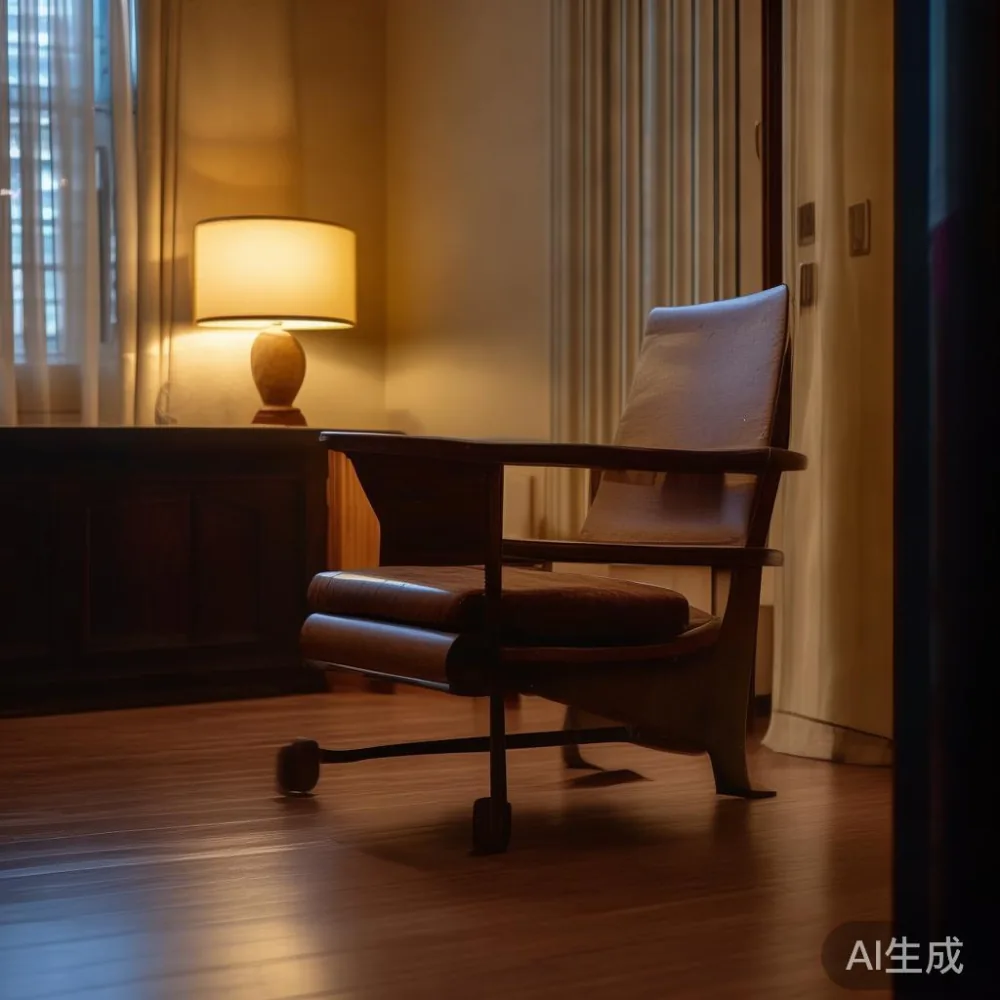
By contrast, a chair kept away from direct sun, windows, wet laundry, and exterior walls has a more stable environment. Air-conditioning alone is not enough if a door remains open or a dehumidifier runs intermittently. Useful readings taken with an inexpensive hygrometer can provide a simple baseline for the room.
What relative humidity level should Singapore homes use?
For solid wood furniture, a relative humidity reading of about 45% to 60% is a practical target. Short periods above 60% are usually less troublesome than frequent swings of 25 percentage points or more. Below 35%, wood can lose moisture and develop stress marks, especially in rooms served by very dry air-conditioning for long periods.
A small home does not need laboratory instruments. A digital hygrometer costing about SGD 12 to SGD 30 can be placed beside the accent chair for a week. Record readings at 8 a.m., 2 p.m., and 10 p.m., then note whether the chair sits beside a window, near an air-conditioner vent, or close to a bathroom. If readings regularly reach 75% or more, improve airflow before adding another machine.
Useful corrections include using a bathroom exhaust fan, closing balcony doors during heavy rain, drying laundry outside or in a ventilated laundry room, and separating furniture from exterior walls by at least 10 cm. Where several rooms stay above 65%, a dehumidifier can help. Electricity use matters: a typical household model may consume around 200 W to 400 W, or roughly 1.4 kWh to 2.8 kWh during 7 hours of operation. One person using 0.23 SGD per kWh would pay about SGD 0.32 to SGD 0.64 per night, before comparing the model’s actual wattage.
Does Singapore’s temperature make condensation worse?
Yes. Warm humid air holds more moisture than cooler air. An air conditioner removes water through condensation, but if a window or door is open, warm outdoor air continually replenishes it. This is why an accent chair can feel fine in one part of a HDB flat and behave differently after the resident returns from the office with the dehumidifier turned off.
Place a solid wood accent chair at least 60 cm from a cold air-conditioning vent where possible. Direct airflow can lower the chair’s surface temperature and encourage uneven drying. For a compact living room, that may mean turning the vent away, applying a simple foam deflector, or placing the chair beside rather than under the airflow. Leave another 20 cm to 30 cm below the seat and behind the back so air can circulate.
Rapid kitchen cooking creates another moisture source. An extractor hood that captures steam at the cooking surface is more effective than relying on a window behind the dining area. This matters when an accent chair forms part of a dining setting with a solid wood dining table. During service, the wood surface should not receive hot plates, damp cloths, or sealed drink bottles.
Which finishes and wood species are easier to live with?
A factory-applied hardwax oil or compatible water-based coating can slow moisture exchange, but no finish makes timber weatherproof. Sand lightly between coats and use the coating specified by the manufacturer. Two thin applications are generally preferable to one heavy coat, yet excess buildup can make small repairs harder.
Teak and other stable exterior-capable species are forgiving for a solid wood accent chair, while oak, ash, and beech show grain movement more clearly. Stability varies by product, cutting method, and kiln drying, so the species name alone does not guarantee resistance. Solid pieces cut and dried responsibly also perform better than poorly stabilized panels. MDF and plywood may move less in some directions, but they do not provide the same visible solid-wood repairability.
Finish colour can offer clues during humid conditions. White oak or pale beech may show a brown moisture mark after a wet glass is left on the seat for 30 minutes. Dark finishes can reveal haze, while open pores may raise more readily. French light luxury styling often uses pale upholstery and slim timber lines, making careful coasters and prompt wiping particularly important. American light luxury typically places broader upholstered forms around a table, so the wood base still needs a stable indoor environment.
Should I buy a French provincial or Italian sofa for humid weather?
Comparisons such as French sofa vs Italian light luxury sofa often begin with shape, upholstery, and detailing rather than climate. In Singapore, the frame material and moisture exposure should guide the decision as well. A solid wood sofa or solid wood bed frame needs controlled humidity just like an accent chair, while upholstered cushions can trap moisture and develop mildew if ventilation is poor.
For apartment layouts, shoppers comparing European light luxury sofa vs Modern sofa should measure the room before choosing an oversized model. A common HDB living room may be only about 280 cm wide, while the lift, corridor, and turning radius can restrict the package. Request the assembled dimensions, not just the product photograph. A sofa width of 220 cm may use most of a 280 cm wall and leave no practical passage for daily movement.
For style planning, how to style European light luxury sofa in apartment is partly a spacing exercise. Balance the sofa with one substantial accent chair rather than filling every wall. For a different storage question, how to style Japandi wardrobe in apartment depends on wall moisture and clearances: keep the wardrobe at least 5 cm from a wet bathroom wall and allow hinged doors to open fully.
How long should a humidified furniture adjustment take?
A stable indoor chair should acclimatize gradually over 7 days to 14 days after delivery. Do not assume that a surface is dry because it feels dry to the hand. A hygrometer placed beside the chair can confirm whether the surrounding air has settled into a reasonable range. During this period, leave space around the chair and avoid moving it repeatedly across the floor.
If a chair has already warped, do not wet the timber, press hard on it, or apply an improvised silicone layer. Very small checks may remain acceptable if the chair is structurally sound, while swollen joints or cracked legs require inspection. A useful rule is to isolate the chair, photograph the affected area, and contact the maker with moisture readings and room conditions.
MIDHILL supports a 10-year structural warranty, with warranty terms checked at purchase. Humidity misuse can affect related finish or joinery coverage, so retain the receipt and follow the supplied care guidance. Lifetime refinishing also requires sensible maintenance rather than exposure to wet weather.
What does a lift-friendly delivery mean for your furniture?
Compact dimensions matter because Singapore’s final metres can be harder than the road journey. Older HDB lift openings may be around 90 cm to 100 cm, while a larger condo lift may accommodate a wider box but still impose weight and turning restrictions. A framed solid wood accent chair may weigh 8 kg to 18 kg depending on its construction. Measure both the lift car and the door or corridor turn before ordering a wider solid wood sofa frame, dining table, wardrobe, nightstand, or marble table.
Delivery timing should allow for weekends, access permits, and lift reservation in busy estates such as Bedok or Tampines. A realistic island-wide service window is often 5 to 10 working days after confirmation, although the supplier must confirm the date and any access charge. Punggol collection may involve a different parking or loading arrangement from a central pickup point.
Compare delivered pricing, including GST where applicable, rather than relying on a product price alone. A Singapore retail purchase shown without a GST indication is not a complete landed comparison. MIDHILL offers free shipping over US$350, although this is stated in US dollars for the stated offer and should be confirmed for the exact destination, conversion date, and Singapore order terms. Returns are accepted within 14 days under the applicable policy. A listing using the phrase for sale Modern light luxury furniture should still show clear dimensions, finish, timber type, and care notes.
How should I care for one accent chair every week?
Begin by placing a hygrometer near the chair for 7 days. Wipe the wood with a soft cloth dampened with plain water, using no more than a few drops on a 30 cm square area of cloth. Dry it immediately. Clean weekly during humid periods, and avoid silicone sprays, furniture polish with silicone, alcohol, ammonia, and household degreasers unless the finish supplier confirms compatibility.
Use felt pads under the legs and lift rather than drag the chair across tile. Check the four fixing points every 3 months, using a hand-tight adjustment unless the manufacturer specifies torque. For upholstered seats, remove cushions when practical and allow 20 to 30 minutes of airflow after cleaning. Steam cleaning can drive moisture into foam and timber, so vacuum upholstery instead and follow its care label.
Keep drinks on trays or coasters. A marble table may tolerate heat differently from wood, but its base and adjoining accent chair still need protection. For a French provincial coffee table, protect vulnerable edges from damp crockery and avoid placing the table directly against an exterior wall. Online searches for French provincial coffee table often focus on finish and proportions, yet the local contact surface and humidity exposure deserve attention too.
What real examples reveal about moisture movement?
Last month I visited a three-room HDB flat in Tampines to inspect a solid wood dining setup. The resident had placed an accent chair against the common corridor wall and stored its fabric seat near a laundry rack. The room measured 67% relative humidity at 8 p.m., and a hygrometer beside the chair reached 79% during a rain shower. After the family moved the laundry rack, closed the balcony door, and ran the exhaust fan for 30 minutes, the chair’s overnight reading stayed near 63%. The table felt dry and the joint remained tight.
The practical lesson was not to blame the finish. Moisture had entered from the laundry area faster than the room could recover. A colleague in a nearby Bedok condo encountered a different case: a pale accent chair had a dark ring after a glass was left on it for about 40 minutes. Blotting and gentle wiping removed the ring, while leaving the glass in place overnight could have forced moisture deeper into the finish.
These cases show why small habits matter. Check readings, maintain separation from damp rooms, and ask about the exact care method before treating a mark. Furniture should accommodate everyday Southeast Asian conditions without sacrificing refinement.
Which questions should a buyer ask before ordering?
Ask whether the solid wood was kiln dried and stabilized, which finish was applied, how moisture movement is covered, and what dimensions include the packaging. Confirm whether the item is an accent chair, a sofa, a dining table, a wardrobe, a nightstand, or a marble table, because related products can require different delivery and care arrangements.
Ask for a written 10-year structural warranty explanation and the process for lifetime refinishing. Confirm the 14-day return conditions and whether a custom finish affects return eligibility. A supplier established in 2008 with exports to more than 15 countries can offer useful experience, but warranty language and delivery scope must still be verified for Singapore.
For the final measurement, photograph the lift, note the narrowest corridor in centimetres, and check the package’s longest side in centimetres. Budget in SGD, verify GST, and allow 5 to 10 working days unless the delivery quote states otherwise. In a climate where humidity can range from 45% to 85%, attention to moisture is a normal part of keeping an accent chair sound, comfortable, and visually at home.