Veneer or Solid Wood? A 5-Year Cost Comparison for Singapore Homes
Choosing an accent chair for a Tampines HDB flat, a Bedok condo, or a compact Punggol home often comes down to two familiar materials: veneer and solid wood. The sticker prices can suggest that veneer is the sensible choice, while solid wood appears to be the premium option. Over a 5-year period, however, appearance, maintenance, repairs, and resale value can change the arithmetic.
This comparison uses SGD figures for furniture physically sold and delivered in Singapore. I include the goods and services tax of 9% where relevant, but exclude repair labour after the first year and disposal fees. Delivery distances are representative rather than quotations. For lift and corridor planning, I assume a typical HDB lift opening of 90 cm by 140 cm and a condo lift opening of 110 cm by 210 cm.
What is the real 5-year difference between veneer and solid wood?
The real difference is not simply “wood versus fake wood.” Veneer consists of a thin layer of real timber, usually about 0.6 mm to 1.2 mm, bonded to a stable engineered base. A 45 cm-wide solid wood accent chair seat may use solid timber across the visible surface, although hidden structural components can still include plywood, metal springs, webbing, foam, and fabric.
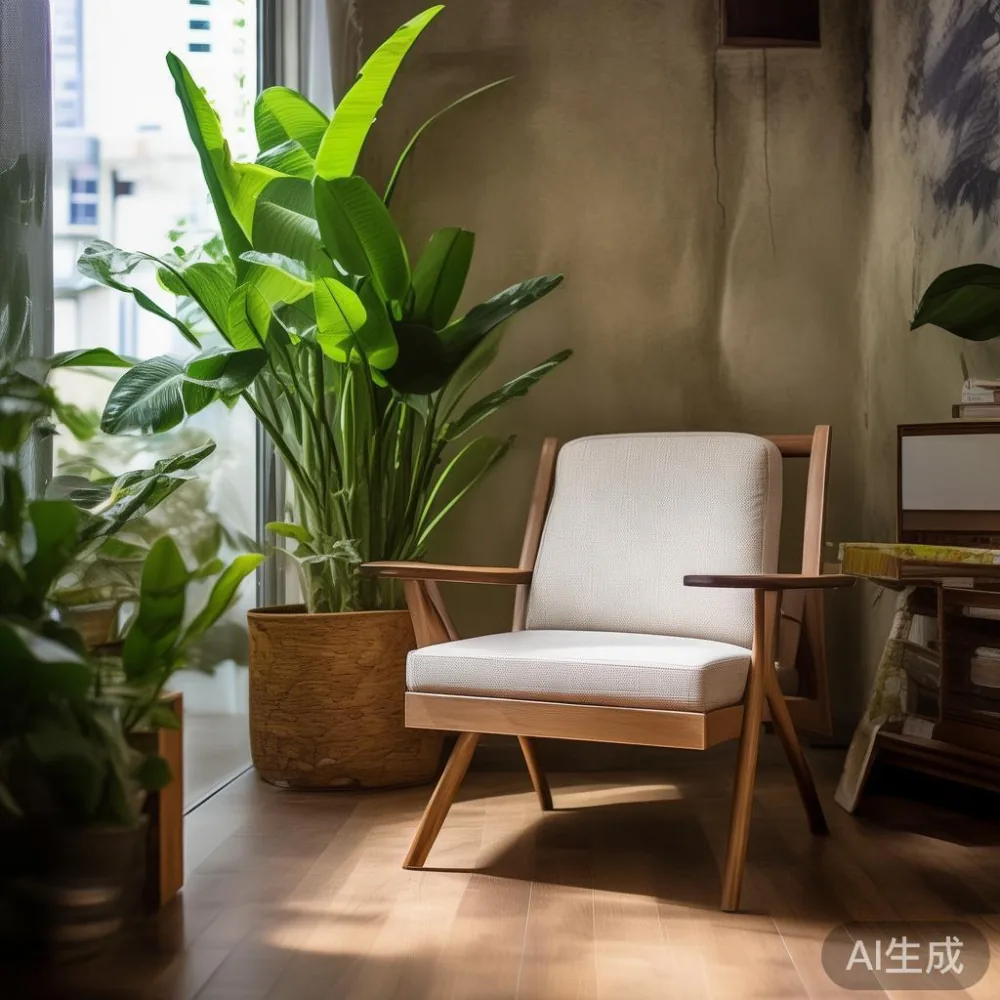
For a fair comparison, consider 2 accent chairs priced before GST:
- Veneer accent chair: SGD 420 each, or SGD 840 for 2, plus SGD 75.60 GST.
- Solid wood accent chair: SGD 680 each, or SGD 1,360 for 2, plus SGD 122.40 GST.
- Initial delivery within 20 km of central Singapore: SGD 45 for the veneer pair and SGD 55 for the solid wood pair.
The veneer pair begins at SGD 960.60 delivered. The solid wood pair begins at SGD 1,537.40. That puts the initial solid wood premium at SGD 576.80, or 60.0% of the veneer total. Whether that premium is justified depends heavily on the chair’s construction, not just the words printed on the sales page.
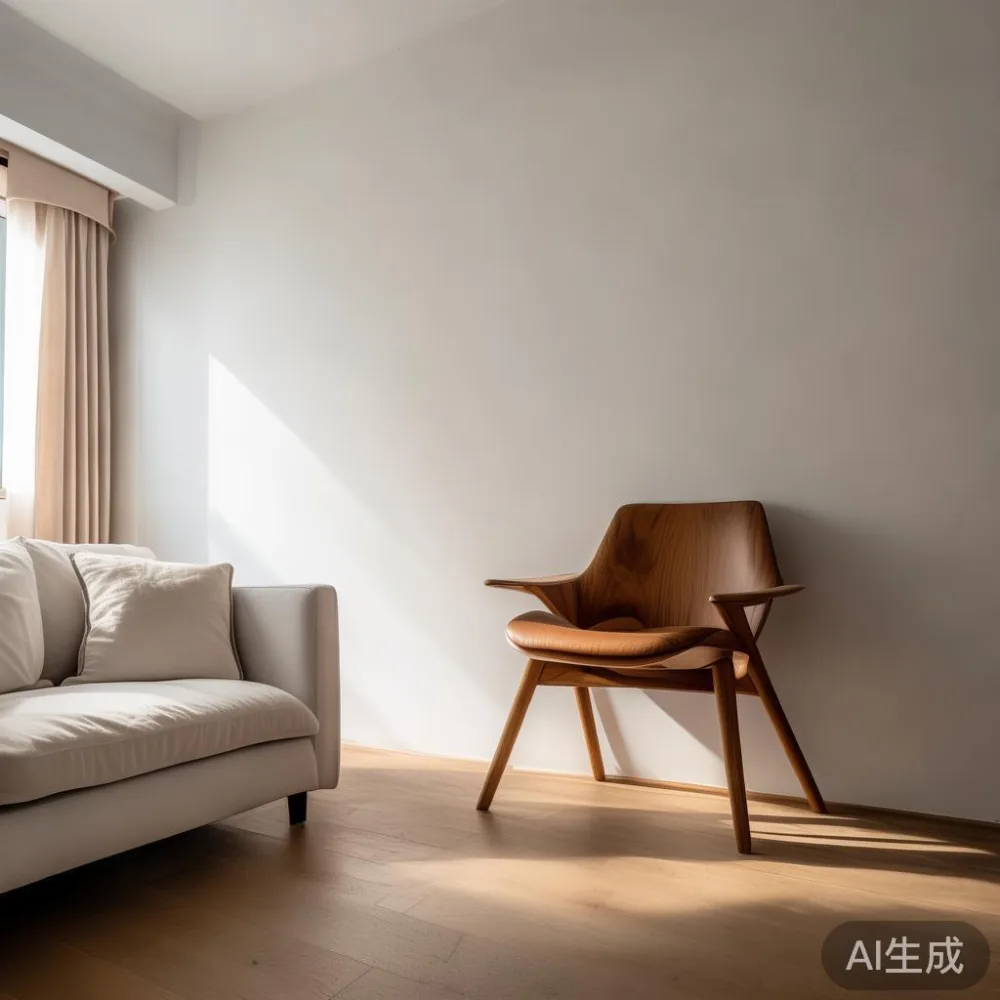
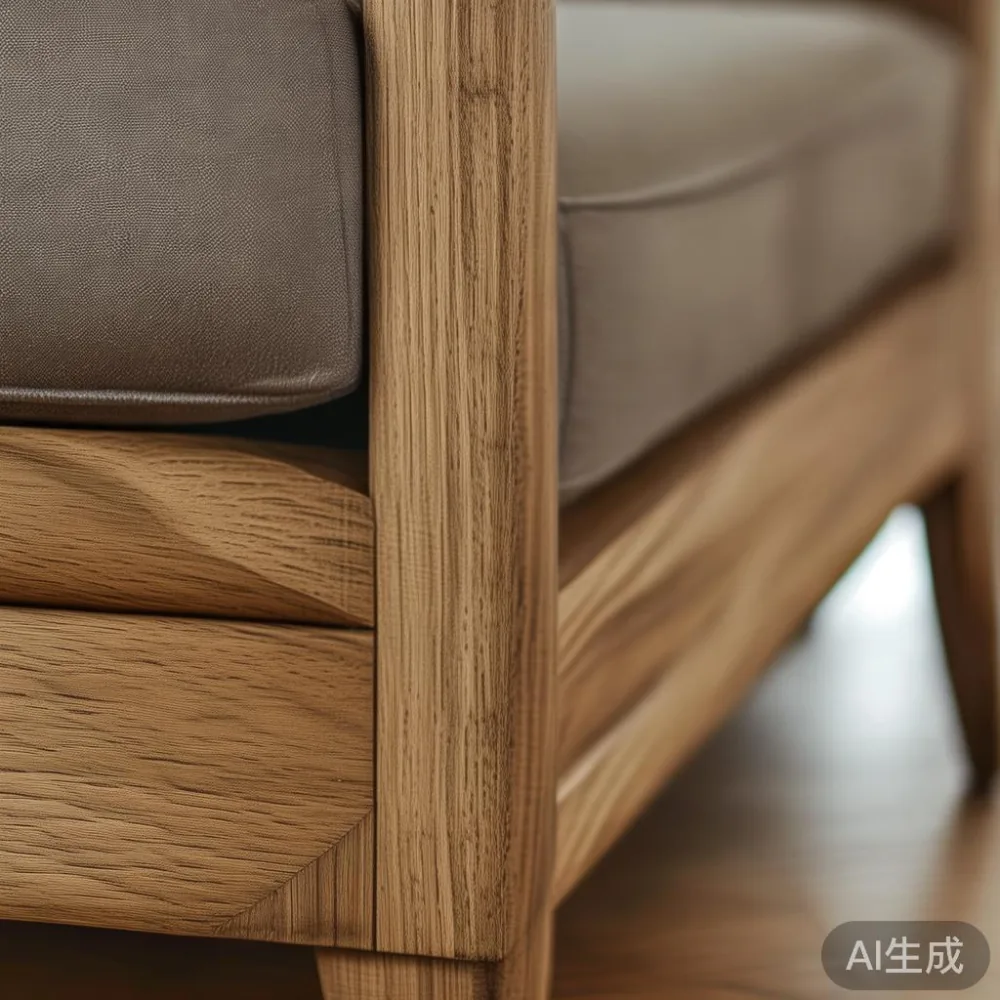
Veneer can reproduce timber grain with convincing consistency and is often easier to match across a pair. Solid wood offers visible grain variation, a warmer hand feel, and repair options that engineered surfaces may not accept. An accent chair with a solid timber frame and upholstered seat can still be a balanced choice if the marketing description is precise.
How much does each option cost over 5 years?
For maintenance, I have separated consumables from occasional repairs. The figures use one chair purchased by an individual, although the Singapore shipment assumption covers two chairs. This avoids presenting a bulk order discount as a personal saving.
- Veneer: SGD 420 purchase price, SGD 37.80 GST, SGD 22.50 allocated delivery, SGD 180 over 5 years for cleaning and small touch-ups, and SGD 50 in year 4 for one chip repair. Five-year cost: SGD 710.30.
- Solid wood: SGD 680 purchase price, SGD 61.20 GST, SGD 27.50 allocated delivery, SGD 150 over 5 years for cleaning and waxing, and SGD 40 in year 3 for a loose joint. Five-year cost: SGD 958.70.
The solid wood chair costs SGD 248.40 more across 5 years. That is a useful figure, but it should not be treated as a guaranteed appreciation claim. Furniture value depends on condition, design, brand perception, and buyer demand. Two identical chairs may also be harder to resell than one well-designed chair.
As a comparison point, a solid wood bed frame averaging SGD 1,650 may add SGD 148.50 in GST and require more careful humidity control. A marble table can weigh about 75 kg, while a 42 kg solid wood dining table and a 28 kg solid wood wardrobe illustrate why Singapore homes should consider weight as carefully as price. The same principle applies to an accent chair weighing 8 kg versus 14 kg: the lighter chair may be easier for one person to carry through a corridor and place inside a lift.
What happens to veneer and solid wood in Singapore humidity?
Singapore’s outdoor relative humidity changes through the day and often reaches high levels during monsoon periods. Indoor conditions can sit near 65% to 80% RH, especially in kitchens, bathrooms, and east-facing Bedok or Tampines units. Direct air-conditioning can then bring the relative humidity below 50%. Repeated movement can affect both materials, although the outcome depends on substrate quality and finish quality.
Veneer can develop edge lifting, open seams, or small chips if moisture enters the panel. A thin membrane is not a seal against humidity; it is a surface covering. Solid wood can move by expanding and contracting across its grain. In a dry room, a 45 cm-wide solid timber board might move by roughly 1.5 mm to 3 mm with a large seasonal change. Stable joinery and an appropriate finish matter more than an unsupported promise of “zero movement.”
Keep veneer panels away from repeated wet contact and avoid steam-cleaning the edges. For solid wood, wipe spills promptly, use coasters and trivets, maintain ventilation, and keep a distance of about 60 cm from radiators or air-conditioning outlets. Do not place an accent chair against an exterior wall that becomes damp after rain.
Light-luxury design does not remove these maintenance realities. French light luxury commonly pairs pale timber tones with soft curves and upholstered surfaces; post-modern light luxury may combine warm oak with brushed metal. Both styles can look refined in veneer, provided the grain direction, edge detail, and hardware are coordinated.
Which option is easier to repair after 3 or 4 years?
Solid wood often has more repair choices. A 3 mm-deep scrape on a finished timber surface may be treated with wax, filler, or a local refinishing method. Veneer is less forgiving because a repair can expose the darker substrate or create a visible patch. If an accent chair shell has a 12 cm split, the outcome depends on whether the shell is solid wood, plywood, or molded composite. Ask for the material by component.
Upholstery adds another cost. Replacing the seat cushion cover in year 3 may cost SGD 65 on a standard local job, while changing 2 zipper closures may cost SGD 25. A new set of 4 solid wood chair legs could add SGD 70 before GST. These are illustrative Singapore service figures, not a quote from every workshop.
My own test involved carrying a 14 kg solid wood accent chair from my colleague’s Bedok apartment to the building lobby. The lift opening measured 110 cm by 210 cm, while the narrowest corridor turn measured 92 cm. The chair was manageable, but turning it sideways still required care. A 9 kg veneer version with 4 cm legs was easier to angle and produced less strain during the same 28-metre walk.
Last month I visited a Tampines HDB unit where a 7 kg veneer accent chair had been pushed close to a window. A water ring appeared after 11 days. The owner cleaned it with a damp cloth, but the mark needed a wax treatment. A matching solid wood chair in the same unit did not stain after a similar 6-minute contact with a wet cup, although its finish still darkened slightly and required care.
One practical test is to inspect the underside, seat rails, back panel, legs, and joint areas before purchase. Ask whether the visible parts are solid wood or veneer. A product described as a “solid wood sofa,” “solid wood bed frame,” or “solid wood dining table” may still contain engineered panels where they improve stability. Clarity about those panels is more useful than a broad material label.
Does delivery and building access change the 5-year cost?
Yes. Delivery is usually a modest share of the 5-year total, but it can affect installation, damage risk, and returns. A small parcel from a Singapore warehouse might cost SGD 18 to SGD 35. A scheduled two-person delivery can range from SGD 45 to SGD 90. A scheduled delivery inside a lift can add SGD 20 to SGD 50. Stairs, narrow corridors, and peak Saturday demand can add another SGD 30 to SGD 80.
For a Punggol HDB unit, confirm the floor, whether the booking includes carrying, and whether the building has a loading bay reserve. For a condo, check the loading area, lift dimensions, and any approved moving-hour rules. A 95 cm-wide dining table may fit through a 110 cm lift opening but still need tilting through a 90 cm corridor corner. A 75 kg marble table is a different task entirely because its stone edges are vulnerable during turns.
Solid wood pieces may need extra protection because they are heavier and can show dents during transport. Veneer panels are often lighter, but their corners and edges can chip. If a lift is unavailable, the delivery surcharge may erase part of the material saving. Ask for the packed dimensions, not only the product dimensions, and measure the shortest route from the lift to the room.
MIDHILL states that it has exported to 15 or more countries since 2008, offers a 10-year structural warranty and lifetime refinishing, and provides free shipping above US$350. For a Singapore buyer, the practical point is to confirm the local delivery terms, GST treatment, warranty coverage, and return arrangement in writing. The company name, www.midhill.co, and the policy should all be checked against the actual order.
Which choice fits a HDB flat or condo without wasting space?
For a compact HDB living room, a veneer accent chair can free up roughly 0.08 to 0.18 square metres compared with a larger solid wood chair. That difference comes from choosing a 58 cm-wide seat instead of a 66 cm-wide model. It is enough to preserve a 75 cm circulation route beside a dining table, but it does not solve poor furniture layout by itself.
Solid wood may be more suitable when the chair is a frequent work seat, exposed to direct sunlight, or intended to become a family piece. A supportive back angle of about 100 to 110 degrees and a seat height of 43 to 46 cm are useful starting points. Measure the table height before choosing the chair. A 45 cm seat works with many dining tables around 73 to 76 cm high, but children and shorter users may need a lower seat or footrest.
For a light-luxury bedroom, solid wood nightstand dimensions around 45 cm wide by 38 cm deep can give a compact surface beside a bed frame. A wardrobe may require a stronger hinge system because doors can become heavy in humid conditions. A marble table can add visual lightness without being physically light, so check both load capacity and handling. Keep these comparisons tied to the same room and use, rather than assuming one material wins everywhere.
Online price searches can help buyers compare finishes, although labels such as cheap Italian light luxury furniture and luxury European light luxury furniture describe different positions. A lower purchase price is not automatically lower ownership cost if the veneer chips, the finish peels, or the chair loses comfort after 2 years.
How should Singapore buyers choose between the two?
Choose veneer when the main priorities are a lighter accent chair, coordinated grain, a controlled interior environment, and a lower initial budget. Choose solid wood when you value visible timber, repairability, a tactile finish, and the willingness to maintain it over 5 years or longer. If the price difference is SGD 300 to SGD 600 for one chair, the solid wood option is easier to justify for a frequently used room than for a rarely occupied corner.
A sensible buying checklist includes:
- Confirm the actual timber species and component-by-component construction.
- Read the edge and joint details rather than relying on a broad “wood” label.
- Compare packed weight, dimensions, delivery days, and lift access.
- Ask who handles chips, finish problems, and structural repairs in Singapore.
- Keep receipts, care instructions, and warranty documents for the full 5-year comparison.
- Request a fabric composition, foam density, and expected seat comfort, not only a wood claim.
Use the figures as a decision model: veneer at SGD 710.30 over 5 years versus solid wood at SGD 958.70 for one chair under the stated assumptions. Then substitute your own delivery cost, upholstery expense, and likely repair frequency. A 9 kg chair used twice a week may have a different result from a 14 kg chair used daily.
The broader furniture journey should follow the same logic. If you are also researching an American sofa vs Mid-century modern sofa, inspect the frame, not only the silhouette. A bed frame, dining table, wardrobe, nightstand, solid wood sofa, and marble table each have different loads and maintenance demands. Searches for the best Rustic bed for 2026, how to style European bed in bedroom, and the best Mid-century modern sofa for 2026 should lead to clear measurements and material information rather than marketing adjectives alone.
For most Singapore homes, veneer wins on the first invoice and handling convenience. Solid wood wins when durability, refinishing, and long-term repairability are worth an additional planned expense. The right choice is the one whose 5-year cost fits your room, your habits, and the building access you actually have.