Warm Minimal Living in Singapore: How to Match Solid Wood Furniture Without Losing the Cosy
Warm minimalism has become the default visual language of new launches in Punggol, Tampines and the East Coast, but the term is doing a lot of heavy lifting. Most homeowners in a 4-room HDB flat in Bedok, a 1,050 sqft condo in Rivervale Shores or a 1,200 sqft unit at Treasure At Tampines picture the same thing: a cream sofa, a single oak table, one piece of greenery on a low console, and absolutely nothing on the walls. What the photo usually hides is the truth that a 90 sqm flat gets cold fast when the only wood in the room is a 120 cm by 60 cm coffee table, the lighting is 4,000 K downlights, and the sofa is a pale grey fabric stretched over a plywood frame. Warm minimalism is not a colour palette. It is the relationship between material, light and proportion, and the accent chair is where that relationship is most often broken.
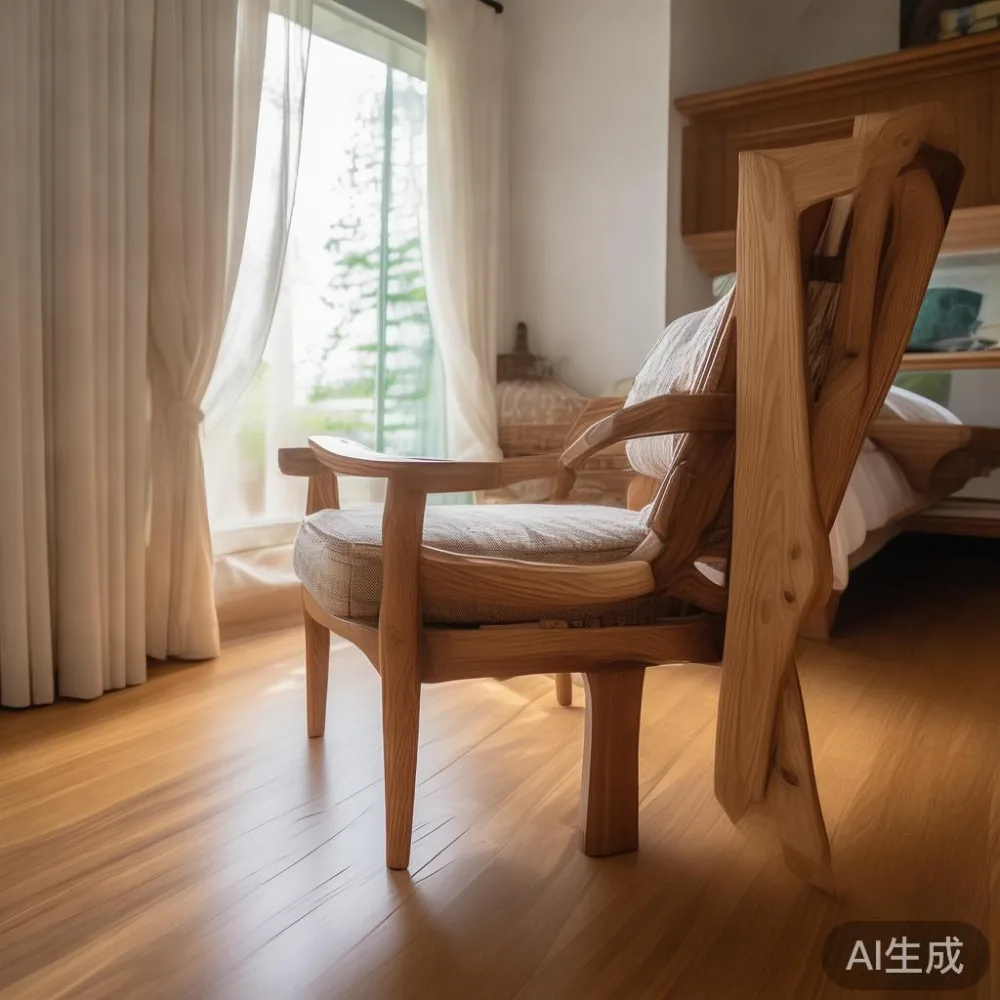
This guide is written for Singaporeans who want to keep the calm of a minimalist layout but stop the room from feeling like a clinic. I will walk through how to choose one solid wood accent chair, what to place around it, how to handle lift access and corridor widths when you order, and the price bands in SGD that actually exist on the local market in 2025. Along the way I will also touch on solid wood sofa options, dining tables, bed frames, wardrobes and nightstands, because an accent chair in isolation almost never solves the room on its own.
What warm minimalism actually means in a HDB or condo
Warm minimalism in Singapore is not the same as Japanese minimalism or Scandinavian design. A Japandi bed in a 3-room flat at 608 sqft reads as soon as the cushion, sheet and slat are aligned, but the same room can still feel sterile if the floor is cool grey vinyl and the wardrobe is a flat matte white. The warmth has to come from one of three places: the wood itself, the textile, or the light. Ideally all three.
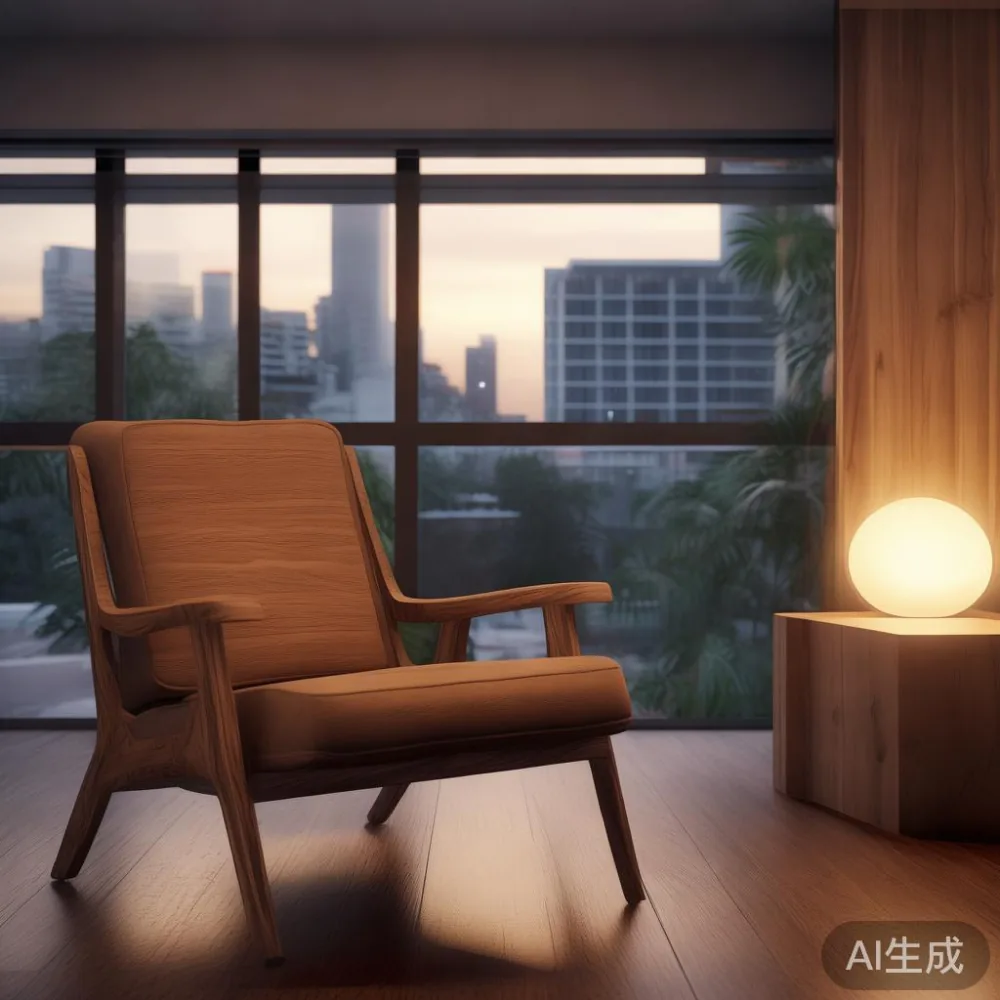
In practice, I tell clients to aim for a wood tone between 1,800K and 2,400K on a colour card, which is the honey-oak to light-walnut range. Anything darker than walnut in a 90 sqm HDB flat with a 2.6 m ceiling tends to swallow the room. Anything paler than natural ash starts to read as laminate, even when it is solid. This is where the solid wood vs engineered wood conversation becomes practical, not theoretical: an accent chair in solid ash, beech or white oak at 45 cm wide and 80 cm tall will visually carry a corner that a veneer piece simply cannot.
Is French provincial bed worth it for a warm minimal bedroom?
The question sounds like a contradiction, because French provincial is usually associated with carved headboards, scrollwork and brushed-brass handles. But a 2025 reinterpretation of French provincial has stripped the curves and kept the proportions. A 1.8 m by 2 m French provincial bed in solid rubberwood or beech, with a tall 110 cm channel-tufted headboard in oatmeal linen, can sit next to a flat-front oak wardrobe and still read as warm minimal, not as a theme park. So is French provincial bed worth it for this kind of room? For homeowners in Singapore who want a softer silhouette than a strict Japandi or European bed, yes, the modern French provincial bed is one of the few traditional forms that survives contact with minimal palettes. The two trade-offs are height (the headboard blocks wall art above 90 cm) and price, which usually lands between SGD 1,650 and SGD 3,200 for the frame alone, before mattress and delivery.
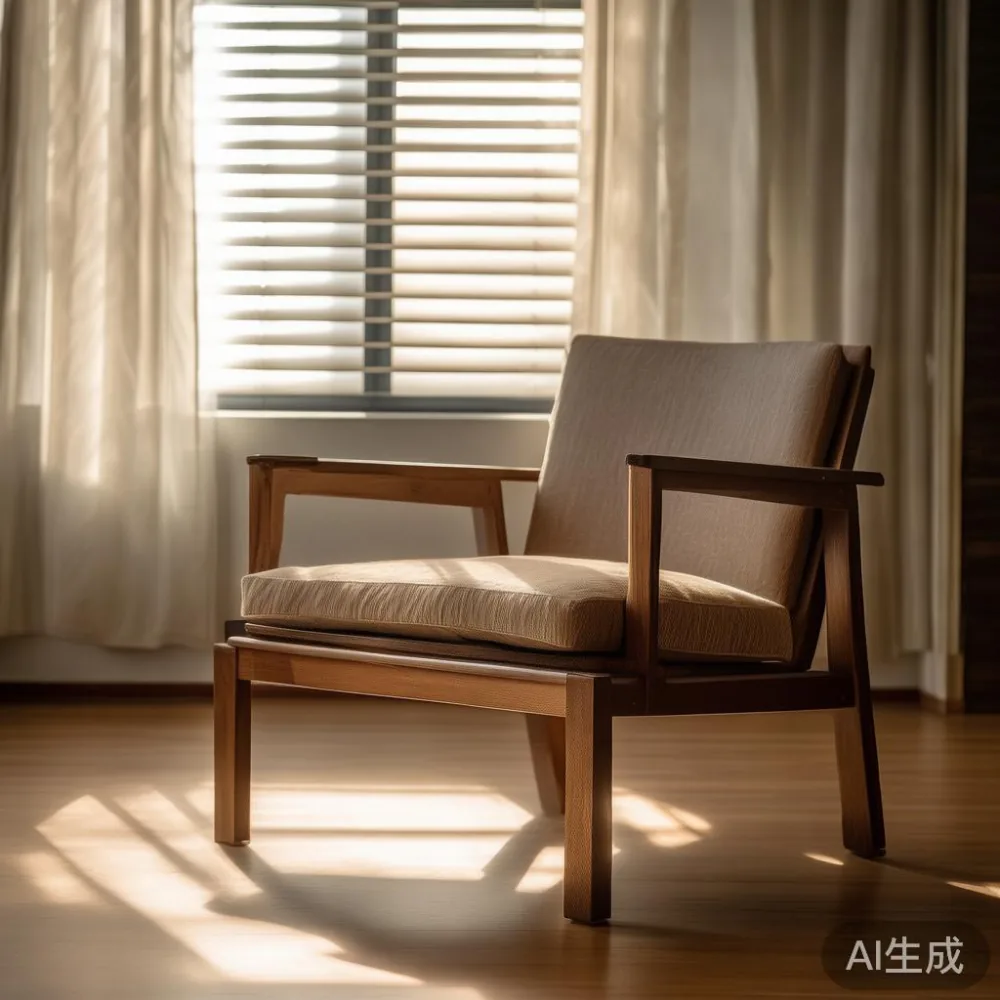
The same logic does not always hold for the dining table. A French provincial dining table with cabriole legs in a 1,300 sqft Punggol condo tends to fight a minimal scheme. A 160 cm by 90 cm rectangular table in solid ash with straight 4 cm square legs, in a post-modern light luxury register, is the safer pick. The legs stay slim, the top stays one uninterrupted plane, and the room keeps its visual quiet.
European bed vs Japandi bed: which one keeps the room warm?
Both styles can work, but they solve different problems. A European bed in solid beech or oak, with a 95 cm headboard in bouclé or linen, gives the bedroom a single tall horizontal plane that anchors the wall. A Japandi bed, which is usually lower (the mattress sits at 38 to 45 cm off the floor), pushes the visual weight downward and depends on the floor texture to carry the warmth. In a HDB flat with standard 4,000 K LED downlights, the Japandi version can look austere unless the floor is honey-toned engineered timber or solid teak, and the bedside lighting is below 3,000 K.
The European bed vs Japandi bed decision is really a decision about where the warmth should sit. If the floor and the lighting are warm, go Japandi and a 28 cm platform base in solid ash. If the floor is cool grey, go European and let the headboard do the work. Either way, choose a frame that is 100% solid wood in the load-bearing parts. Plywood and LVL in bed frames tend to creak at the centre rail after 18 to 24 months, which is a common complaint I hear from owners of 4-room flats in Hougang and Sengkang.
For wardrobe sizing, a 1.8 m European bed usually needs a 200 cm to 240 cm wide wardrobe to keep proportions. A 1.5 m Japandi bed can carry a 150 cm to 180 cm wardrobe. The Italian light luxury wardrobe category, in a flat-front oak or walnut veneer over solid poplar, lands between SGD 2,400 and SGD 4,800 for a 240 cm unit. The best Italian light luxury wardrobe for 2026, based on what is shipping into Singapore right now, is a 240 cm three-door model with a single vertical fluted panel, a 6 cm plinth, and soft-close hinges rated to 100,000 cycles.
How to style Japandi bed in apartment layouts under 1,000 sqft?
A small apartment punishes a tall wardrobe placed next to a low bed, because the eye reads the height difference as a mistake rather than a contrast. How to style Japandi bed in apartment layouts under 1,000 sqft comes down to three rules: keep the headboard within 15 cm of the nightstand top, keep the nightstand within 8 cm of the mattress height, and keep the wardrobe doors at 2.1 m or below so the ceiling line stays calm. A nightstand at 45 cm tall, in solid ash with a single drawer on soft-close slides, sits well with both a 38 cm Japandi platform and a 45 cm European frame.
For dining, an european sofa bed with storage is sometimes the answer for a studio or 2-bedroom flex unit, because it replaces a guest bed and a sofa in one footprint. A 200 cm by 95 cm european sofa bed with storage in solid beech, with a 12 cm deep under-seat bin, takes about 15 minutes to open with the mattress still in place. The trade-off is depth when closed: at 95 cm it eats more floor than a standard 90 cm sofa, which can be a problem in a 9 sqm living room.
What does an accent chair actually do in a warm minimal room?
An accent chair is the one piece of furniture that does three jobs at once: it fills a corner that would otherwise be empty, it carries a colour or material the sofa cannot carry, and it signals to the room that a human, not a stylist, lives there. In a warm minimal HDB living room, the accent chair is usually placed at 45 degrees to the solid wood sofa, about 70 cm from the sofa arm, with a 50 cm to 60 cm floor lamp behind it.
The two most common mistakes I see in Singapore showrooms are scale and tone. A 78 cm wide accent chair in a 3.2 m wide living room is too small; a 90 cm chair in the same room is too big. The right size is between 68 cm and 74 cm wide for a 4-room HDB, and between 74 cm and 82 cm for a condo living room of 5 m or more. On tone, a chair in the exact same wood as the solid wood sofa disappears. The chair should be either one shade darker, one shade lighter, or in a contrasting textile such as bouclé, linen or a soft tan leather.
On my last home visit in a 1,180 sqft unit at Treasure At Tampines, my client had a 240 cm solid wood sofa in light ash, a 120 cm ash coffee table, and a 180 cm by 90 cm ash dining table. The room read as one continuous tone and felt like a furniture catalogue. We swapped a 72 cm ash accent chair for a 72 cm walnut frame chair with an oatmeal bouclé seat, kept the legs in the same 4 cm square profile, and the room immediately read as warm minimal rather than showroom-flat. The change in material was under 5% of the room's wood surface, but the visual shift was the difference between staged and lived-in.
How to choose a solid wood accent chair for a Singapore lift?
Logistics shape the choice more than people admit. Standard HDB passenger lifts in Singapore are 1.1 m wide by 1.4 m deep, with a door of about 0.9 m. A flat-packed accent chair in a 75 cm by 75 cm by 90 cm carton goes in easily. A fully assembled chair wider than 70 cm will not make it around the lift's 1.5 m turning radius if the corridor is the standard 1.2 m width. The same chair going up a service lift in a condo is fine, because service lifts are usually 1.6 m by 2.4 m, but service lifts often need a 48-hour booking and a SGD 50 to SGD 120 admin fee.
Weight is the second constraint. A solid wood accent chair in ash or beech weighs between 8 kg and 14 kg. A chair in white oak lands at 14 kg to 18 kg. Anything over 22 kg is usually two-person carry at corridor corners, and most Singapore delivery teams charge an SGD 80 to SGD 150 surcharge for items over 25 kg that have to be carried past a fire-rated door. Check the chair weight in the spec sheet before you order, and add 2 cm clearance to the narrowest point on your route from the lift lobby to the front door.
MIDHILL ships flat-packed solid wood accent chairs to Singapore in cartons between 78 cm and 82 cm on the longest side, with gross weight between 11 kg and 16 kg for ash frames and 16 kg to 19 kg for oak. Lead time to a Singapore address is usually 28 to 42 days by sea, plus 5 to 7 days for last-mile. A lift-access HDB in Bedok or Punggol typically receives the chair in 35 days, while a condo in the Novena or River Valley area can take 38 to 48 days because of booking constraints for service lifts.
What to place around the chair so the room stays warm, not cluttered
Three objects is the working maximum. A floor lamp at 150 cm to 165 cm tall, with a 40 cm to 45 cm shade, placed 25 cm behind the chair back. A side table at 45 cm to 50 cm tall, no wider than 40 cm, in the same wood tone as the chair. And one soft element, which can be a 120 cm by 180 cm wool rug, a 50 cm by 50 cm linen cushion, or a 30 cm ceramic vessel. Anything more and the corner becomes a vignette rather than a quiet anchor.
The side table is where owners overspend. A marble table in this position is the single most common warm-minimal mistake. A 40 cm round marble table looks heavy, costs between SGD 480 and SGD 1,100 for the table alone, and picks up fingerprints under Singapore's humidity within a week. A solid ash or walnut side table at 38 cm to 42 cm wide costs between SGD 180 and SGD 380, matches the chair leg, and disappears into the corner. Save the marble for a dining table or a coffee table, where the surface is used.
How much should I budget in SGD for the chair and its corner?
For a 4-room HDB flat in 2025, a sensible budget for the chair corner is between SGD 550 and SGD 1,100 all-in, including the chair, the side table, the floor lamp, and the textile. Here is how that usually breaks down:
- Solid wood accent chair, ash or beech frame, fabric or leather seat: SGD 380 to SGD 720.
- Solid wood side table, 38 cm to 42 cm wide: SGD 120 to SGD 280.
- Floor lamp with 40 cm shade, under 3,000 K bulb: SGD 90 to SGD 220 from local lighting shops such as Taobao, Castlery or a HipVan outlet.
- Wool or linen throw, 130 cm by 180 cm: SGD 60 to SGD 140.
- Optional 50 cm by 50 cm cushion with down fill: SGD 35 to SGD 90.
For a condo in a development such as Rivervale Shores or Treasure At Tampines, the budget rises by about 15% to 20% because larger floor lamps and a 90 cm wide chair start to make sense. A walnut accent chair with a leather seat lands at SGD 780 to SGD 1,400, a 45 cm side table at SGD 220 to SGD 380, and the same supporting cast pushes the corner to SGD 1,200 to SGD 2,000.
Are industrial pieces compatible with warm minimal interiors?
Yes, in small doses. A single industrial piece, such as a blackened steel and reclaimed-elm bookcase, or a 60 cm iron-and-wood stool, can sit inside a warm minimal room without breaking it, provided the rest of the room is restrained. The risk is that industrial pieces ship with a lot of surface character (welds, bolts, patina), and one of those in a 4-room HDB is a feature, two is a theme. For homeowners browsing for sale Industrial furniture listings on Carousell or local Etsy, the rule is to cap industrial items at one per room, and to keep its footprint under 0.5 sqm.
A solid wood accent chair with a blackened steel base, made in Foshan and shipped flat-packed to Singapore, is a quiet way to bring industrial structure into a warm minimal living room without buying a full industrial set. The chair reads as furniture, not as a statement, and the steel base ties in to a kitchen island or a dining table leg in the same finish.
What about dining, wardrobes and the rest of the room?
Once the living room corner is settled, the dining area is the next most visible plane. A 160 cm by 90 cm solid wood dining table in ash or beech, with 4 cm square legs and a 2 cm shadow gap under the top, is the workhorse of warm minimal dining in Singapore. Expect to pay between SGD 1,100 and SGD 2,400 for the table, SGD 180 to SGD 320 per chair in solid beech, and SGD 80 to SGD 160 for delivery into a HDB in Tampines or Bedok.
For storage, a 240 cm three-door wardrobe in flat-front oak or walnut, with soft-close hinges and a single fluted glass panel, lands between SGD 2,400 and SGD 4,800. A matching 45 cm nightstand in the same finish is usually between SGD 320 and SGD 560. MIDHILL ships these as a coordinated bedroom set, which keeps the wood tone consistent across bed frame, wardrobe and nightstand and avoids the half-shade mismatch that breaks warm minimal schemes. Bedroom set delivery to a HDB is typically 35 to 50 days, with free above SGD 350 order value and a 10-year structural warranty on frame and joinery.
One last note on warranty and aftercare. A solid wood accent chair bought from a Foshan factory-direct supplier should come with a written 10-year structural warranty on the frame, a 2-year warranty on upholstery, and a lifetime refinishing option that costs between SGD 180 and SGD 320 per chair after the first 24 months. In Singapore's humidity, which sits between 70% and 85% RH for most of the year, a refinish at year 5 is normal rather than exceptional. Ask the supplier to send the warranty terms in writing before you pay the deposit, and check that GST is shown separately on the invoice. A typical 9% GST on a SGD 700 chair is SGD 63, and most suppliers do not absorb it.
Where do I actually sit to test the chair before I buy?
Singapore has a thin but real network of solid wood furniture showrooms. Castlery at 71 Ayer Rajah Crescent carries European and American light luxury pieces, but most of the seating is upholstered over plywood, not solid. The MIDHILL showroom network is factory-direct and ships from Foshan, so testing in person usually means a video call with the factory, a fabric swatch kit by mail (SGD 25, refunded on order), and a small sample of the wood finish. HipVan, LifeofaVessel and a handful of smaller studios in Jalan Besar and Tai Seng carry one or two accent chair models in solid ash at any given time, and most will let you sit for 20 minutes if you call ahead.
My own approach, after 12 years of specifying furniture for HDB and condo projects, is to spec the wood finish and the textile first, then the chair. A 72 cm wide solid ash frame with a bouclé seat in oat or stone, paired with a 38 cm ash side table and a 150 cm brass floor lamp, is the corner that works in nine out of ten warm minimal living rooms in Singapore. The tenth room usually wants a walnut frame, a leather seat, and a darker lamp. Either way, the room keeps its calm, the chair does the talking, and the rest of the furniture, from the solid wood sofa to the bed frame, the dining table, the wardrobe and the nightstand, gets out of the chair's way.
Wuhan Lingzhan, one of the regional logistics partners used by several Foshan factories, handles a meaningful share of consolidations into Singapore through the PSA terminal, which is why some Singapore-side lead times stretch by 5 to 10 days during the post-CNY February to April window. Plan your order before Chinese New Year if you need the chair in time for a March housewarming at a new BTO in Punggol or a renovated resale in Bedok, and you will save yourself a month of waiting in an empty corner.