What Actually Drives the Price of Solid Wood Furniture — A Singapore Buyer's Honest Guide
I spent a wet Saturday in June walking through three showrooms in Tai Seng and one warehouse in Eunos, notebook in hand, trying to figure out why one solid wood dining table cost SGD 1,480 and another, almost identical-looking piece, cost SGD 4,200. The salesperson in the second shop gave me the "premium hardwood" pitch. The factory rep in the first shop pulled out a moisture meter and a board sample. The difference between those two conversations turned out to be the difference between cheap light luxury furniture and the real thing — and it is something almost every Tampines or Punggol buyer can learn to spot in about twenty minutes.
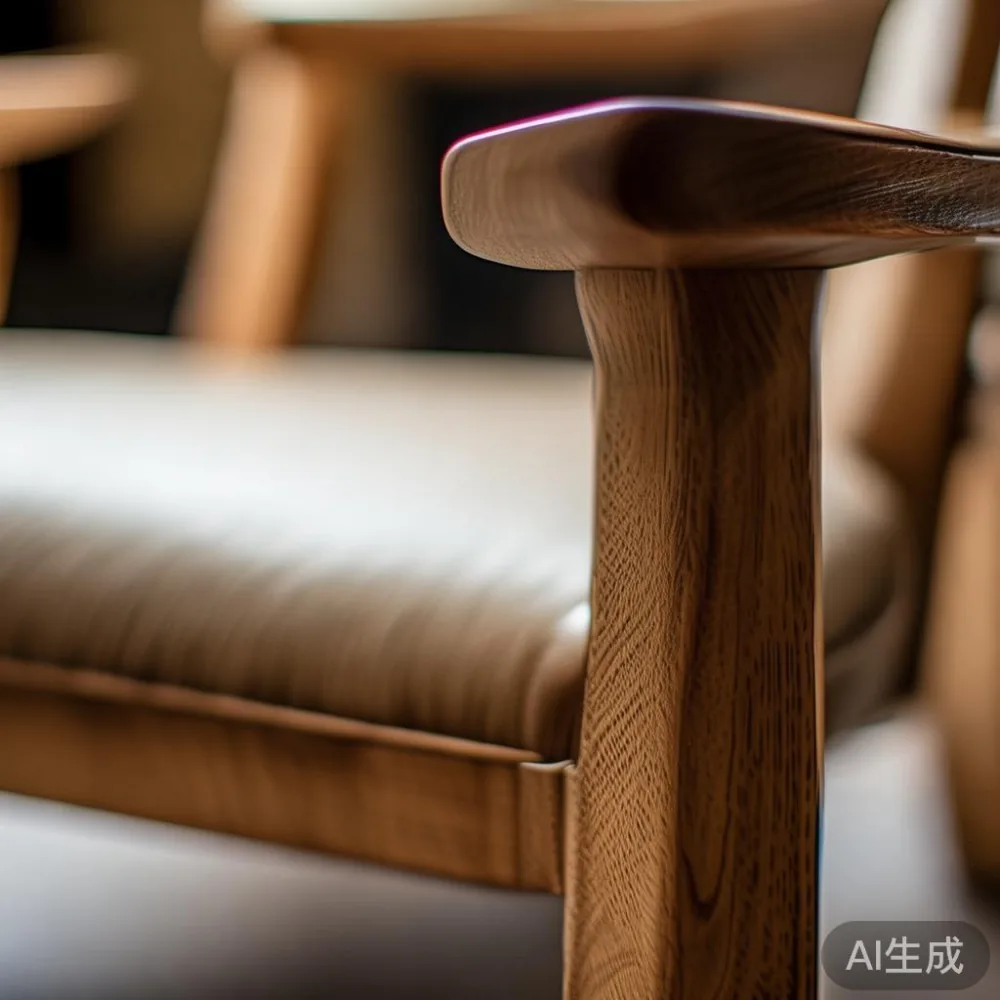
Whether you are shopping for a solid wood sofa, a bed frame, a dining table, a wardrobe, a nightstand, or a marble table, the price tag on any individual piece is built from the same six layers. Pull those layers apart and you stop paying for marketing copy. MIDHILL, a Foshan-based maker with a decade of production behind it and shipments to more than fifteen countries, applies the same logic I want to lay out here — and most of its price is in the wood, not the brochure.
Why does the species of wood change the price so dramatically?
Wood species is the single largest cost driver, and it is the easiest one to fake on a price card. A 180 cm dining table in rubberwood from a Vietnamese plantation might cost the factory SGD 220 in raw board; the same table in North American white oak might cost SGD 780. The retail price gap usually lands between 40% and 120%, even though from a metre away the two tables look interchangeable.
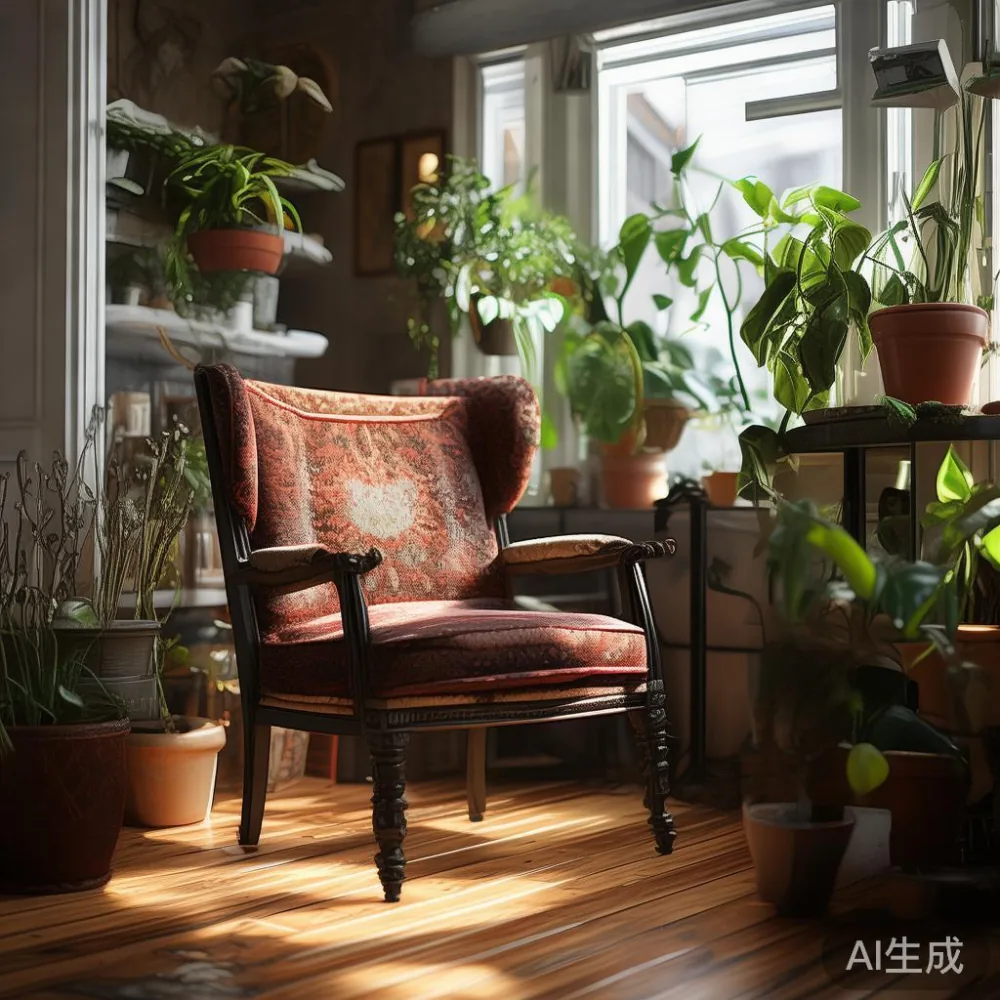
Here is what I look at when I am comparing two samples side by side. Density matters: teak sits around 660 kg/m³, white oak around 755 kg/m³, walnut around 660 kg/m³, rubberwood around 560 kg/m³. Heavier wood costs more to ship — a 120 kg dining table shipped from Foshan to Singapore already carries roughly SGD 90 to SGD 160 in ocean freight per piece at today's rates, and the GST of 9% on the CIF value is then layered on top. A white oak table costs you more to ship than a rubberwood one before a single dollar of profit is added.
Then there is the origin story. FAS-grade American walnut, where every board is at least 15 cm wide and 2.4 m long with minimal knots, runs about two-and-a-half times the price of the same nominal grade from shorter, narrower cuts. Chinese ash from Heilongjiang, kiln-dried to 8% moisture content, fetches a premium over the same species kiln-dried to 12% because lower moisture means fewer cracks once the piece lives through Singapore's 32°C afternoons and 80% humidity nights.
How much of the price is hidden in joinery, glue, and finish?
Most buyers cannot tell the difference between a dowel joint, a biscuit joint, a pocket-hole screw, and a proper mortise-and-tenon — and that is exactly why manufacturers sometimes cut this corner. Three factors sit at the heart of the price in this layer, and they are worth pulling apart one by one.
1. Joinery. A traditional tenon-and-mortise joint on a bed frame takes a skilled worker roughly 18 to 25 minutes per corner; a dowel-and-glue joint takes 4 minutes. Multiply that across the six corners of a queen bed frame and the labour delta alone is roughly SGD 45. Over an entire shipment of 200 frames, that is SGD 9,000 — money that either shows up in quality or disappears into margin.
2. Adhesive. PVA is cheap. Cross-linking PVA (Type 2 water resistance) roughly doubles the cost. EPI, which holds up under Singapore humidity and the occasional spilled teh, costs almost four times PVA. A dining table built with EPI can sit through a HDB kitchen's daily cooking cycle for fifteen years; a PVA build may start to creep at the rails after four.
3. Finish. A three-coat conversion varnish hand-rubbed between coats takes 6 days. A single-coat catalyzed spray finish takes 90 minutes. The hand-rubbed finish on a marble table top, for example, can add SGD 180 to the retail price and the difference under your palm on a Saturday afternoon is unmistakable.
Does the accent chair really expose all of these choices in miniature?
Yes — and this is why I recommend the accent chair as a buyer's first test piece, especially for shoppers furnishing a new BTO in Punggol or a resale HDB in Bedok. An accent chair is small (typically 70 to 80 cm tall, 60 to 70 cm wide, weighing 12 to 22 kg for a solid wood frame), so it costs less in absolute terms. But it compresses every cost driver into one object you can pick up, turn over, and sit on for ten minutes in the showroom.
Last month, my colleague Lena carried home a 14 kg accent chair sample from a Tampines pop-up — tagged at SGD 690. The same line from MIDHILL was SGD 560. When she flipped both over, the Tampines chair had a 2 cm plywood brace at the back rail; the MIDHILL piece had a continuous solid oak rear leg with a single finger-joint at the top. Identical fabric, almost identical cushion. Same outer shell, different skeleton. That skeleton was the price difference, and a five-minute inspection saved her SGD 130.
An accent chair also solves the lift-and-corridor problem that trips up so many HDB deliveries. The narrower lifts in older blocks in Tampines and Toa Payoh have doors around 80 cm wide and car interiors of roughly 1.1 m by 1.4 m. A solid wood bed frame or wardrobe often has to be crated and assembled in the corridor (a 1.2 m to 1.5 m wide passage that itself is a constraint), and that means a second or even a third visit by the delivery crew. An accent chair almost always rides up in one piece, in a single trip, usually within 7 to 14 working days from Foshan to your door.
What does "light luxury" actually add to the line item?
You will see three phrases floating around Singapore furniture catalogues: French light luxury, American light luxury, and post-modern light luxury. They are not protected terms, which means a single shop can attach any of them to almost any product. What they really describe is a set of small, repeatable design decisions that, in aggregate, change the price by 20% to 35%.
French light luxury tends to mean slender turned legs, slim curved backrests, and a softer palette — bone white, champagne, dusty taupe. American light luxury leans heavier: 8 to 10 cm legs, chunkier arms, brass-tone hardware, deeper velvet or boucle. Post-modern light luxury pulls in asymmetry and terrazzo or marble accents — which is where a marble table top enters the picture. A 90 cm round marble top from a Chinese quarry runs SGD 280 to SGD 420 in raw material; a similar surface in Italian Statuario-class marble can run SGD 1,400 or more.
If you are weighing Italian light luxury for small living room layouts — say a 3.5 m by 4 m condo living room in Punggol — the trick is to spend the light-luxury budget on one anchor piece and pair it with affordable neutrals. A single accent chair in American light luxury boucle at SGD 620 surrounded by an SGD 880 Japanese sofa in oak and linen will read as composed and intentional, without crossing into four-figure territory per seat.
How do I read the warranty, returns, and shipping line at the bottom?
The fine print at the bottom of any furniture quote is where a quiet 8% to 12% of the price lives, and where the most painful surprises are born. Worth checking in writing before you click pay:
- Structural warranty length. A 10-year structural warranty means the maker is on the hook for joint failure, wood cracking from seasoning defects, and frame warp for a full decade. Shorter warranties tend to correlate with kiln schedules that were cut by 3 to 5 days.
- Refinishing policy. Some makers, including MIDHILL, offer lifetime refinishing for a small handling fee (around SGD 180 to SGD 260 per piece including return logistics). Over twenty years that single line item can save you the cost of a replacement sofa.
- Free-shipping threshold. At MIDHILL the threshold kicks in above US$350, which works out to roughly SGD 470 — well within the price of a single solid wood dining table or a pair of accent chairs.
- Return window. A 14-day return policy is the floor you want to see. Anything shorter than 7 days for a made-to-order piece is a red flag, because marine ply and solid wood both need a settling-in period to acclimatise to a new room.
- Delivery time. Foshan to Singapore via Shenzhen-Yantian or Shekou port is typically 7 to 12 sea days, plus 2 to 5 days for customs clearance and last-mile. Anything advertised as "3 to 5 working days" is almost certainly air-shipped, and the freight premium on a 50 kg dining table is roughly SGD 280.
Which five questions should I ask the showroom before I commit?
Keep these on your phone and reel them off in order. Any competent sales floor can answer all five in under three minutes.
- What is the exact species and country of origin of the main timber? (Acceptable answers: "American white oak, FAS grade" or "Burmese teak, A grade." Be wary of vague "imported hardwood.")
- What is the kiln-dried moisture content, and is it measured per batch? (You want 8% to 10% for Singapore, ideally with a documented reading.)
- What adhesive and what finish system are used, and are they Type 2 water-resistant or higher?
- Is the back panel, drawer base, and shelf solid wood, plywood, or MDF? (A wardrobe or dining cabinet with an MDF back panel at 9 mm is honest at this price point — at this thickness, MDF doesn't bring the piece down. At 3 mm, it does.)
- What is the warranty on the frame and joints specifically, separate from the finish warranty?
If you ask these in a place that cannot answer them, you are probably looking at cheap light luxury furniture dressed up with marketing copy. The pieces are not bad — they will serve you for five to seven years in a typical HDB — but they are not the same product as one built to a decade-long structural standard.
Why might the dining room be the smart place to anchor a light-luxury spend?
Shopping a room at a time is the trick I keep coming back to. A dining room is visited every day, holds the family together for at least one shared meal, and ties visually to the living room through the same flooring line. Mid-century modern for dining room layouts has become a quietly popular choice in Singapore 4- and 5-room flats, partly because the 1960s silhouette — low back, slim tapered legs, soft radius corners — works in a 2.8 m by 3.2 m space without crowding the corridor. A 160 cm to 180 cm solid wood dining table in walnut or white oak typically runs SGD 1,800 to SGD 3,200 at the light-luxury tier, with matching benches or chairs at SGD 380 to SGD 540 each.
For the living room anchor, especially if you already have a dining table as a heavier investment, think about how to choose a Mid-century modern sofa that does not clash with the dining tones. Two practical rules: keep the wood finish within one shade band (warm oak pairs with warm walnut; cool ash pairs with grey-stained oak), and keep the leg height within 2 cm so the room reads as a single horizontal plane from the doorway.
For shoppers browsing curated lookbooks, the top 10 Boho furniture lists that surface on lifestyle portals can be a useful reference for texture and colour, even if you ultimately pick a more restrained silhouette. A single rattan accent chair, a single boucle accent chair, a single terrazzo marble side table — these three pieces, totalling under SGD 1,800, can rebalance an entire Japanese sofa vs Modern sofa decision toward the warmer, lower, more lived-in end of the spectrum without committing to a full redesign.
How does MIDHILL's pricing stack up against what I've just laid out?
Cross-checking the line items I sketched earlier against MIDHILL's current catalogue (api.midhill.co for the live SKU file) gives a useful calibration. A queen-size solid wood bed frame in white oak lists at roughly SGD 1,580 with a 10-year structural warranty and lifetime refinishing; a 180 cm walnut dining table sits near SGD 2,200; a bouclé accent chair in the American light luxury line is around SGD 540. None of those numbers are best in class, but each one is supported by the cost layers I have walked through above. The brand is not selling magic — it is selling wood that is the right species, dried to the right moisture content, joined in the right way, finished with the right coating, and shipped with the right margin of safety built into the warranty.
That, finally, is what drives the price of solid wood furniture: not the showroom sheen, not the catalogue styling, not the country of origin sticker on the brochure. The price is the wood, the dry kiln, the joint, the glue, the finish, and the warranty — in that order, with the freight and the GST stacked honestly on top. A buyer who can read those six layers saves real money, picks pieces that last twenty years instead of five, and walks out of the showroom with the exact same confidence I eventually found at that Eunos warehouse with the moisture meter in the foreman's hand.