The True Cost of Style: A 5-Year Veneer vs. Solid Wood Accent Chair Analysis
Choosing furniture for a Singapore home is a careful balancing act of aesthetics, budget, and practicality. Whether you live in a compact HDB flat in Tampines or a spacious condo in Punggol, every piece must earn its place. An accent chair, for instance, is more than just a seat; it's a statement, a conversation starter, and a functional element in your living space. But when you stand in a showroom, the price difference between a veneered model and a solid wood one can be significant. Is the higher initial cost of solid wood justified over time? To answer this, we need to look beyond the price tag and conduct a detailed, 5-year cost comparison, factoring in purchase price, longevity, maintenance, and even the subtle costs of replacement and inconvenience.
Understanding the Materials: Veneer and Solid Wood in Context
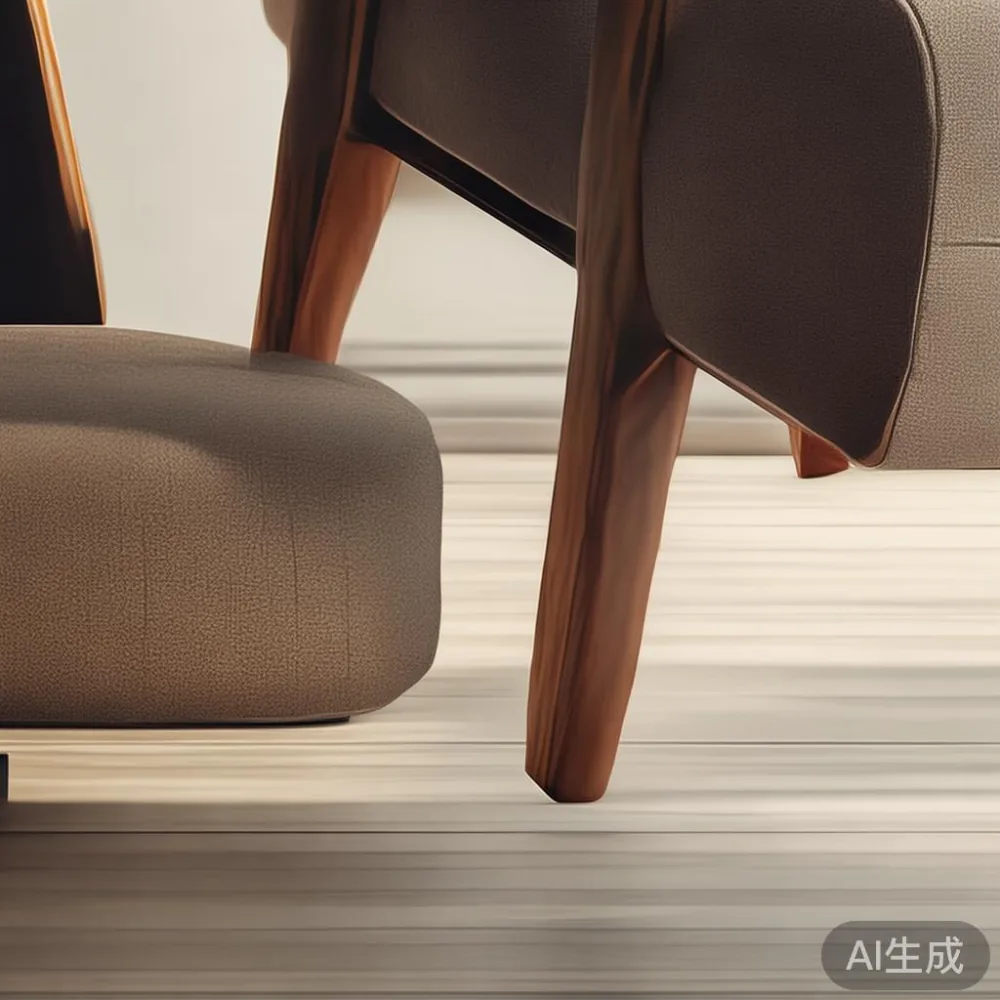
Before diving into the numbers, it's important to understand what we're comparing. Solid wood furniture, like the pieces crafted by a manufacturer such as midhill, is made from a single, solid piece of timber. This means the chair's frame, legs, and major structural components are all cut from the same board. This construction offers incredible durability and a unique, natural grain pattern that cannot be replicated. It's a material that ages gracefully, developing a rich patina over the years.
Veneer, on the other hand, involves a very thin layer of real wood (the 'veneer') being glued onto a core made of a less expensive material like plywood, particleboard, or MDF. The veneer provides the look and feel of solid wood at a fraction of the cost. However, the underlying core material is the chair's Achilles' heel. Over time, especially in Singapore's humid climate, this core can be susceptible to warping, swelling, and delamination, where the veneer layer starts to peel away from the substrate. This fundamental difference in construction is the root of all the financial and practical differences we will explore.
The Initial Investment: Purchase Price and Delivery Considerations
The most obvious difference between veneer and solid wood accent chairs is the initial purchase price. For a standard-sized accent chair (approximately 75cm wide x 85cm high x 85cm deep), a veneered model from a reputable local retailer might cost between SGD 450 and SGD 750. In contrast, a solid wood equivalent will typically start from SGD 1,200 and can easily reach SGD 2,500 or more for premium designs with intricate joinery and exotic timber.
Let's consider a concrete example. A veneer accent chair priced at SGD 580 versus a solid wood version at SGD 1,650. The immediate difference is SGD 1,070. This is a significant sum for any household. However, the initial cost isn't just the price on the tag. We must also factor in delivery and assembly. Free shipping over SGD 350 is a common offer, so both chairs would likely qualify for this benefit. Delivery time can vary. A local veneer chair might arrive within 5-7 days. A solid wood piece, often made to order or requiring more careful handling, could take 14-21 days to arrive at your door in Bedok or Tampines.
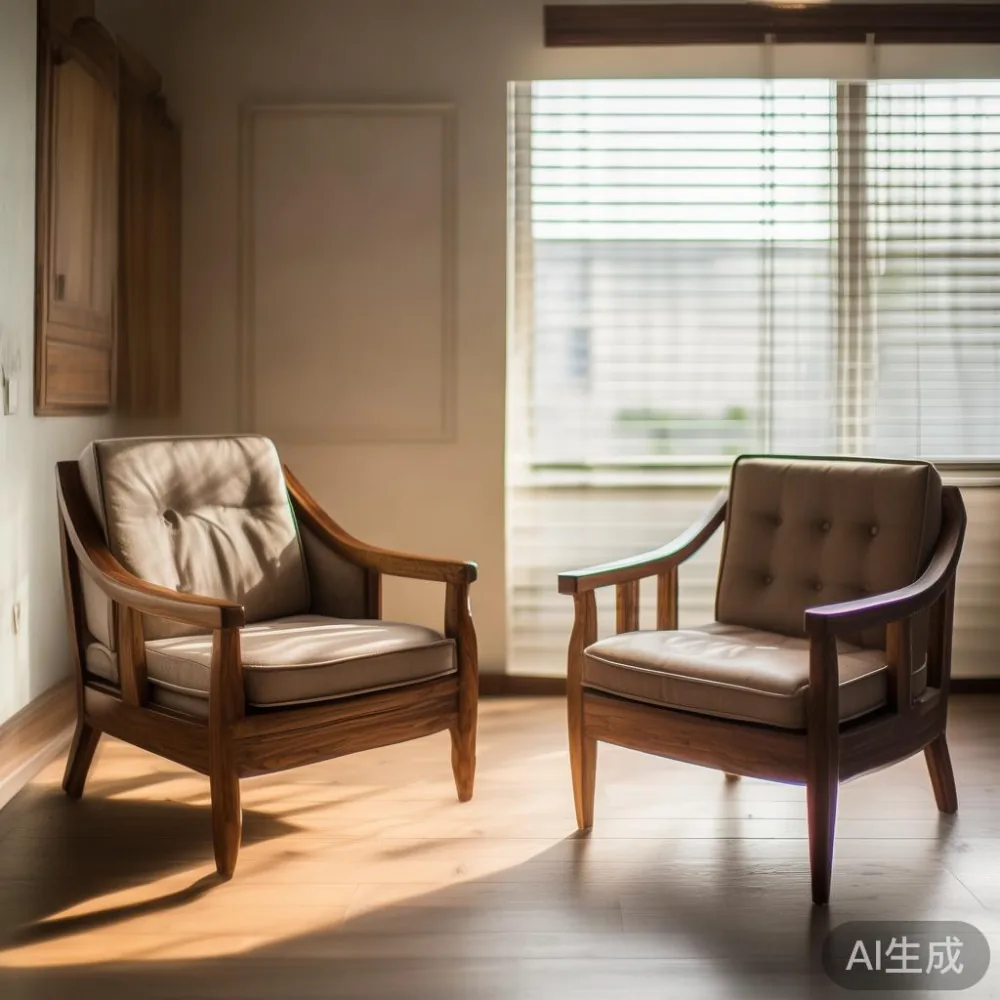
Assembly is another minor factor. Veneer chairs often arrive flat-packed with simple Allen-key assembly. A solid wood accent chair might be delivered fully assembled due to its weight and value, or require more complex assembly that takes 30-45 minutes. While the time investment is small, it's part of the total initial experience. The upfront financial commitment for solid wood is undeniably higher, but this initial investment is the foundation upon which its long-term value is built.
Longevity and Structural Integrity: A Tale of Two Chairs
This is where the real value proposition of solid wood begins to emerge. The lifespan of a furniture piece is a critical factor in its cost-per-year calculation. A well-made solid wood accent chair is an heirloom piece. It's built to withstand decades of use. The structural integrity of a solid wood frame comes from the strength of the timber itself and the quality of the joinery—mortise and tenon, dovetail, or reinforced corner blocks. These connections are incredibly strong and resist the stresses of daily use.
My colleague, Sarah, who lives in a Punggol condo, bought a solid wood accent chair 8 years ago. She recently mentioned that it looks as sturdy as the day she bought it. The joints are tight, the wood has a beautiful, even sheen from regular oiling, and it shows no signs of wobble or weakness. This kind of longevity is expected. A manufacturer offering a 10-year structural warranty on solid wood pieces is confident in this very fact.
Now, consider the veneer chair. Its lifespan is significantly shorter, often lasting between 5 to 8 years with heavy use. The core material is the weak point. The constant sitting and standing motion puts stress on the joints, which are often just screws or staples into a particleboard core. Over 5 years, this can lead to structural failure. The legs might become loose, the back might start to wobble, or the seat might sag. More insidiously, Singapore's high humidity (averaging 80-85% year-round) is a silent enemy. The moisture can cause the particleboard core to swell, leading to cracks in the veneer surface. This damage is often irreversible and signals the beginning of the end for the chair. A 5-year comparison shows the solid wood chair is still in its prime, while the veneer chair is likely showing its age and may be approaching the end of its functional life.
Is a Solid Wood Accent Chair Really More Durable Over 5 Years?
The answer is a resounding yes, but the reasons are more nuanced than just 'it's stronger.' Durability for a Singaporean home isn't just about withstanding weight; it's about withstanding a specific environment. Solid wood has a natural ability to absorb and release moisture, expanding and contracting slightly with changes in humidity. This natural movement prevents the kind of cracking and warping that can plague a rigid, non-breathing material like MDF or particleboard.
Think about the logistics of moving. If you decide to shift from a Bedok HDB to a condo in Tampines, a solid wood accent chair can be disassembled and reassembled without losing its structural integrity. A veneer chair, with its glued-on veneer and press-board core, is far more delicate. The process of moving, even with care, can cause new stress points, leading to cracks or delamination that weren't there before. The chair's journey is a test of its inherent durability, and solid wood consistently passes with flying colours.
Also, the finish on a solid wood chair is designed to protect the wood itself. It's a deep, penetrating oil or a durable lacquer that becomes part of the wood. A veneer's finish is just a thin film on top of the decorative layer. Once this film is scratched or damaged, the underlying core material is exposed, making it vulnerable to moisture and wear. The solid wood chair's resilience is built into its very being, from the core of the timber to the surface finish.
The Hidden Costs of Maintenance and Refinishing
When people think of maintenance, they often imagine a complex and expensive process. For veneer furniture, maintenance is often about hiding its decline. When a veneer chair gets a scratch or a small chip, repair is difficult. You can't just sand it down and re-oil it like solid wood. Instead, you might need to use coloured markers or wax sticks to fill the damage, which is a temporary fix at best. Over time, these touch-ups accumulate, and the chair's appearance becomes patchy.
Solid wood, conversely, is designed to be maintained. A solid wood accent chair can be sanded down to remove minor scratches and dents. After sanding, a fresh coat of oil or lacquer can be applied, restoring the chair to its original, beautiful condition. This process is not only possible but is part of the furniture's lifecycle. Many manufacturers, including those with a focus on quality like MIDHILL, offer a lifetime refinishing service. This means that even after a decade of use, a professional can bring the chair back to life, effectively making it a new piece of furniture without the cost of replacement.
Let's put a number on this. Over 5 years, a veneer chair might require two professional cleaning sessions to maintain its appearance, costing SGD 80 each time. A solid wood chair might need one professional oil treatment every 2-3 years to keep the wood nourished, costing SGD 120 per session. The veneer costs are for preservation, while the solid wood cost is for enhancement. The true cost difference becomes apparent when you factor in the potential need for a full re-spray or re-upholstering of a veneer chair towards the end of its 5-year life, an expense that could easily be SGD 300 or more, pushing its total cost far beyond that of a well-maintained solid wood piece.
Replacement Cost and Inconvenience: The Final Financial Blow
This is the most critical financial factor in a 5-year comparison. What happens when the veneer chair reaches the end of its usable life? It needs to be replaced. This means spending another SGD 450-SGD 750 for a new chair. You then have the hassle of disposing of the old one. In an HDB block, this means working through the narrow corridors and lift, a challenge with a bulky item. You might need to hire a disposal service, costing another SGD 50-SGD 100. The total cost for the second chair cycle is SGD 500-SGD 850.
Over a 10-year period, the veneer chair owner would have spent SGD 980-SGD 1,600 (initial + replacement + disposal). The solid wood chair owner, in the same period, has spent SGD 1,650 (initial) + SGD 120 (one maintenance oil treatment) = SGD 1,770. After 10 years, the solid wood chair has likely only just reached its prime and is nowhere near needing replacement. The veneer chair owner has already been through one replacement cycle and is facing another.
There's also the cost of styling. When you replace a chair, you might need to adjust other elements of your room to maintain a cohesive look. A new veneer chair might clash with your existing solid wood dining table or French light luxury sofa, forcing you to make further small purchases to balance the room's aesthetic. The solid wood chair, with its timeless quality, integrates smoothly into a variety of design schemes, from post-modern light luxury to classic American light luxury, reducing the need for complementary styling changes over the long term.
Why the Singapore Context Matters: Space, Climate, and Lifestyle
Living in Singapore adds unique layers to this comparison. Space is a premium. A solid wood accent chair is a long-term investment in a piece of furniture that will not need to be replaced for 15-20 years. This stability is invaluable in a home where layout changes are disruptive. A veneer chair, with its 5-8 year lifespan, represents a recurring cycle of purchase, acclimatization, and disposal. This cycle is not only financially draining but also logistically taxing in a high-density living environment.
The climate is another decisive factor. The constant high humidity tests furniture more severely than almost anywhere else. Solid wood's natural ability to breathe and adapt makes it the superior choice. Veneer's glued-on surface can trap moisture, leading to the dreaded bubbling and peeling that renders a chair unusable long before its structure fails. This environmental degradation is a silent tax on cheaper furniture that Singaporeans cannot afford to ignore.
Finally, the lifestyle. Singaporeans appreciate quality and design. A solid wood accent chair is a piece of functional art. It tells a story of craftsmanship and enduring value. It fits perfectly into a light luxury home, whether it's an American light luxury sofa setting or a more minimalist post-modern light luxury space. It's a piece you can pass down, a conversation piece with a history. A veneer chair is a disposable item, a placeholder that lacks the soul and character of a solid wood counterpart. In a culture that increasingly values mindful consumption and long-term value, the choice becomes clear.
The Verdict: Calculating True Value Over Five Years
When we lay out the numbers, the financial argument for a solid wood accent chair becomes compelling. Let's assume our veneer chair lasts exactly 5 years and needs replacement. The solid wood chair is still in excellent condition.
Scenario 1: Veneer Accent Chair (5-Year Cycle)
- Initial Purchase: SGD 580
- Professional Cleaning (x2): SGD 160
- Replacement Chair (Year 5): SGD 580
- Disposal of Old Chair: SGD 60
- Total Cost over 5 Years: SGD 1,380
Scenario 2: Solid Wood Accent Chair (5-Year Ownership)
- Initial Purchase: SGD 1,650
- Professional Oil Treatment (Year 3): SGD 120
- Total Cost over 5 Years: SGD 1,770
At first glance, the veneer chair seems cheaper by SGD 390. However, this calculation misses the most important factor: value. At the end of 5 years, the solid wood chair owner possesses a beautiful, durable, and valuable asset that will last another 15 years. The veneer chair owner possesses nothing of value, having already spent money on a replacement. The cost-per-year of use for the solid wood chair is SGD 354, while for the veneer chair, it's SGD 276, but this figure doesn't account for the zero residual value of the veneer item.
When you factor in the peace of mind, the time saved not shopping for replacements, the aesthetic pleasure of owning a well-crafted piece, and the avoidance of the stress of dealing with a failing chair, the solid wood option offers a superior return on investment. It is not merely a purchase; it is a financial decision that pays dividends in quality, longevity, and enduring style for your Singapore home.