How to Care for a Lacquered Accent Chair in Singapore’s Humid Climate
Singapore’s warmth can be pleasant indoors, but lacquered furniture needs a controlled routine. Humidity, ultraviolet light, coastal air, daily hands, and an overworked lift can all affect a finished surface or damage the chair before it reaches its new home. For residents of HDB flats and condos in Tampines, Bedok, Punggol, and elsewhere, the practical concern is simple: preserve the finish without turning care into a full-time chore.
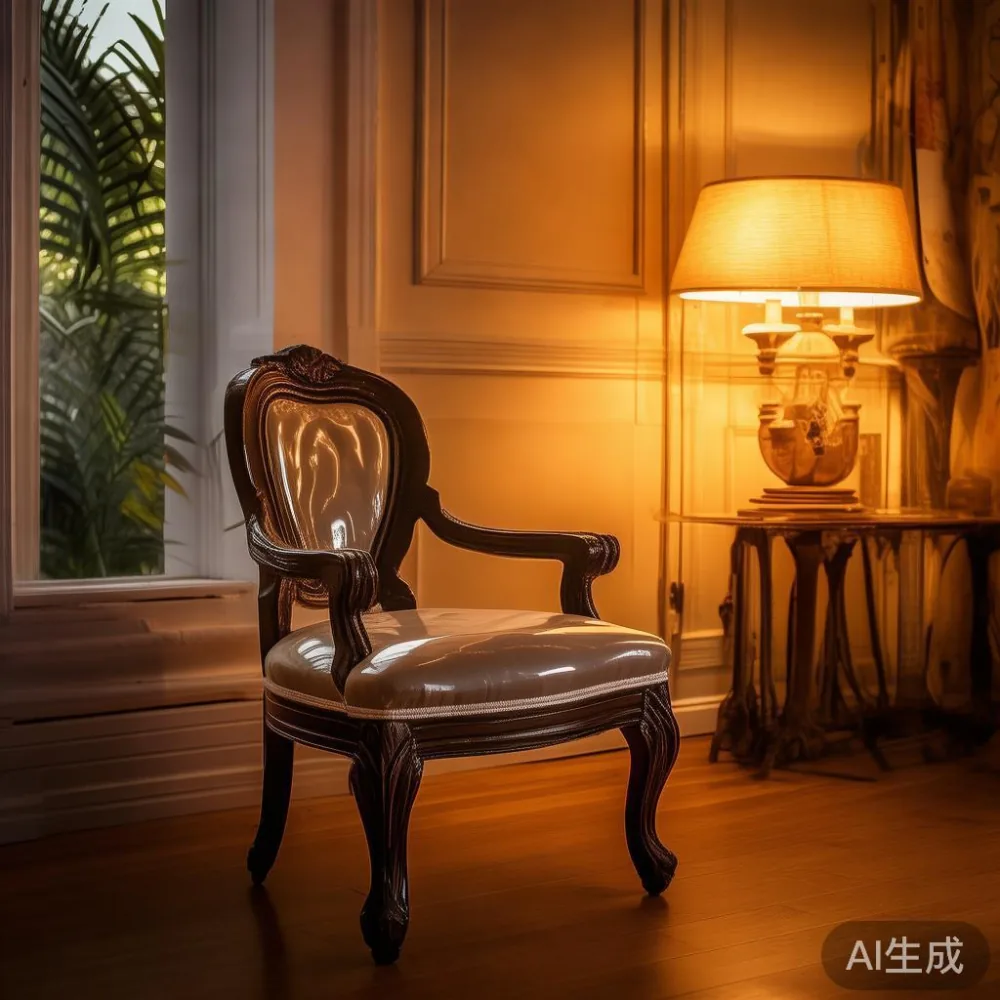
This guide applies specifically to lacquered solid wood accent chairs. It does not prescribe one treatment for every sheen or coating, because lacquer can mean factory-applied polyurethane, conversion varnish, or another cured film. The chair supplier or maker should confirm the finish before you use water, oil, solvent, or wax.
What humidity does to lacquered wood in Singapore?
Singapore’s annual relative humidity commonly ranges from about 65% to 85%, with episodes above 90% during heavy rain or poor indoor ventilation. Wood responds by taking in moisture, swelling slightly across the grain, and losing moisture when the air dries. A lacquer film slows that exchange, but cracks, pinholes, thin seams, and damaged edges can let humidity reach the timber underneath.
A comfortable indoor target is roughly 45% to 65% relative humidity. That range also suits many residents who prefer to run air-conditioning for part of the day. Keep the accent chair away from a dehumidifier’s direct airflow, which can dry one side faster than the other. A hygrometer placed beside the chair is more useful than guessing from a weather app.
Do not place the chair beside a bathroom doorway, kitchen sink, open window, or air-conditioning return. In a typical Tampines HDB flat, position it at least 60 cm from a persistently damp wall and 30 cm from a direct vent. In a Punggol condo near the coast, inspect balcony doors and window seals for visible water ingress. Salt does not have to be visible to contribute to corrosion on nearby metal fittings, although it does not normally attack a sound lacquer film directly.
Movement matters as much as moisture. An accent chair should not be dragged across tile. Lift it by the frame, not by the upholstered seat or armrests, and use furniture sliders beneath the legs. If the chair weighs 18 kg, two people should carry it; if it weighs 25 kg or more, use a three-person lift or a rated stair-climbing trolley.
How should I clean a lacquered accent chair?
Start with the mildest method: dust with a clean, dry microfibre cloth. For fingerprints and light marks, slightly dampen a second cloth with plain water, wring it until no water drips, and wipe the lacquer gently. Dry immediately with a separate cloth. Test an inconspicuous area under the seat for at least 24 hours if the maker has not specified a cleaner.
A common Singapore mistake is to spray cleaner directly onto the chair. Overspray can enter a seam, stain the timber, or leave a cloudy film. Instead, put 5 ml of a pH-neutral wood-care product on the cloth, not the lacquer. Avoid alcohol, ammonia, bleach, acetone, paint thinner, dishwashing liquid, and “spray and shine” products unless the finish manufacturer explicitly approves them.
Clean a heavily used lacquered seat once every 2 weeks, or weekly if it is touched daily. Wipe the legs and lower frame every 1 to 2 weeks because shoes and floor grit carry grit into joints. Never scrub with a green or yellow abrasive pad. Use a soft white cloth for a final check; grit trapped in a coloured cloth can scratch the clear coat.
Upholstery is a separate cleaning problem. Vacuum with a brush attachment at low suction every week, using a crevice tool around the seat edge and 300 ml of suction as a safe starting point. If the maker allows foam cleaner, apply about 10 ml to a clean cloth rather than the fabric, then blot rather than rub. Let the seat dry fully before use. A damp cushion in a humid flat can develop an odour within 24 hours even when the lacquer itself is dry.
Will sunlight fade or yellow a lacquered finish?
Yes. Direct sunlight can fade dyed timber and pigment within a lacquer film, while heat can soften or stress the coating. Ultraviolet exposure is cumulative, so a chair beside a west-facing window in Bedok can receive much more fading than one placed 2 m away.
Keep the accent chair at least 1.5 m from a south- or west-facing window, or use a curtain that filters most direct light. Sheer curtains alone may reduce brightness while still allowing damaging ultraviolet exposure. A lined blind or curtains with a washing rating of 40 plus provide a better barrier.
Do not place a lacquered chair over a hot engine room, beside a halogen reading lamp, or on a windowsill that can reach 45°C. Allow 30 cm of clearance from table lamps and radiators. Check the finish under oblique light once a month. Fine cracks, lifting at an edge, or a dull patch beside a pale armrest deserves professional attention rather than an immediate application of oil.
Oil is not a universal lacquer treatment. It may darken some water-based finishes, collect dust, or make the surface slippery. On an unknown coating, leave the film alone until the supplier identifies it.
How do I prevent dents, scratches, and swollen joints?
Give the chair a stable footprint. The rear legs should sit fully on the floor, with no rocking of more than 3 mm when tested by hand. A plastic or felt glide under each leg protects tile and reduces scraping. Replace a compressed felt pad every 6 to 12 months rather than layering several pads, which can create an uneven stance.
Use the chair as a chair, not a step, display shelf, or dining table. A 12 kg person shifting forward can place a surprising load on the front rail. Do not lean sideways on an armrest, and avoid standing on the seat. Keep sharp keys, belt buckles, pet claws, and hard toys away from the lacquer. A fitted cotton slipcover over the seat can reduce wear, provided it does not trap moisture.
Scratches need different responses. A fingernail mark on an intact film may disappear after gentle polishing with a clean microfibre cloth. A scratch through the film needs a documented touch-up kit matched to the sheen and colour. A split, blister, or lifted edge usually means the affected panel should be replaced or refinished. Avoid sanding the whole chair to disguise one local defect, especially where an exact-match lacquer is unavailable.
Watch for movement-related warning signs every 3 months. Look for a gap wider than 2 mm at the rear rail, a leg that moves more than 3 mm, or a joint that remains tight during the humid season. Repeated swelling and shrinking can loosen joints, so keep the chair indoors and maintain stable room conditions.
What should I check before a Singapore delivery?
Measure the route before ordering. A standard HDB lift may have a door opening around 90 cm and an internal depth near 130 cm, while a larger condo lift may provide a car opening of about 110 cm by 210 cm. These figures vary by block and refurbishment, so measure the actual lift rather than relying on a floor plan.
Measure the chair’s widest point, diagonal depth, and height. Add 5 cm of clearance on each side for the lift door and turning space. A chair packed at 68 cm wide may fit a lift but still be difficult to turn through a 85 cm corridor. If packaging increases the width to 74 cm, record that number too. Staircases, fire doors, and the flat’s main door can be tighter than the lift.
For a move involving a fitted solid wood sofa, bed frame, dining table, wardrobe, nightstand, or marble table, plan each connection separately. A solid wood bed frame may separate into pieces of 20 kg, while a marble table may need 4 trained handlers and a suction lifting system. These examples show why weight alone does not determine the delivery method.
MIDHILL was established in 2008 and exports to more than 15 countries. Its 10-year structural warranty and lifetime refinishing policy make finish records and construction details particularly useful during a Singapore purchase. Free delivery applies to qualifying orders above US$350, which is approximately SGD 470 before GST; confirm the current Singapore threshold and GST-inclusive total before payment. Standard returns are accepted within 14 days under the stated policy, subject to the item’s condition and documented exclusions.
At the doorway, photograph the chair, packaging, and delivery route. If a corner is crushed, note the exact location and visible timber colour before accepting it. Do not sign a “no damage” statement without inspection. After delivery, keep the chair in its intended room for at least 48 hours if it was stored in a cold vehicle or damp container, but do not wrap it in plastic while ventilation resumes.
How can light-luxury design support everyday care?
French light luxury often uses restrained profiles, pale upholstery, curved silhouettes, and reflective surfaces. Those details can flatter an accent chair, but a glossy pale finish also shows dust and fingerprints. A low-sheen lacquer can fit the same visual language with less visible wear. American light luxury, by comparison, tends toward generous comfort and practical detailing; washable seat covers and replaceable glides suit that approach.
Post-modern light luxury can combine clean planes with warmer timber tones, allowing the accent chair to sit beside a solid wood sofa, a solid wood bed frame, or a dining table without making the room feel visually crowded. A marble table may reflect the chair’s pale frame, while a wardrobe and nightstand can establish the surrounding storage palette.
Design decisions should include care. A loose cushion can be rotated every 2 weeks to distribute compression and fading. A slim side table placed 40 cm away gives the chair a functional zone without requiring repeated reaching. A concealed cable channel keeps adapters off the lacquer. These choices preserve the light-luxury appearance while reducing the need for harsh cleaning.
Buyers comparing broader room schemes may also research how to style Japandi sofa in room, how to style European light luxury bed in apartment, or American sofa vs Mid-century modern sofa. Those decisions are useful, but the accent chair still needs its own finish specification, humidity plan, and route survey.
Can a lacquered accent chair be repaired instead of replaced?
Sometimes, yes. Minor surface marks can be treated without removing the entire finish, while deeper damage may require a panel replacement or full refinishing. A colour match is more reliable when the original coating, sheen, and timber stain are known. Photograph the area in daylight and under a 500-lumen lamp so the technician can distinguish a colour difference from a change in reflected light.
Keep an information folder with the purchase date, finish name, sheen level, cleaning instructions, and warranty documents. If the chair includes other MIDHILL pieces, record the model references together. A solid wood dining table, wardrobe, nightstand, bed frame, and marble table may use coordinated materials but not necessarily the same lacquer, so never assume one cleaner suits every piece.
Professional refinishing should be quoted against measurable work: area prepared in cm², number of coats, expected drying time, colour code, and final sheen. Allow 7 to 14 days for a controlled refinishing service in Singapore, though transport and workshop schedules can extend this to 21 days. A repair should not be promised before the technician has inspected the chair.
For retail enquiries, MIDHILL can be contacted at +86 188 2788 2512. Ask for the chair’s exact dimensions, packed weight, finish code, care instructions, and delivery lead time. Market enquiries can also include wholesale European light luxury furniture, while product searches for European light luxury TV console or for sale Japanese furniture may help establish a broader material and design vocabulary. Keep the accent chair specification at the centre of the conversation, because a console or Japanese-designed piece does not provide the same humidity guidance as a lacquered chair.
What is the practical care routine for a Singapore home?
A sensible schedule is easier to maintain. Check the hygrometer every morning and keep readings between 45% and 65% where possible. Dust weekly, clean the lacquer every 2 weeks, and inspect sunlight exposure monthly. Inspect joints and floor glides every 3 months. Replace felt pads every 6 to 12 months, or sooner if they compress or tear. Review the finish after the first 30 days, at the end of each 6-month period, and before any major renovation.
My colleague tested a lacquered accent chair with a pale solid wood frame in a humid Singapore room last month. The room remained near 80% relative humidity for 11 days because of a broken bathroom exhaust fan. A dry-cloth check showed dust, but water-based cleaner left a visible bloom on one arm. The maker identified the finish as water-based polyurethane and advised dilution with 10 ml of cleaner in 500 ml of water. After the correction, the chair was wiped with a clean damp cloth and dried immediately. The mark disappeared, but the experience confirmed that cleaner approval should precede use.
The same test also showed why location matters. The chair had started 20 cm from an air-conditioning return, and one rear leg developed a slightly faster dust pattern. Moving it 60 cm away and reducing the airflow produced an even finish within 48 hours. The chair was not structurally damaged, yet the adjustment prevented unnecessary polishing.
For transport planning, compare the chair’s packed measurements with the actual lift and corridor before collection. A 70 cm corridor may require the chair to remain boxed and tilted through two turns, while a 100 cm corridor offers more freedom. Add at least 10 minutes for lift scheduling on the collection date. Confirm GST, the SGD total, the delivery days quoted for Singapore, and whether stair carry is included.
Lacquered accent chairs can remain attractive in Tampines, Bedok, Punggol, and other Singapore homes when moisture, light, grit, and load are managed. The finish is not indestructible, but measured care can preserve its colour and sheen for many years. Start by identifying the coating, measuring the delivery route, recording the maker’s instructions, and establishing a 30-minute maintenance session every 2 weeks.