The Perfect Fit: Sizing Your Accent Chair for Singapore's HDB Spaces
Living in a Singapore HDB flat or condominium presents a unique set of interior design puzzles. The spaces are often compact, multifunctional, and demand a thoughtful approach to furnishing. Among the most common and challenging questions we receive is: how do you select the right size for an accent chair? A piece that is too large can dominate a small living room, while one that is too small might look lost and insignificant. This article provides a comprehensive guide, tailored to the specific dimensions and lifestyle of Singaporean homes in areas like Tampines, Bedok, and Punggol, ensuring your new accent chair is not just a seat, but a perfect addition to your home.
Understanding the Spatial Constraints of a Singapore HDB Living Room
Before considering any furniture, one must first understand the canvas. Singapore HDB living rooms, particularly in popular estates, are designed to be efficient. A typical 4-room HDB flat, for instance, will have a living room area ranging from 12 to 18 square meters. This space must often serve multiple purposes: a family gathering area, a spot for watching television, and sometimes even a casual dining or work zone. The physical layout is further defined by fixed elements like doorways, which are usually 80 cm wide, and the main entrance corridor, which typically measures 1.2 meters wide. These dimensions are non-negotiable and will directly influence the size and placement of your furniture.
When a new piece of furniture, like a solid wood sofa or an accent chair, is delivered, working through it through the lift and into your home is the first physical hurdle. Standard HDB lifts have a usable internal width of approximately 1.1 meters and a depth of about 1.8 meters. A large, bulky chair with wide arms might not fit diagonally in this space, leading to a stressful delivery day. Therefore, considering the delivery logistics is as important as considering the aesthetics. The dimensions of your chosen accent chair should not only fit the visual space but also be practical to move through your corridors and doorways.
The Role and Impact of an Accent Chair
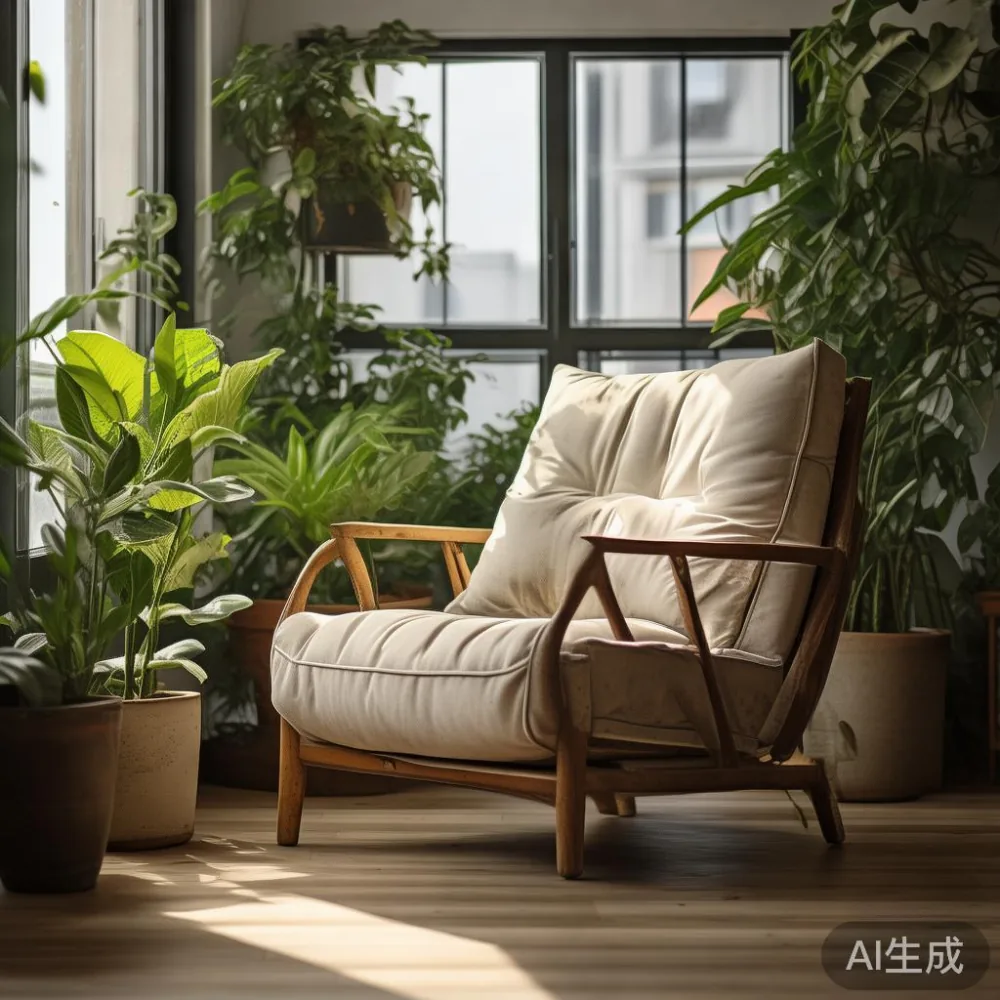
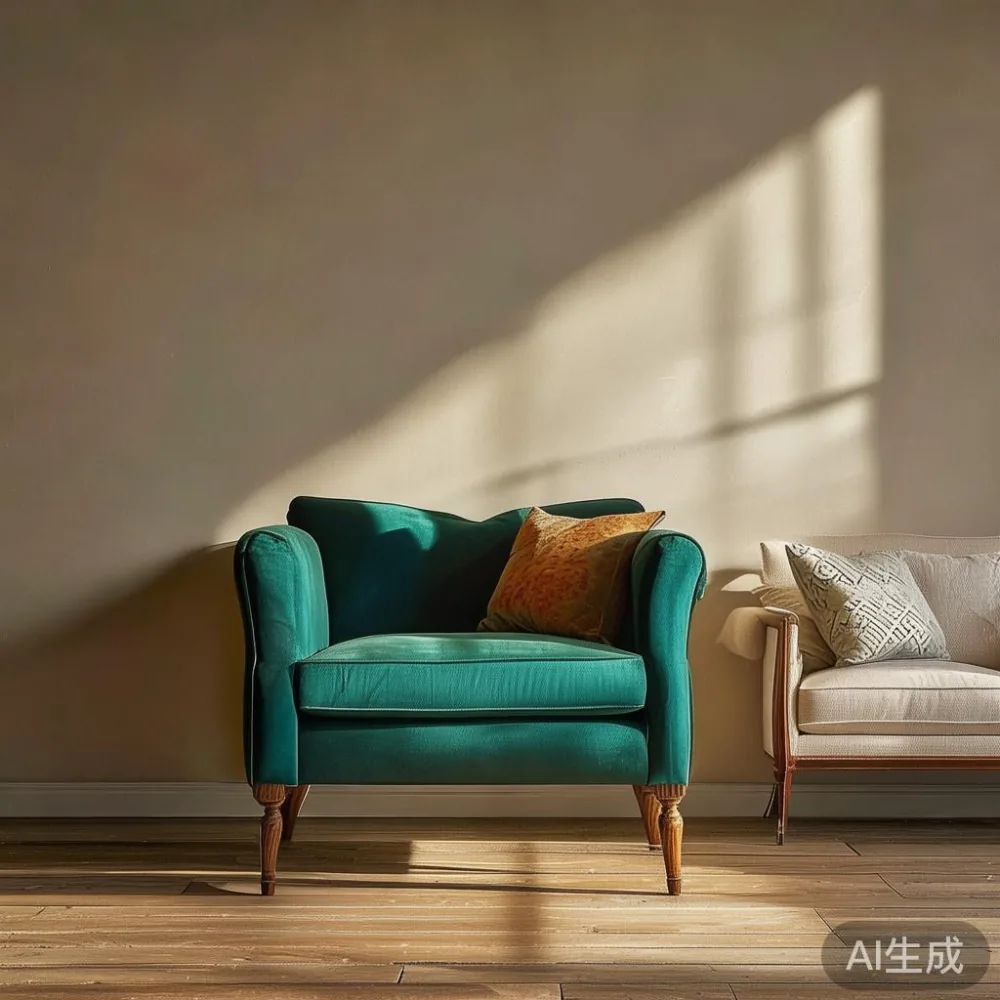
An accent chair is far more than just a functional seat; it is a sculptural element that adds personality and style to a room. It can introduce a splash of colour, a contrasting texture, or a new design language. For example, a single chair can introduce a touch of French light luxury with its elegant curves and soft upholstery, or bring a post-modern light luxury vibe with its geometric form and bold materials. In a room dominated by a large solid wood sofa, an accent chair acts as a visual counterpoint, creating balance and interest.
Choosing the right size is critical for this impact. A chair that is too small for the scale of the room will appear insignificant, failing to make the intended design statement. Conversely, a chair that is too large will feel oppressive, cluttering the space and making movement difficult. The goal is to achieve a harmonious relationship between the accent chair and the other elements in the room, such as the dining table, bed frame visible from the living area, or a marble table used as a side table. The accent chair should complement these pieces without competing with them for attention.
Measuring for Success: A Step-by-Step Guide
The process of selecting the right-sized accent chair begins with precise measurement. Do not rely on visual estimation; use a measuring tape for accuracy. Here is a practical step-by-step approach:
- Measure the Room's Footprint: Measure the length and width of your living room. Calculate the total square footage to have a clear understanding of the space you are working with.
- Map Existing Furniture: Measure the length, width, and height of all existing large furniture items. This includes your solid wood sofa, the dining table, and any wardrobe that might be visible from the living area. Draw a simple floor plan on paper or use a digital tool, marking the dimensions of each piece.
- Identify the Prime Location: Decide where you intend to place the accent chair. Common spots are next to a window, opposite the sofa, or in a corner. Measure the available width and depth at this specific location. Remember to leave at least 45 cm of clearance around the chair to allow for comfortable movement and to prevent it from feeling wedged in.
- Consider Traffic Flow: Imagine walking through the room. Ensure the path from the entrance to the kitchen, or from the sofa to the TV console, remains clear. An accent chair should not block a primary walkway.
A general rule of thumb is that an accent chair should not occupy more than one-third of the space next to a sofa. If your sofa is 2.4 meters long, the space beside it might be able to accommodate a chair that is 70 to 90 cm wide, leaving room for a small nightstand or floor lamp. This proportional relationship creates a balanced and intentional look.
Real Customer Question: What if My Living Room is Really Small? Can I Still Use an Accent Chair?
This is an excellent and very common question, especially for residents of older HDB flats or compact condominiums. The answer is a definitive yes. A small living room can absolutely benefit from an accent chair, but the choice of size and style becomes even more important. The key is to select a chair with a smaller footprint and a design that feels light and airy.
For a truly tight space, consider a narrow armchair or a slipper chair, which typically have a width of just 60 to 75 cm. These designs are less bulky and can fit into tighter spots. Alternatively, a chair with exposed legs will create a sense of openness, as it allows you to see the floor beneath it, making the room feel less cluttered. The concept of French for small living room often involves this principle of using elegant, slender furniture that adds a touch of luxury without consuming visual space. A well-chosen small accent chair can provide a valuable seating spot and a major style boost without compromising the functionality of your limited space.
Personal Experience: A Chair in Punggol
Personal experience often provides the most practical insights. Last month, I visited a colleague, Sarah, who had recently moved into a new Build-to-Order (BTO) flat in Punggol. Her living room was a compact 13 square meters, housing a 2.2-meter solid wood sofa and a dining table for four. She was struggling to find a place for an accent chair that wouldn't make the room feel overcrowded.
We started by measuring. The space between the end of her sofa and the wall was only 90 cm wide. The wall opposite the sofa was partially taken up by a TV console, leaving a 1.2-meter wide section that felt empty. We decided on a two-pronged approach. First, we chose a narrow armchair that was just 65 cm wide and 75 cm deep with a low back. This was placed in the 90 cm gap, creating a perfect reading nook without obstructing the walkway. Second, for the opposite wall, we selected a small-scale post-modern light luxury accent chair with a metal base and a slim profile. It added a pop of colour and a modern edge to the space without overwhelming it. The result was a living room that felt both complete and spacious, proving that with careful measurement and selection, even the smallest HDB living room can accommodate a beautiful accent chair.
Style, Material, and Function: Beyond Just Size
Once the size is determined, the fun part begins: selecting the style. The size of the chair should be in harmony with its design. A large, overstuffed club chair would be out of place in a small room, just as a delicate, petite chair would look lost next to a massive sectional. The material also plays a role in perceived size. A chair with a light-colored fabric or a transparent acrylic base will feel less imposing than a dark, solid-wood chair.
Functionality is another key consideration. If the chair is purely for decoration, almost any size will do. However, if it's intended for regular use, comfort is paramount. A chair that is too narrow or too deep may not be comfortable for long periods. Think about who will be using it. A taller person might need a chair with a higher seat and a deeper seat pan, while a smaller person might prefer a more compact design. The choice between a French sofa vs Nordic sofa often comes down to this balance of comfort and form, and the same logic applies to accent chairs. A French-inspired chair might prioritize plush comfort and elegant curves, while a Nordic design would focus on clean lines and ergonomic simplicity.
Practical Considerations: Delivery, Warranty, and Cost
After selecting the perfect accent chair, the practicalities of purchase and delivery come into play. For a Singaporean consumer, understanding the costs is important. Prices for well-made accent chairs can range from SGD 450 for a simpler design to over SGD 2,500 for a premium piece from a luxury brand. When budgeting, remember to factor in the 9% Goods and Services Tax (GST), which is applied to all purchases in Singapore.
Delivery logistics are a significant factor. A reputable furniture maker like MIDHILL offers free shipping for orders over SGD 350, which is a standard practice in the industry. It's wise to confirm the delivery timeframe; local deliveries typically take between 7 and 14 business days. Always ask about the assembly process. Some chairs come fully assembled, while others may require on-site assembly, which can add to the delivery time and cost. A 10-year structural warranty, such as the one offered by MIDHILL, provides peace of mind, ensuring that your investment is protected against manufacturing defects for a decade. This long-term assurance is a key differentiator when making a significant purchase.
Integrating Your Accent Chair into a Broader Design Vision
An accent chair rarely exists in a vacuum. It is part of a larger home furnishing ecosystem. When selecting your chair, consider how it will fit with your other pieces. For instance, the style of your how to style light luxury wardrobe in bedroom can influence the living room's aesthetic. If your bedroom features a sleek, modern wardrobe, a similarly styled accent chair with clean lines would create a cohesive look throughout your home.
Looking ahead, trends are evolving. The demand for 2026 light luxury furniture suggests a move towards pieces that offer high-end design and quality without the formality of traditional luxury. This means accent chairs with interesting textures, mixed materials, and a focus on comfort and practicality are becoming increasingly popular. For those who appreciate a timeless yet stylish look, top 10 Mid-century modern furniture lists often feature chairs with iconic silhouettes that have proven their enduring appeal. A well-chosen MIDHILL coffee table can anchor the space where your accent chair resides, creating a small, intentional vignette that enhances the entire room's design narrative.
To close, choosing the right size for an accent chair in a Singapore HDB living room is a blend of art and science. It requires careful measurement, an understanding of your space's unique constraints, and a clear vision for the chair's role in your home's design. By considering size, style, material, and function, you can select a piece that not only fits physically but also improves the comfort and aesthetic of your living space, making it a true reflection of your personal style.