Accent Chairs for Warm Minimal Interiors in Singapore
A warm minimal interior is not the same as a cold, empty room. It should feel calm, but still offer places for the eye to rest: pale timber, woven textures, gentle lighting, and 1 or 2 pieces with enough character to become focal points. An accent chair is especially useful here because it can make a compact Singapore home feel considered without filling it with unnecessary furniture.
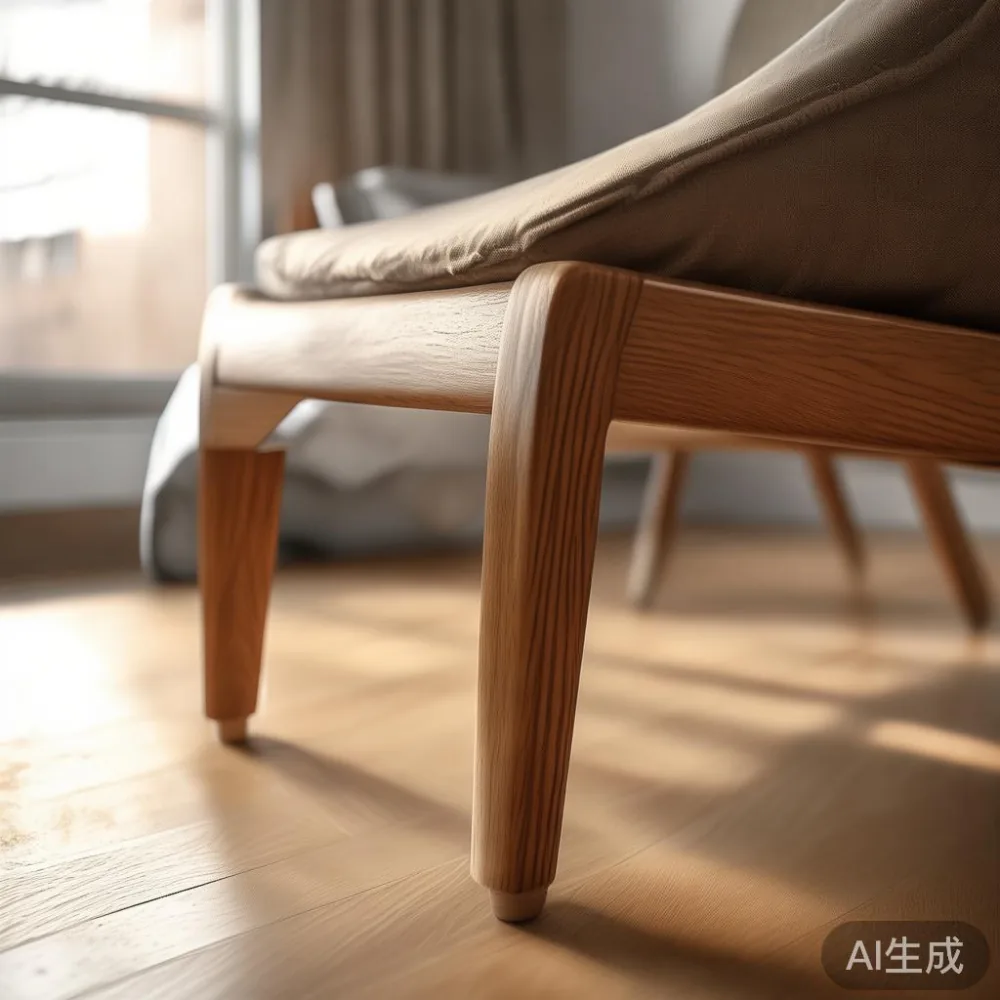
In a Tampines HDB flat, a Punggol condo, or a newer Bedok home, the challenge is usually circulation. A chair may look generous in a showroom but become awkward beside a dining table or opposite a bed frame. Measurements in centimetres, clearances in centimetres, and realistic delivery planning matter as much as colour. Below, I explain how to choose, place, and maintain an accent chair while keeping the room warm, light, and practical.
What makes a warm minimal interior feel inviting rather than bare?
Warm minimalism relies on proportion, texture, and light. Start with a limited palette of 3 main colours: warm white, light beige, and a medium timber tone. Add darker accents only in small quantities, such as charcoal legs or a muted olive cushion. Avoid matching every surface exactly; slight variation creates depth without making the room look busy.
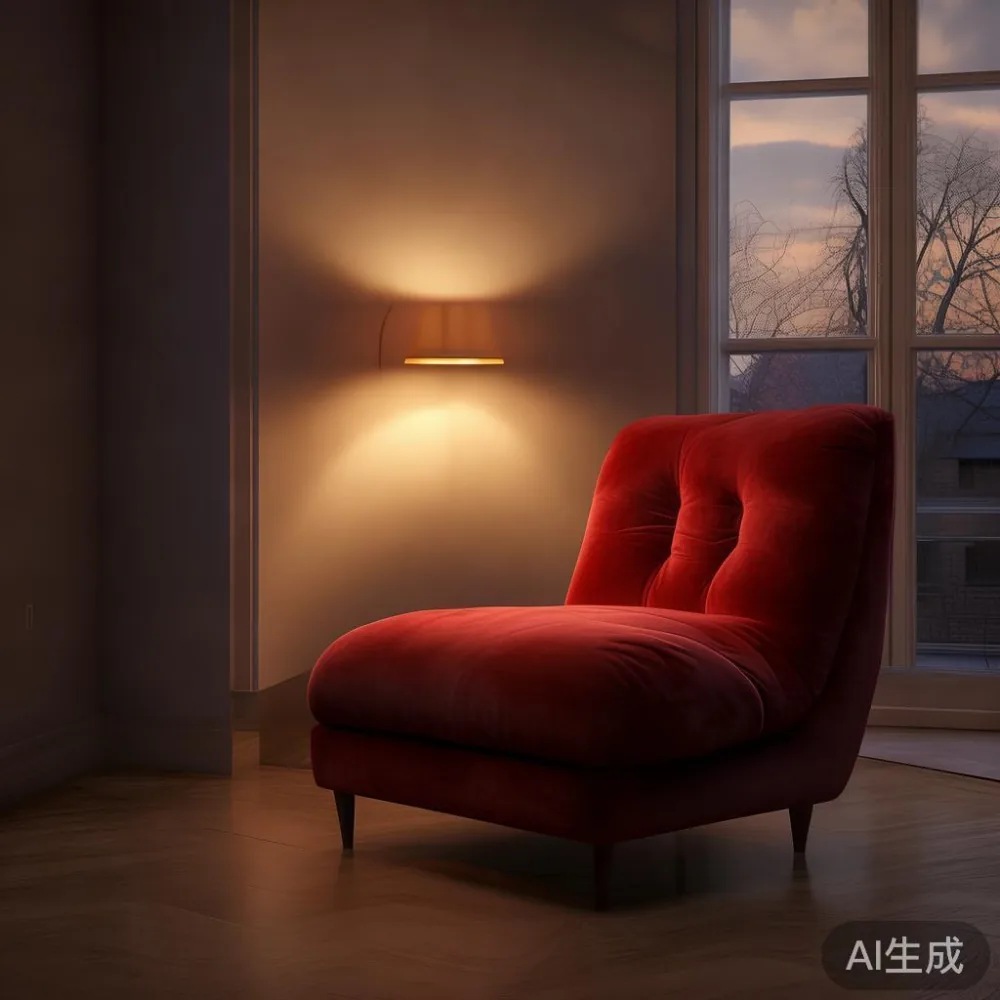
For flooring, oak-toned boards and pale engineered timber work well in many Singapore interiors. If you already have a solid wood sofa, choose a chair whose wood tone sits close to it, then introduce contrast through fabric rather than a very different stain. With a solid wood bed frame, repeat the same principle in the bedroom or nearby reading corner. Warm minimalism works when objects relate to one another but do not all compete for attention.
Light also changes the mood. A 2700K to 3000K lamp gives timber and fabric a softer appearance than a cool white ceiling light. In a living room, a floor lamp placed beside an accent chair can create a comfortable evening zone. In a bedroom, a nightstand with a warm bedside lamp is enough; you do not need a large collection of lights. For a dining area, a pendant hanging about 70 to 90 cm above the dining table helps define the space and keeps the surface visually active.
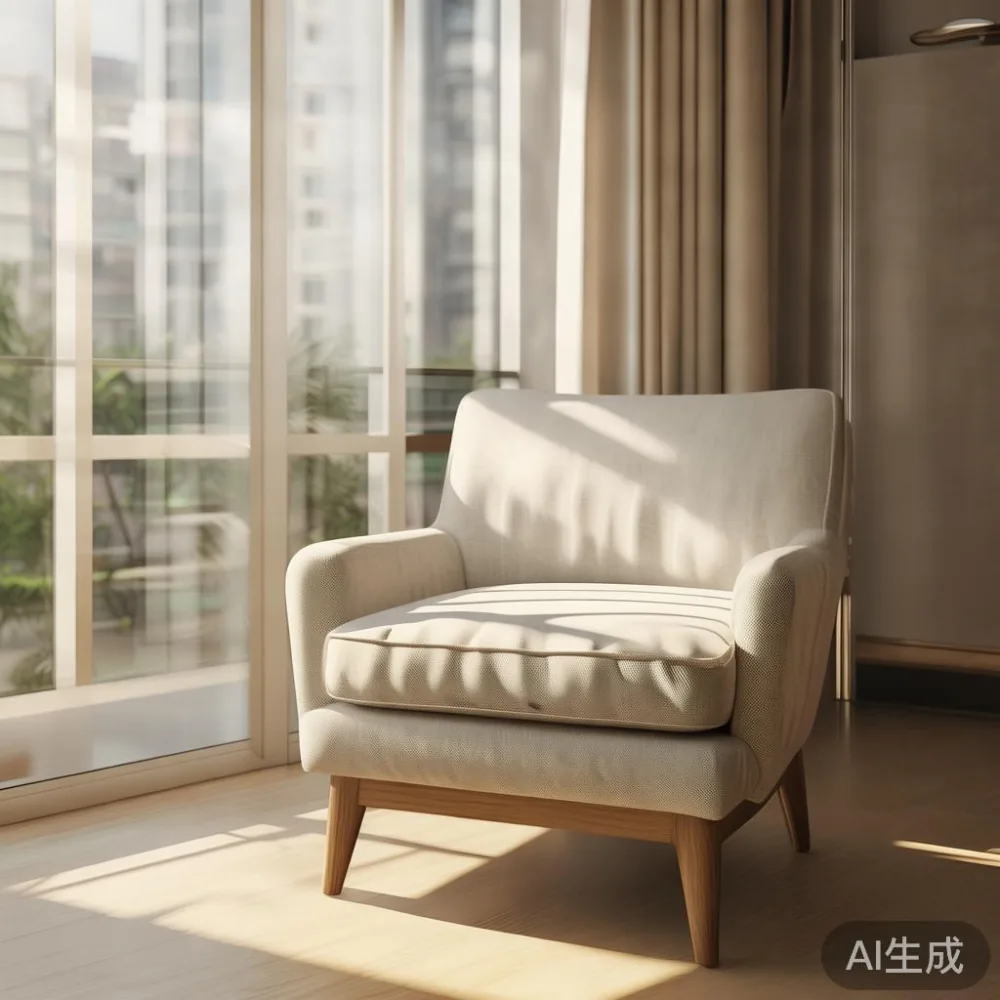
Texture is another inexpensive way to prevent minimalism from feeling flat. Linen, cotton, bouclé, light wool, or a finely woven upholstery can provide visible variation. Keep the chair’s seat depth between 45 and 55 cm for most adults, and aim for a seat height of 40 to 46 cm. Those figures make the accent chair easier to use with a dining table or as a reading chair beside a sofa.
How do I measure an accent chair for a Singapore HDB flat or condo?
Measure the chair, not just the empty room. Record the width, depth, and height, then add a circulation allowance. A chair positioned beside a sofa should normally have at least 35 cm of clearance between the front edge and the sofa or table. If it sits in a walkway, leave at least 75 cm where people pass regularly. Lift and corridor widths deserve equal attention: check the building’s access information before ordering, especially for a chair with wide arms or a deep back.
Common lift doors in Singapore residential buildings are often around 90 cm wide, though internal dimensions can vary. A chair with a 62 cm body width may fit through the door, but turning space inside the lift can still be limited. Ask the building management for the lift car dimensions and the shortest corridor section. If the chair is delivered assembled, measure the route from the service entrance to the unit door. If it is flat-packed, check the package length and weight rather than assuming the assembled size will fit.
I visited a client’s 3-room HDB flat in Tampines last month to assess a reading corner that had been difficult to furnish. The original chair measured 78 cm wide and 84 cm deep, so it looked fine against the wall but blocked the route between the dining area and kitchen. We selected a 64 cm-wide accent chair with a 58 cm depth and moved it 12 cm closer to the wall. The new layout kept roughly 82 cm of walking clearance and made the corner usable without widening the path. That small adjustment showed why millimetres are more useful than vague statements about a chair being “compact.”
Also consider weight and floor protection. A solid timber chair may weigh 12 to 18 kg, while a metal-frame chair may weigh 8 to 12 kg. Neither figure is a reason to avoid solid wood, but heavier pieces need careful lifting. Use a furniture lift or ask the delivery team for two-person handling where required. Do not drag unprotected legs across tile or laminate; felt pads cost only a few SGD and help preserve the finish.
Which materials work best for warm minimalism?
Solid wood is a natural fit because it adds grain, warmth, and a sense of permanence to a restrained room. White oak, ash, beech, and walnut are common choices, although the final colour depends on the stain and finish. For a light interior, clear-coated oak or a pale ash finish usually works well. A darker walnut accent chair can work too, provided it is balanced by pale walls and adequate lighting.
Choose upholstery according to how much the chair will be used. Linen and cotton suits a lightly used reading chair, while a tightly woven polyester blend is easier to clean in a family home. Velvet can look luxurious, but it should be used deliberately because its pile reflects light differently throughout the day. If you have children or pets, select a removable cover with a 30°C or 40°C wash instruction where possible.
Marble is often used for a marble table or a small side table, but it does not need to appear beside every other material. Warm minimalism benefits from contrast: a solid wood sofa beside a marble table, or a solid wood dining table with a textile accent chair, can feel more balanced than several glossy surfaces. Keep stone surfaces uncluttered, with no more than 3 objects unless the table is genuinely large.
For a light-luxury direction, French light luxury often means curved edges, tactile fabrics, and carefully chosen details. American light luxury tends toward clean profiles, generous comfort, and a slightly relaxed finish. Post-modern light luxury can combine simple forms with one unexpected element, such as a sculptural back or a muted colour. An accent chair is an efficient place to introduce that character: 1 distinctive piece is usually enough for a room of 10 to 20 square metres.
Which accent chair suits a compact living room or dining area?
Begin with the chair’s job. If it is for reading, choose a seat height of 40 to 44 cm, a back height of 75 to 90 cm, and an arm height that supports the forearms. If it is for occasional dining use, a firmer seat between 42 and 46 cm high will work better with a standard dining table measuring 72 to 76 cm high. If the chair will be used mainly as decoration, prioritise silhouette and scale rather than deep comfort.
A slim dining chair can complement a solid wood dining table without making the space feel crowded. Look for a width of 45 to 52 cm and a depth of 50 to 58 cm. Leave 60 to 75 cm between the chair and the table edge when chairs are not tucked in, or about 30 to 45 cm of pull-out space for each place. In a narrow dining corner, a chair that tucks fully under the table can save more than 20 cm of visual space.
For a living room, an upholstered accent chair with a rounded back introduces softness against straight lines. If the sofa is already curved or plush, choose a chair with a more architectural outline to create contrast. If the sofa is very simple, a gentle curve in the chair can provide the focal point. Keep the coffee table 35 to 45 cm from the chair’s front edge, and make sure the table is not narrower than 70 cm if several people will use the seating area.
Do not assume that matching styles will create harmony. A dining table, bed frame, wardrobe, or nightstand can all use solid wood, but their proportions should still coordinate. Check the leg height, edge profile, and wood tone. One chair with a slightly darker frame can tie a room together more effectively than several pieces that are identical but placed without breathing room.
How do I combine an accent chair with a sofa, bed frame, and dining table?
A useful rule is to repeat one visual idea across the room. If the solid wood sofa has visible tapered legs, select an accent chair with a similar leg angle. If the dining table has rounded corners, choose a chair with a curved back or arm. If the bed frame has a flat, rectilinear profile, a chair with a soft upholstered form will prevent the bedroom from feeling too mechanical.
For the living area, keep the accent chair opposite or at an angle to the sofa rather than directly in the main doorway. In a 4-room HDB flat with a compact living room, one chair may be enough; in a larger condo living space, 2 chairs can frame a window or flank a short sofa. Avoid placing chairs so close together that knees or armrests interfere. A gap of 40 to 60 cm is comfortable for a conversation arrangement.
In the dining room, the chair should relate to the table without disappearing into it. A timber frame with an oatmeal cushion gives warmth and remains practical for weekday meals. If you are comparing options using phrases such as Japanese sofa vs Modern sofa or light luxury sofa vs French provincial sofa, apply the same principle to chairs: Japanese-influenced forms often suggest simplicity and low visual weight, while Modern sofa silhouettes tend toward cleaner geometry. The right choice depends on your room, not on a label.
For product research, searching for for sale Japandi furniture can help you compare pale timber, restrained profiles, and tactile upholstery. If your shortlist includes the best Japandi sofa for 2026, notice whether the accompanying chair uses similar wood and textile tones. For a bedroom, the question is European light luxury bed worth it? depends on the finish, storage, and clearances, not just the headboard. An accent chair placed near a solid wood bed frame should not obstruct a wardrobe door or reduce access to a nightstand.
MIDHILL’s solid wood approach is relevant because the visible material should remain coherent from one piece to another. Still, measure each item separately. A wardrobe may need a 90 cm door-opening zone, a bed frame may need 60 cm at the sides for drawers, and a dining table may need 75 cm behind each seated person. These practical details are part of the style.
How can I make a warm minimal accent chair look light-luxury?
Light luxury comes from precision, restraint, and finish quality. Inspect the joints, the underside, the leg attachments, and the upholstery seams. A chair that looks clean from a distance may have uneven stitching or a loose back. Check that the seat is firm enough to return to its shape and that the feet sit evenly on the floor. A few minutes of inspection can prevent an expensive replacement later.
Use 1 material contrast and 1 colour contrast. For example, pair a pale solid wood frame with a cream bouclé seat and charcoal legs. Or use an oak frame with rust-coloured fabric, provided the surrounding room stays neutral. Do not add 5 cushions, 3 throws, and 2 different rugs to a 12-square-metre room. One textured cushion and one small lumbar pillow are usually enough.
Finish the styling with objects that have purpose. A 30 cm ceramic vase, a stack of 2 books, or a tray with a remote control can make the chair feel occupied without clutter. Leave the floor beneath it clear so its silhouette is visible. If the chair sits near a window, avoid heavy curtains that press against the back; sheer curtains with a warm white colour can soften the light while preserving the minimal feeling.
For practical purchasing, ask for the actual dimensions, the delivery lead time, and the warranty terms. A 10-year structural warranty is more useful when the chair’s construction is clearly defined, including how the frame and joints are covered. MIDHILL also offers lifetime refinishing, which can be valuable for solid timber pieces exposed to daily use. Confirm whether refinishing applies to the chair frame, the finish, or both, and keep the care instructions.
Budget in SGD rather than relying on vague claims. A well-made solid wood accent chair may cost SGD 650 to SGD 1,800, while a simpler upholstered chair may fall between SGD 350 and SGD 700. Fabrics, timber species, joinery, and delivery access affect the final price. GST is included for Singapore purchases, while cross-border delivery may involve separate taxes or fees. A free-shipping threshold over US$350 does not automatically mean a Singapore room has access to every service, so check the destination details before checkout.
What should I check before delivery, installation, and returns?
Confirm the chair’s packaged dimensions, weight, and delivery window before payment. Singapore delivery commonly takes 7 to 14 working days for in-stock configurations, but made-to-order pieces can take 4 to 8 weeks. Peak periods around renovation and the year-end holidays may add time. Ask for a tracking update and whether the delivery includes carrying the item to the door, room placement, or assembly.
Measure the lift and corridor one more time after the order is confirmed. If the packaged item is 75 cm long and 30 cm wide, it may fit through a 90 cm lift door but still need to be turned carefully. If the chair is delivered fully assembled, confirm whether the delivery team can manoeuvre it around tight corners. If it is flat-packed, keep the packaging until you have checked for damage.
Singapore homes may have smooth tile, matte laminate, or varnished timber flooring. Protect the surface with felt pads or a thin protective layer, and avoid placing a heavy chair directly beneath a frequently used sliding door. If the chair rocks, check the floor level and the feet before tightening anything. Uneven flooring is common in older HDB units and can make a well-made chair appear unstable.
Most sellers offer a 14-day return window, but used furniture and made-to-order items can have different conditions. Read the policy before ordering, especially if you want a specific fabric colour. Photograph the chair on arrival, inspect it in daylight, and report transit damage promptly. For long-term care, dust with a soft brush, vacuum upholstery monthly, and wipe timber with a slightly damp cloth followed by a dry cloth.
Which room layout gives an accent chair the most visual impact?
Place the chair where the room needs balance, not where it merely fits. If the sofa sits against one wall and a large blank corner occupies the other side, an accent chair can anchor that area, especially with a floor lamp or a narrow side table. If the room already has enough seating, use the chair near a window as a small reading station instead of creating another conversation zone.
Warm minimalism also depends on negative space. Keep at least 60 cm between the chair and a wardrobe or bed frame where possible. Do not fill the gap with a plant that blocks the walkway; place the plant behind or beside the chair, where it can add height without taking floor area. A floor lamp should sit behind the chair’s front edge, with its base fully on the floor and at least 15 cm away from the wall if the shade needs space.
For a dining setting, leave enough space for someone to pull the chair back and stand. A 75 cm aisle behind a seated person is a practical target, though 90 cm is more comfortable in a frequently used route. In a Punggol or Tampines condo with an open-plan layout, repeat the chair’s timber tone in the dining area and keep the living area’s upholstery slightly lighter. This creates continuity without making every piece identical.
Finally, consider what the chair communicates when you enter the home. A pale wood frame and rounded upholstery may make a compact flat feel softer; a dark frame and slim profile may make a formal condo feel more ordered. The right accent chair should support the room’s daily life: comfortable enough for 15 minutes of reading, sturdy enough for 6 people to use it at different times, and visually restrained enough that the room still feels open.
For further specifications or to compare available finishes, the MIDHILL website at www.midhill.co is a useful reference. The important decision is not simply whether a chair looks light-luxury, but whether its dimensions, materials, and delivery route suit your home. Measure first, check the details, and choose the accent chair that balances warmth with useful space.