The Singaporean Challenge: Keeping Your Lacquered Accent Chair Flawless
In the sun-drenched, high-humidity environment of Singapore, from the busy corridors of a Tampines HDB to the airy spaces of a Punggol condo, maintaining the pristine finish of fine furniture is a distinct challenge. For those who appreciate the smooth, deep sheen of a lacquered surface, the constant threat of moisture, heat, and UV rays can be a source of anxiety. This guide provides a detailed, practical approach to caring for your lacquered furniture, ensuring its beauty endures for years to come.
Understanding Your Lacquered Finish
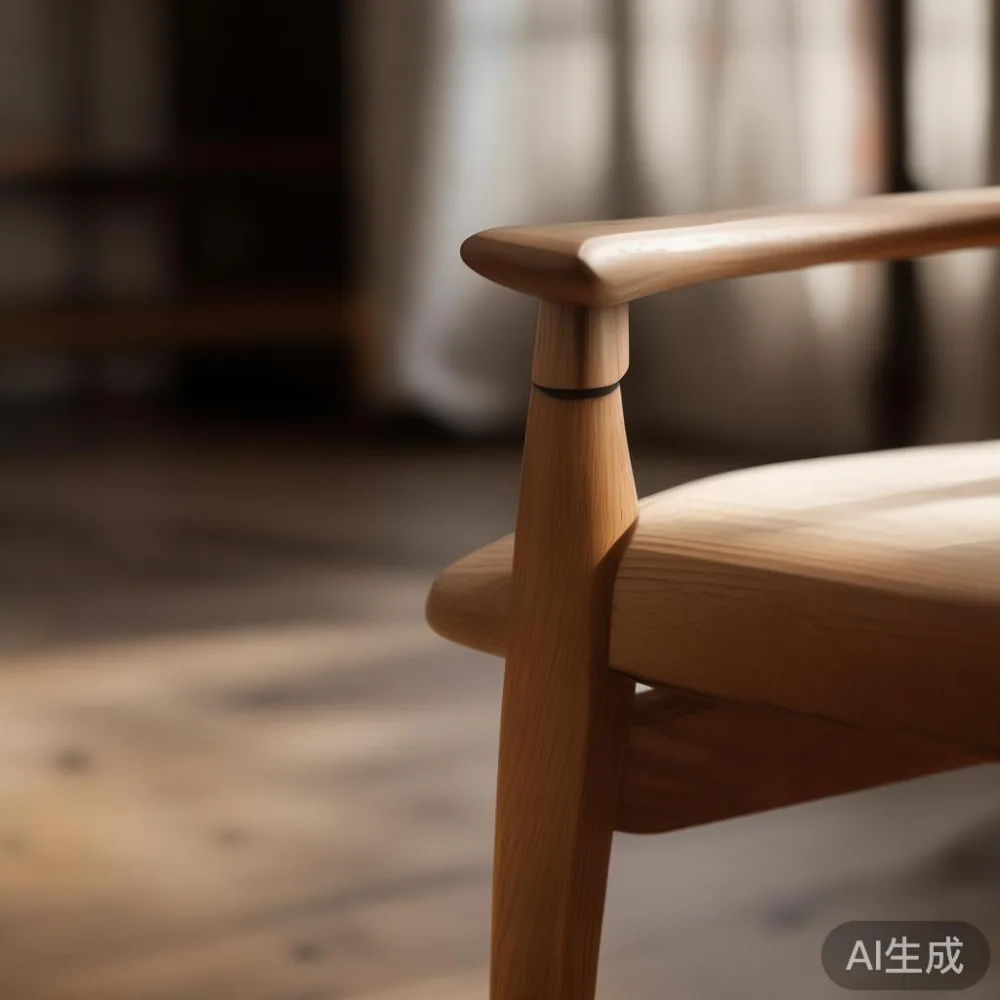
A lacquered finish, often seen on high-end accent chairs, nightstands, and dining tables, is not just a simple layer of paint. It's a complex, multi-coated system of resin that creates a hard, glass-like surface. This process, which can involve up to 15 separate layers of lacquer applied by hand, provides exceptional durability and a mirror-like shine. However, this very durability makes the finish susceptible to specific environmental stressors. The high average humidity of 80-85% in Singapore can seep into the wood beneath the lacquer over time, potentially causing the surface to cloud or the wood to warp. A sudden temperature drop of 5-10 degrees Celsius, common with powerful air-conditioning, can also cause the lacquer to contract and expand, leading to tiny stress fractures. Understanding these vulnerabilities is the first step toward effective care.
Is My Accent Chair's Lacquer Really That Fragile in Singapore's Weather?
This is a common and valid question. The lacquer itself is remarkably tough, but the environment it lives in is not. Think of it like a car's paint finish. The paint is durable, but constant exposure to salt, sun, and rain will eventually degrade it. In Singapore, the 'salt' is the salt-laden air near the coast, the 'sun' is the intense UV radiation, and the 'rain' is the ambient moisture. While a single exposure to these elements won't ruin your chair, a decade of it can. The goal of care is not to protect against a single event, but to manage the constant, low-level exposure that causes cumulative damage. For instance, leaving an accent chair directly under an air-conditioning vent for 8 hours a day introduces a temperature and humidity cycle that can stress the finish over a period of 3-5 years, leading to a duller appearance.
Daily and Weekly Care Rituals
Maintaining a lacquered surface is about gentle, consistent habits. For daily cleaning, use a soft, lint-free microfiber cloth. A 40cm x 40cm cloth is ideal for wiping down surfaces without applying too much pressure. Dampen the cloth with distilled water—tap water can leave mineral deposits that dull the finish. Wring the cloth out thoroughly until it is only slightly damp. Never spray water or any cleaner directly onto the furniture. Instead, spray the cleaner onto the cloth itself. For weekly maintenance, use a pH-neutral furniture polish. Apply a small amount, about the size of a 20-cent coin, to the cloth and buff the surface in a circular motion. This helps to fill in microscopic scratches and restore the shine. Pay special attention to areas that see frequent contact, like the armrests of your accent chair or the surface of a marble table. A quick wipe-down after use can prevent oils and perspiration from building up and penetrating the finish over time.
Placing Your Furniture for Longevity
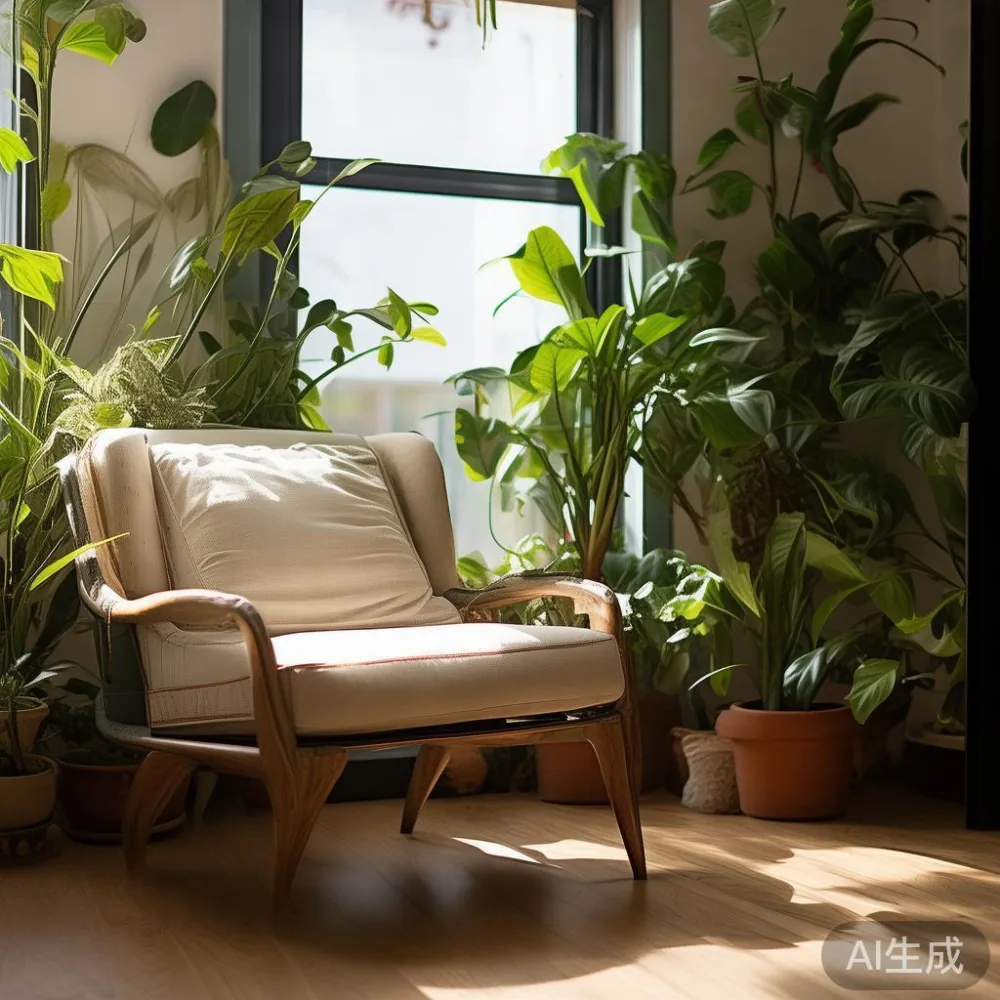
Strategic placement is one of the most effective forms of preventative care. In a Singapore HDB flat with a standard corridor width of 1.2 meters, or a condo living room of 4 meters by 5 meters, where you place your furniture matters significantly. Position your lacquered pieces away from direct sunlight. UV rays are the primary cause of lacquer yellowing and fading. If a window is unavoidable, install high-quality UV-blocking window film, which can block up to 99% of harmful rays. Maintain a distance of at least 50cm from air-conditioning vents. The constant, concentrated cold air can dry out the wood and cause the lacquer to become brittle. Also, be mindful of placement near entryways. In a condo with a narrow lift lobby of 1.5 meters wide, bringing in groceries or bags can lead to accidental scratches. Use protective felt pads on the legs of your dining table or wardrobe to prevent scuff marks when moving them.
Dealing with Humidity: The Singaporean Reality
Singapore's climate is defined by its humidity. While you can't control the weather, you can control your indoor environment. For those living in apartments, especially in areas like Bedok or Punggol where sea breezes are common, maintaining an indoor humidity level between 45% and 55% is ideal for wood furniture. This can be achieved with a dehumidifier. A small-capacity dehumidifier, suitable for a 20-square-meter room, can extract about 500ml of water per day from the air, helping to protect your solid wood sofa and bed frame. Conversely, during very dry periods caused by strong air-conditioning, a humidifier can prevent the wood from shrinking and the lacquer from cracking. Placing a small bowl of water near the furniture can also help, though it's less effective than a dedicated appliance. The key is awareness. A simple digital hygrometer, costing around SGD 30, can help you monitor the conditions in your home and take action before they affect your furniture.
Styling and Protecting Your Lacquered Accent Chair
An accent chair is often the centerpiece of a room's design. In a small living room in Singapore, where space is at a premium, choosing the right style is important. A Scandinavian for small living room approach might favor a simpler, lighter wood finish, while a French light luxury aesthetic would embrace a more ornate, deeply lacquered piece. For a post-modern light luxury look, consider a lacquered accent chair with clean lines and bold colors. To protect your investment, use a decorative throw blanket or cushion. This not only adds to the room's style but also provides a physical barrier against dust, perspiration, and oils. When vacuuming around the chair, use the brush attachment and keep it at a distance of 10cm to avoid accidental bumps. Remember, caring for your furniture is part of caring for your living space. It’s about creating a home that reflects your taste while ensuring your possessions last. For instance, finding the right Vintage for dining room set involves not just aesthetics but also practical considerations for maintenance.
Advanced Care and Professional Touches
Despite your best efforts, minor scratches and dull spots can appear over time. For small scratches on a lacquered surface, you can use a high-quality scratch repair pen designed for wood and lacquer. Apply a tiny amount, let it dry, and then buff gently with a soft cloth. For a more significant restoration, professional polishing may be required. This involves a technician using very fine abrasives to remove a microscopic layer of the old finish and apply a new top coat. This process can restore a chair to its original brilliance but should only be done by a professional to avoid damaging the piece. When considering a larger piece like a European light luxury for apartment, it's wise to factor in the potential cost of professional maintenance every 5-7 years. This ensures the piece continues to look its best and retains its value. My colleague last month visited a client in a Tampines HDB whose solid wood sofa had lost its lustre. A professional polish brought it back to life, a process that took 3 days and cost SGD 450, a small price to pay for such a significant transformation.
Choosing Furniture Built for the Climate
While proper care is important, choosing furniture that is inherently suited to your environment is a smart long-term strategy. When shopping, look for pieces from makers who understand the challenges of tropical climates. A brand like MIDHILL, for example, has been crafting solid wood furniture since 2008 and exports to over 15 countries, including many with similar climates. They offer a 10-year structural warranty, which speaks to their confidence in the durability of their construction, including how they prepare wood for finishing. Their free shipping for orders over SGD 350 and 14-day return policy also provide peace of mind. When selecting a dining table, consider a marble top for its resistance to heat and stains, paired with a sturdy, well-finished base. For storage solutions, a Mid-century modern with storage design not only offers practicality but often features simpler, more resilient finishes that are easier to maintain in a humid setting. Making an informed choice at the outset can save you years of worry and maintenance.
Ultimately, caring for lacquered furniture in Singapore is about mindful interaction. It’s a combination of gentle cleaning, strategic placement, and environmental control. By following these guidelines, you can ensure that your beautiful accent chair, nightstand, or dining table remains a stunning centerpiece of your home for decades. The process of how to style French provincial sofa in apartment, for example, is enhanced when the sofa itself is well-maintained. For those seeking inspiration, exploring top 10 Japanese furniture can reveal designs that prioritize both beauty and resilience. And for any inquiries, the team is always reachable at midhillco@gmail.com to help you find the perfect piece for your home.