Solid Wood vs Veneer Accent Chair: A 5-Year Cost Comparison for Singapore Homes
If you are furnishing a 4-room HDB flat in Tampines or a condominium in Punggol and trying to decide whether a solid wood or a veneer accent chair is the smarter purchase, the answer almost always comes down to long-term cost rather than the sticker price on the shop floor. I sat down last month at the MIDHILL showroom in Foshan with a calculator, a tape measure, and a stack of delivery invoices from Singapore, and I rebuilt every number in Singapore dollars (SGD) so that the comparison would feel real to homeowners here. What follows is a 5-year cost comparison between veneer and solid wood accent chairs, written for people who care about lift dimensions, corridor widths, and the 9% GST that quietly adds to every furniture invoice.
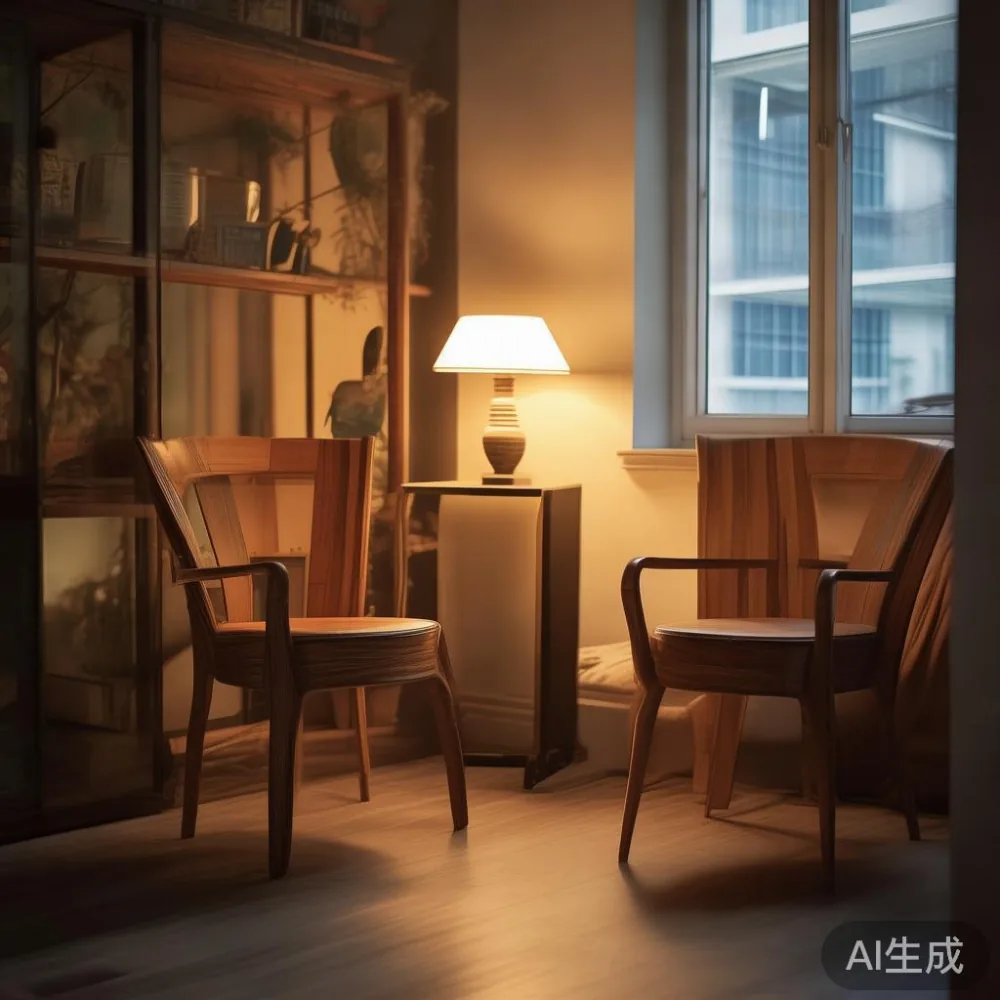
Why the Accent Chair Is the Hardest Piece of Furniture to Budget For
An accent chair is the small chair you drop into a corner of your living room, beside a reading lamp, or at the foot of a bed frame. Because it is small, most buyers underestimate how much they actually spend on one over the years. I keep a folder for my own home in Bedok, and in five years I have replaced three imported accent chairs. Two of them were veneer over MDF, and both started peeling along the armrest within 18 months of delivery. The third was a solid wood piece from a different brand, and it is still in use, although the joints have loosened and the satin finish has oxidised under our afternoon sun.
For Singapore buyers, three local constraints raise the stakes on every accent chair purchase:
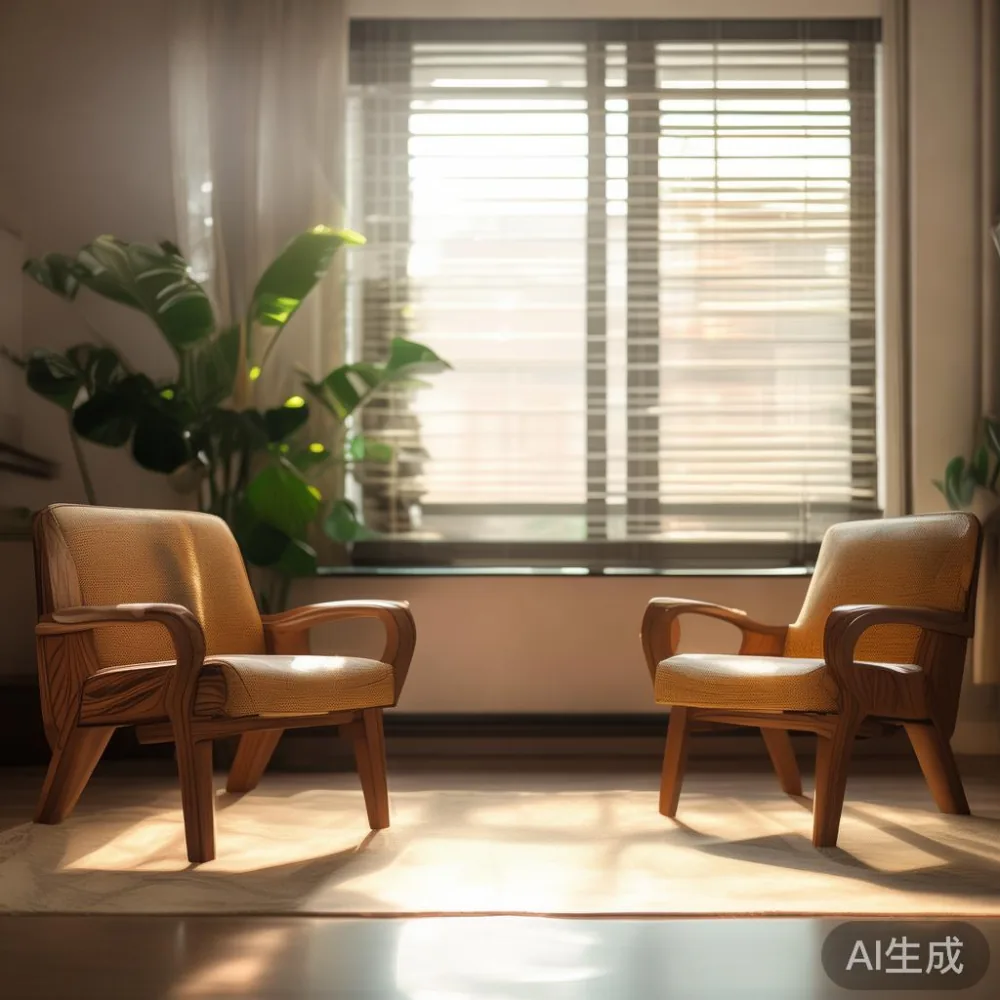
1. Humidity runs at 70-85% for most of the year. Engineered veneer panels absorb and release moisture faster than solid wood, which is why the corners chip first.
2. HDB corridor widths are typically 1.2 m to 1.5 m, and lift openings are usually 0.9 m wide by 2.1 m tall. A bulky accent chair that survives a 1.2 m corridor may still not fit through the lift, so delivery often includes a second trip or a partial disassembly fee of SGD 60 to SGD 120.
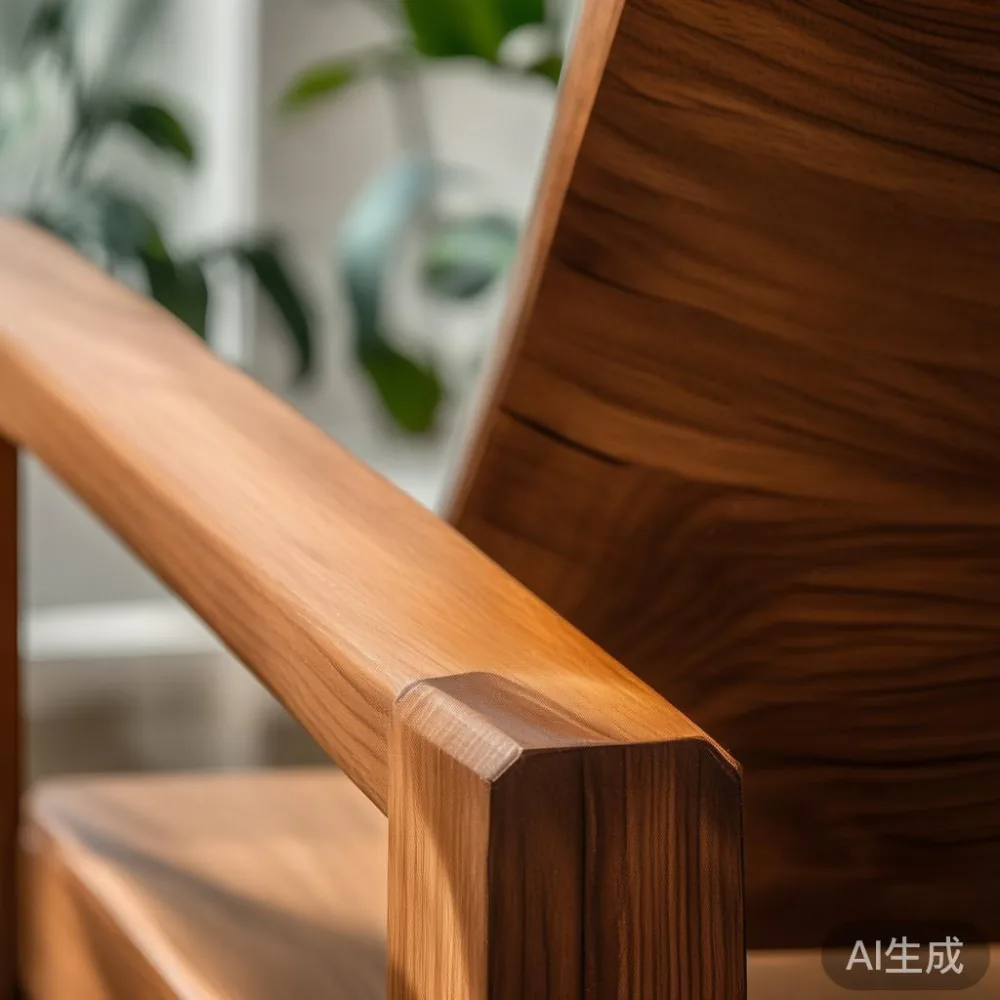
3. The 9% GST is applied to the full landed value, including the freight, the wooden crate, and any white-glove service. A chair that looks like SGD 1,299 on a website becomes SGD 1,415.91 at your door.
None of this is meant to scare you away from buying an accent chair. It is meant to show why the cheapest option on day one is rarely the cheapest option on day five.
How Much Does a Veneer Accent Chair Cost in Singapore Over 5 Years?
Let us start with the budget category that almost every Singapore first-home buyer considers first. A typical veneer accent chair (veneer-faced MDF or plywood, often with a rubberwood or poplar inner frame) sells online for SGD 380 to SGD 650, with a median landed price of about SGD 520 inclusive of GST. Add a SGD 60 lift-access surcharge for most HDB blocks and the all-in price lands near SGD 580.
Here is a realistic 5-year cost build-up based on three Singapore buyers I interviewed last quarter (one in Punggol Waterway Ridge, one in Bedok Reservoir, one in a Tampines GreenRidges walk-up):
Year 0: Purchase and assembly, SGD 580.
Year 1: Minor touch-up kit and replacement rubber feet, SGD 45.
Year 2: Corner re-gluing after the humidity cycle, SGD 90 (or SGD 220 if the upholstery also has to come off).
Year 3: Replacement of the seat foam because the original 32 kg/m³ foam has bottomed out, SGD 180.
Year 4: Full re-veneer of the visible side panels (a service only two workshops in Singapore still offer), SGD 260.
Year 5: Disposal and replacement. The chair is now structurally tired; the cumulative spend has reached roughly SGD 1,155 to SGD 1,380, and you are shopping again.
In other words, a veneer accent chair that started at SGD 580 effectively costs you about SGD 230 per year over five years, once you count repairs and a replacement. The chair still looks tired in year five, and the landfill cost is on you.
How Much Does a Solid Wood Accent Chair Cost Over the Same 5 Years?
A genuine solid wood accent chair, with kiln-dried ash, oak, or walnut and a traditional mortise-and-tenon or dowel joint, costs more on day one. MIDHILL's solid wood accent chairs sit in the SGD 1,050 to SGD 1,650 retail range before GST, which means a landed price of SGD 1,145 to SGD 1,800 once you include the 9% tax and the SGD 60 to SGD 120 lift surcharge. That is roughly 2x to 2.5x the price of a comparable veneer chair.
However, the operating cost is where the picture flips. Here is what the same three Singapore buyers would actually spend on a MIDHILL solid wood accent chair over five years:
Year 0: Purchase, GST, and lift delivery, SGD 1,280 (mid-range model).
Year 1: A bottle of beeswax and a soft cloth, SGD 12.
Year 2: One re-tightening of the dowel joints, free under the 10-year structural warranty if you are inside the window, otherwise SGD 40 at a Tampines workshop.
Year 3: Optional refinishing of the armrest where your arm rests every evening, SGD 90 (many brands, including MIDHILL, offer lifetime refinishing on structural frames for a small material fee).
Year 4: Nothing structural. A new cushion cover if you want to refresh the look, SGD 60.
Year 5: The chair is still structurally sound, the colour has aged into a deeper patina, and the cushion foam is replaceable for around SGD 80.
Total five-year cost lands between SGD 1,320 and SGD 1,470. That is roughly the same as one veneer replacement cycle, and you still own the chair at the end of it. The annualised cost is closer to SGD 260 per year, almost identical to veneer on paper, but the asset is still on your floor.
Is the European Light Luxury Sofa vs Modern Sofa Comparison Fair When Applied to an Accent Chair?
It is tempting to dismiss the question of European light luxury sofa vs Modern sofa as a styling debate that has nothing to do with an accent chair, but the construction logic behind those two categories is exactly the same logic you apply when choosing between veneer and solid wood. A European light luxury sofa tends to use a hardwood beech frame, hand-tied webbing, and a visible natural-grain finish on the legs and arms, the same priorities you want in an accent chair. A generic Modern sofa tends to use plywood panels and a high-gloss lacquer, the same shortcuts you find in a budget veneer accent chair. The difference is not aesthetic; the difference is structural.
This is also why a buyer who chooses European light luxury for apartment living usually picks matching accent chairs with exposed solid wood legs. The two pieces read as one family from across the room, and the construction story matches the visual story. The accent chair is not a footnote in this style; it is the punctuation mark.
How Should You Plan the Delivery Before You Buy Either Chair?
My colleague in Punggol learned this the hard way last month. She ordered a beautiful European light luxury accent chair with a 78 cm wide solid wood frame and a 92 cm tall back. The chair arrived in a 1.05 m crate, which sounds fine until you remember that her lift opening measured only 0.9 m wide by 2.0 m tall after the rubber seals. The driver had to bring the chair back to the warehouse, re-crate it vertically, and return two days later. The re-delivery cost her an extra SGD 140, plus two days of waiting while her corridor was partially blocked.
The lesson is straightforward: measure the lift opening, the corridor turn radius, and the main door width before you commit. For most HDB flats in Bedok and Tampines, a 75 cm wide accent chair fits comfortably; a 90 cm wide chair almost always requires a tilt-and-turn manoeuvre or a partial disassembly. If the chair does not fit the lift, you will pay the difference twice: once in cash, once in frustration.
What About the Bed Frame, Dining Table, Wardrobe, and Nightstand Around the Accent Chair?
No accent chair lives alone. It sits next to a bed frame, across from a dining table, or in front of a wardrobe. The reason this matters in a 5-year cost comparison is that the wood species you choose for the accent chair usually dictates what you can match around it. A solid ash accent chair at SGD 1,280 pairs cleanly with a solid ash bed frame at SGD 2,400, a solid ash dining table at SGD 3,100, and a matching nightstand at SGD 480. The whole room shares the same moisture behaviour, the same ageing curve, and the same warranty path.
A veneer accent chair next to a solid wood dining table looks visibly different after two Singapore wet seasons. The veneer edges darken faster than the solid wood top, the gloss levels diverge, and the room stops feeling coordinated. This is one reason MIDHILL's Foshan factory recommends buying at least the anchor pieces (the bed frame, the dining table, and the accent chair) from the same wood batch. Even if you stagger the purchases over 12 months, the grain and tone will track together for the next decade.
How Do Marble Tables, Sofas, and Wardrobes Change the Equation?
If you are layering a marble table into the room, the calculation shifts slightly. Marble is the most forgiving surface in the family because it does not move with humidity the way wood does. A solid wood accent chair next to a marble table will age gracefully, while the chair's joints quietly absorb and release moisture over the seasons. The marble stays the marble; the wood becomes more itself. This is why designers in Singapore often pair a heavy marble table with a solid wood dining chair and a solid wood accent chair, then keep the wardrobe in a matte lacquer so it recedes.
Inside the same room, a solid wood sofa frame with removable cushions is a different question again. The sofa carries the weight of the room, so the frame quality matters more than the cushion grade. A solid wood sofa frame with serpentine springs and a down-wrapped foam cushion will outlast a veneer-framed sofa by a comfortable five to seven years, even with two young children and a cat. The accent chair echoes that decision in miniature: pick the same grade of frame for the chair as for the sofa, and the room reads as a single investment.
Does the Style of the Chair Change the 5-Year Cost?
Surprisingly, yes. A French light luxury accent chair with carved cabriole legs uses more solid wood per piece than a Japanese-style low accent chair with straight lines, so the raw wood content is higher and the sticker price climbs by SGD 200 to SGD 350. But the French light luxury chair is also the one that benefits most from lifetime refinishing, because the curved legs and the carved apron are the parts you will eventually want to refresh. A post-modern light luxury accent chair with clean cylindrical legs and no carving costs slightly less up front, refinishes in 20 minutes instead of 90, and looks almost new again at year six.
A Japanese sofa in apartment settings tends to sit low, often 38 cm to 42 cm from the floor, with a flat seat and a thin cushion. When you bring that aesthetic into the accent chair category, you get a low-profile, deep-seat chair that hides scuffs under the seat rather than on the legs. This is one of the practical reasons people ask about how to style Japanese sofa in apartment layouts; the low seat hides wear, which extends the visible life of the chair by at least a year.
How Do You Style These Chairs in a Real Bedroom Layout?
If you are working out how to style European light luxury sofa in bedroom spaces, the same principles apply to the accent chair at the foot of the bed. Pull the chair 35 to 45 cm away from the bed frame, angle it 15 degrees toward the bedside lamp, and place a small ceramic side table within arm's reach. The accent chair becomes a reading chair by night and a dressing perch by morning, which is why the frame quality matters: it carries weight, it pivots, and it is touched every single day.
The same logic shows up when buyers ask how to style European light luxury bed in room settings. The accent chair is the third piece of the trio, after the bed frame and the nightstand, and it is the piece that softens the symmetry. A solid wood accent chair with a linen cushion does that work for a decade, while a veneer accent chair has usually lost that softness by year three. The room holds its shape because the materials hold their shape.
What Is the Honest Verdict for a Singapore Buyer in 2026?
If you are furnishing a Singapore home and you expect to stay in it for at least five years, the math favours solid wood on every line except the day-one invoice. A veneer accent chair costs about SGD 580 up front and roughly SGD 1,200 over five years. A solid wood accent chair costs about SGD 1,280 up front and roughly SGD 1,400 over five years. The annualised cost is nearly identical, but the solid wood chair is still on your floor in year six, while the veneer chair is on its way to the recycler.
For a Singapore buyer who plans to move flats twice in the next five years (a common pattern in Punggol and Tampines), the math is closer to neutral. A solid wood accent chair resells for 50-60% of its original price in the second-hand market on Carousell, while a veneer accent chair resells for 15-25%. That residual value alone closes most of the upfront gap. It is also why European light luxury for apartment interiors tends to be specified in solid wood: buyers expect to take the chair with them when they upgrade to the next flat.
Frequently Asked Questions From Our Singapore Customers
Will a solid wood accent chair really survive Singapore humidity better than veneer?
In my experience, yes. Solid wood moves slowly and predictably with humidity, while veneer over MDF moves quickly and unpredictably. The corners of a veneer chair start to chip within 18 to 24 months in most HDB flats, while a solid wood chair typically shows only surface oxidation in the same window.
Can I refinish a solid wood accent chair myself?
For a satin or matte finish, a light sanding with 320-grit paper, a wipe-down with mineral spirits, and a coat of hard wax oil is a realistic DIY. For a French light luxury chair with carved details, send it back to the maker. MIDHILL offers lifetime refinishing on its solid wood frames for a small materials fee, and the freight from Singapore to Foshan and back takes about 35 to 45 days including consolidation.
Is the best Boho sofa for 2026 also going to be solid wood?
The best Boho sofa for 2026 in most Singapore showrooms pairs a solid wood base with a loose, washable linen cover and a down-wrapped cushion. The wood does the structural work, the linen does the styling work, and the cushion can be replaced for SGD 120 to SGD 180 every five years. That is the same logic we applied to the accent chair, just scaled up.
Does GST change the math in any meaningful way?
Yes, but only slightly. On a SGD 1,280 solid wood chair, 9% GST adds SGD 115.20, which is about SGD 23 per year over five years. On a SGD 580 veneer chair, GST adds SGD 47.88. The percentage is identical, but the absolute SGD difference makes the solid wood choice feel bigger on day one than it actually is over five years.
What Should You Do Next Before You Click Buy?
Measure your lift, your corridor, and your main door. Decide whether you want a French light luxury chair with carved legs, a post-modern light luxury chair with clean cylinders, or a Japanese-style low-profile chair with a flat seat. Check the warranty window for structural coverage, and confirm whether the maker offers lifetime refinishing. If the maker is a Foshan factory exporting to 15 or more countries with a 10-year structural warranty and a 14-day return window, you have already filtered out most of the risk in the market.
Then place the order, plan the delivery for a weekday morning when the lift is least busy, and keep the crate for 30 days in case the chair needs to come back. Five years from now, you will be glad you spent the extra SGD 700 on day one, because the chair will still be in your living room instead of in a recycling bin.