The Anatomy of Price: What Actually Drives the Cost of a Solid Wood Accent Chair
In the quiet corners of a Singaporean home, from the compact living rooms of a Tampines HDB flat to the spacious layouts of a Punggol condominium, a single piece of furniture can serve as the anchor for a room's entire aesthetic. It’s not just a place to sit; it’s a statement of taste, a reflection of quality, and a long-term investment in one's personal space. For many, that piece is an accent chair. Yet, walk into any showroom or browse online, and the price range for solid wood accent chairs can be staggering, from a modest SGD 450 to an eye-watering SGD 3,500 and beyond. What separates one chair from another? Is it the brand, the wood, or the story behind it? As a specialist who has spent years examining the furniture industry, I can tell you the answer is a complex interplay of factors, far removed from simple markups. The true cost of a solid wood accent chair is a narrative of material, craftsmanship, design, and practical logistics, especially in a market like Singapore.
Why Does a Solid Wood Accent Chair Cost More Than a Fabric One?
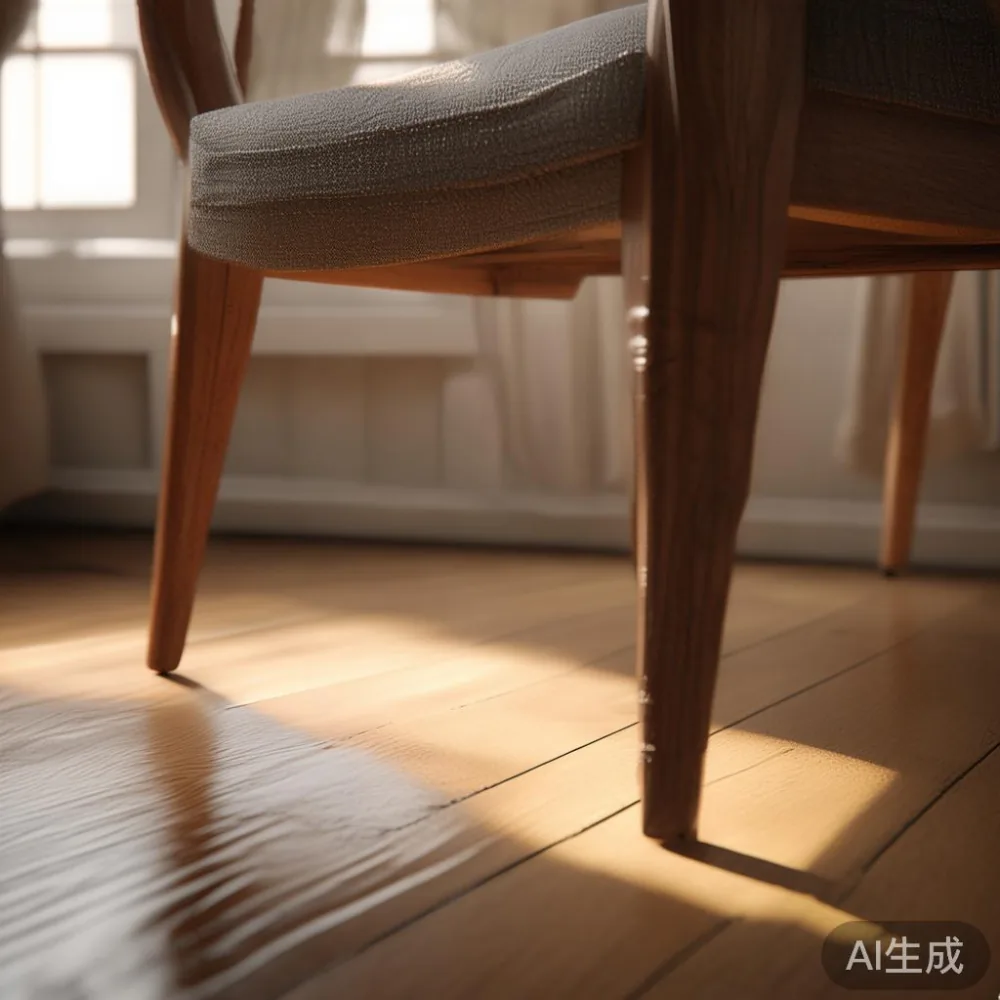
The most fundamental reason for the price difference lies in the raw material itself. Solid wood, unlike engineered wood or plastic composites, is a natural product with inherent qualities that directly impact its cost and value. A solid wood accent chair is carved from a single piece of timber or meticulously joined from solid wood boards. This means the chair possesses a unique grain pattern, a warmth that synthetics cannot replicate, and a structural integrity that allows for decades of use. The weight is a tell-tale sign; a solid wood accent chair can weigh between 12 kg and 25 kg, depending on the wood species, whereas a fabric chair on a metal or plastic frame might weigh 8 kg. This heft translates to material cost, as high-quality timber like oak, walnut, or teak is a finite resource. The price of this timber is subject to global market fluctuations, logging regulations, and the distance it travels. For a chair to be considered 'solid wood,' the frame, legs, and often the backrest must be constructed from these solid planks, a process that consumes significantly more raw material than a chair with a simple wooden veneer applied over a cheaper particleboard core. This commitment to genuine material is the first, and most significant, pillar of a solid wood accent chair's price.
What Is the Real Cost of Craftsmanship in a Single Accent Chair?
If the material is the foundation, then craftsmanship is the soul of a premium solid wood accent chair. This is where the difference between a mass-produced item and a piece of functional art becomes most apparent. A high-quality chair is not assembled; it is built. The process begins with wood selection. An expert craftsman will look for boards with straight, consistent grain and minimal knots to ensure strength and beauty. These boards are then cut, planed, and sanded to precise dimensions. Joints are the critical points of stress in any chair. In a well-made piece, you will find dovetail joints, mortise and tenon joints, or finger joints, not just screws and cheap glue. These time-honored techniques create interlocking connections that are incredibly strong and allow the wood to expand and contract with changes in Singapore's humidity without compromising the structure.
Last month, I visited a workshop in Foshan that supplies several international brands. I watched as a master carpenter spent 45 minutes just hand-cutting the mortise and tenon joints for a single chair leg and apron. This level of precision, which cannot be replicated by a machine, is a direct labor cost. The finishing process is equally labor-intensive. A solid wood accent chair receives multiple coats of a high-grade, eco-friendly lacquer or oil. Each coat must be applied, left to dry, and then hand-sanded with increasingly fine grit paper—up to 400-grit or higher—to create a glass-smooth, durable surface that feels as good as it looks. This process can take over 10 hours per chair. This meticulous, time-consuming work is performed by skilled artisans whose wages are a substantial part of the final price. It’s an investment in a chair that will not wobble, will not peel, and will only grow more character with age.
How Does Design and Style Influence the Price of an Accent Chair?
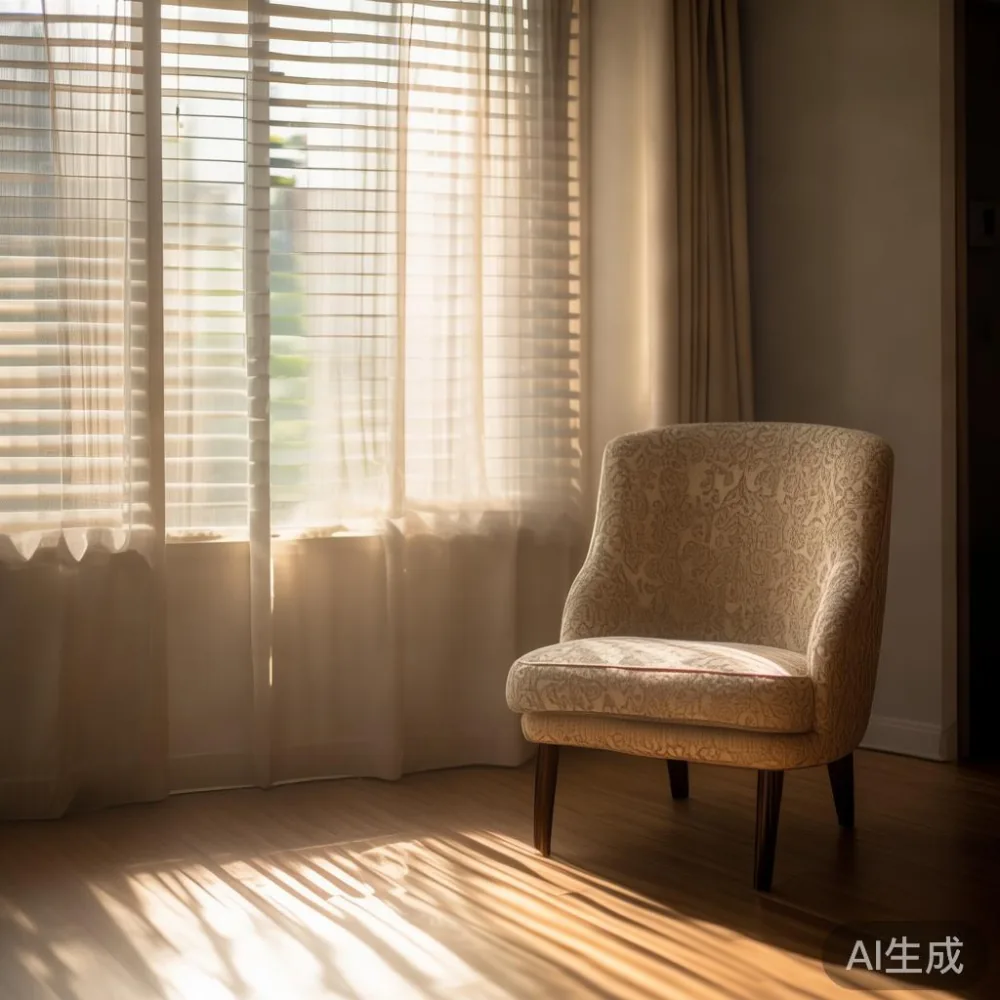
Not all solid wood accent chairs are created equal, and design is a major differentiator. A simple, functional design with straight lines and minimal ornamentation will naturally be less expensive to produce than a complex, ornate one. However, we often see prices rise for designs that are not necessarily more complex, but are more fashionable or associated with specific, desirable aesthetics. The current market is heavily influenced by trends like French light luxury, American light luxury, and post-modern light luxury. A French light luxury accent chair, for example, might feature elegant, curved lines, button-tufted upholstery on the seat back, and polished brass or brushed gold accents. This requires not only skilled woodworking to create the curved frame but also additional materials like high-density foam, premium fabric or leather, and metal hardware, all of which add to the cost.
Similarly, a post-modern light luxury accent chair might have a bold, geometric silhouette or incorporate unexpected materials like marble inlays for the tabletop of a side table. The design's intellectual property also plays a role. Original designs created by renowned designers or in-house design teams for a brand like MIDHILL carry a premium. This is because the design process itself—sketching, prototyping, refining—represents a significant investment. When a customer chooses a specific style, they are paying for the creative vision and the exclusivity of that design. A plain, unadorned ladder-back chair will always be less expensive than a chair that embodies a sought-after aesthetic, even if both are made from the same solid wood.
Is a European Light Luxury Accent Chair Worth the Extra Money?
This is a question we hear frequently from clients in Singapore. The answer depends entirely on what you value. A European light luxury accent chair, such as those from brands like Minotti or Poltrona Frau, represents the pinnacle of design and craftsmanship. The price, often exceeding SGD 5,000, reflects a level of detail that is almost obsessive. The wood might be sourced from sustainable European forests, the leather might be hand-selected from a specific tannery in Italy, and the stitching might be done by artisans who have honed their craft for decades. The fit and finish are flawless, down to the invisible details. For the homeowner in a Bedok condominium who views their furniture as a form of art and a long-term legacy piece, this investment might be entirely justified.
p>However, it is important to understand that you can achieve a similar aesthetic and quality level from other excellent manufacturers. The value proposition lies in aligning the price with your personal needs. For a family in a Tampines HDB, where the lift and corridor widths are a practical constraint, a beautifully made but more compact accent chair from a reputable maker might offer a better balance of style, quality, and functionality. The key is to look beyond the brand name and examine the chair itself. Feel the weight, inspect the joints, run your hand over the finish. A well-made accent chair from a brand like MIDHILL, which focuses on quality and direct-to-consumer value, can offer a significant portion of that European light luxury experience at a more accessible price point, typically ranging from SGD 1,200 to SGD 2,800, making high-end design a reality for more Singaporean homes.How Do Singapore's Specific Logistics Impact the Final Price Tag?
This is a factor that is often overlooked but is critically important in the Singapore market. Getting a solid wood accent chair from a workshop in Foshan to a living room in Punggol involves a complex and expensive logistical chain. First, there is the cost of shipping. A single accent chair is bulky and heavy. Shipping a 20 kg chair via sea freight from China to Singapore can cost between SGD 80 and SGD 120 per chair. For air freight, the cost can jump to SGD 300 or more. Then there are import duties and taxes. While many furniture items may have specific tariff rates, Singapore's Goods and Services Tax (GST) of 9% is applied to the landed cost of the goods, including the shipping and insurance. This 9% is added to the base price, the shipping cost, and any other associated import fees, significantly increasing the final retail price.
Warehousing and handling in Singapore also add to the cost. Furniture needs to be stored in a climate-controlled environment to prevent the wood from warping in Singapore's heat and humidity. When an order is placed, the item must be pulled from inventory, carefully packaged to prevent damage during local delivery—often involving custom cardboard boxes and foam inserts—and then transported. For a customer in a high-rise apartment building, the delivery team must work through narrow corridors and elevators. A delivery to a newer condo in Punggol with wide hallways is logistically simpler than a delivery to an older HDB flat in Tampines with a narrow lift. These delivery logistics, which are included in the price, ensure the chair arrives in perfect condition. Brands that offer free shipping over SGD 350, like many online-focused companies, are in effect absorbing these costs for their customers, a value proposition that is built into their pricing structure.
What Does a Warranty Tell You About the True Value of a Chair?
The warranty offered on a solid wood accent chair is perhaps the most transparent indicator of its quality and the manufacturer's confidence in their product. A short, 1-year warranty on a chair suggests that the company anticipates potential issues with materials or construction. In contrast, a long-term warranty signals a commitment to durability. A 10-year structural warranty, for example, is a powerful statement. It means the manufacturer is confident that the chair's frame, joints, and construction will remain sound for a decade. This covers against problems like legs breaking, backs splintering, or joints coming loose due to normal use. It is a guarantee of structural integrity that goes far beyond simple defects.
Complementing this is a lifetime refinishing warranty. This is a unique and highly valuable offer for solid wood furniture. Over many years, the finish on a chair can become scratched, faded, or stained. A lifetime refinishing warranty promises that the manufacturer will provide the materials and guidance to restore the chair's original finish, effectively extending its life indefinitely. This transforms the accent chair from a disposable item into a true heirloom piece. These warranties are not free for the company to provide; they represent a significant financial liability. The cost of potential repairs and refinishing is factored into the initial price of the chair. Therefore, when you see a 10-year structural and lifetime refinishing warranty, you can be certain that you are paying for a product that is built to last, using superior materials and techniques. It's an investment in peace of mind, ensuring your beautiful accent chair will be a part of your home for generations.
How to Style a Solid Wood Accent Chair in a Singaporean Home
Understanding the value of a solid wood accent chair is only half the battle; the other is knowing how to integrate it into your space. In Singapore, where living spaces can be compact, the placement and styling of an accent chair are key. In a smaller HDB living room, a single, well-chosen accent chair can create a cozy reading nook in a corner. Pair it with a small marble table for a lamp and a cup of coffee. The contrast between the warm wood of the chair and the cool, sleek surface of the marble table is a classic design trick that adds visual interest. For a larger condo in Punggol, a pair of accent chairs flanking a console table in an entryway can make a stunning first impression. This is a great way to incorporate the European light luxury aesthetic without overwhelming the space.
The styling possibilities are endless. A solid wood accent chair can anchor a minimalist space, providing a natural texture that softens clean lines. It can also add a touch of warmth and sophistication to a more modern, post-modern room. The key is to let the chair be a focal point. Choose upholstery that complements the wood tone—neutrals like beige, grey, or olive green are versatile, while bold colours can make a dramatic statement. Remember, a quality accent chair is an investment in your home's aesthetic, so take the time to find a piece that not only fits your budget but also resonates with your personal style and enhances the design of your Singaporean home.