Caring for a Lacquered Accent Chair in Singapore’s Tropical Climate
An accent chair does more than fill a corner. In a Tampines HDB flat, it can make a compact dining area feel intentional; beside the bed in a Punggol condo, it can create a reading spot without adding a bulky sofa. Its lacquered finish, however, lives a demanding life in Singapore. Humidity, UV light, salt-laden air, fingerprints, and daily contact can leave a beautiful surface looking tired. Proper care takes about 10 minutes a week and prevents many larger problems.
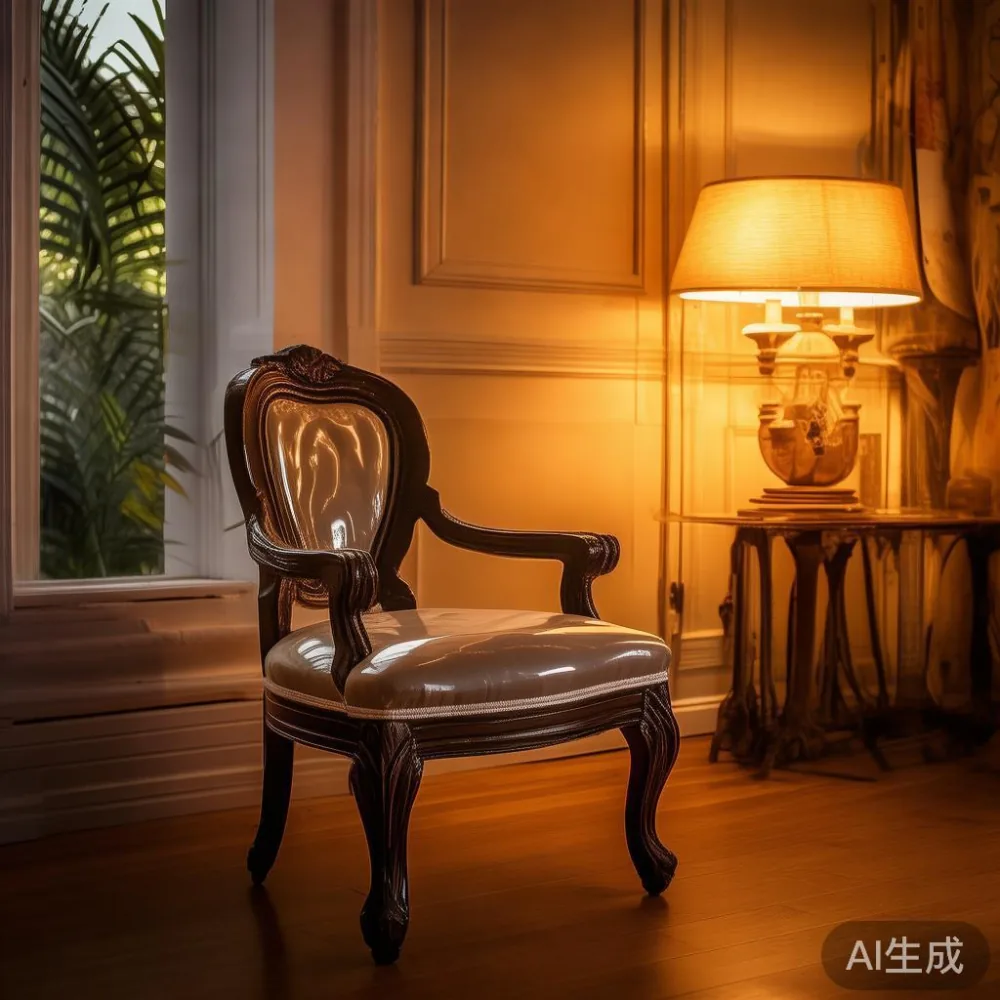
Singapore sits close to the equator, with year-round relative humidity commonly measured around 60% to 85%. Air-conditioned rooms may feel comfortable, but a chair placed near a balcony door or a west-facing window can still experience repeated moisture and light exposure. Here is a practical routine for keeping an lacquered accent chair in good condition while respecting the dimensions and rhythms of local homes.
What makes lacquer different from ordinary wood finish?
Lacquer is a clear or coloured coating applied in thin layers over prepared timber or a stabilised substrate. It can create a smooth, reflective surface that feels pleasant against the armrest and is easier to wipe than untreated wood. That convenience can encourage a common mistake: treating the coating as if it will tolerate every cleaner and every abrasive pad.
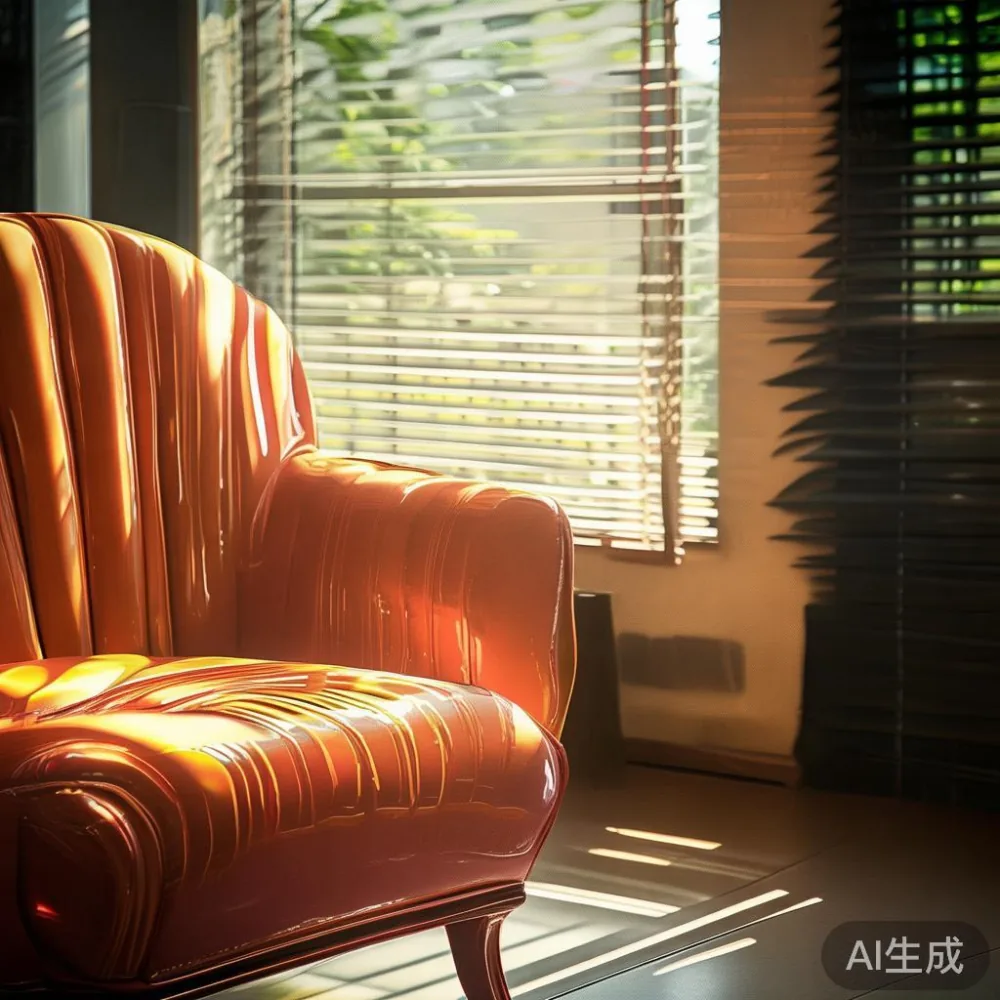
Water-resistant is not the same as water-proof. A spill can enter a seam, scratch, or worn area, especially if the lacquer has aged. Heat can soften the finish, while harsh alcohol, ammonia, bleach, and solvents may dull or cloud it. A soft, white microfibre cloth is safer than a rough yellow sponge, which can leave fine scratches that become visible under angled light.
For households comparing broader furniture directions, questions such as French bed vs French provincial bed often come up while arranging a bedroom. The same care discipline applies: pale finishes show more marks, darker lacquer hides small dust but shows fingerprints, and gloss surfaces reflect every smear. The lacquer choice should suit the actual room, not only the product photograph.
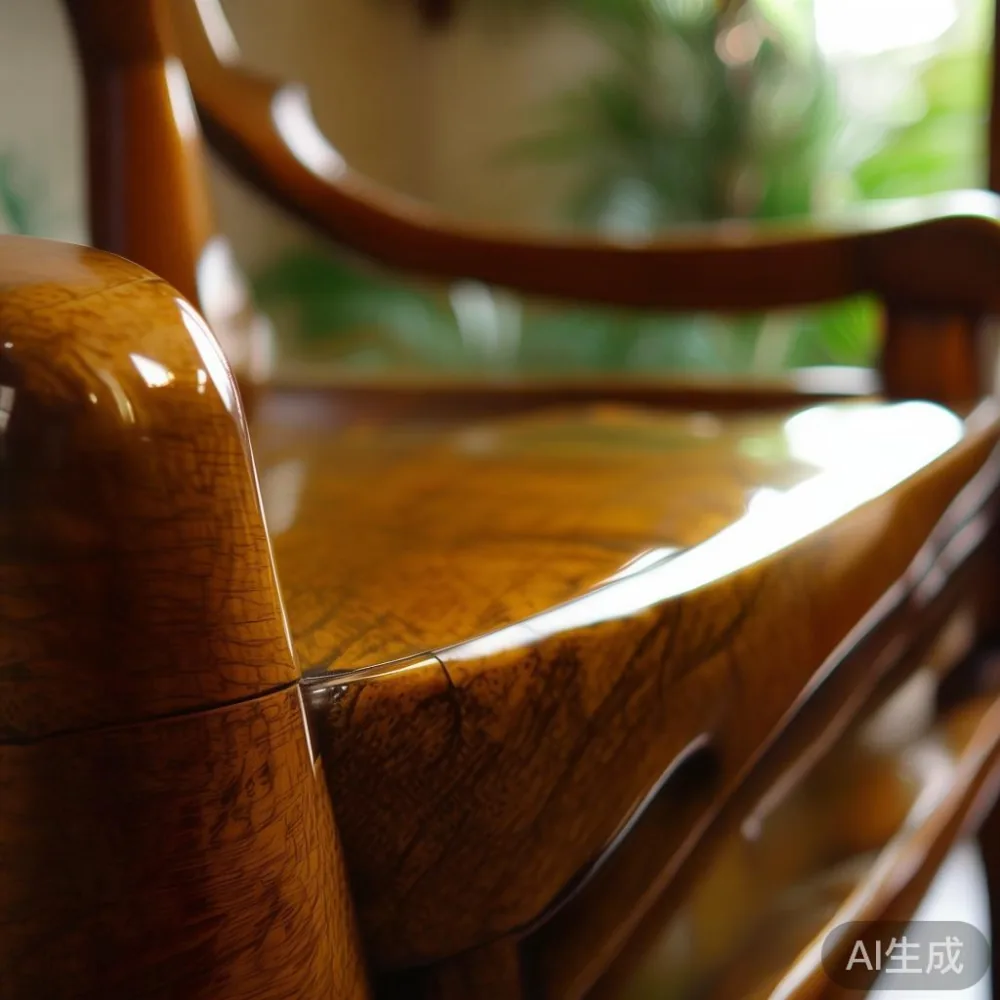
My colleague tested one of our lacquered accent-chair samples for 6 weeks last month near a Bedok corridor window with afternoon sun. She wiped it with a damp microfibre cloth every 3 to 4 days and kept it 40 cm from the glass. Her results were noticeably cleaner than a second sample positioned 10 cm from an open doorway where warm air moved through daily. The controlled sample retained an even sheen; the exposed one developed a faint haze along one arm after repeated sunlight and condensation.
How often should you clean a lacquered accent chair?
Use a light routine rather than a deep-cleaning ritual:
- Daily: Lift loose crumbs with a soft brush or vacuum attachment held about 2 cm above the surface.
- Every 3 to 5 days: Wipe with a dry or barely damp microfibre cloth, following the grain where one is visible.
- Every 2 weeks: Check under seat cushions, around armrests, and along edges for grime or stickiness.
- Every 3 to 6 months: Inspect the lacquer for crazing, lifting, or dull patches.
Do not mist the chair directly. Spray a small amount of diluted pH-neutral soap onto the cloth instead; about 1 teaspoon in 500 ml of lukewarm water is sufficient. Wring the cloth until it does not drip, then test it on an inconspicuous area for 24 hours. The test matters on aged, glossy, or differently pigmented finishes.
After wiping, use a second dry cloth to remove moisture. This simple step reduces streaks and helps the coating dry evenly. Keep cleaning fluid away from joints and exposed timber, because moisture can migrate beneath the lacquer if the coating is already cracked.
Singapore’s frequent showers also mean less need to clean with stronger products. A chair that receives 2 to 4 careful wipes each week usually needs nothing harsher. If a sticky mark remains, a second pass with a clean damp cloth is often enough. If it does not lift, avoid grinding it away; contact the maker for advice specific to the finish.
How should humidity and sunlight be managed in a HDB flat or condo?
Try to keep the accent chair at least 60 cm from open balcony doors and 1 to 2 m from windows with strong direct sunlight. Use sheer curtains or UV-filtering film where glare is troublesome. For a west-facing Tampines living room, moving the chair 30 cm deeper into the room can reduce daily exposure without sacrificing its function.
Do not place an air-conditioning vent directly above the chair. Warm, fast-moving air can encourage lacquer to lose moisture unevenly and can affect joins over time. A stable indoor range of roughly 45% to 60% relative humidity is practical, although no timber or lacquer is completely immune to Singapore’s climate.
Underfloor ventilation in some HDB rooms also deserves attention. A low-profile moisture meter, used according to its instructions, can identify damp areas before placing furniture against an external wall. Leave 5 to 10 cm of airflow space where practical, especially in a humid Bedok or Punggol unit that experiences more condensation during the monsoon months.
Furniture selection matters too. A solid wood sofa, bed frame, dining table, wardrobe, or nightstand will move and react differently over a decade, while a marble table is particularly sensitive to acidic spills. For a lacquered accent chair, stable placement and controlled light matter more than obsessive daily polishing.
What is the safest way to remove fingerprints, stains, and sticky residue?
Start with the mildest measure. For fingerprints on gloss lacquer, use a clean microfibre cloth slightly dampened with water, then dry immediately. A tiny drop of mild dish soap on the cloth may help with oily residue; avoid pouring detergent onto the chair.
For scuffs, test a clean, soft white cloth in one small area. Never use steel wool, abrasive erasers, magic erasers, or the textured side of a sponge. These can scratch the coating within 2 or 3 uses, leaving repair work that is far more expensive than careful maintenance.
Ink and oil stains should be absorbed promptly. Blot from the outside towards the mark rather than rubbing it across the finish. If a stain remains, seek a finish-specific recommendation rather than trying nail-polish remover, thinner, acetone, or concentrated alcohol. These products may temporarily improve the mark but can permanently soften or blanch lacquer.
For pet households, keep a washable throw over the seat and remove it every 5 to 7 days. This reduces hair and oils without creating another layer that traps heat against the lacquer. Outdoor plants should stay at least 30 cm from the chair; wet soil can transfer water and minerals to the armrests.
Regular attention is particularly valuable for households comparing light luxury sofa vs Italian light luxury sofa, since upholstery, timber, and lacquer can each require different care methods. The accent chair may be a smaller focal point, but it receives frequent hand contact and sits at eye level, making its finish easy to notice.
Can a lacquered accent chair be repaired instead of replaced?
Small marks often disappear with careful cleaning, but deep scratches, lifting lacquer, or broad dull areas need assessment. If the chair is still structurally sound, refinishing may be more sensible than replacement. MIDHILL offers lifetime refinishing on eligible pieces, and its 10-year structural warranty addresses long-term construction concerns; finish-related wear should still be confirmed under the applicable terms.
Keep records of care and incidents. Note the date, the cleaner used, the room conditions, and whether the mark changed after 24 or 48 hours. Photos taken under daylight and under warm artificial light can help a specialist judge the finish. Avoid placing tape directly on lacquer; pressure and residue can create a mark larger than the original defect.
Transport also needs planning. A chair designed for a lift lobby may need careful turning inside a narrow HDB corridor. Measure the packaged chair and check the route before delivery. MIDHILL provides delivery across Singapore, with quoted timing normally shown in working days; GST is added to the displayed price, and free shipping applies to qualifying orders above US$350 as stated for international shipping.
What should you do if the lacquer starts to feel sticky or hazy?
Sticky lacquer may be responding to heat, humidity, incompatible residues, or an underlying coating issue. First move the chair away from direct sun and improve ventilation. Let the surface remain untouched for 24 hours, then wipe once with a barely damp microfibre cloth and dry it with a clean second cloth.
Do not repeatedly polish a tacky surface. Heat from a hair dryer or lamp can make the problem appear to improve for a few minutes while encouraging further softening. If tackiness returns over the next 3 to 5 days, or if the coating can be lifted with a fingernail, stop using solvent cleaners and request a finish inspection.
Check nearby objects for transfer. Newspapers, rubber-backed mats, silicone products, and some plastic covers can interact with lacquer. Remove them for a test period of 7 days. If the surface improves, replace the offending material with a cotton or untreated wool pad.
Light scratching can also be reduced by changing how the chair is used. Position it beside a table for dining or reading rather than as a place to store bags. Clear toys and keys from the seat, and use the backrest for light contact instead of leaning on the lacquered edge.
How do you fit an accent chair into a compact Singapore home?
Measure before the chair arrives. A common HDB living room might allow a 70 cm-wide accent chair with a 65 cm depth, but the actual route from the lift to the flat may be tighter than the room. Check lift door dimensions, internal lift depth, corridor turns, and the width of the unit entrance. Allow an extra 10 cm of maneuvering space when a boxed chair has to turn through a doorway.
In Punggol and Bedok condos, open-plan layouts can make one well-chosen accent chair more useful than several visually heavy pieces. Use it at the end of a compact solid wood sofa, beside a bed frame, or near a dining table without blocking a 90 cm circulation route. In an HDB dining area, pull the chair slightly away from the table when not in use to improve movement around it.
French light luxury styling works well when curves meet clean lines. A slim-profile accent chair with a solid timber frame can soften a rectangular room without overwhelming it. American light luxury tends toward generous proportions, so scale the chair to the available 1.5 to 2 m of wall space. Post-modern light luxury can be introduced through one graphic textile or sculptural side table rather than crowding the area with several accents.
Colour selection affects maintenance. Warm white shows yellowing and soil; black shows dust and fingerprints; a mid-tone grey often makes small marks less conspicuous. Test a fabric or colour swatch in the room for 48 hours, including at night under LED lighting, before committing.
How often should a lacquered accent chair be refinished?
There is no fixed calendar because exposure and usage differ. Refinishing becomes sensible when the lacquer has lost its even sheen, small scratches no longer respond to careful wiping, or the surface begins to feel rough. A chair used lightly in an air-conditioned bedroom may need attention every 7 to 10 years; one beside a sunny corridor window may need evaluation every 4 to 6 years.
Between refinishing, keep moisture and direct sunlight under control, clean with mild methods, and repair damage early. Do not use furniture polish unless the manufacturer confirms that it is compatible with the lacquer. “Polish” products can create temporary shine while causing a patchy surface after several applications.
Owners planning a wider bedroom replacement sometimes ask how to style French wardrobe in bedroom, is Japanese wardrobe worth it, or what constitutes the best Modern light luxury wardrobe for 2026. Those comparisons often focus on storage, but the finish around the room deserves equal attention. If a lacquered accent chair sits beside a wardrobe, leave space for opening doors and prevent repeated contact with projecting handles.
For anyone mapping current design references, 2026 European light luxury furniture continues to favour tactile materials, restrained forms, and furniture that can be maintained rather than replaced quickly. That approach suits Singapore particularly well: a well-made accent chair should be moved, cleaned, and refinished over many years, not discarded after a small surface mark.
Those researching adjacent pieces can also compare a MIDHILL wardrobe, dining table, bed frame, nightstand, solid wood sofa, or marble table with the same attention to dimensions and environmental conditions. For lacquer, the practical rule remains simple: keep liquids away, control sunlight, use mild cleaning, and act early when a mark appears. With roughly 10 minutes of care each week, an accent chair can retain its polished character through Singapore’s heat and humidity for years to come.