The Silent Challenge: How Singapore's Humidity Affects Your Wood Accent Chair
Living in Singapore, with its year-round high humidity levels of 70-85%, presents a unique challenge for owners of solid wood furniture. The air is thick with moisture, a fact that is both a blessing for our lush greenery and a constant test for the integrity of wood. This is particularly true for a piece of furniture that sits in a prominent spot, like an accent chair. The wood in your accent chair, a beautiful statement piece in your living room or bedroom, is a natural, porous material that constantly interacts with its environment. Understanding this relationship is key to preserving its beauty and functionality for years to come.
Why Humidity is the Natural Enemy of Solid Wood
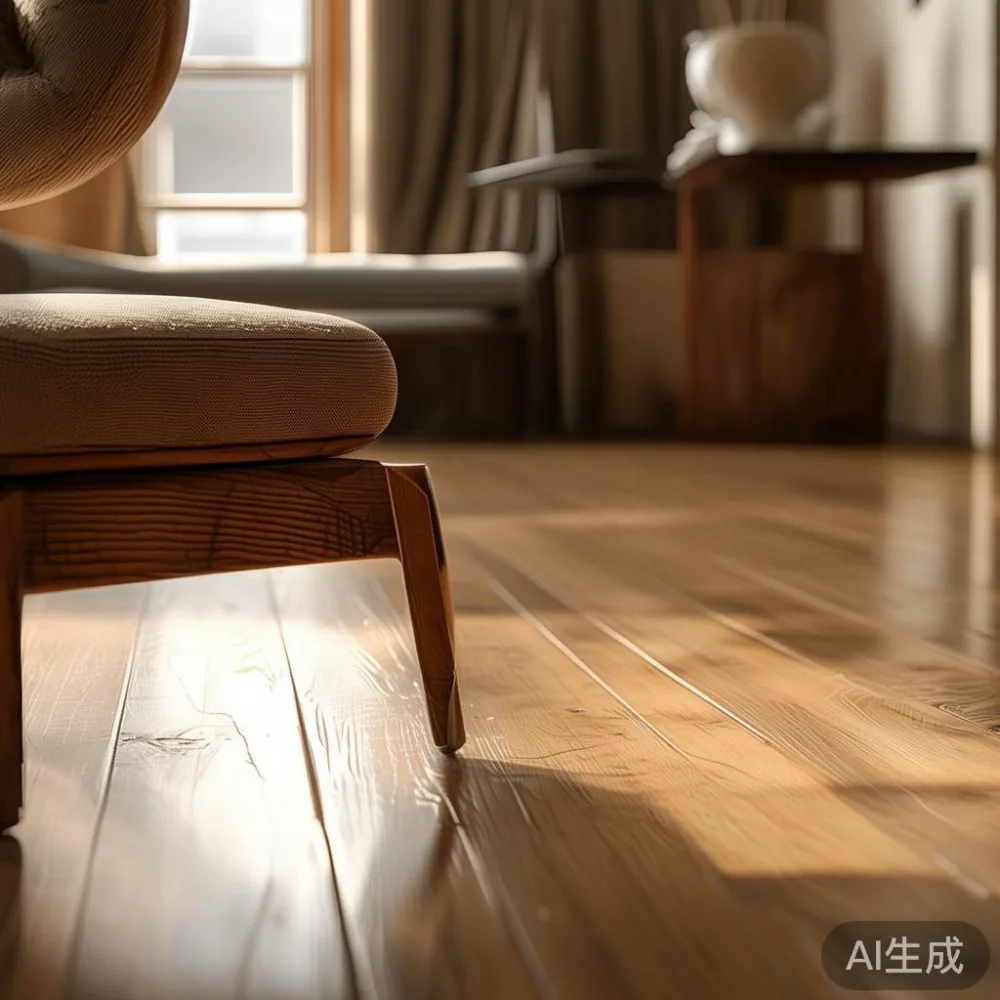
Wood is hygroscopic, which is a scientific way of saying it absorbs and releases moisture from the air. Think of it as a living material, even after it has been shaped into furniture. In Singapore, the relative humidity rarely dips below 60%, often soaring above 80% during the monsoon seasons. When wood absorbs this excess moisture, its fibres expand. This expansion can cause several issues. The most common is the formation of small cracks, known as 'checking,' on the surface of the wood. You might also notice drawers in a wardrobe becoming sticky and difficult to open, or the panels on a solid wood sofa bed frame warping slightly. Conversely, if a piece of furniture were moved to a very dry environment, the wood would contract, potentially causing larger gaps between joints or even structural cracks. For a finely crafted accent chair, which often features complex joinery and curved components, this constant swelling and shrinking can be particularly damaging.
How Singapore's Unique Housing Amplifies the Problem
The specific conditions within Singapore's HDB flats and condominiums can exacerbate the effects of humidity. Many Singaporean homes, especially in newer estates like Tampines and Punggol, are designed with large windows and open-plan layouts to maximise natural light. While aesthetically pleasing, this can lead to more direct sunlight exposure, which heats up the air and increases the rate of moisture evaporation from the wood. This rapid drying cycle can stress the material. Also, air conditioning is a fact of life here. While it cools the air, it also dehumidifies it, creating zones of very low humidity directly in front of an AC vent. A wooden accent chair placed too close to an air conditioner might experience one side drying out faster than the other, leading to warping. The confined spaces of a lift or a narrow corridor in an older HDB block also mean that furniture, including a new accent chair, might be bumped or scraped during delivery, which can compromise the protective finish and make the wood more vulnerable to moisture ingress. The 9% GST on imported furniture also makes it a significant investment, one you naturally want to protect.
Protecting Your Investment: Practical Care for Wood Furniture
Thankfully, protecting your solid wood furniture from Singapore's climate is not an insurmountable task. It's about managing the environment and performing regular, simple maintenance. The first step is to control the microclimate around your furniture. Avoid placing your accent chair directly in front of an air conditioning unit or in a spot that receives harsh, direct sunlight for several hours a day. Using a dehumidifier in particularly damp areas, like a bathroom or a windowless study, can also help maintain a more stable humidity level. Regular dusting with a soft, dry cloth is important. Dust particles can act like an abrasive, scratching the wood's finish and creating tiny pathways for moisture. For cleaning, use a slightly damp cloth followed immediately by a dry one. Never let water sit on the surface. Applying a high-quality furniture wax or polish every 3-6 months creates a protective barrier that helps seal the wood from the humid air. This is especially important for a piece like a European light luxury coffee table or a European light luxury with storage unit, which often feature fine veneers and detailed finishes that are more susceptible to environmental changes.
Can I Use an Air Purifier to Protect My Wood Accent Chair?
This is a common and logical question for homeowners concerned about their furniture. An air purifier primarily filters out particulate matter like dust, pollen, and pet dander. While this is excellent for air quality and keeping your furniture clean, it does not significantly reduce the ambient humidity in a room. Air purifiers work by drawing air through a HEPA filter, not by removing water molecules from the air. To protect your wood accent chair from the effects of high humidity, you need a device that specifically manages moisture levels. A dehumidifier is the correct tool for the job. It works by drawing in humid air, cooling it to condense the moisture into a water collection tank, and then releasing the drier air back into the room. For a typical Singaporean HDB living room of about 25 square metres, a dehumidifier with a capacity of 20-30 litres per day is usually sufficient to maintain a healthier relative humidity of around 50-60%, which is much more stable for wood.
What to Look for in a Humidity-Resistant Accent Chair
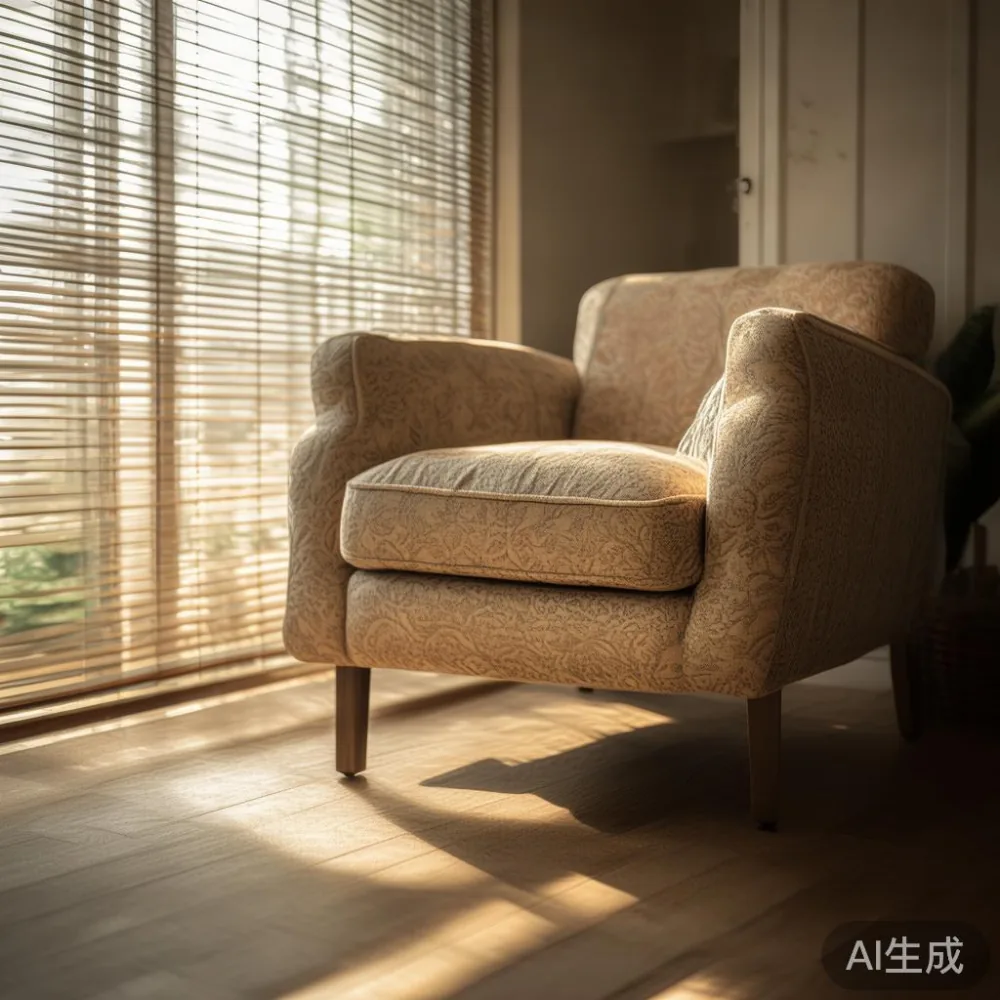
When selecting a new accent chair for your Singapore home, the material and construction are paramount. Solid wood is beautiful, but not all solid woods are created equal. Hardwoods like teak, oak, and walnut are generally denser and more stable than softwoods like pine or rubberwood. They are less prone to absorbing moisture and therefore expand and contract less. A well-made accent chair will feature solid wood construction for its main frame, with engineered wood like MDF used only for non-structural parts like drawer backs or shelves. The finish is just as important as the wood itself. Look for chairs that have been treated with multiple coats of a high-quality, moisture-resistant lacquer or varnish. This finish seals the wood pores, preventing moisture from penetrating the surface. The type of joinery used is also a tell-tale sign of quality. A chair held together with traditional mortise and tenon joints or dovetail joints will be far more durable and stable over time than one assembled with simple screws or staples. For example, a post-modern light luxury accent chair might feature sleek lines and a minimalist design, but its longevity will depend entirely on the quality of its wooden frame and finish.
Real-World Experience: A Test of Durability in Bedok
Last month, I visited a client in her Bedok apartment to assess her new furniture. She had purchased a beautiful solid wood accent chair from a local maker, and within 6 months, the arms had developed noticeable cracks. She was understandably concerned. Upon inspection, I found that the chair was placed directly under a ceiling vent that was part of her central air conditioning system. The constant, direct stream of cold, dry air had caused the wood on the arms to dry out and shrink much faster than the rest of the chair, creating stress fractures. I advised her to move the chair to a different part of the room, away from the vent. I also showed her how to apply a furniture oil specifically designed for dry conditions to nourish the wood and help it regain its moisture balance. It was a clear lesson that even the highest quality furniture can be compromised by its immediate environment. A well-made piece, like those from a reputable Foshan-based manufacturer established in 2008, would have a more stable core structure and a more flexible finish, making it better equipped to handle such microclimate shifts, but no wood is completely immune to extreme conditions.
The Mid-Century Modern Dressing Table and Styling for Humidity
The principles of protecting wood furniture apply universally, from a large dining table to a small nightstand. For instance, a Mid-century modern dressing table is a wonderful piece that can add character to a bedroom. To maintain it in Singapore's climate, you would follow the same rules: keep it away from direct AC vents and strong sunlight, dust regularly, and apply a suitable polish. Styling your bedroom with such a piece also involves thinking about the environment. The question of how to style Japandi bed in bedroom is a popular one, and the answer lies in creating a harmonious and balanced space. A Japandi aesthetic focuses on natural materials, light colours, and minimalist forms. Pairing a Japandi bed with a solid wood nightstand and a simple, well-made accent chair in a neutral fabric can create a cohesive look. The key is to ensure that all wood pieces in the room are cared for consistently, as they will all react to the same humidity levels. This complete approach to interior design ensures that your furniture not only looks good but also lasts longer, protecting your investment in the long run.
Choosing Between American and French Sofas for a Humid Climate
When considering larger pieces like a sofa, the choice of style and material becomes even more critical. The debate of American sofa vs French provincial sofa often comes down to aesthetics, but the construction and materials are just as important for longevity in Singapore. An American-style sofa, often characterised by its clean lines, neutral fabrics, and simple wooden legs, might use a more stable hardwood like maple or oak for its frame. A French provincial sofa, with its more ornate carvings and often lighter wood like ash or pine, may be more susceptible to the effects of humidity due to the intricate details and softer wood. If you love the French look, opt for a piece made from a denser hardwood and ensure all the carvings are well-sealed with a durable finish. The same logic applies to other furniture. A best Scandinavian wardrobe for 2026 should be chosen for its functional design and high-quality solid wood construction, not just its trendiness. A solid wood dining table should be placed in a spot where it won't be exposed to sudden temperature changes, like near a balcony door that is frequently opened. Even a MIDHILL TV console, which might be made of a combination of solid wood and marble, requires care; the wood components need protection from humidity, while the marble surface needs to be sealed to prevent staining from condensation.
Understanding Your Warranty and Peace of Mind
Purchasing solid wood furniture is a significant commitment, and understanding the warranty that comes with it is part of being a savvy consumer. A reputable manufacturer will stand behind their product. For example, a company with a 10-year structural warranty on its frames demonstrates a high level of confidence in their joinery and material quality. This warranty covers the core skeleton of the furniture, ensuring that the joints and frame will not fail under normal use. Also, a lifetime refinishing warranty is a valuable offering. This means that if the finish on your accent chair ever wears down or becomes damaged, the manufacturer will refinish it for you, restoring its original beauty. This is particularly reassuring in a humid climate where the finish is constantly being tested. When you place an order, it's also wise to confirm the delivery details. Free shipping over SGD 350 is a standard offer that saves you a significant cost, and knowing that your furniture will arrive in 14-21 days, securely packaged, adds to the peace of mind. A 14-day return policy gives you a short window to inspect the piece upon arrival, ensuring it arrives in perfect condition before you commit to keeping it. These policies are not just marketing points; they are indicators of a manufacturer's commitment to quality and customer satisfaction, ensuring that your beautiful accent chair remains a cherished part of your home for decades.