Lacquer Care Tips for Singapore Accent Chairs
A lacquered accent chair can give a Singapore home a polished focal point, but high humidity, warm air, and daily hand contact require a measured care routine. In an HDB flat in Tampines, a chair may sit beside a window where afternoon light reaches the lacquer for roughly 2 hours. In a Bedok condo, it might stand near an air-conditioning vent where the surface changes temperature several times a day. Those small environmental details matter more than aggressive cleaning products.
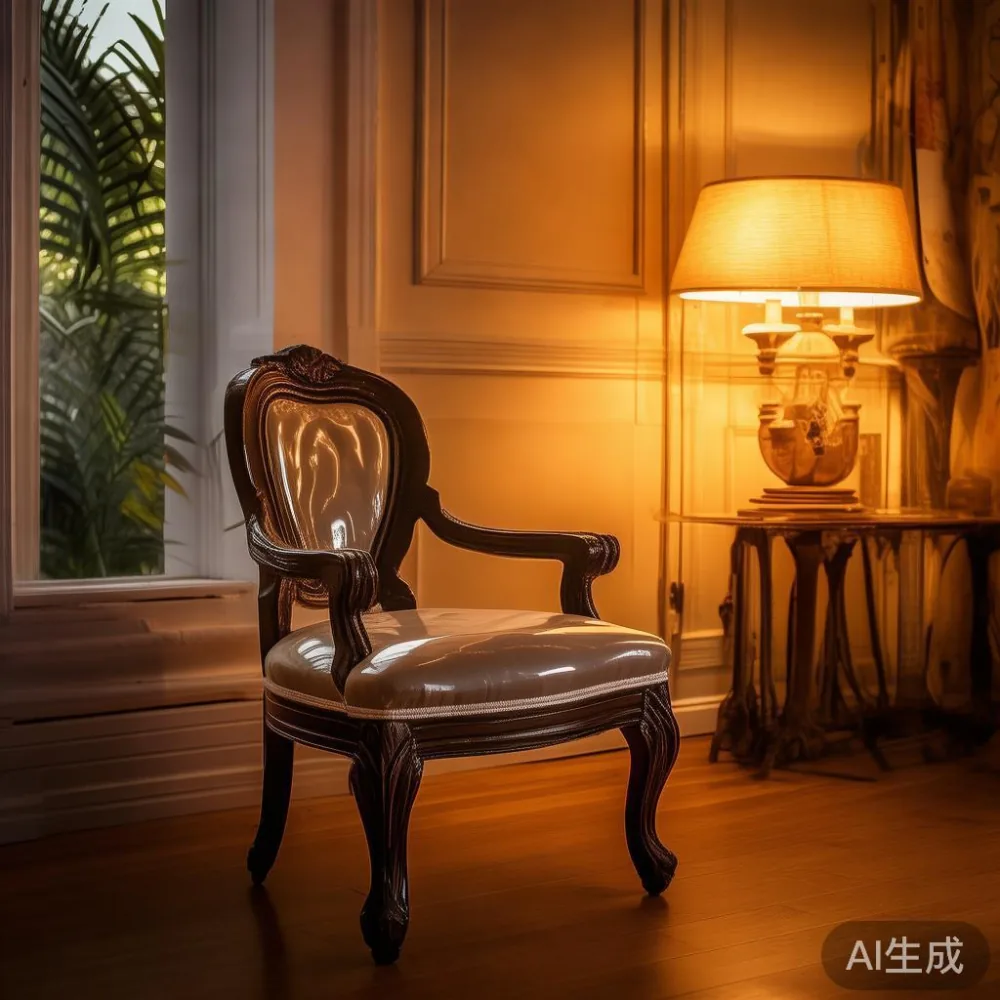
MIDHILL builds lacquered seating on kiln-dried solid timber, with every frame carrying a 10-year structural warranty. Lacquer care protects the finish rather than the timber beneath it. This guide explains how to clean, protect, inspect, and refresh an accent chair without turning routine maintenance into a restoration project.
Why Does Humidity Affect Lacquered Furniture?
Singapore’s relative humidity commonly ranges from 60% to 85%, while coastal air carries moisture into an enclosed home. Lacquer is less permeable than untreated wood, yet its edges, joints, and thin finishing layers can still respond to repeated moisture cycling over 12 to 24 months.
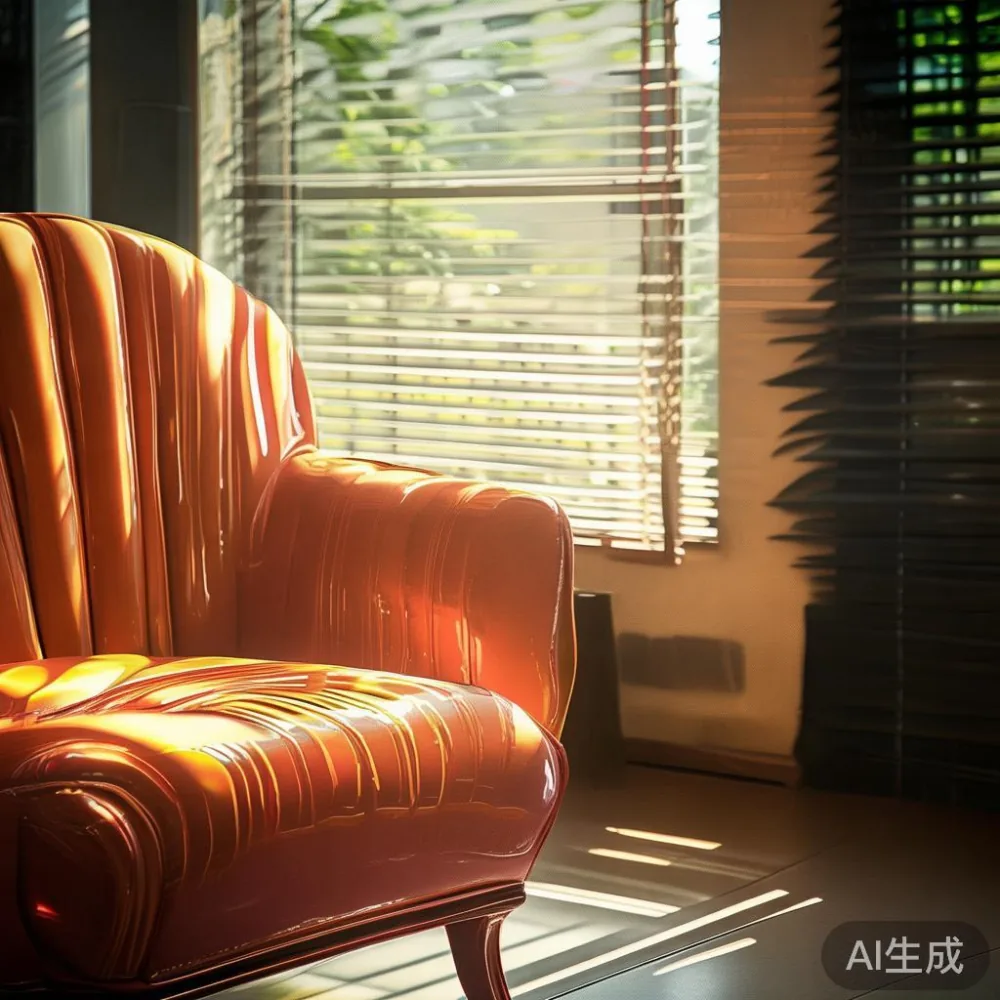
Keep the room around 40% to 65% relative humidity where possible. A hygrometer placed about 60 cm from the accent chair will give a more useful reading than a general weather app. In a Punggol unit without a dedicated dehumidifier, stand the chair at least 30 cm from an exterior wall and avoid placing it directly against a cold bathroom or kitchen surface.
Do not wipe a lacquered chair immediately after a shower or while evening condensation is present. Wait until the surface is fully dry. A damp cloth can trap moisture against a small scratch, while mineral-rich tap water may leave faint marks. Use distilled or filtered water for the final wipe, especially in older HDB plumbing systems.
What Is the Safest Way to Clean an Accent Chair?
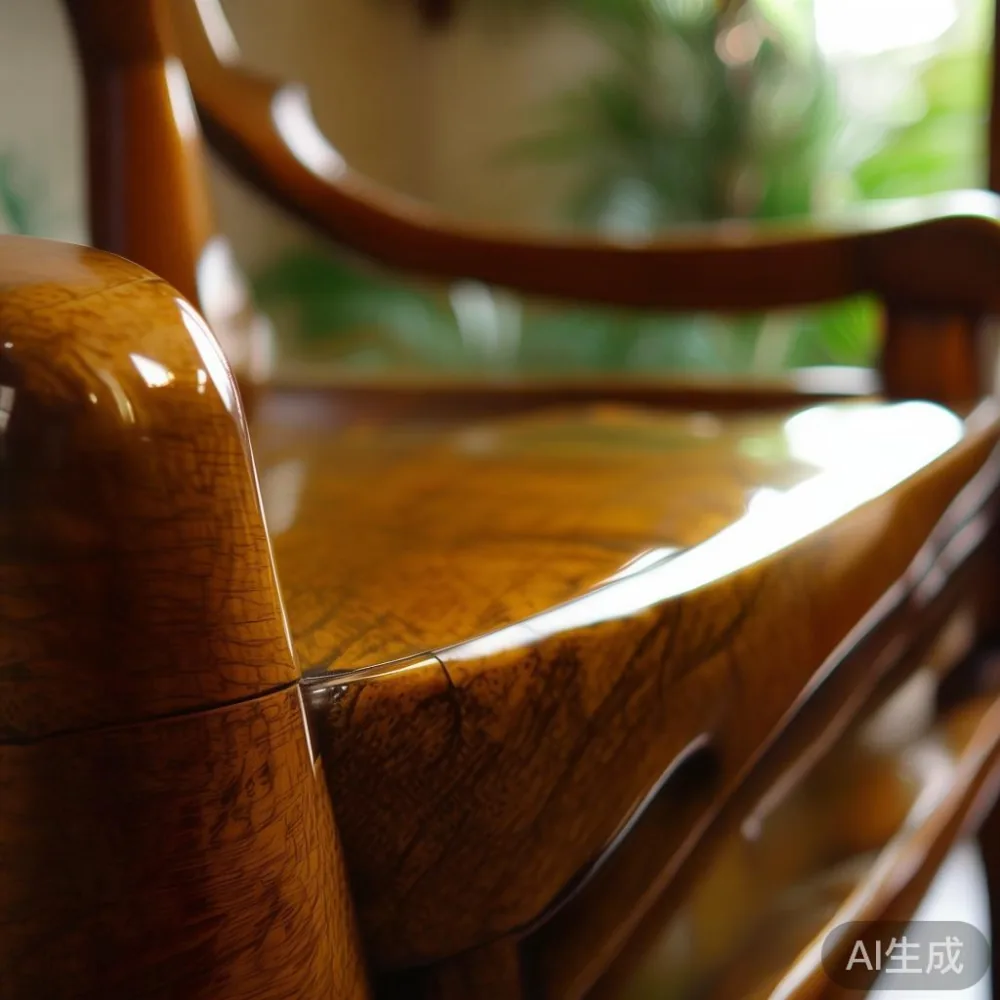
Start with the least forceful method. Use a soft, lint-free microfibre cloth, check that it is clean, and wipe with the grain. A dry cloth removes ordinary dust; a barely damp cloth handles fingerprints. The cloth should leave no visible water behind, so dampen it and wring it out rather than spraying the lacquer directly.
Follow this 5-minute routine every 1 to 2 weeks in a humid room:
- Remove seat cushions and loose covers so air can circulate around the frame.
- Vacuum with a brush attachment at low suction, holding it about 2 cm above the surface.
- Wipe the frame with a dry microfibre cloth for 60 seconds.
- Repeat with the cloth lightly dampened using distilled water and a drop of mild pH-neutral dish soap.
- Dry with a separate clean cloth within 2 minutes.
Never use bleach, ammonia, alcohol, acetone, abrasive pads, metal scrapers, or furniture polish containing silicone unless a specialist confirms compatibility. Avoid test phrases such as for sale American furniture when buying care products; “polish” and “cleaner” can describe very different chemicals. Test any proposed product on an underside area first and allow 48 hours before judging the result.
Do not use the word “best” in a care decision without evidence. A product that works on one lacquer may soften another. The manufacturer of the chair should be the primary source for approved cleaners.
How Should I Protect the Lacquer from Heat, Light, and Spills?
Move the accent chair at least 50 cm from a window with direct sun. Repeated ultraviolet exposure can fade colour even when humidity is controlled. In a west-facing Bedok living room, filtered blinds are more effective than moving the chair several times a year. The light-luxury appeal of a French-style silhouette depends on consistent colour across the frame, backrest, and arms.
Use a coasters and a placemat sized at least 5 cm larger than the cup or saucer. Ceramic mugs should be room temperature before they touch the finish. Avoid hot tea above 60°C, candles, incense, and food containers with wet rims. Wipe a spill within 60 seconds, even if it looks harmless.
For a water spill, blot rather than rub. Lift the chair’s front legs about 5 cm onto 2 folded towels for 30 minutes, then wipe dry. For oil, place a clean paper towel over the mark and lift it gently; do not press hard enough to scratch the lacquer.
Small felt pads under the legs prevent metal contact with the floor and reduce scraping during corridor moves. At 1.2 m wide, a typical HDB corridor may require the chair to be turned on its side, but do not lift it by the backrest. Carry the seat base with 2 people and protect the lacquer with a 2 mm blanket during transit through the lift lobby.
How Do I Tell Whether a Mark Needs Cleaning or Repair?
Hold the chair near a 500-lumen lamp and inspect from 3 angles. Fine dust creates a hazy outline that disappears after a dry wipe. A fingerprint usually lifts with the damp-cloth method. A scratch catches a fingernail, remains visible under oblique light, and cannot be removed with a cloth.
Hairline scratches about 0.2 mm wide are often manageable with a lacquer-safe touch-up pencil. Deeper cuts, lifting bubbles, whitening, or a soft area need professional assessment. Do not apply petroleum jelly, toothpaste, cigarette ash, or coarse wax. These remedies can permanently discolour clear lacquer.
Photograph each defect with a 5 cm ruler beside it and record the date. That simple measure helps the supplier distinguish a recent household mark from a pre-delivery flaw. It also makes refinishing requests clearer, whether the chair is under warranty or being maintained after several years.
Can an Accent Chair Be Refinished Instead of Replaced?
Yes, when the timber is sound. A lacquered accent chair may be sanded carefully, recoloured, and sealed after 6 to 12 months of regular use. Spot refinishing is suitable for 1 or 2 isolated marks. Full refinishing is more appropriate when discoloration covers more than about 20% of the visible surface, several scratches run across the same area, or the sheen has become uneven.
MIDHILL offers lifetime refinishing for qualifying products, a useful option for a chair exposed to intense sunlight or an active family home. The refinishing scope depends on the original finish and current condition, so send clear photographs before scheduling work. Refinishing usually takes 10 to 21 days, plus delivery time of 3 to 7 working days within Singapore. The final bill may include collection, transport, repair, and GST; ask for the components separately.
Refinishing should be considered before buying a replacement. A well-made solid wood accent chair can retain its proportions, frame strength, and place in the room for 10 years or more. It can also coordinate with a solid wood sofa, bed frame, dining table, wardrobe, nightstand, or marble table without looking visually disconnected.
Is a Lacquered Accent Chair Suited to Singaporean Interiors?
It can be, with the right placement. Lacquer creates a crisp, reflective finish suited to post-modern light luxury interiors, especially when paired with pale timber, warm neutral textiles, and restrained metal details. The finish should feel calm and durable rather than excessively glossy. A room around 18 to 25 sqm may have limited spare wall space, so a slim accent chair with a maximum width of 70 cm and a depth of 72 cm is easier to position beside a window or beside a compact solid wood sofa.
French light luxury often favours curved profiles, while American light luxury tends toward generous scale and clean lines. Comparing French sofa vs French provincial sofa can help a homeowner judge whether a matching accent chair should carry ornate carving or a quieter outline. For compact Singapore rooms, restrained curves usually preserve visual movement around a coffee table.
Design references can also be misleading. Searching for the best Scandinavian bed for 2026 is useful for a bedroom scheme, but the bed frame, accent chair, and lacquer finish should still share compatible timber tones. A shortlist of the top 10 Scandinavian furniture pieces may offer proportions, while the actual chair should be judged for finish quality, seat comfort, and dimensional fit.
For dining zones, Modern light luxury for dining room planning depends on stable clearances: about 90 cm from the table edge to a wall, and 75 cm behind a seated guest. An Italian light luxury dining table may suit the room, but its stone or marble elements need separate care from a lacquered chair. The chair should not be dragged into the dining area merely to complete a photograph.
What Does My 10-Minute Weekly Care Check Look Like?
Last month, I visited a colleague’s 3-room HDB flat in Tampines with a lacquered accent chair near the main living-room window. I tested the cleaning routine on 3 hidden areas over 14 days: one with dry dust, one with a fingerprint, and one with a small water ring. The dry cloth cleared the dust in 40 seconds. The damp cloth removed the fingerprint after 2 gentle passes. The water ring needed 1 additional wipe with distilled water and 60 seconds of drying. None of the test areas lost gloss or changed colour.
The colleague also kept the chair 45 cm from the window and used 2 felt pads under the rear legs. During the fortnight, relative humidity in the flat ranged from 68% to 81%. The lacquer remained stable, but the hygrometer confirmed why routine wiping mattered.
A weekly 10-minute check can include:
- 2 minutes checking humidity and visible changes in sheen.
- 3 minutes dusting the backrest, seat rail, legs, and underside.
- 2 minutes wiping frequent touch points.
- 2 minutes checking coasters, felt pads, and nearby sunlight.
- 1 minute recording any new mark with a ruler and photograph.
Use a separate cloth for lacquer, not the cloth used on a marble table. Marble can require a different cleaner, and residue transferred between surfaces may create haze. Keep chemicals in a labelled container and store them above floor level, away from children and pets.
How Can I Move an Accent Chair Through Singapore HDB Corridors and Lifts?
Measure before moving. Record the chair’s maximum width, depth, and height, then measure the HDB corridor, staircase, unit door, and lift opening. A common lift car measures about 110 cm by 140 cm internally, but the usable opening may be narrower at 90 to 100 cm. Older buildings and recessed doors can reduce clearance further.
Remove the seat cushion and any detachable back element if the manufacturer permits it. Wrap each lacquered section in a soft 2 mm blanket or foam sheet, then add a 5 cm cardboard protector around the corners. Do not wrap adhesive tape directly against the finish. Two adults should support the solid wood frame from below and turn the chair through the corridor rather than twisting it by one arm.
For a condo, check the delivery booking and reserve the service lift if management requires it. Protect common-area walls with rigid board and keep the route clear for neighbours. MIDHILL’s stated delivery terms include free shipping over US$350, although Singapore orders and GST should be confirmed directly because the threshold is stated in a different currency. Allow 3 to 7 working days after production or stock confirmation.
Careful movement protects the lacquer as much as cleaning does. A single bend in the corridor can turn a hairline issue into a costly repair, while a measured route takes perhaps 5 extra minutes.
What Should I Ask Before Buying a Lacquered Accent Chair?
Ask about the timber species, lacquer type, finish sheen, sample colour, cleaning approval, humidity guidance, and refinishing terms. For a MIDHILL dining table or another matching solid wood item, request coordinated finish samples in the room’s actual evening light. A cool white lamp at 4000K and daylight can make the same lacquer appear to have 2 different shades.
Check the chair’s dimensions against the intended 90 cm circulation route. Confirm the seat height, maximum load, and whether the chair is assembled or flat-packed. A 3-person lift should have a written warranty covering structural components for 10 years. Confirm what lifetime refinishing includes, the turnaround time, and whether collection is available.
Singapore’s climate does not make lacquered furniture troublesome; it makes steady habits worthwhile. Keep moisture away, control direct sunlight, respond to spills quickly, and inspect small marks before they become visible defects. Used consistently, that approach preserves the refined character of an accent chair through humid seasons, family meals, corridor moves, and several years of daily use.