How to Care for a Lacquered Accent Chair in Singapore’s Humid Climate
A lacquered accent chair can bring quiet polish to a Singapore home, but tropical humidity, heat, salt, and constant hand contact demand a considered care routine. In an HDB flat in Tampines, an accent chair may sit beside a narrow corridor wall or near a window; in a Bedok condo, it might face a sunlit balcony door; in Punggol, it may occupy one corner of a compact living room. The finish will look elegant under these conditions only if moisture, abrasion, and sunlight are managed from the beginning.
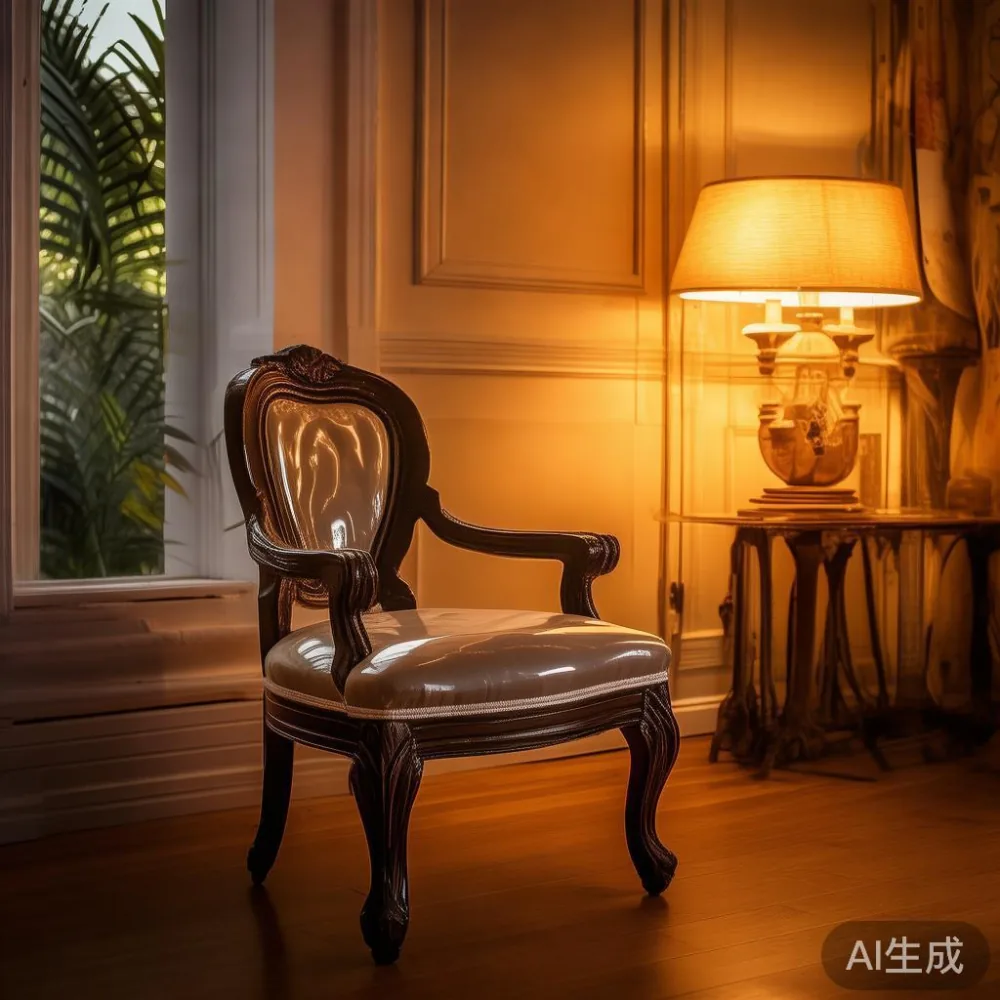
For a solid wood piece, the lacquer is not the whole story. Wood can move as relative humidity changes, while the surface coating resists marks and makes cleaning easier. A measured approach protects both layers. This guide explains how to care for a lacquered accent chair, how to recognise early damage, and how to coordinate it with solid wood furniture such as a bed frame, dining table, wardrobe, or nightstand.
What is the best way to clean a lacquered accent chair in Singapore?
Start with the mildest cleaning method: a soft, lint-free cloth lightly dampened with warm water. Wipe with the grain, using no more than about 10 drops of mild dish soap in a 500 ml bowl of water. Test the mixture on a concealed section for 24 hours, especially if the lacquer has a deep, high-gloss, or antiqued appearance.
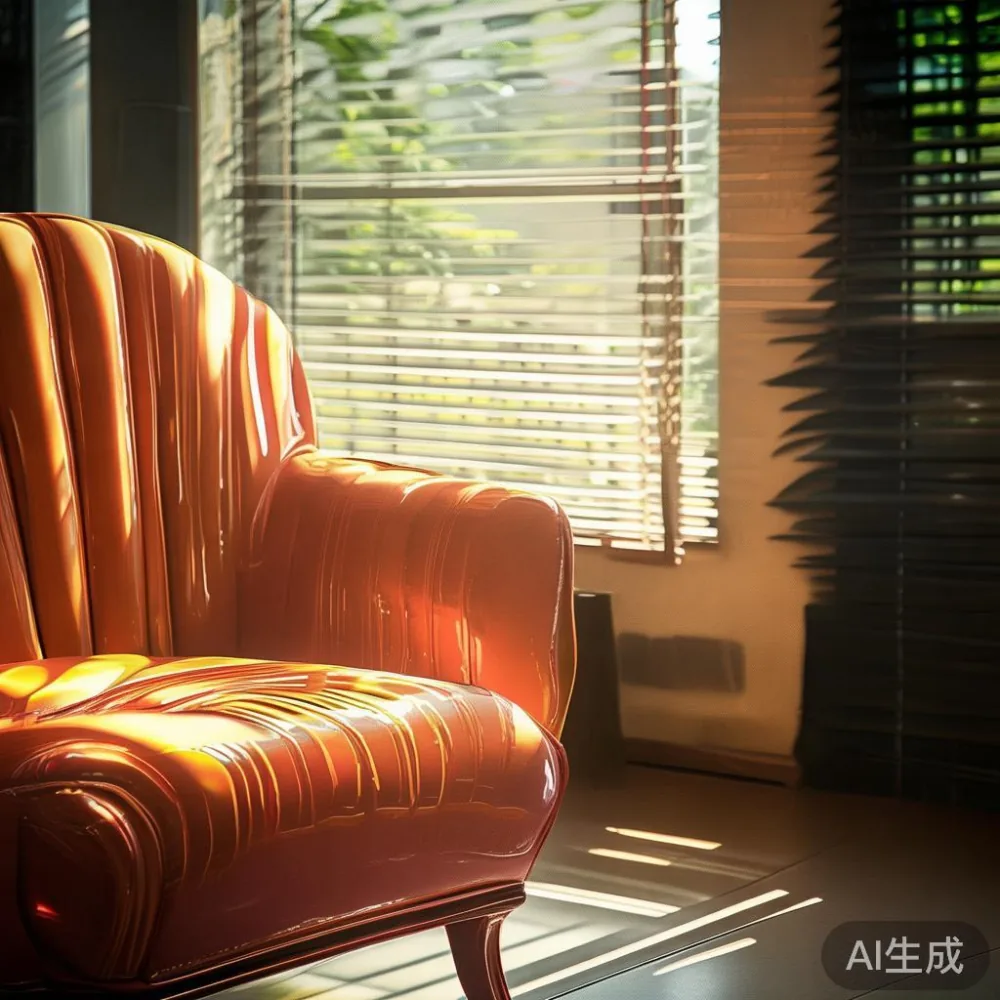
Never flood the chair. Saturating the finish may allow water into joints, under the seat pad, or along a veneered edge. Keep moisture away from the floor for the next 2 hours, and lift the chair instead of dragging it across a 0.5 cm tile joint. A damp cloth should leave no standing droplets; excess water should be removed with a second dry cloth.
For routine cleaning, work once a week in high-use rooms and once every 2 weeks elsewhere. Dust first with a dry microfibre cloth, then damp-wipe only where marks remain. Avoid silicone sprays, furniture polish, ammonia, acetone, alcohol-based cleaners, abrasive pads, and household bleach. If a product label says to avoid lacquer, believe it.
How much humidity can a lacquered accent chair tolerate?
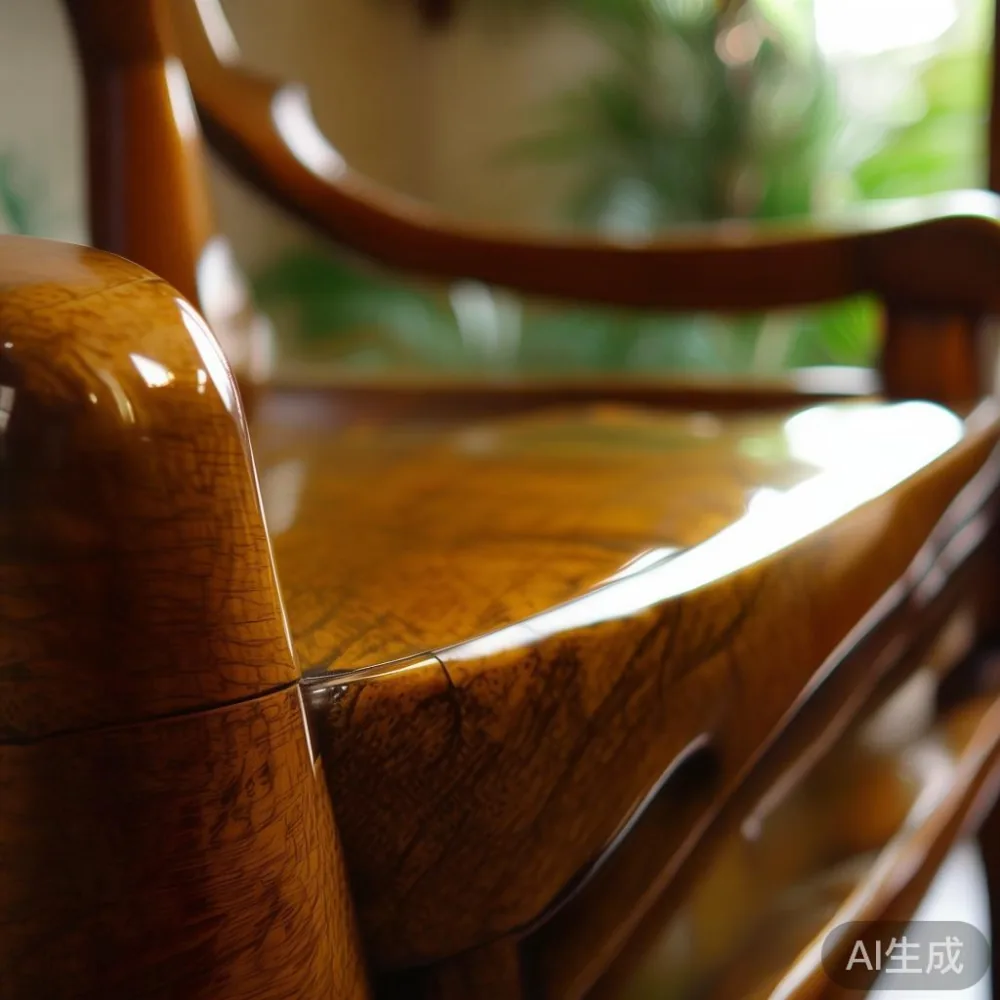
Singapore’s year-round humidity makes a hygrometer useful. Place one in the room for 7 days and record readings at 8 a.m., 1 p.m., and 8 p.m. An ideal range for this furniture is roughly 40% to 65% relative humidity. Short periods near 70% are less concerning than repeated exposure, especially when the chair is beside a window or in an unventilated corridor.
Keep the accent chair at least 60 cm from an open balcony door, 90 cm from a bathroom doorway, and 30 cm from an air-conditioning vent. Direct air-conditioning airflow can cause lacquer to check at the edges and wood to dry unevenly. Position a condenser unit so its exhaust does not blow across the chair, and use blinds rather than relying on curtains alone.
In a compact HDB flat, good placement can be more valuable than aggressive treatment. If the only available wall receives strong afternoon light, rotate the chair every 2 weeks and close the blinds before 2 p.m. In a Punggol unit near a west-facing window, a breathable cover stored away from the chair can reduce dust without trapping moisture against the finish.
Can sunlight fade or cloud lacquer?
Yes. Prolonged ultraviolet exposure can yellow clear lacquer, deepen a colour, or make a gloss finish look uneven. Singapore’s high UV index makes timing and distance important. Keep an accent chair out of direct sun for most of the day, especially between 10 a.m. and 4 p.m. A sheer curtain may reduce visible glare, but it may not block enough UV to prevent gradual change over several months.
Use a curtain or blind that holds the fabric at least 10 cm away from the chair. If the chair must sit in a sunlit position, apply a suitable UV-filtering film to the interior side of the glass. The window film should be rated for at least 99% UV rejection and fitted by a professional. Expect replacement guidance to vary by product, often around 5 to 10 years.
Heat is another factor. A dark lacquered chair placed against a west-facing wall can reach a surface temperature of approximately 45°C during a hot afternoon. Move it 20 cm away from the wall and avoid radiators or portable heaters. The aim is not simply to prevent a burn, but to limit the expansion and contraction that can cause fine cracks in lacquer over 5 to 10 years.
How should I move a lacquered accent chair through a lift and corridor?
Measure before delivery day. Singapore HDB lift doors may be about 90 cm wide, with interior depths near 130 to 160 cm, although older blocks and retrofit changes can alter dimensions. A condo lift may offer a clearer opening of 110 cm or more. Measure the narrowest corridor turn, skirting, door lever, and any step. The chair should pass with at least 5 cm of clearance on each side.
Remove the loose seat cushion, turn the backrest upward if the construction allows, and protect the lacquer with a clean cotton blanket. Do not use bubble wrap directly against the finish because its bubbles can leave a patterned imprint in soft lacquer under pressure. Wrap the chair in a moving blanket, secure it with 2 straps, and keep straps away from edges and arms.
Use 2 people for a solid wood chair weighing more than 12 kg, with one person guiding from the lift lobby. Carry it by the structural frame, not by the arms or the backrest rail. Never lift a chair by its foot pads or by a decorative component. Set it on a protective 2 mm felt pad rather than a thin plastic scrap that may slide on smooth tile.
For taller homes, a common customer question concerns the lift service booking and the building’s move-in rules. Confirm the permitted time slot at least 7 days ahead, reserve the service lift for a 45-minute window, and check whether the operator requires a certificate or approved mover. Protection costs and service charges should be agreed in writing before work begins.
How do I prevent scratches, fingerprints, and scuffs?
Tropical humidity often makes hands slightly damp, while metal studs, watch straps, and pet claws create abrasion. Place a small coaster or tray near the arm where a drink is usually set, and keep at least 15 cm between the accent chair and a frequently used walkway. A 2 mm felt pad under each leg prevents floor scratches and allows the chair to be moved without dragging.
For daily fingerprints, use a barely damp microfibre cloth and dry immediately. Oils from lotion and hand cream can create a haze after several days. Apply a small quantity of pH-neutral wood-care soap only if the lacquer manufacturer permits it, then remove all residue. Test on a hidden area for 72 hours because antique, matte, crackle, and metallic finishes can respond differently.
Do not slide magazines, cardboard cartons, or laptop edges across the surface. A lacquered writing slope may scratch if used without a felt-backed mat. Keep pets off the chair, or provide a washable throw that does not compress the back. If a scratch appears, photograph it under daylight and at a 30 cm distance; this record helps a specialist distinguish a surface mark from a deeper lacquer or wood defect.
What should I do if the lacquer is chipped or scratched?
Assess the damage before using any repair product. A shallow scratch in the topcoat may respond to a lacquer-safe polish, while a chip exposing brown wood, a dent, or a split requires professional repair. Do not sand a lacquered accent chair with 80-grit paper. Aggressive sanding can remove several layers of finish and create a visible flat area.
For a very light mark, try a clean soft cloth and a manufacturer-approved polish applied in a 5 cm circle. Work gently for no more than 30 seconds, then buff with a separate cloth. Stop if the area becomes warm, sticky, or cloudy. A successful touch-up may still be visible because aged lacquer and fresh repair material cure differently.
For deeper damage, stop applying household oils or waxes. Secure the area from dust, avoid high humidity, and arrange an assessment. MIDHILL offers lifetime refinishing for eligible furniture, which can be especially useful when a lacquered surface has worn unevenly after years of use. The exact scope and cost should be confirmed because colour matching, substrate condition, and transport may affect the service.
How can seasonal care fit into a Singapore home?
Singapore has less seasonal variation than many countries, but monsoon humidity changes the daily care requirement. During the more humid months, inspect the chair every 7 days for haze, tackiness, swelling at joints, or a musty smell. During drier periods when air conditioners run for 8 to 12 hours a day, check for edge cracking and avoid over-humidifying the room with laundry or open water containers.
A practical monthly routine takes about 15 minutes. Dust for 3 minutes, check the hygrometer for 2 minutes, inspect the finish for 5 minutes, tighten or rotate the chair if needed for 2 minutes, and wipe only marked areas for 3 minutes. Keep the chair away from damp towels, food trays, and air freshener plumes. Aerosol polish creates a temporary shine but can leave residue that attracts dust.
For coordinated interiors, lacquer can bridge styles. A French provincial accent chair may sit beside a solid wood bed frame with curved details, while a modern French provincial furniture scheme can pair clean silhouettes with warm timber. If searching for under 2000 European light luxury furniture, compare finish samples, solid wood construction, and aftercare rather than judging only by the room photograph. In a narrow bedroom, the question of how to style French sofa in bedroom can lead to the same finish-care concerns, particularly where cushions and polished timber meet.
The Italian light luxury dressing table phrase describes a frequent design reference, but dressing-table finishes should not be copied onto every surface without checking the lacquer specification. A lacquered accent chair, solid wood sofa, dining table, wardrobe, nightstand, or marble table may each use different maintenance rules. The MIDHILL coffee table category offers a useful example: compare the coating documentation rather than assuming one cleaner suits all furniture.
Light-luxury positioning should not mean neglecting maintenance. French light luxury is about proportion and tactile restraint; American light luxury often features generous scale and clean detailing; post-modern light luxury may introduce graphic forms and mixed materials. None of those approaches removes the need to control heat, moisture, and abrasion.
What warranty and service details should a buyer confirm?
Ask for written information on structural coverage, finish coverage, lacquer composition, cleaning restrictions, and repair timelines. MIDHILL was established in 2008 and exports to more than 15 countries, so a documented care method is useful for both local and international ownership. Its 10-year structural warranty addresses construction over the long term, while lifetime refinishing refers to refinishing service and should be confirmed for the individual product.
Confirm delivery timing, installation access, lift reservation, and any surcharge for carrying furniture beyond the lift lobby. Standard free shipping applies to qualifying orders over US$350, but the threshold is stated in US dollars rather than a Singapore delivery promise. Local prices should be quoted in SGD, and GST treatment should be stated clearly on the invoice. Returns are generally accepted within 14 days subject to the stated condition rules, so inspect packaging and the lacquer before signing the delivery record.
Last month I visited a client’s Bedok condo to assess a lacquered accent chair that had developed patchy shine. The chair was 46 cm above a balcony door and had been exposed to afternoon sun for roughly 8 months. We moved it 80 cm inward, added a UV-rated blind, and began a hygrometer log. Readings ranged from 58% to 72%; after 4 weeks with the chair repositioned, the readings near it stayed between 54% and 65%. The hazy area did not disappear, but no further softening appeared along the front edge. That visit confirmed something practical: placement changes the environment immediately, while a repair requires the right materials and controlled curing.
For a Singapore buyer, the most reliable care plan is straightforward: keep relative humidity near 40% to 65%, avoid direct sun, use mild cleaning, protect the floor, and inspect the finish every month. A well-maintained lacquered accent chair can retain its colour and sheen for many years, complementing a solid wood bed frame, dining table, wardrobe, nightstand, or other pieces without turning routine upkeep into guesswork.